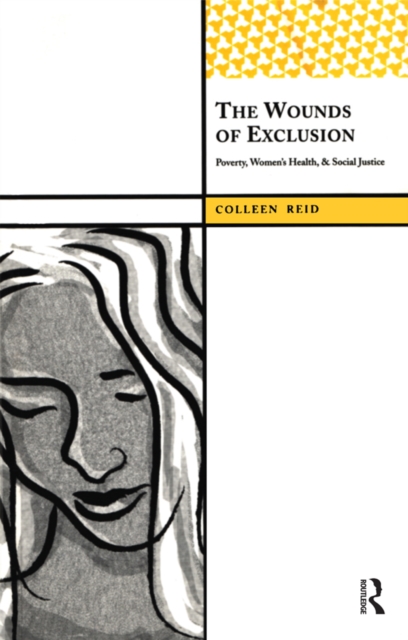
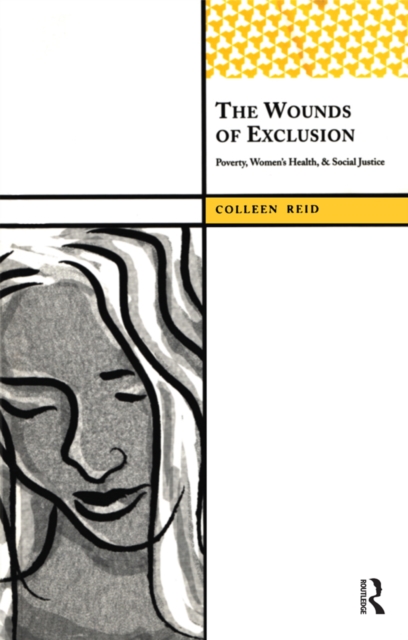
This participant observer study chronicles the stories of a group of poor Canadian women, their experience with exclusion by health and social service providers, and their involvement in a feminist action research project.
This participant observer study chronicles the stories of a group of poor Canadian women, their experience with exclusion by health and social service providers, and their involvement in a feminist action research project.
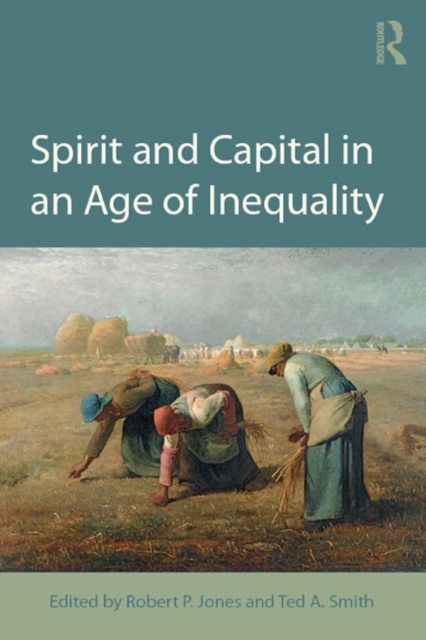
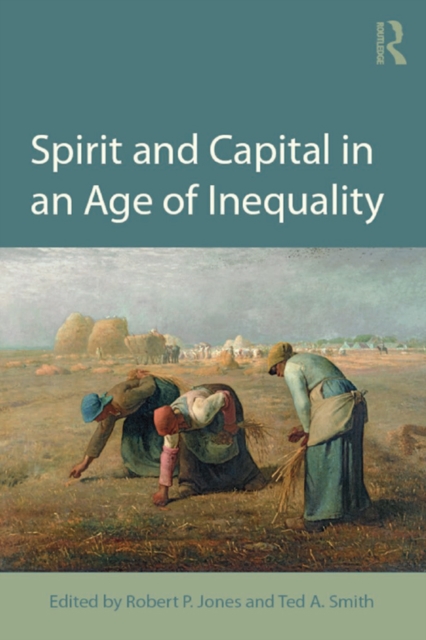
Spirit and Capital in an Age of Inequality brings together a diverse group of scholars, activists and public intellectuals to consider one of the most pressing issues of our time: increasing inequalities of income and wealth that grate against justice and erode the bonds that hold society together.
Spirit and Capital in an Age of Inequality brings together a diverse group of scholars, activists and public intellectuals to consider one of the most pressing issues of our time: increasing inequalities of income and wealth that grate against justice and erode the bonds that hold society together.
Hunger and Poverty in South Africa: The Hidden Faces of Food Insecurity explores food insecurity as an issue of socioeconomic, political, cultural and environmental inequity and inequality.
Hunger and Poverty in South Africa: The Hidden Faces of Food Insecurity explores food insecurity as an issue of socioeconomic, political, cultural and environmental inequity and inequality.
This work proposes a new approach to welfare: a social policy that goes beyond simple income maintenance to foster individual initiative and self-sufficiency.
This work proposes a new approach to welfare: a social policy that goes beyond simple income maintenance to foster individual initiative and self-sufficiency.
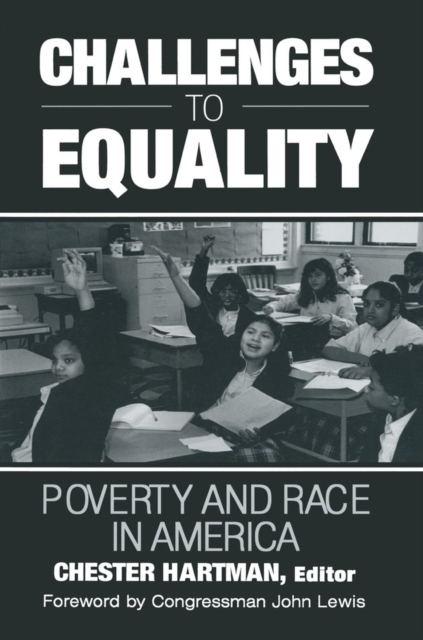
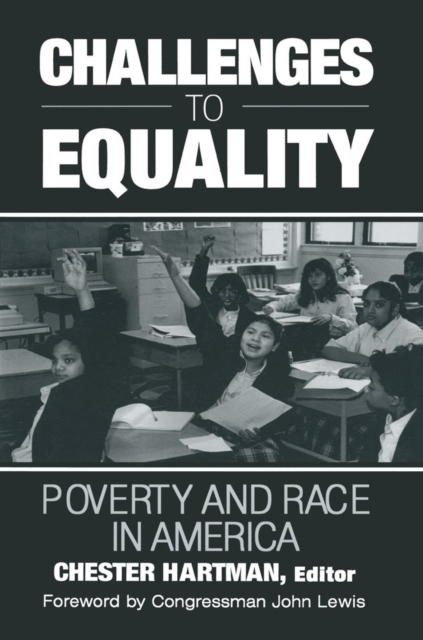
Artioles and symposia on major controversial social issues: integration and civil rights; President Clinton's recent race initiative; poverty; education; the environment; democratic participation; disability rights; corporate welfare; and others.
Artioles and symposia on major controversial social issues: integration and civil rights; President Clinton's recent race initiative; poverty; education; the environment; democratic participation; disability rights; corporate welfare; and others.
Defining Crime explores the limitations of the legal definition of crime, how that politically based definition has shaped criminological research, and why criminologists must redefine crime to include scientific objectivity.
Conventional interpretations of the New Economic Policy introduced in India in 1991 see this program of economic liberalization as transforming the Indian economy and leading to a substantial increase in the rate of India's economic growth.
Conventional interpretations of the New Economic Policy introduced in India in 1991 see this program of economic liberalization as transforming the Indian economy and leading to a substantial increase in the rate of India's economic growth.
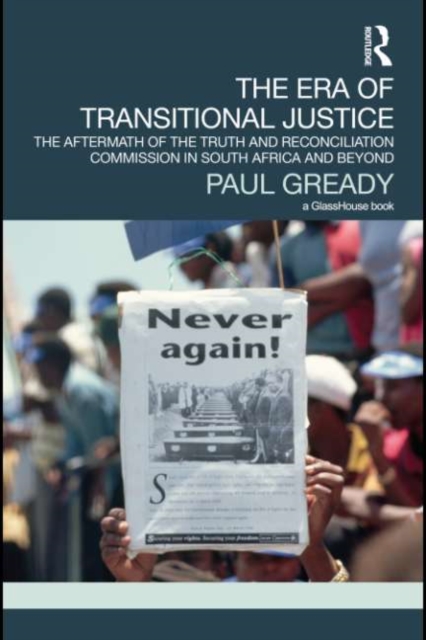
The Era of Transitional Justice explores a broad set of issues raised by political transition and transitional justice through the prism of the South African TRC.
The Era of Transitional Justice explores a broad set of issues raised by political transition and transitional justice through the prism of the South African TRC.
This book debates the emergent proprieties of rural and peri-urban South Africa since land and agrarian reforms were initiated after the transition to democracy in 1994.
This book debates the emergent proprieties of rural and peri-urban South Africa since land and agrarian reforms were initiated after the transition to democracy in 1994.
The studies of poverty, progress and development in this volume, first published in 1991, by a distinguished international roster of authors and researchers, aim to increase knowledge of the social mechanisms of pauperization, marginalization, and the exclusion of certain categories of society; to bring to light the potential and creative role of socio-cultural, intellectual, ethical, moral and spiritual values in progress and the development process; and to examine the links and contradictions between development and progress in order to propose ways of reducing social inequalities.
The studies of poverty, progress and development in this volume, first published in 1991, by a distinguished international roster of authors and researchers, aim to increase knowledge of the social mechanisms of pauperization, marginalization, and the exclusion of certain categories of society; to bring to light the potential and creative role of socio-cultural, intellectual, ethical, moral and spiritual values in progress and the development process; and to examine the links and contradictions between development and progress in order to propose ways of reducing social inequalities.
Tourism and Poverty addresses a critical question facing many academics, governments, aid agencies, tourism organizations, and conservation bodies around the world: can tourism work as a tool to overcome poverty?
Tourism and Poverty addresses a critical question facing many academics, governments, aid agencies, tourism organizations, and conservation bodies around the world: can tourism work as a tool to overcome poverty?
Find out howand whylegislation has made economic rights more important than human rightsSince 1996, politicians and public officials in the United States have celebrated the success of welfare reform legislation despite little, if any, evidence to support their claims.
Find out howand whylegislation has made economic rights more important than human rightsSince 1996, politicians and public officials in the United States have celebrated the success of welfare reform legislation despite little, if any, evidence to support their claims.
This volume brings together ethnographers conducting research on children living in crisis situations in both developing and developed regions, taking a cross-cultural approach that spans different cities in the global North and South to provide insight and analyses into the lifeworlds of their young, at-risk inhabitants.
This volume brings together ethnographers conducting research on children living in crisis situations in both developing and developed regions, taking a cross-cultural approach that spans different cities in the global North and South to provide insight and analyses into the lifeworlds of their young, at-risk inhabitants.
By looking at the link between trade liberalization and pro-poor growth in Nepal, this book explores how a developing and transition economy can attain higher and pro-poor growth along with the ongoing trend of globalization.