The renowned FreewayBlogger, aka Patrick Randall, tells the story of one of his earliest decision to take direct actionhe hears a report of poverty in Mexico, loads up his trusty old VW bus and hits the road with half a ton of clothes, no map, some good tunes and a sense of adventure.
The stakes of the poor in trade policy are large: Free trade can help 500 million people escape poverty and inject $200 billion annually into the economies of developing countries, according to author William R.
With climate change and the environment making headlines on an almost-daily basis, followers of Christ can find themselves asking, "e;What's my role in this?
In 2022, UN Secretary-General Antonio Guterres established the UN Global Crisis Response Group on Food, Energy and Finance (GCRG) to respond to the unprecedented and interconnected food, energy and finance crises in the world.
As millions continue to face a future of food poverty, lessons can be learned by considering how farmer cooperatives succeeded in improving India's food security.
Children and youth, regardless of their ethnic backgrounds, are experiencing lifestyle choices their parents never imagined and contributing to the transformation of ideals, traditions, education and adult child power dynamics.
Beginning this year, federal payment recipients will receive their government benefits through electronic funds transfer (EFT)-- what most of us call direct deposit.
In 1774 Mexico City leaders created the Mexico City Poor House-the centerpiece of a bold experiment intended to eliminate poverty and impose a new work ethic on former beggars by establishing a forcible internment policy for some and putting others to work.
After the Second World War, the idea that local community action was indispensable for the alleviation of poverty was broadly embraced by US policymakers, social scientists, international development specialists, and grassroots activists.
The punitive turn of penal policy in the United States after the acme of the Civil Rights movement responds not to rising criminal insecurity but to the social insecurity spawned by the fragmentation of wage labor and the shakeup of the ethnoracial hierarchy.
"e;Political clientelism"e; is a term used to characterize the contemporary relationships between political elites and the poor in Latin America in which goods and services are traded for political favors.
This collection of essays challenges long-entrenched ideas about the history, nature, and significance of the informal neighborhoods that house the vast majority of Latin America's urban poor.
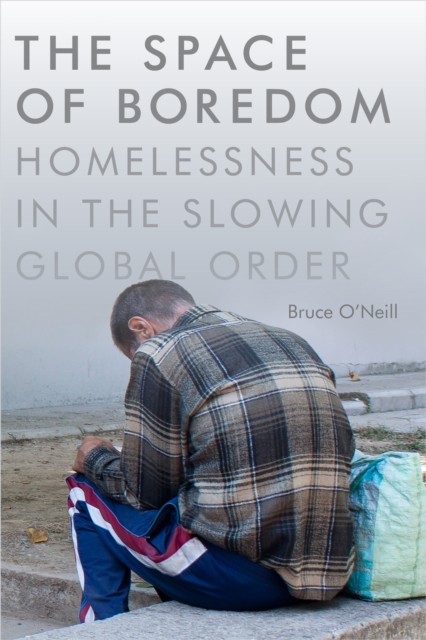
In The Space of Boredom Bruce O'Neill explores how people cast aside by globalism deal with an intractable symptom of downward mobility: an unshakeable and immense boredom.
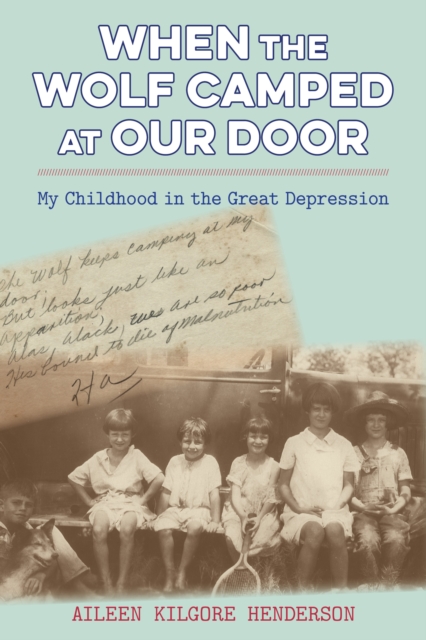
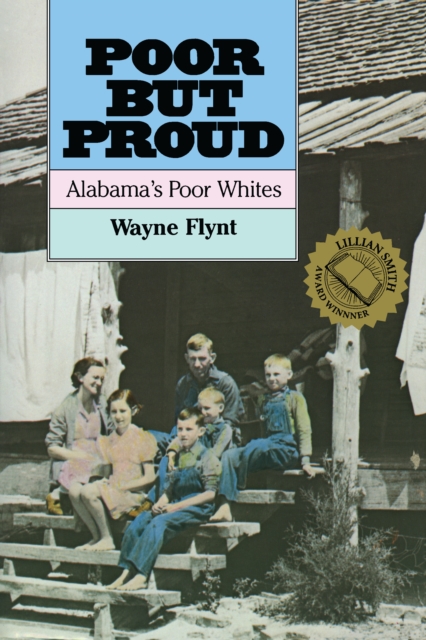
Recounts the hardships and joys the Kilgore family and their neighbors experienced in a close-knit southern rural community during the Great Depression As the Great Depression tightened its grip on the world, six members of the Kilgore family were living in a cramped farmhouse in Brookwood, Alabama.
A study that challenges our notions about citizenship and judgment by considering the place of children in historical and contemporary legal discourse.
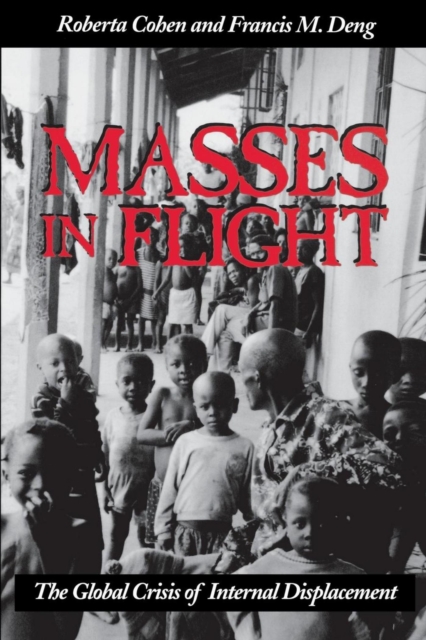
Since the end of the Cold War, increasing numbers of people have been forced to leave their homes as a result of armed conflict, internal strife, and systematic violations of human rights.
For the past three decades, the federal government has targeted the poorest areas of American cities with a succession of antipoverty initiatives, yet these urban neighborhoods continue to decline.
A Brookings Institution Press and Ash Center for Democratic Governance and Innovation publicationThis book is based on a simple concept: no one is in a better position to hold a government accountable than those it governs.
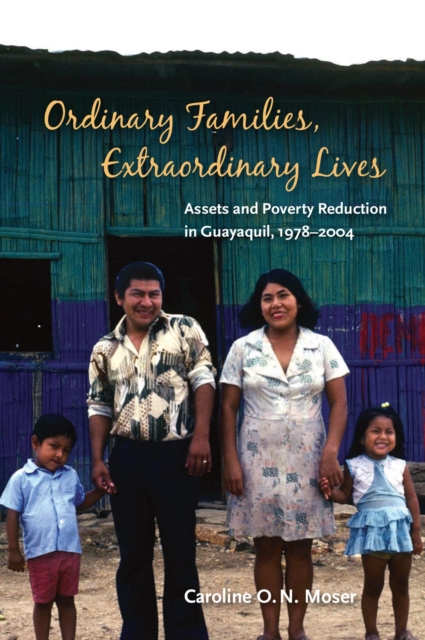
Fifty years after Oscar Lewis's famous depiction of five Mexican families caught in a "e;"e;culture of poverty,"e;"e; Caroline Moser tells a very different story of five neighborhood women and their families strategically accumulating assets to escape poverty in the Ecuadoran city of Guayaquil.
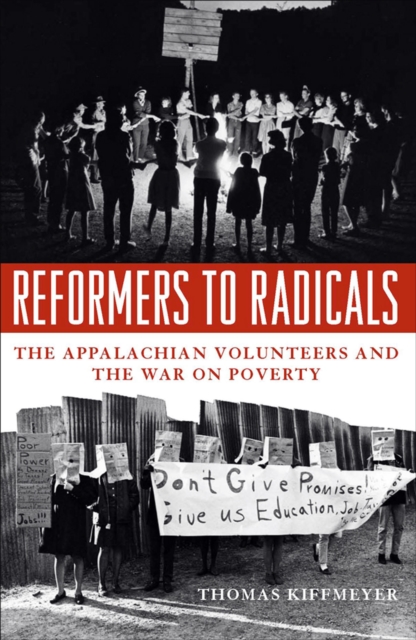
A "e;well researched and vigorously written"e; account of social activism, radical politics, and the failed War on Poverty in 1960s Appalachia (Journal of American History).
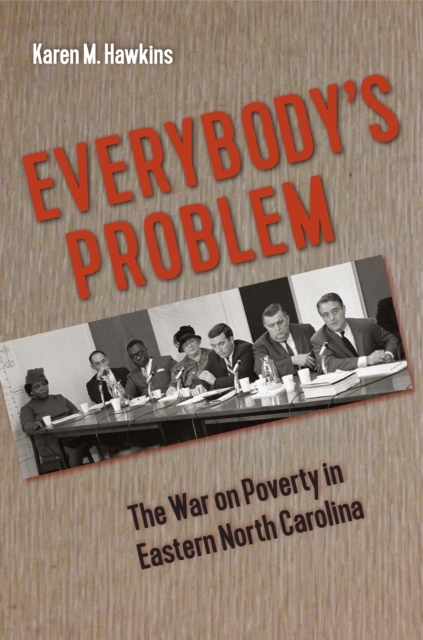
"e;Offers a new interpretation of the war on poverty by demonstrating the centrality of moderate local leadership (both white and black) in launching and operating antipoverty programs.
With the failure of market reform to generate sustained growth in many countries of the Global South, poverty reduction has become an urgent moral and political issue in the last several decades.
Is popular anger about rising inequality propelling China toward a "e;social volcano"e; of protest activity and instability that could challenge Chinese Communist Party rule?