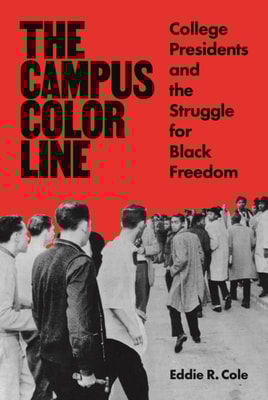
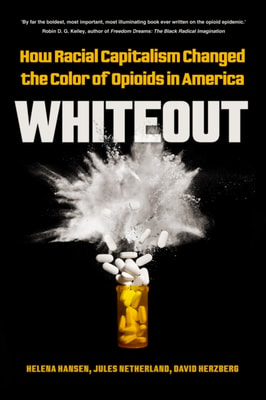
Interweaves the perspectives of school counseling educators with those of practitioners in the trenchesThis foundational text for school counselors-in-training is the only book to have chapters coauthored by counselor educators and practicing school counselors.
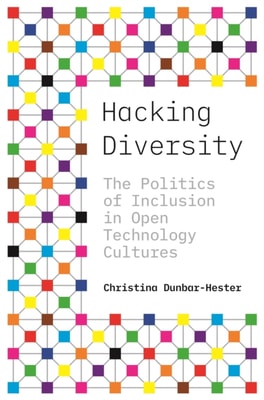
A firsthand look at efforts to improve diversity in software and hackerspace communitiesHacking, as a mode of technical and cultural production, is commonly celebrated for its extraordinary freedoms of creation and circulation.
An expos of patterns of harassment and bias in Hollywood, the grassroots reforms under way, and the labor and activist revolutions that recent scandals have ignited.
'Acutely smart' - Elizabeth Day, author of Magpie'Completely addictive' - Taylor Jenkins Reid, author of Daisy Jones and the Six'Funny, sexy, unafraid, completely unputdownable' - India Knight, author of DarlingAn instantly addictive 'should-they, shouldn't they' romance set against the backdrop of New York during Trump's first presidential campaign.
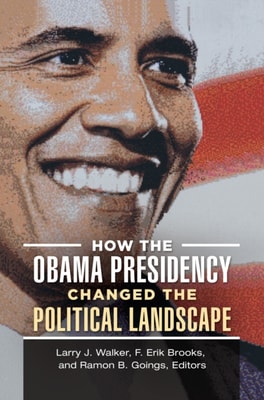
Covering key issues ranging from education to political mobilization to racial stratification, this book provides a comprehensive examination of the Obama Presidency.
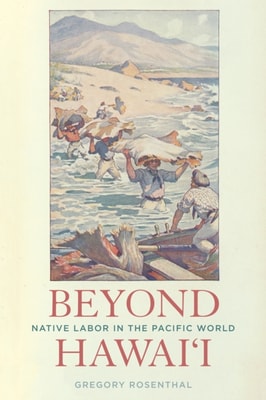
In the century from the death of Captain James Cook in 1779 to the rise of the sugar plantations in the 1870s, thousands ofKanaka Maoli(Native Hawaiian) men left Hawai';i to work on ships at sea and inna';aina ';e(foreign lands)on the Arctic Oceanand throughout the Pacific Ocean, and in the equatorial islands and California.
On Forbes list of 10 Books To Help You Foster A More Diverse And Inclusive WorkplaceHow law, policy, and official state rhetoric have fueled the resurgence of Islamophobiawith a call to action on how to combat it.
Empire's Tracksboldly reframes the history of the transcontinentalrailroad from the perspectives of the Cheyenne, Lakota, and Pawnee Native American tribes, and the Chinese migrants whotoiled on its path.
The Life of Paper offers a wholly original and inspiring analysis of how people facing systematic social dismantling have engaged letter correspondence to remake themselvesfrom bodily integrity to subjectivity and collective and spiritual being.
InThe Chosen Ones, sociologist and feminist scholar Nikki Jones shares the compelling story of a group of Black men living in San Francisco's historically Black neighborhood, the Fillmore.
Beginning after World War I, Houston was transformed from a black-and-white frontier town into one of the most ethnically and racially diverse urban areas in the United States.
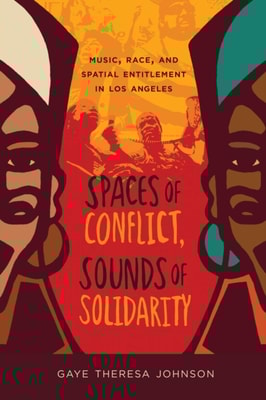
In Spaces of Conflict, Sounds of Solidarity, Gaye Theresa Johnson examines interracial anti-racist alliances, divisions among aggrieved minority communities, and the cultural expressions and spatial politics that emerge from the mutual struggles of Blacks and Chicanos in Los Angeles from the 1940s to the present.
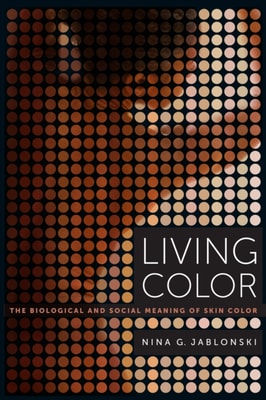
Living Color is the first book to investigate the social history of skin color from prehistory to the present, showing how our body's most visible trait influences our social interactions in profound and complex ways.
The StrategistsBest Books About Asian American Identity,New YorkMagazineThe pioneering Asian American labor organizer and writer's vision for intersectional and anti-racist activism.
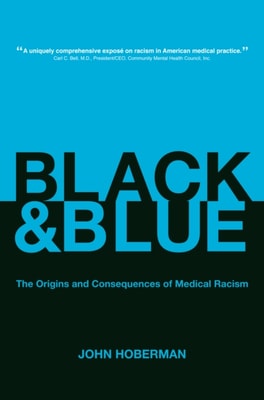
Black & Blue is the first systematic description of how American doctors think about racial differences and how this kind of thinking affects the treatment of their black patients.
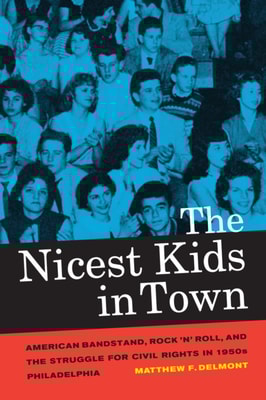
American Bandstand, one of the most popular television shows ever, broadcast from Philadelphia in the late fifties, a time when that city had become a battleground for civil rights.