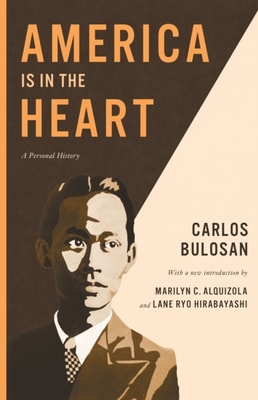
First published in 1943, this classic memoir by well-known Filipino poet Carlos Bulosan describes his boyhood in the Philippines, his voyage to America, and his years of hardship and despair as an itinerant laborer following the harvest trail in the rural West.
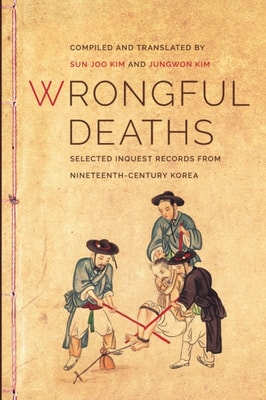
Seventeenth-century Korea was a country in crisissuccessive invasions by Hideyoshi and the Manchus had rocked the Choson dynasty (1392-1910), which already was weakened by maladministration, internecine bureaucratic factionalism, unfair taxation, concentration of wealth, military problems, and other ills.
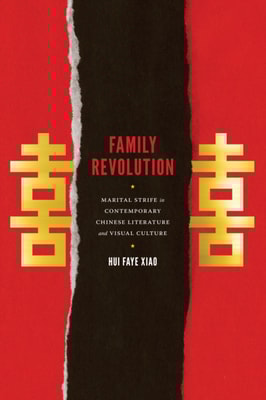
As state control of private life in China has loosened since 1980, citizens have experienced an unprecedented family revolutionan overhaul of family structure, marital practices, and gender relationships.
Ellavut / Our Yup'ik World and Weather is a result of nearly ten years of gatherings among Yup'ik elders to document the qanruyutet (words of wisdom) that guide their interactions with the environment.
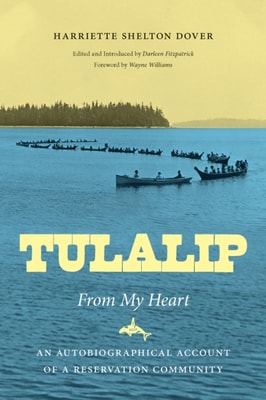
In Tulalip, From My Heart, Harriette Shelton Dover describes her life on the Tulalip Reservation and recounts the myriad problems tribes faced after resettlement.
Puer tea has been grown for centuries in the Six Great Tea Mountains of Yunnan Province, and in imperial China it was a prized commodity, traded to Tibet by horse or mule caravan via the so-called Tea Horse Road and presented as tribute to the emperor in Beijing.
Imperial tombs, Buddhist architecture, palaces, and art treasures in Korea and Japan have attracted scholars, collectors, and conservatorsand millions of tourists.
Despite increasingly nuanced understandings of the neurobiology of addiction and a greater appreciation of the social and economic conditions that allow drug dependency to persist, there remain many unknowns regarding the individual experience of substance abuse and its treatment.
In 1943, University of Washington student Gordon Hirabayashi defied the curfew and mass removal of Japanese Americans on the West Coast, and was subsequently convicted and imprisoned as a result.
The expanding use of money in contemporary Vietnam has been propelled by the rise of new markets, digital telecommunications, and an ideological emphasis on money's autonomy from the state.
Fighting for the Enemy explores the participation of Koreans in the Japanese military and supporting industries before and during World War II, first through voluntary enlistment and eventually through conscription.
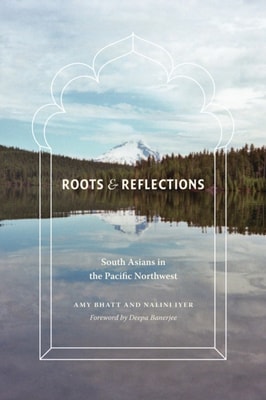
Immigrants from South Asia first began settling in Washington and Oregon in the nineteenth century, but because of restrictions placed on Asian immigration to the United States in the early twentieth century, the vast majority have come to the region since World War II.
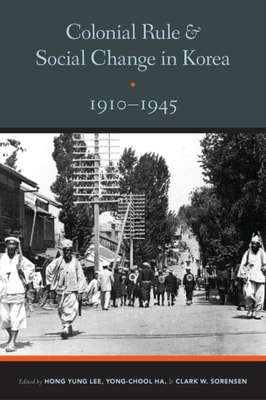
Colonial Rule and Social Change in Korea 1910-1945 highlights the complex interaction between indigenous activity and colonial governance, emphasizing how Japanese rule adapted to Korean and missionary initiatives, as well as how Koreans found space within the colonial system to show agency.
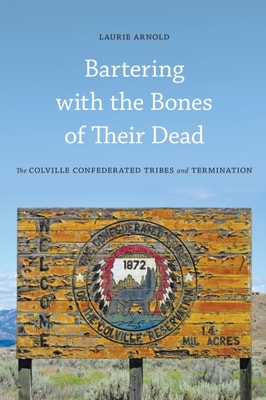
Bartering with the Bones of their Dead tells the unique story of a tribe whose members waged a painful and sometimes bitter twenty-year struggle among themselves about whether to give up their status as a sovereign nation.
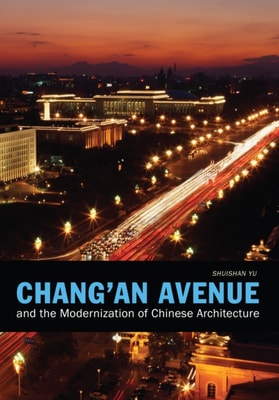
In this interdisciplinary narrative, the never-ending "e;completion"e; of China's most important street offers a broad view of the relationship between art and ideology in modern China.
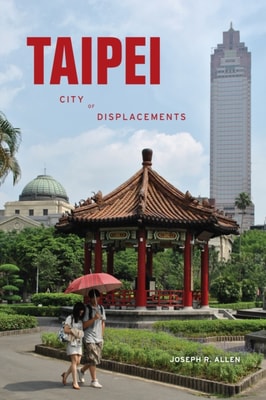
Winner of the Joseph Levenson Post-1900 Book PrizeThis cultural study of public space examines the cityscape of Taipei, Taiwan, in rich descriptive prose.
The vivid imagination, robust humor, and profound sense of place of the Indians of Oregon are revealed in this anthology, which gathers together hitherto scattered and often inaccessible legends originally transcribed and translated by scholars such as Archie Phinney, Melville Jacobs, and Franz Boas.
In contrast to the Lost Generation of youth in the West, who were disoriented and disillusioned by the First World War and its aftermath, the Chinese youth born between 1895 and 1905 not only believed they had a duty to save their nation but pursued their goal through social and political experimentation.
Reading the Fire engages Americas first literatures, traditional Native American tales and legends, as literary art and part of our collective imaginative heritage.
This groundbreaking study of a little-explored branch of American literature both chronicles and reinterprets the variety of patterns found within Hawaiis pastoral and heroic literary traditions, and is unprecedented in its scope and theme.
George Kennan (1845-1924) was a pioneering explorer, writer, and lecturer on Russia in the nineteenth century, the author of classic works such as Tent Life in Siberia and Siberia and the Exile System, and great-uncle of George Frost Kennan, the noted historian and diplomat of the Cold War.
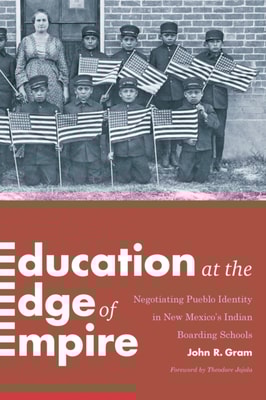
For the vast majority of Native American students in federal Indian boarding schools at the turn of the twentieth century, the experience was nothing short of tragic.
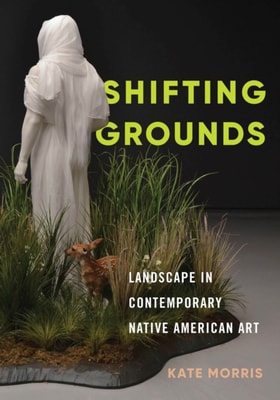
Foregrounds the importance of landscape within twenty-first-century Indigenous artA distinctly Indigenous form of landscape representation is emerging among contemporary Indigenous artists from North America.
From #Gamergate to the 2016 election, to the daily experiences of marginalized perspectives, gaming is entangled with mainstream cultures of systematic exploitation and oppression.
When the US Army Corps of Engineers began planning construction of The Dalles Dam at Celilo Village in the mid-twentieth century, it was clear that this traditional fishing, commerce, and social site of immense importance to Native tribes would be changed forever.
From Lake Coeur dAlene to its confluence with the Columbia, the Spokane River travels 111 miles of varied and often spectacular terrainrural, urban, in places wild.
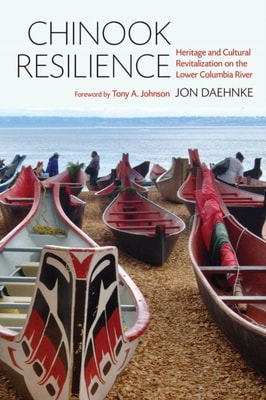
The Chinook Indian Nationwhose ancestors lived along both shores of the lower Columbia River, as well as north and south along the Pacific coast at the rivers mouthcontinue to reside near traditional lands.
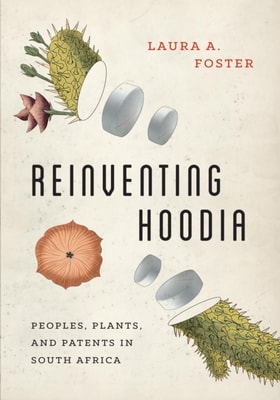
Native to the Kalahari Desert, Hoodia gordonii is a succulent plant known by generations of Indigenous San peoples to have a variety of uses: to reduce hunger, increase energy, and ease breastfeeding.
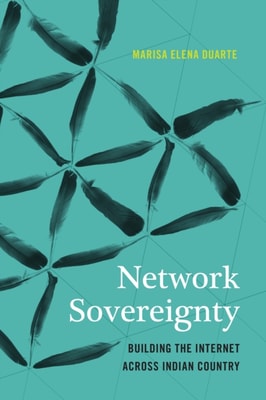
In 2012, the United Nations General Assembly determined that affordable Internet access is a human right, critical to citizen participation in democratic governments.
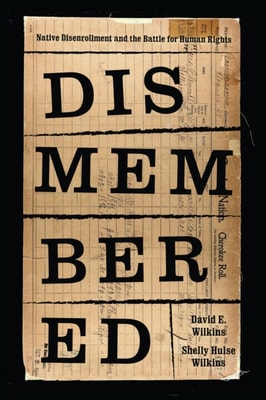
While the number of federally recognized Native nations in the United States are increasing, the population figures for existing tribal nations are declining.
Often when Native nations assert their treaty rights and sovereignty, they are confronted with a backlash from their neighbors, who are fearful of losing control of the natural resources.
Winner of the 2008 Washington State Book Award in History/BiographyThis updated edition of Native Seattle brings the indigenous story to the present day and puts the movement of recognizing Seattle's Native past into a broader context.
In UK society, there are cultural norms and assumptions that affect many marginalised groups and this book aims to address and challenge these through the lens of the people who have lived these experiences.
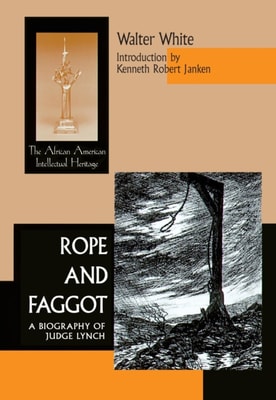
In 1926, Walter White, assistant secretary of the National Association for the Advancement of Colored People, broke the story of a horrific lynching in Aiken, South Carolina, in which three African Americans were murdered while more than one thousand spectators watched.
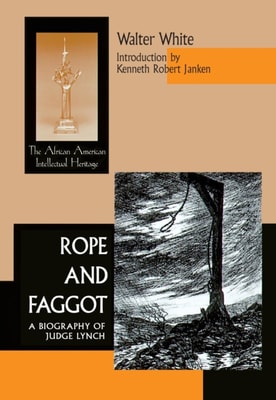
In 1926, Walter White, assistant secretary of the National Association for the Advancement of Colored People, broke the story of a horrific lynching in Aiken, South Carolina, in which three African Americans were murdered while more than one thousand spectators watched.
An examination of Latino/a immigrant farmers as they transition from farmworkers to farm owners that offers a new perspective on racial inequity and sustainable farming.