In contrast to the Lost Generation of youth in the West, who were disoriented and disillusioned by the First World War and its aftermath, the Chinese youth born between 1895 and 1905 not only believed they had a duty to save their nation but pursued their goal through social and political experimentation.
From the first game of the National League of Professional Baseball Clubs on April 22, 1876, tens of thousands of men have played professional sports in the Big Fourbaseball, basketball, football, and hockeymajor professional sports leagues in the United States.
The 50th anniversary edition of this classic work on the art of Northwest Coast Indians now offers color illustrations for a new generation of readers along with reflections from contemporary Northwest Coast artists about the impact of this book.
How American westward expansion was governmentally engineered to promote the formation of a white settler nationWestward expansion of the United States is most conventionally remembered for rugged individualism, geographic isolationism, and a fair amount of luck.
George Kennan (1845-1924) was a pioneering explorer, writer, and lecturer on Russia in the nineteenth century, the author of classic works such as Tent Life in Siberia and Siberia and the Exile System, and great-uncle of George Frost Kennan, the noted historian and diplomat of the Cold War.
During the 2016 presidential campaign millions of voters, concerned about the economic impact of illegal immigration, rallied behind the notion of a border wall between the United States and Mexico.
A major work on the history and culture of Southwest Indians, The Columbia Guide to American Indians of the Southwest tells a remarkable story of cultural continuity in the face of migration, displacement, violence, and loss.
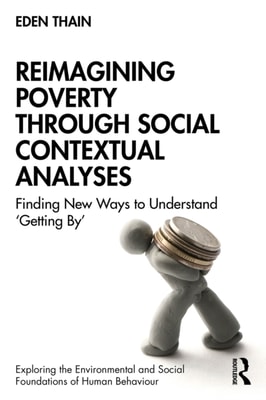
If there was any question before, there is no longer a question today: inequality, discrimination, poverty, and mobility are prominent national issues.
If there was any question before, there is no longer a question today: inequality, discrimination, poverty, and mobility are prominent national issues.
How diversity and difference strengthen democracy and increase prosperityIt is clear that in our society today, issues of diversity and social connectedness remain deeply unresolved and can lead to crisis and instability.
How high energy consumption transformed postwar Phoenix and deepened inequalities in the American SouthwestIn 1940, Phoenix was a small, agricultural city of sixty-five thousand, and the Navajo Reservation was an open landscape of scattered sheepherders.
A groundbreaking exploration of how race in America is being redefinedThe American racial order-the beliefs, institutions, and practices that organize relationships among the nation's races and ethnicities-is undergoing its greatest transformation since the 1960s.
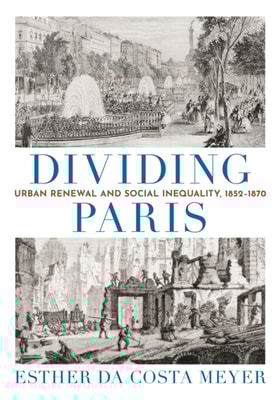
A groundbreaking work of scholarship that sheds critical new light on the urban renewal of Paris under Napoleon IIIIn the mid-nineteenth century, Napoleon III and his prefect, Georges-Eugene Haussmann, adapted Paris to the requirements of industrial capitalism, endowing the old city with elegant boulevards, an enhanced water supply, modern sewers, and public greenery.
While their attempts to understand the workings of capitalism led them to the conclusion that the advanced societies of Western Europe were those most likely to be the setting for a successful socialist revolution, Marx and Engels by no means ignored developments outside this region.
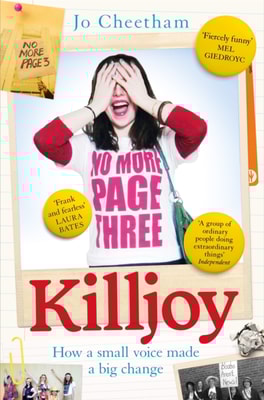
Fearne Cotton's Happy Place Book Club PickThe uplifting and incredible true story of the No More Page 3 campaign and the unlikely everyday women who made a generational change possible.
Neue Übersetzung ins Deutsche:Bondage and My Freedom ist eine autobiografische Sklavengeschichte von Frederick Douglass, die 1855 veröffentlicht wurde.
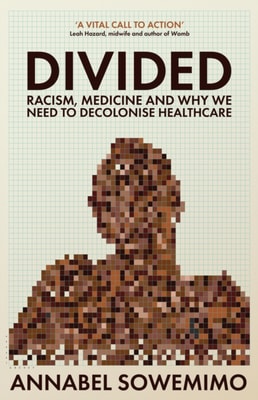
WINNER OF THE BREAD & ROSES PRIZE FOR RADICAL PUBLISHING 2024SHORTLISTED FOR THE BRITISH ACADEMY BOOK PRIZE 2024A FINALIST FOR THE ORWELL PRIZE FOR POLITICAL WRITING 2023A FINANCIAL TIMES BEST SUMMER BOOK OF 2023 'Important and ambitious' Observer, Book of the Day 'An illuminating and powerful intersectional analysis of health inequalities and racism' i-D Magazine'Prepare to be blown away' Chikwe Ihekweazu, Assistant Director General at WHOIn the wake of the Covid-19 pandemic, we are all too aware of the urgent health inequalities that plague our world.
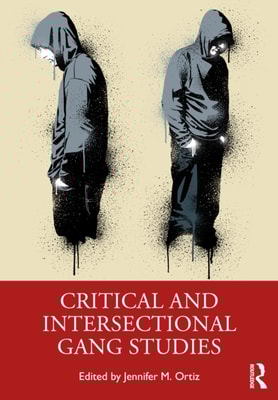
This book offers a critical and empirical examination of gang life, using an intersectional framework considering race, class, gender, and other characteristics.
The root of all inequality is the process of othering - and its solution is the practice of belonging We all yearn for connection and community, but we live in a time when calls for further division along the well-wrought lines of religion, race, ethnicity, caste, and sexuality are pervasive.
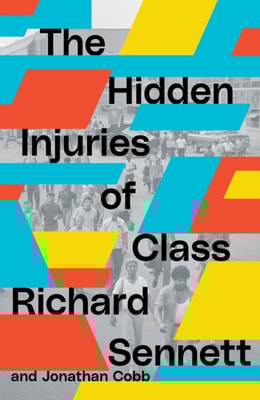
In this reissue of the 1972 classic of social anatomy, Richard Sennets adds a new introduction to shows how the injuries of class persist into the 21st century.
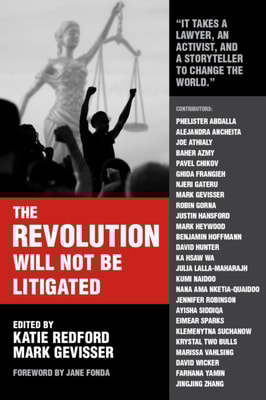
Written from the maxim it takes a lawyer, an activist, and a storyteller to change the world,The Revolution Will Not Be Litigatedshows how the law and social movements can reinforce each other in the struggle for justice and freedom.
This book explores attitudes towards migrants and refugees from North Africa and the Middle East during the so-called migration crisis in 2015-2016 in Poland.
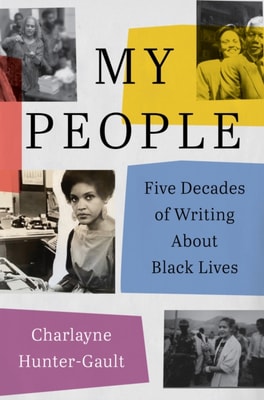
Charlayne Hunter-Gault is an eminent Dean of American journalism, a vital voice whose work chronicled the civil rights movement and so much of what has transpired since then.
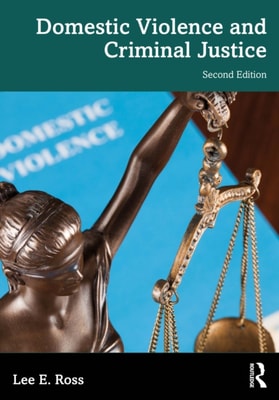
Domestic Violence and Criminal Justice, Second Edition, offers readers an overview of domestic violence and its effects on society and includes helpful measures to curtail its rapid growth and widespread harm.
This edited volume reflects on the profound effort undertaken by artists to contest settler denial and amnesia to disclose Australia's foundations in racialised violence and land theft.
This book explores how Latin American young people engage with nostalgia and grasp a sense of nostalgic representations of the 1970s and 1980s through contemporary media.