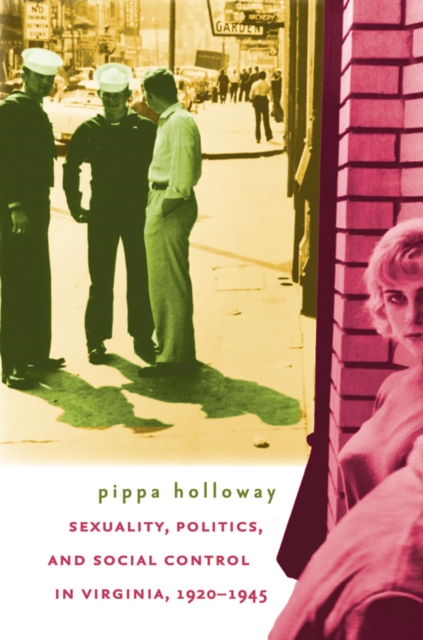
In the first half of the twentieth century, white elites who dominated Virginia politics sought to increase state control over African Americans and lower-class whites, whom they saw as oversexed and lacking sexual self-restraint.
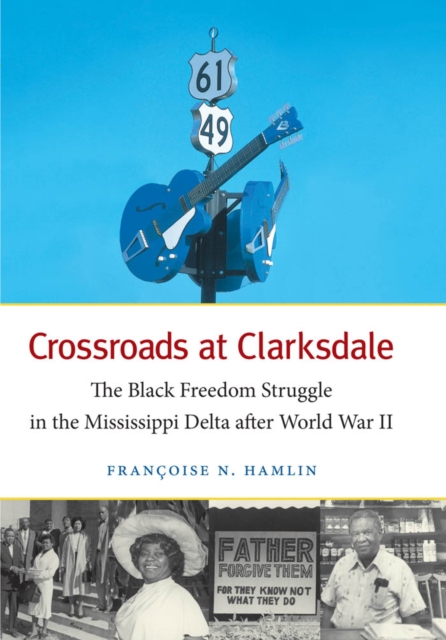
Weaving national narratives from stories of the daily lives and familiar places of local residents, Franoise Hamlin chronicles the slow struggle for black freedom through the history of Clarksdale, Mississippi.
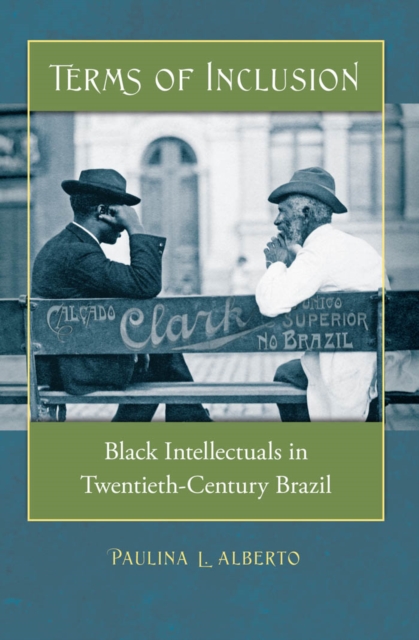
In this history of black thought and racial activism in twentieth-century Brazil, Paulina Alberto demonstrates that black intellectuals, and not just elite white Brazilians, shaped discourses about race relations and the cultural and political terms of inclusion in their modern nation.
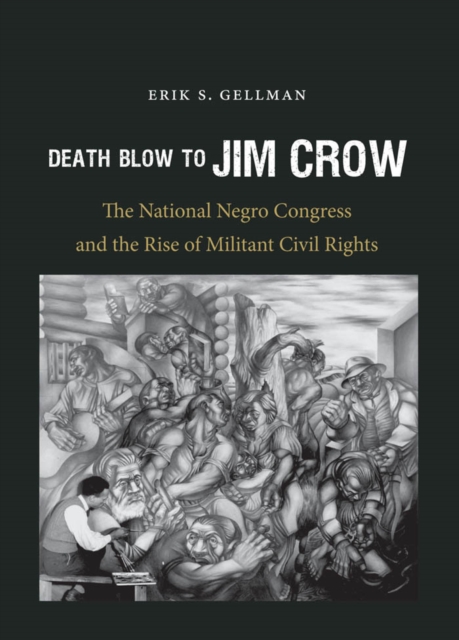
During the Great Depression, black intellectuals, labor organizers, and artists formed the National Negro Congress (NNC) to demand a second emancipation in America.
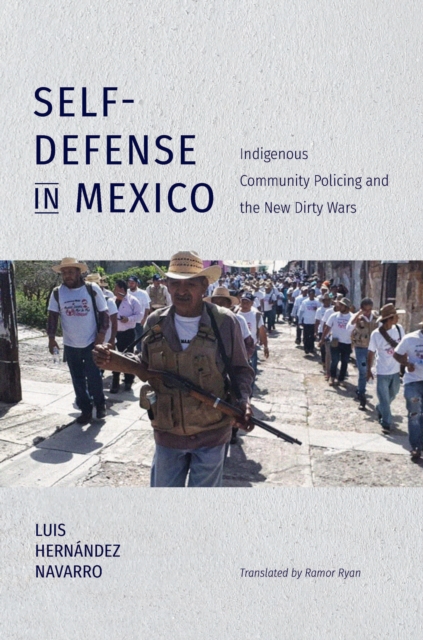
In Mexico and across other parts of Latin America local Indigenous peoples have built community policing groups as a means of protection where the state has limited control over, and even complicity in, crime and violence.
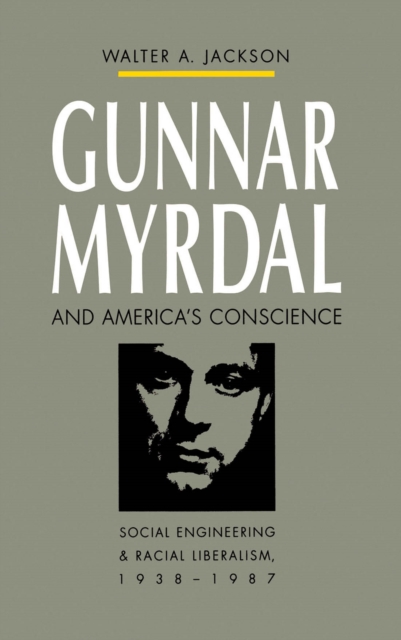
Gunnar Myrdals An American Dilemma (1944) influenced the attitudes of a generation of Americans on the race issue and established Myrdal as a major critic of American politics and culture.
According to Michael Barkun, many white supremacist groups of the radical right are deeply committed to the distinctive but little-recognized religious position known as Christian Identity.
Most histories of the Civil War era portray the struggle over slavery as a conflict that exclusively pitted North against South, free labor against slave labor, and black against white.
A Child-Centred New World Order: People Power for Justice, Inclusion, and Equity presents a compelling vision for a more just and peaceful world—one built around the rights, dignity, and well-being of children.
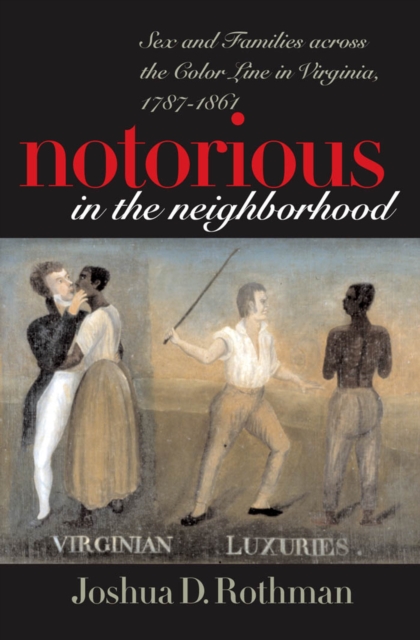
Laws and cultural norms militated against interracial sex in Virginia before the Civil War, and yet it was ubiquitous in cities, towns, and plantation communities throughout the state.
The Handbook of Justice, Equity, Diversity and Inclusion in Tourism arrives at a time when movements for equity, diversity and inclusion (EDI) are increasingly under threat.
Healthcare for older people tends to focus on physical limitations and cognitive decline, and the person's own perspective and strengths are often overlooked.
In this history of black thought and racial activism in twentieth-century Brazil, Paulina Alberto demonstrates that black intellectuals, and not just elite white Brazilians, shaped discourses about race relations and the cultural and political terms of inclusion in their modern nation.
In the first half of the twentieth century, white elites who dominated Virginia politics sought to increase state control over African Americans and lower-class whites, whom they saw as oversexed and lacking sexual self-restraint.
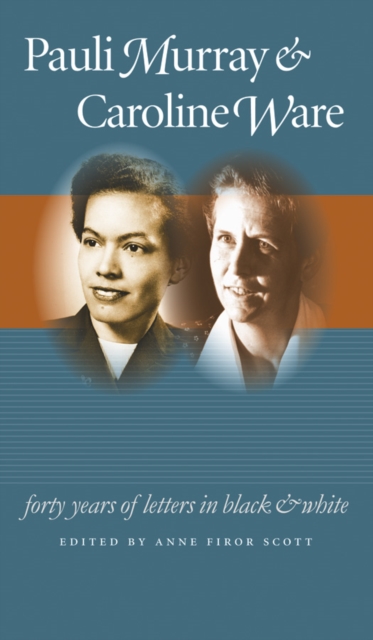
In 1942 Pauli Murray, a young black woman from North Carolina studying law at Howard University, visited a constitutional law class taught by Caroline Ware, one of the nations leading historians.
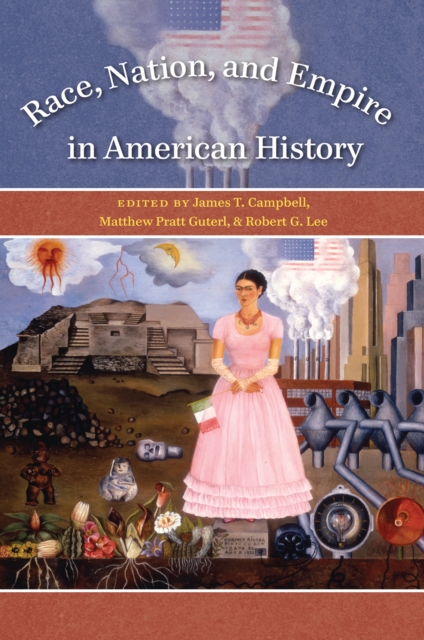
While public debates over Americas current foreign policy often treat American empire as a new phenomenon, this lively collection of essays offers a pointed reminder that visions of national and imperial greatness were a cornerstone of the new country when it was founded.
During the Great Depression, black intellectuals, labor organizers, and artists formed the National Negro Congress (NNC) to demand a second emancipation in America.
Weaving national narratives from stories of the daily lives and familiar places of local residents, Franoise Hamlin chronicles the slow struggle for black freedom through the history of Clarksdale, Mississippi.
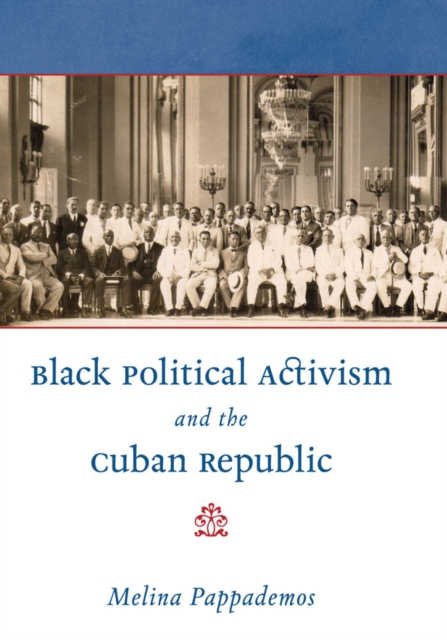
While it was not until 1871 that slavery in Cuba was finally abolished, African-descended people had high hopes for legal, social, and economic advancement as the republican period started.
Laws and cultural norms militated against interracial sex in Virginia before the Civil War, and yet it was ubiquitous in cities, towns, and plantation communities throughout the state.
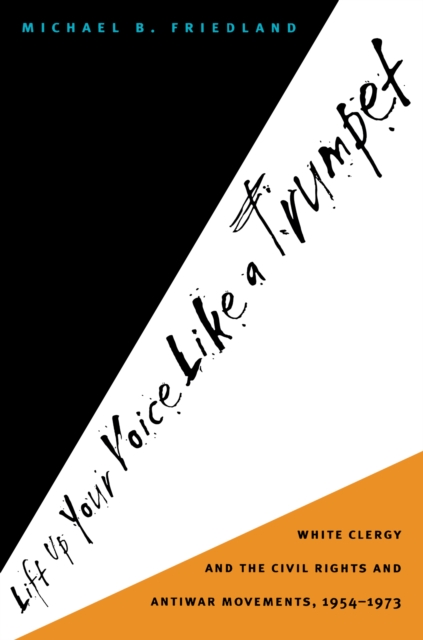
When the Supreme Court declared in 1954 that segregated publicschools were unconstitutional, the highest echelons ofProtestant, Catholic, and Jewish religious organizationsenthusiastically supported the ruling, and black civil rightsworkers expected and actively sought the cooperation of theirwhite religious cohorts.
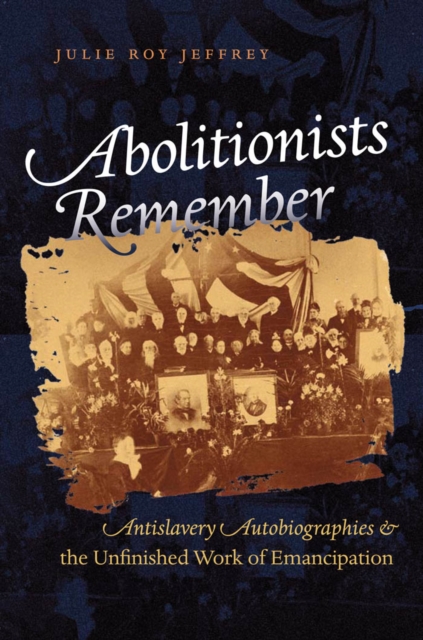
In Abolitionists Remember, Julie Roy Jeffrey illuminates a second, little-noted antislavery struggle as abolitionists in the postwar period attempted to counter the nations growing inclination to forget why the war was fought, what slavery was really like, and why the abolitionist cause was so important.
While public debates over Americas current foreign policy often treat American empire as a new phenomenon, this lively collection of essays offers a pointed reminder that visions of national and imperial greatness were a cornerstone of the new country when it was founded.