How concentrated economic and political power in America protects elites and fosters violence of all kinds The United States is an exceptionally violent country, increasingly unable or unwilling to stem violence in its many forms.
How concentrated economic and political power in America protects elites and fosters violence of all kinds The United States is an exceptionally violent country, increasingly unable or unwilling to stem violence in its many forms.
This text offers a compendium of knowledge and perspectives from leading researchers dedicated to examining various forms of racism and their distinctions and impact on racial groups.
Radically rethink how you work with Autistic and ADHD clients with this comprehensive and compassionate guide to neurodivergent affirming therapeutic practice.
Radically rethink how you work with Autistic and ADHD clients with this comprehensive and compassionate guide to neurodivergent affirming therapeutic practice.
The shocking story of how PFAS, the ';forever chemicals' found in everyday household products, poisoned an entire nationPoisoning the Well draws on original, shoe-leather reporting in four highly contaminated towns and damning documents from the polluters' own files to trace an ugly history of corporate greed and devastated human lives.
The shocking story of how PFAS, the ';forever chemicals' found in everyday household products, poisoned an entire nationPoisoning the Well draws on original, shoe-leather reporting in four highly contaminated towns and damning documents from the polluters' own files to trace an ugly history of corporate greed and devastated human lives.
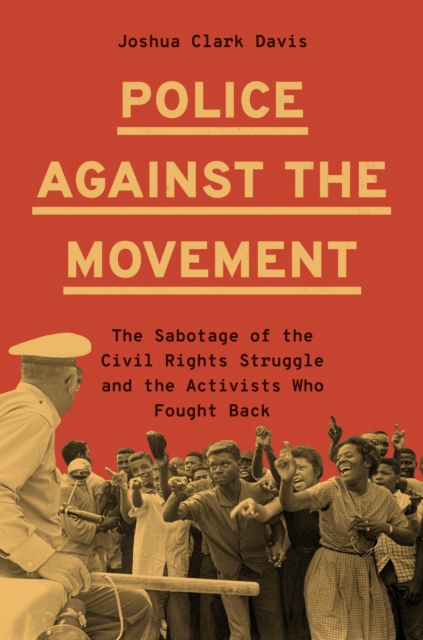
A bold retelling of the 1960s civil rights struggle through its work against police violenceand a prehistory of both the Black Lives Matter and Blue Lives Matter movements that emerged half a century laterPolice Against the Movement shatters one of the most pernicious myths about the 1960s: that the civil rights movement endured police violence without fighting it.
A bedrock American principle is the idea that all individuals should have the opportunity to succeed on the basis of their own effort, skill, and ingenuity.
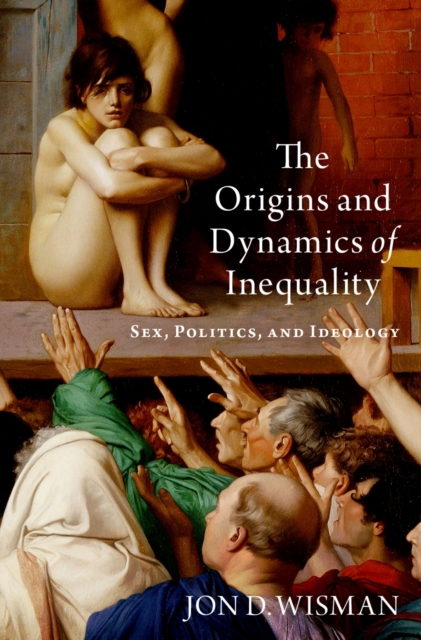
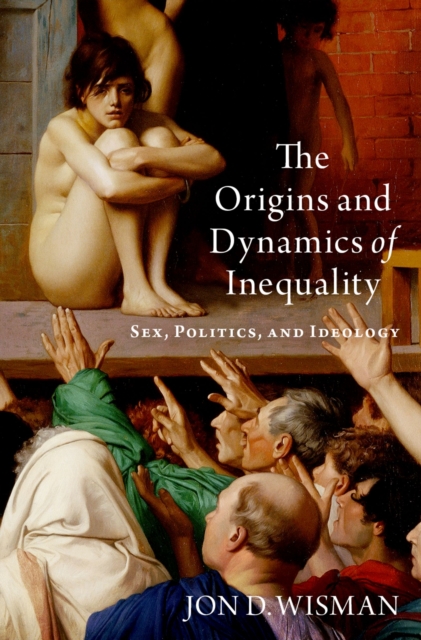
Argues that the struggle over income, wealth, status and privilege-inequality-has been the principal, defining issue in human history and provides a novel framework for understanding inequality todayWhereas President Barack Obama declared inequality as the defining issue of our time, in The Origins and Dynamics of Inequality, Jon D.
Argues that the struggle over income, wealth, status and privilege-inequality-has been the principal, defining issue in human history and provides a novel framework for understanding inequality todayWhereas President Barack Obama declared inequality as the defining issue of our time, in The Origins and Dynamics of Inequality, Jon D.
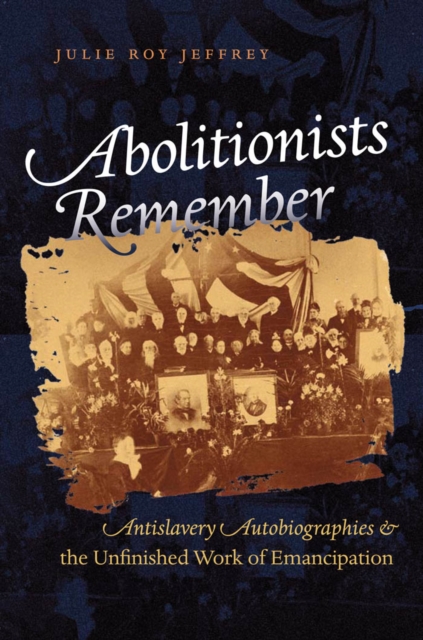
In Abolitionists Remember, Julie Roy Jeffrey illuminates a second, little-noted antislavery struggle as abolitionists in the postwar period attempted to counter the nations growing inclination to forget why the war was fought, what slavery was really like, and why the abolitionist cause was so important.
A bedrock American principle is the idea that all individuals should have the opportunity to succeed on the basis of their own effort, skill, and ingenuity.
Most histories of the Civil War era portray the struggle over slavery as a conflict that exclusively pitted North against South, free labor against slave labor, and black against white.
Gunnar Myrdals An American Dilemma (1944) influenced the attitudes of a generation of Americans on the race issue and established Myrdal as a major critic of American politics and culture.
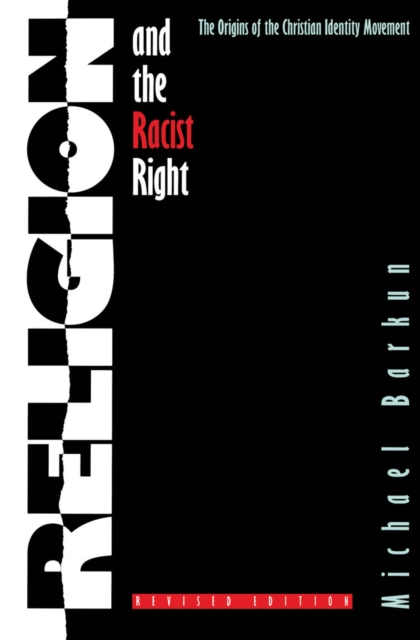
According to Michael Barkun, many white supremacist groups of the radical right are deeply committed to the distinctive but little-recognized religious position known as Christian Identity.
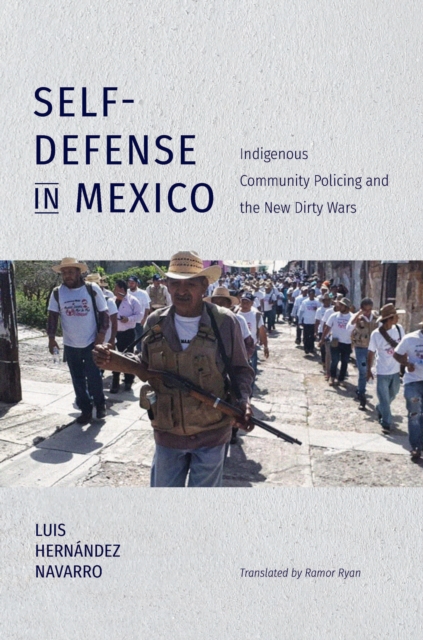
In Mexico and across other parts of Latin America local Indigenous peoples have built community policing groups as a means of protection where the state has limited control over, and even complicity in, crime and violence.
A bold retelling of the 1960s civil rights struggle through its work against police violenceand a prehistory of both the Black Lives Matter and Blue Lives Matter movements that emerged half a century laterPolice Against the Movement shatters one of the most pernicious myths about the 1960s: that the civil rights movement endured police violence without fighting it.
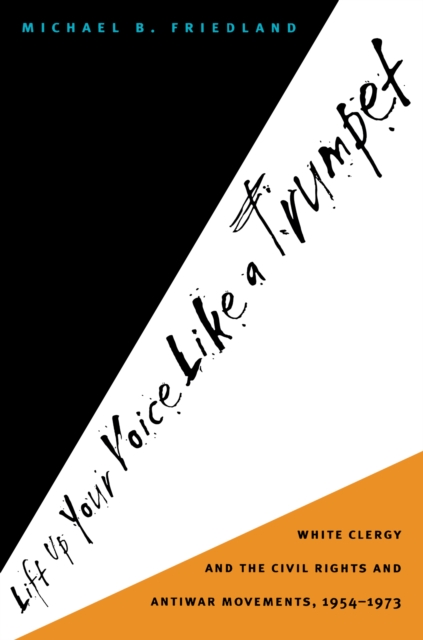
When the Supreme Court declared in 1954 that segregated publicschools were unconstitutional, the highest echelons ofProtestant, Catholic, and Jewish religious organizationsenthusiastically supported the ruling, and black civil rightsworkers expected and actively sought the cooperation of theirwhite religious cohorts.
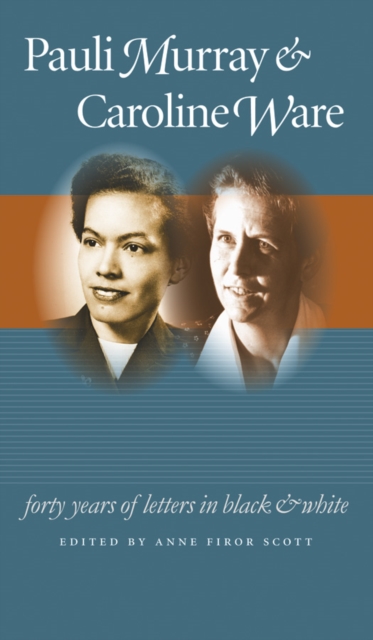
In 1942 Pauli Murray, a young black woman from North Carolina studying law at Howard University, visited a constitutional law class taught by Caroline Ware, one of the nations leading historians.