"e;Claims about genetic superiority ignore the real drivers of human inequality"e;, The Conversation, by Robert Chernomas and Ian HudsonBiological justification for all forms of inequality has a long history, with the claim that particular groups suffer disproportionately from inherited flaws of ability and character used to explain a remarkably wide variety of inequalities.
Training and Promotion in Nationalised Industry (1951) is the results of a study made into the personnel department and into certain aspects of personnel policy in the nationalised coal, electricity, gas, transport and airways industries in postwar Britain.
Planning and Productivity in Sweden (1976) examines the success of Sweden's economy and working arrangements, detailing how a resource-poor nation came to achieve such high living standards.
Asakawa, Hashimoto and Hirahara explores the widening inequality and its social consequences in Tokyo Metropolitan area by using two approaches, one from social class and social stratification theory and the other from urban sociology.
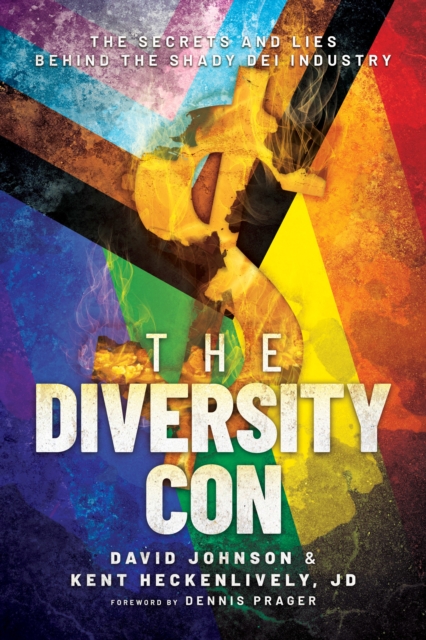
Diversity, equity, inclusion, antiracism, critical race theory, queer theory—terms that were rarely discussed as recently as a decade ago have now become focal points of American politics and culture.
Quan Simone de Beauvoir va publicar 'El segon sexe' (1949) va emprar com a epígraf una frase de 'Sobre la igualtat dels dos sexes' (1673), obra que reconeix explícitament com a referent del feminisme: «Tot el que n'hagen dit els homes [de les dones] ha de ser sospitós, perquè són jutges i part».
Originally published in 1983, reissued here with a new preface, Tales Out of School presents the experience of seventy young people from different parts of the country, most of whom left school at sixteen and are now either in work, unemployed or in the twilight world of the Youth Opportunities Programme.
"e;Now more than ever, young Americans need to know that internationalism and solidarity with anticolonial struggles in the Global South have a deep history in the American Left, especially the Black Left.
First published in 1941, the original blurb read: "e;Women have been among the worst sufferers not only in war-time but in every ill-organized time of peace.
From Texas sugar cane fields, Ivy League halls to Hyeseung Song's homeland of South Korea and back again, this memoir is a journey through identity crises, mental health struggles and the quest for selfhood.
Diversity Without Divisiveness: A Guide to DEI Practice for K-12 Educators provides frameworks and tools to help you move beyond the buzzwords and truly practice DEI by fostering a shared vision for inclusive education.
The material presented in this six-volume set moves away from courtly etiquette, adopting a more middle-class, domestic focus, and includes facsimile reproductions of sermons, poems, narratives and cookery books.
This collection focuses on social awareness and critical language awareness with the goal of enlightening and empowering multilingual and multicultural communities across the U.
First published in 1941, the original blurb read: "e;Women have been among the worst sufferers not only in war-time but in every ill-organized time of peace.
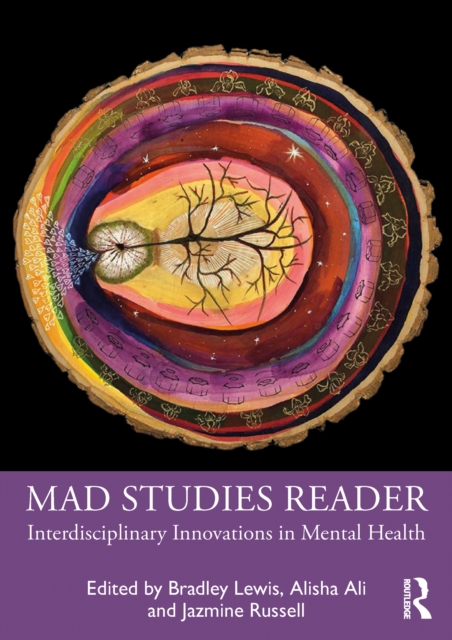
The last few years have brought increased writings from activists, artists, scholars, and concerned clinicians that cast a critical and constructive eye on psychiatry, mental health care, and the cultural relations of mental difference.
This book highlights the intimate connection between racial/ethnic equity and school and community safety, the consequences of current inequities, and establishes the way forward in terms of future research, policy, and practice.
Originally published in 1986, White Bolts, Black Locks was a major contribution to the national debate about racism, racial justice and the relationships between the white and black British.
Drawing from original research and recent developments in theory, Researching Social Inequalities in Higher Education brings together insights from multiple national contexts and phases to consider a diverse range of equity issues in higher education.
This volume uses interviews and narratives data from self-identified Black women reflecting on their childhood in the Canadian public school system, to explore voice and agency, girlhood, and identity in Canada's elementary schools.
This book criticizes recent performative solutions to racism ("e;diversity"e; programs at universities, for example) and White people's "e;Fragility"e; or intolerance of mature criticism.
Traditionally, the most socially and academically selective UK universities expected students to move from the family home to the institution during term time.
Quan Simone de Beauvoir va publicar 'El segon sexe' (1949) va emprar com a epígraf una frase de 'Sobre la igualtat dels dos sexes' (1673), obra que reconeix explícitament com a referent del feminisme: «Tot el que n'hagen dit els homes [de les dones] ha de ser sospitós, perquè són jutges i part».
When Jodi Bondi Norgaard, an experienced entrepreneur, attempted to shake-up the toy industry with a sports doll that appeals to today's more athletic, adventurous girls, she came to realize the roadblocks to success weren't only reluctant toy buyers, but a patriarchal culture that perpetuates gender roles and sexism.
The Agenda for Social Justice 3: Solutions for 2024 provides accessible insights into some of the most pressing social problems and proposes public policy responses to those problems.