Challenging traditional histories of abolition, this book shifts the focus away from the East to show how the women of Ohio, Indiana, Illinois, Michigan, and Wisconsin helped build a vibrant antislavery movement in the Old Northwest.
In this fascinating cultural history of interracial marriage and its legal regulation in the United States, Fay Botham argues that religion--specifically, Protestant and Catholic beliefs about marriage and race--had a significant effect on legal decisions concerning miscegenation and marriage in the century following the Civil War.
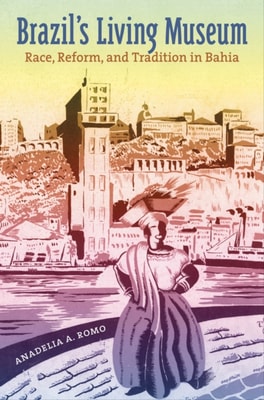
Brazil's northeastern state of Bahia has built its economy around attracting international tourists to what is billed as the locus of Afro-Brazilian culture and the epicenter of Brazilian racial harmony.
From his obsession with the founding principles of the United States to his cold-blooded killings in the battle over slavery's expansion, John Brown forced his countrymen to reckon with America's violent history, its checkered progress toward racial equality, and its resistance to substantive change.
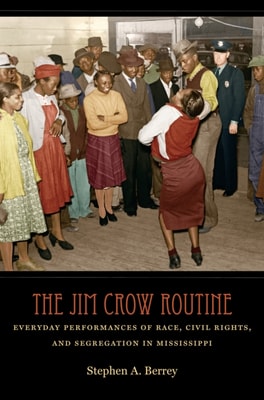
The South's system of Jim Crow racial oppression is usually understood in terms of legal segregation that mandated the separation of white and black Americans.
Environmental Strategic Communication: Advocacy, Persuasion, and Public Relations equips readers with the concepts, contexts, and practical tools to become effective environmental communicators across nonprofit, corporate, and government sectors.
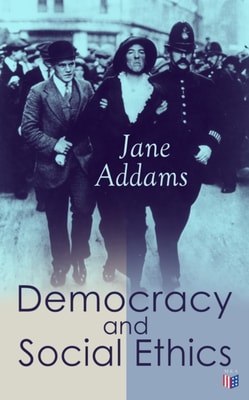
It is well to remind ourselves, from time to time, that "e;Ethics"e; is but another word for "e;righteousness,"e; that for which many men and women of every generation have hungered and thirsted, and without which life becomes meaningless.
In this true story set in the 1970s, youll look through the eyes of then 14-year-old Kevin Purcell, whos now a professional advertising writer, as he watches his perfect childhood neighborhood turn into a racial battleground, where two young kids are stabbed to death, including one of Kevins friends.
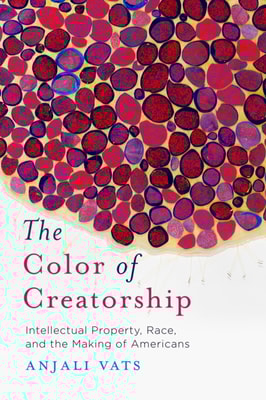
The Color of Creatorship examines how copyright, trademark, and patent discourses work together to form American ideals around race, citizenship, and property.
ECONORACISM:The Next Great Divide examines the current social strife, unrest, and dissatisfaction occurring throughoutthe world as the physical manifestation of an economic class struggle masquerading as racial discrimination.
For decades the most frightening example of bigotry and hatred in America, the Ku Klux Klan has usually been seen as a rural and small-town product-an expression of the decline of the countryside in the face of rising urban society.
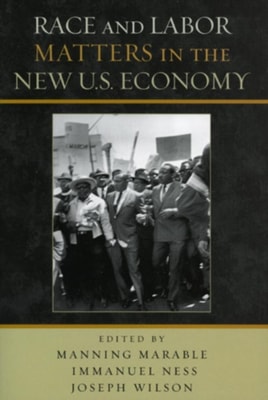
In this powerful new work, Marable, Ness, and Wilson maintain that contrary to the popular hubris about equality, race is entrenched and more divisive than any time since the Civil Rights Movement.
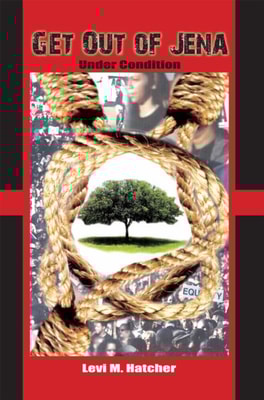
Get Out Of Jena takes a look into the conditions that makes for racial divides to persist in any modern day American society that refuses to acknowledge the contributions that any race makes to that society.
This is the story of the lineage of Boxings World Heavyweight Championship from 1882-1915 and how it explains a cultural attitude toward race and identity in that era.
The nineteenth-century history of the Church of Jesus Christ of Latter-day Saints, Max Perry Mueller argues, illuminates the role that religion played in forming the notion of three "e;original"e; American racesred, black, and whitefor Mormons and others in the early American Republic.
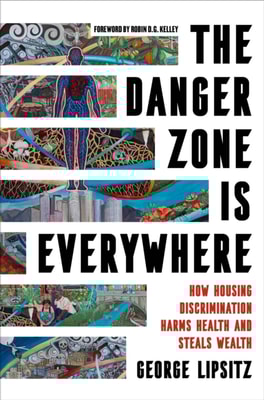
Compellingly argues that good health is as much social as it is biological, and that the racial health gap and the racial wealth gap are mutually constitutive.
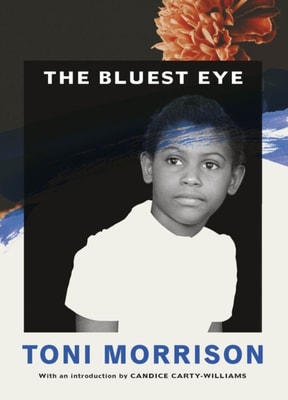
Read the searing first novel from the celebrated author of Beloved, which immerses us in the tragic, torn lives of a poor black family in post-Depression 1940s Ohio.
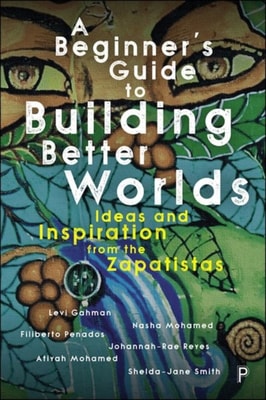
This ambitious book offers radical alternatives to conventional ways of thinking about the planet's most pressing challenges, ranging from alienation and exploitation to state violence and environmental injustice.
This ambitious book offers radical alternatives to conventional ways of thinking about the planet's most pressing challenges, ranging from alienation and exploitation to state violence and environmental injustice.