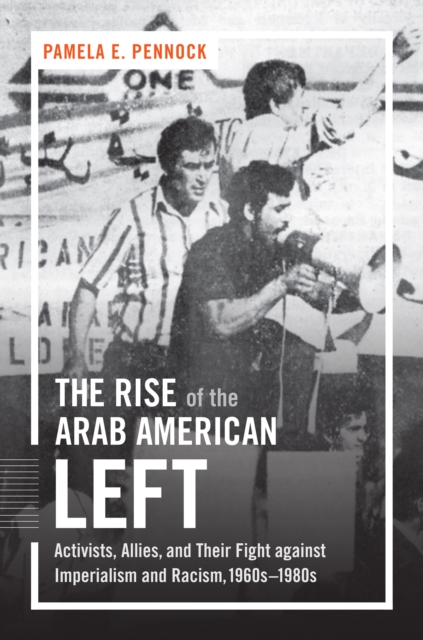
In this first history of Arab American activism in the 1960s, Pamela Pennock brings to the forefront one of the most overlooked minority groups in the history of American social movements.
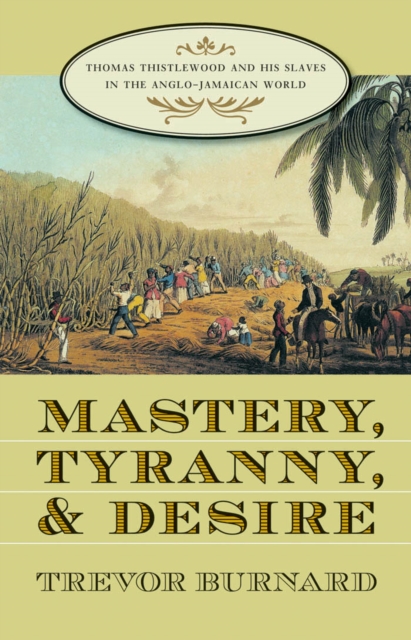
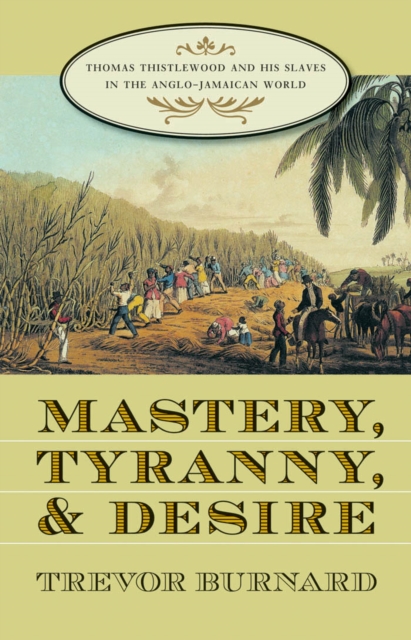
Eighteenth-century Jamaica, Britains largest and most valuable slave-owning colony, relied on a brutal system of slave management to maintain its tenuous social order.
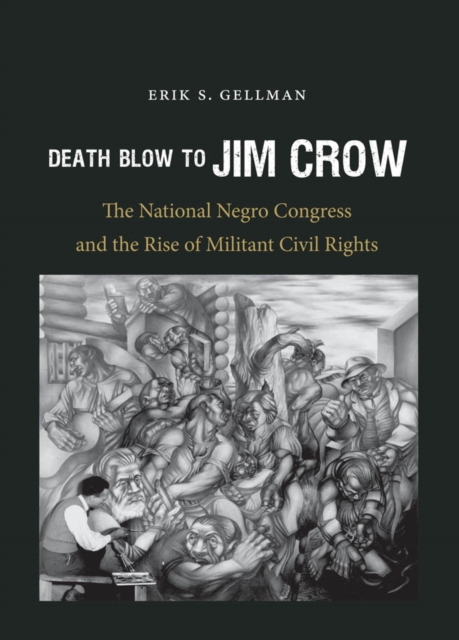
During the Great Depression, black intellectuals, labor organizers, and artists formed the National Negro Congress (NNC) to demand a second emancipation in America.
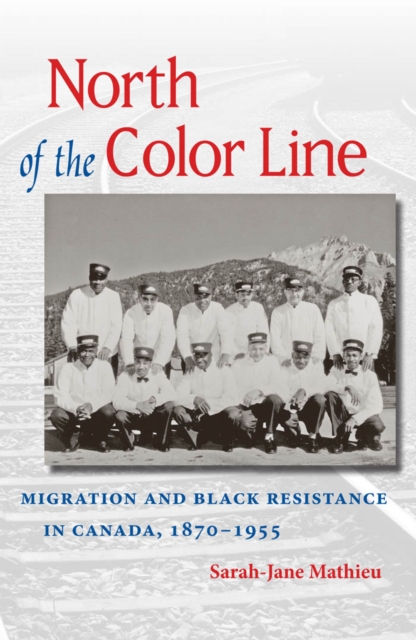
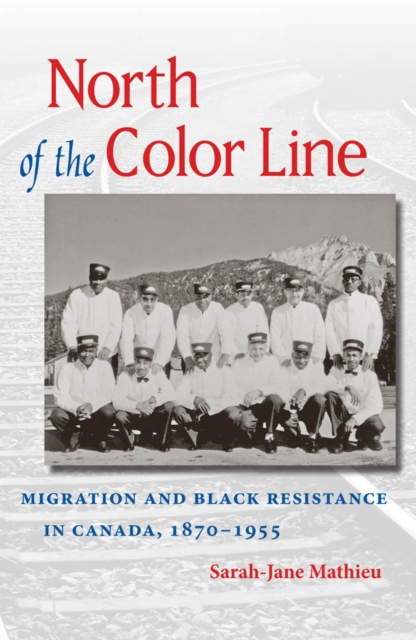
North of the Color Line examines life in Canada for the estimated 5,000 blacks, both African Americans and West Indians, who immigrated to Canada after the end of Reconstruction in the United States.
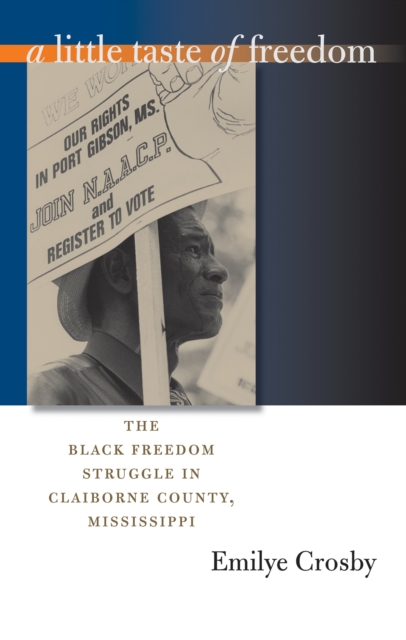
In this long-term community study of the freedom movement in rural, majority-black Claiborne County, Mississippi, Emilye Crosby explores the impact of the African American freedom struggle on small communities in general and questions common assumptions that are based on the national movement.
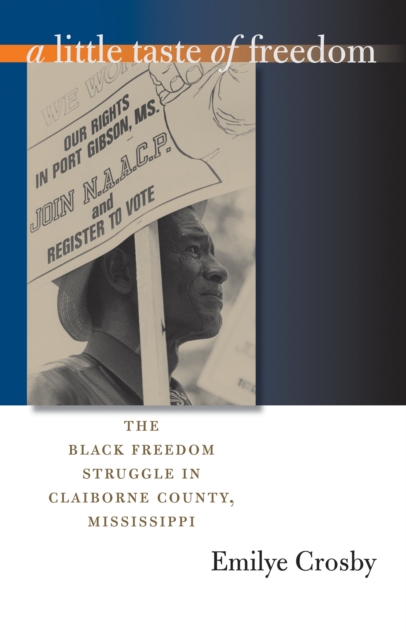
In this long-term community study of the freedom movement in rural, majority-black Claiborne County, Mississippi, Emilye Crosby explores the impact of the African American freedom struggle on small communities in general and questions common assumptions that are based on the national movement.
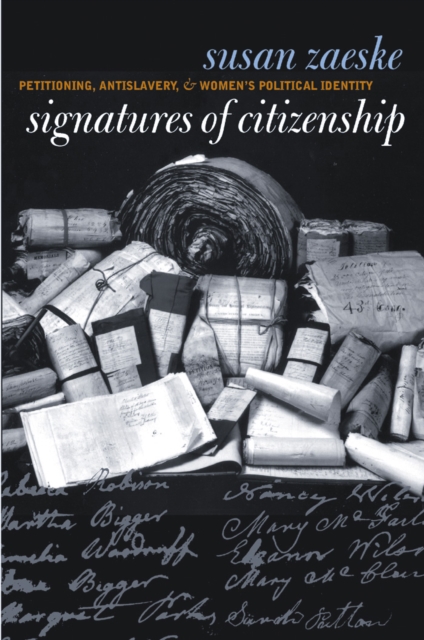
In this comprehensive history of womens antislavery petitions addressed to Congress, Susan Zaeske argues that by petitioning, women not only contributed significantly to the movement to abolish slavery but also made important strides toward securing their own rights and transforming their own political identity.
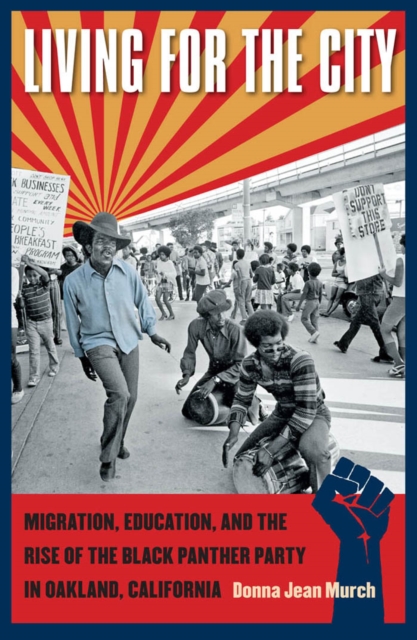
In the 1960s, increasing numbers of African American students entered predominantly White colleges and universities in the northern and western United States.
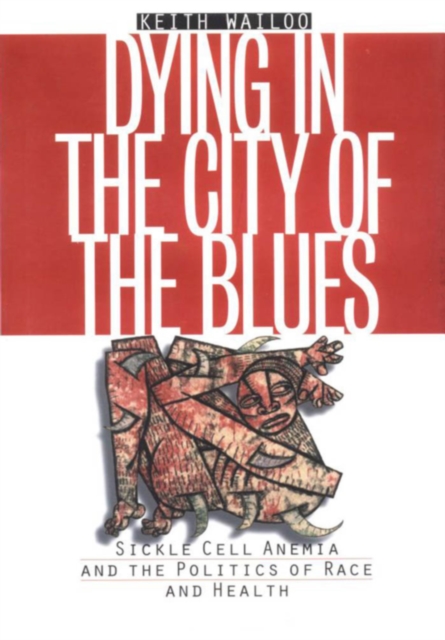
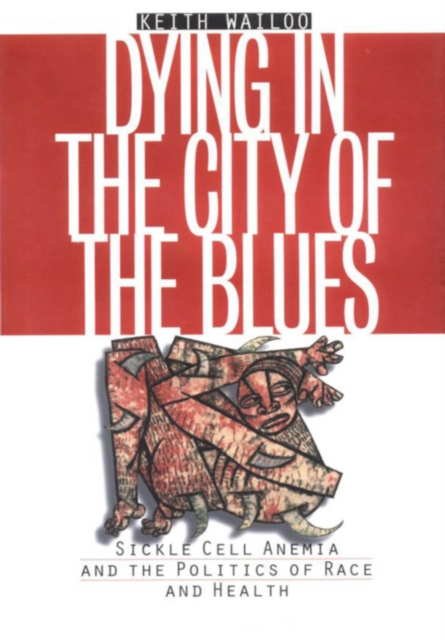
This groundbreaking book chronicles the history of sickle cell anemia in the United States, tracing its transformation from an invisible malady to a powerful, yet contested, cultural symbol of African American pain and suffering.
During Poland's century-long partition and in the interwar period of Poland's reemergence as a state, Polish writers on both sides of the ocean shared a preoccupation with national identity.
The Renters Rights' Act: A Practical Guide provides a comprehensive analysis of the most significant reform to residential tenancy law in England in over 30 years.
African American freedom is often defined in terms of emancipation and civil rights legislation, but it did not arrive with the stroke of a pen or the rap of a gavel.
The Renters Rights' Act: A Practical Guide provides a comprehensive analysis of the most significant reform to residential tenancy law in England in over 30 years.
Weaving national narratives from stories of the daily lives and familiar places of local residents, Franoise Hamlin chronicles the slow struggle for black freedom through the history of Clarksdale, Mississippi.
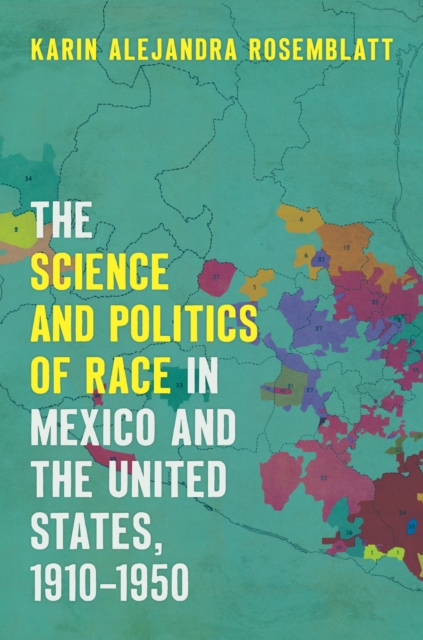
In this history of the social and human sciences in Mexico and the United States, Karin Alejandra Rosemblatt reveals intricate connections among the development of science, the concept of race, and policies toward indigenous peoples.
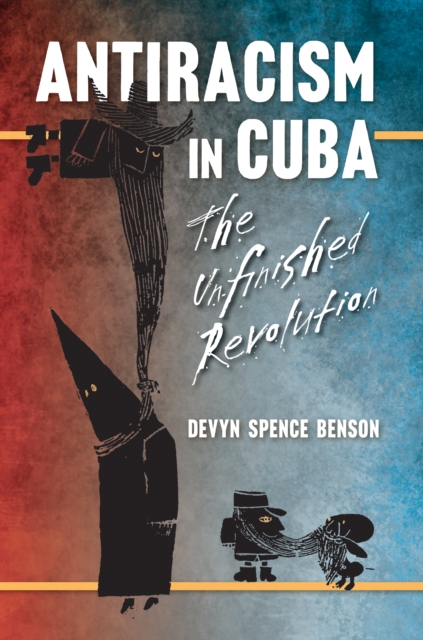
Analyzing the ideology and rhetoric around race in Cuba and south Florida during the early years of the Cuban revolution, Devyn Spence Benson argues that ideas, stereotypes, and discriminatory practices relating to racial difference persisted despite major efforts by the Cuban state to generate social equality.
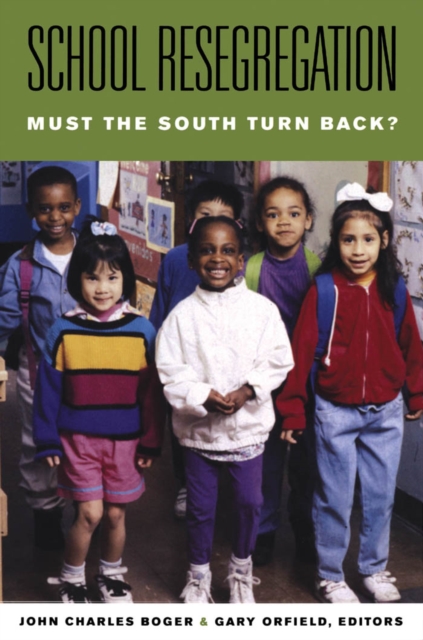
Confronting a reality that many policy makers would prefer to ignore, contributors to this volume offer the latest information on the trend toward the racial and socioeconomic resegregation of southern schools.
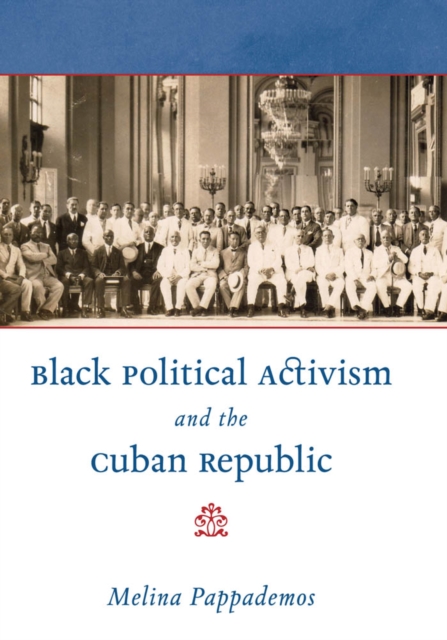
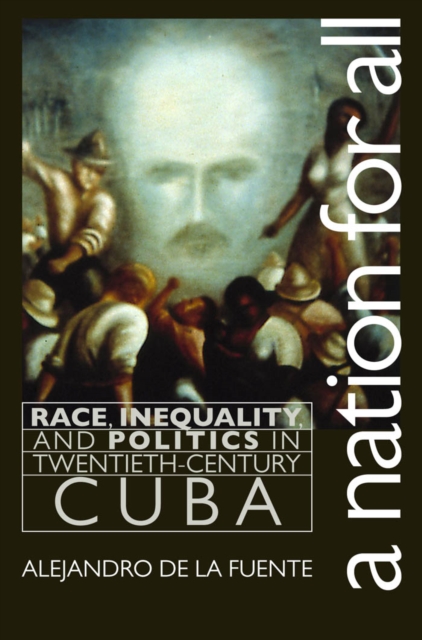
While it was not until 1871 that slavery in Cuba was finally abolished, African-descended people had high hopes for legal, social, and economic advancement as the republican period started.
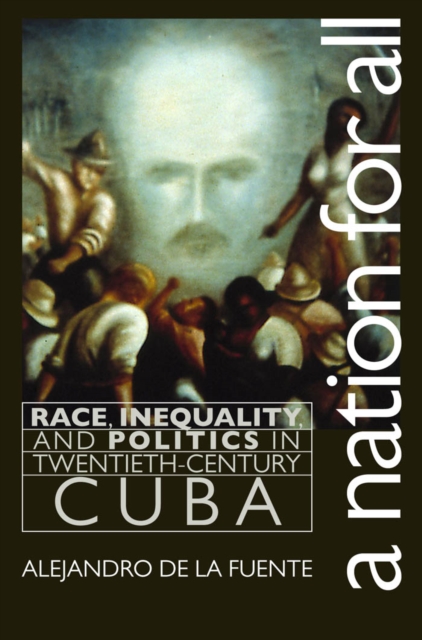
After thirty years of anticolonial struggle against Spain and four years of military occupation by the United States, Cuba formally became an independent republic in 1902.
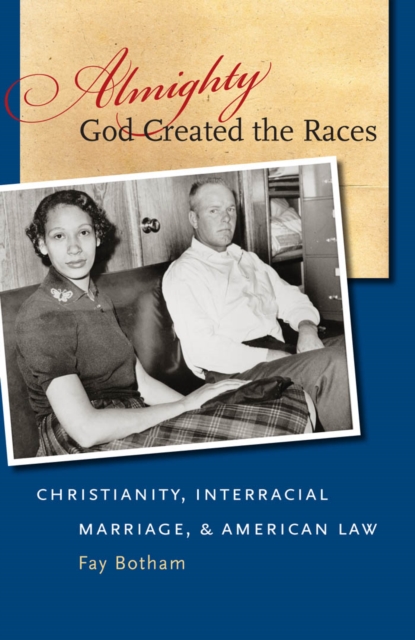
In this fascinating cultural history of interracial marriage and its legal regulation in the United States, Fay Botham argues that religion specifically, Protestant and Catholic beliefs about marriage and race had a significant effect on legal decisions concerning miscegenation and marriage in the century following the Civil War.
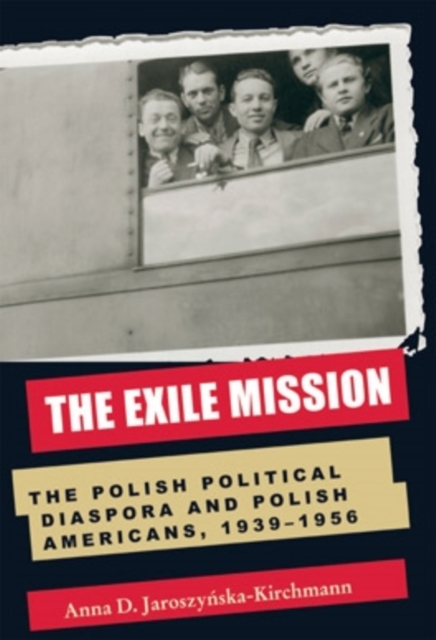
At midcentury, two distinct Polish immigrant groups-those Polish Americans who were descendants of economic immigrants from the turn of the twentieth century and the Polish political refugees who chose exile after World War II and the communist takeover in Poland-faced an uneasy challenge to reconcile their concepts of responsibility toward the homeland.
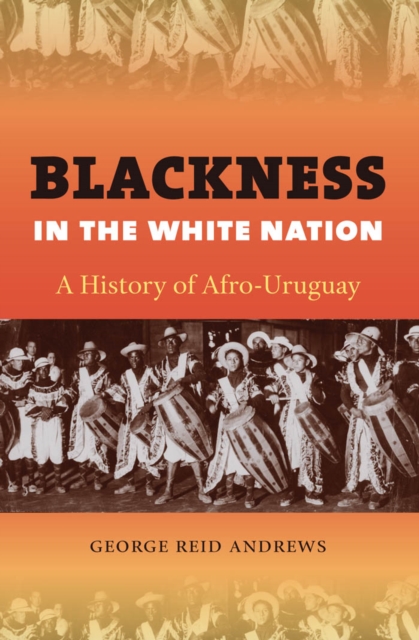
Uruguay is not conventionally thought of as part of the African diaspora, yet during the period of Spanish colonial rule, thousands of enslaved Africans arrived in the country.
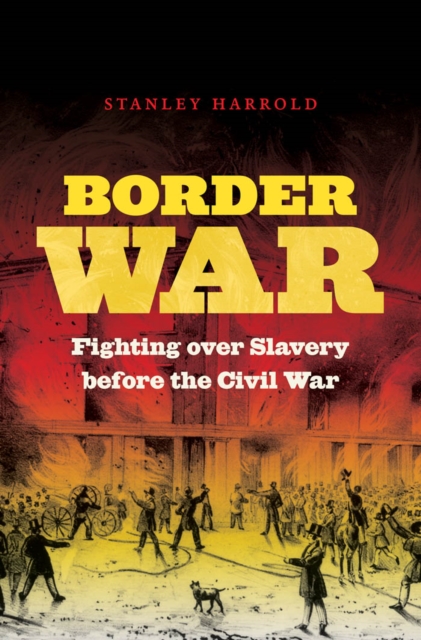
During the 1840s and 1850s, a dangerous ferment afflicted the North-South border region, pitting the slave states of Maryland, Virginia, Kentucky, and Missouri against the free states of New Jersey, Pennsylvania, Ohio, Indiana, and Illinois.
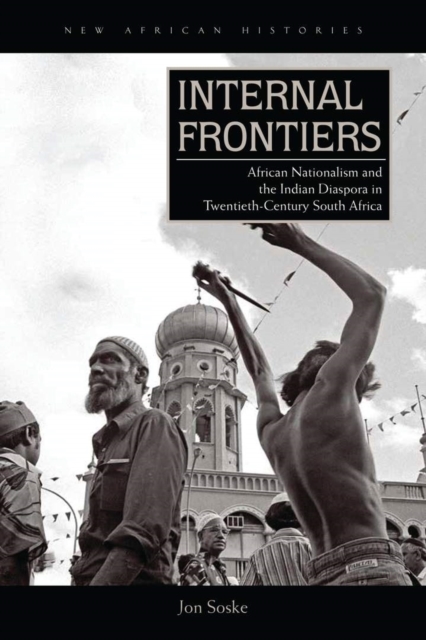
In this ambitious new history of the antiapartheid struggle, Jon Soske places India and the Indian diaspora at the center of the African National Congress's development of an inclusive philosophy of nationalism.
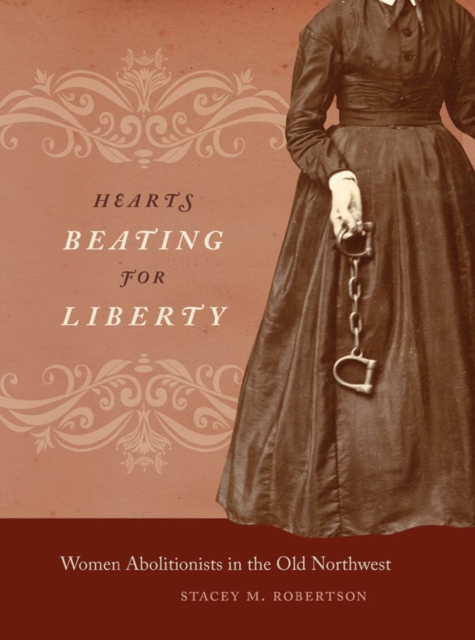
Challenging traditional histories of abolition, this book shifts the focus away from the East to show how the women of Ohio, Indiana, Illinois, Michigan, and Wisconsin helped build a vibrant antislavery movement in the Old Northwest.
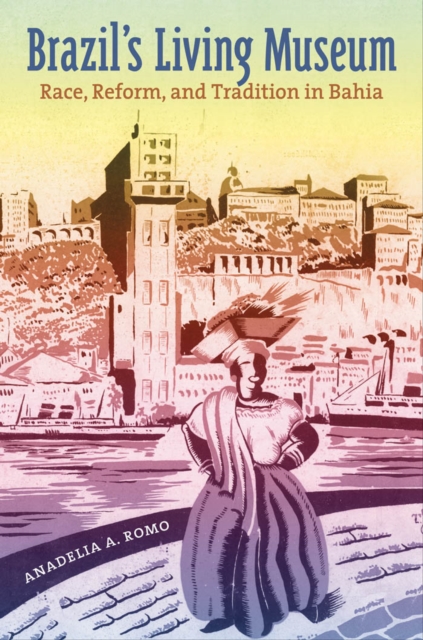
Brazils northeastern state of Bahia has built its economy around attracting international tourists to what is billed as the locus of Afro-Brazilian culture and the epicenter of Brazilian racial harmony.
North of the Color Line examines life in Canada for the estimated 5,000 blacks, both African Americans and West Indians, who immigrated to Canada after the end of Reconstruction in the United States.
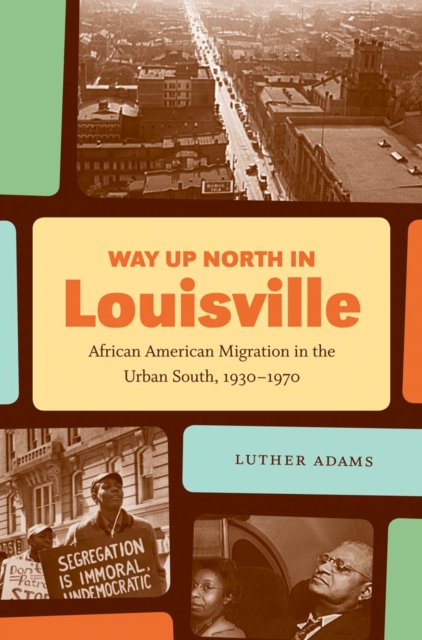
Luther Adams demonstrates that in the wake of World War II, when roughly half the black population left the South seeking greater opportunity and freedom in the North and West, the same desire often anchored African Americans to the South.
Eighteenth-century Jamaica, Britains largest and most valuable slave-owning colony, relied on a brutal system of slave management to maintain its tenuous social order.
After thirty years of anticolonial struggle against Spain and four years of military occupation by the United States, Cuba formally became an independent republic in 1902.
This groundbreaking book chronicles the history of sickle cell anemia in the United States, tracing its transformation from an invisible malady to a powerful, yet contested, cultural symbol of African American pain and suffering.