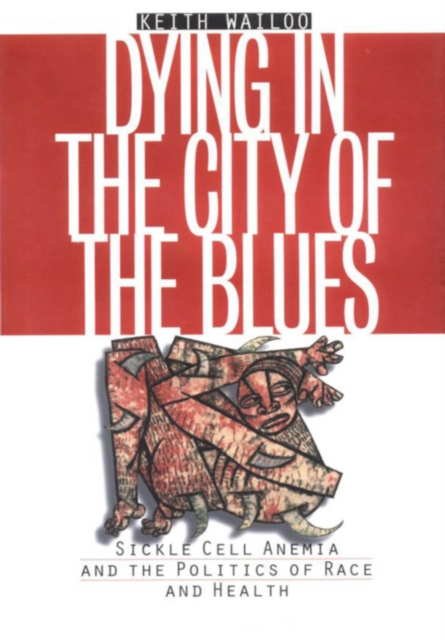
This groundbreaking book chronicles the history of sickle cell anemia in the United States, tracing its transformation from an invisible malady to a powerful, yet contested, cultural symbol of African American pain and suffering.
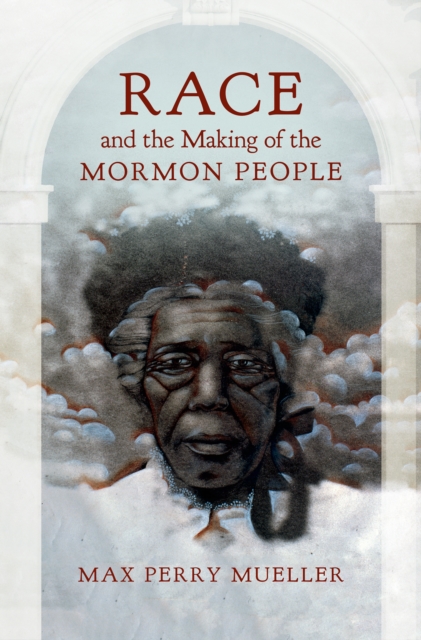
The nineteenth-century history of the Church of Jesus Christ of Latter-day Saints, Max Perry Mueller argues, illuminates the role that religion played in forming the notion of three original American racesred, black, and whitefor Mormons and others in the early American Republic.
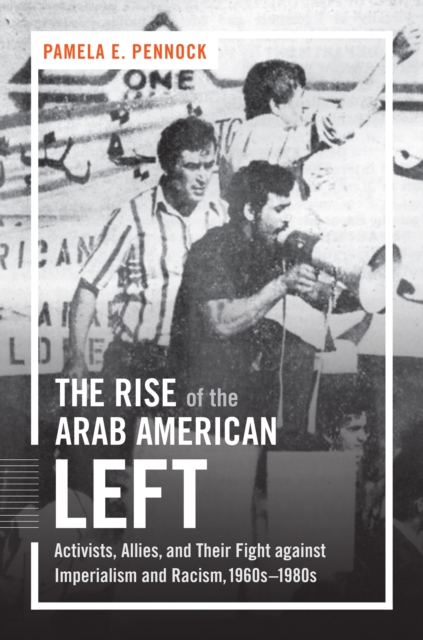
In this first history of Arab American activism in the 1960s, Pamela Pennock brings to the forefront one of the most overlooked minority groups in the history of American social movements.
As downward mobility continues to be an international issue, Robin Brooks offers a timely intervention between the humanities and social sciences by examining how Black womens cultural production engages debates about the growth in income and wealth gaps in global society during the late twentieth and early twenty-first centuries.
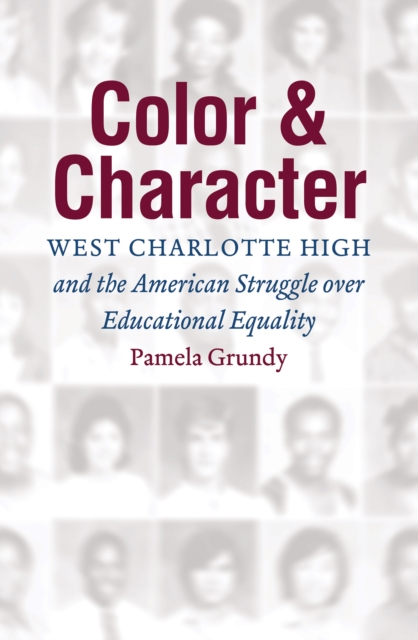
At a time when race and inequality dominate national debates, the story of West Charlotte High School illuminates the possibilities and challenges of using racial and economic desegregation to foster educational equality.
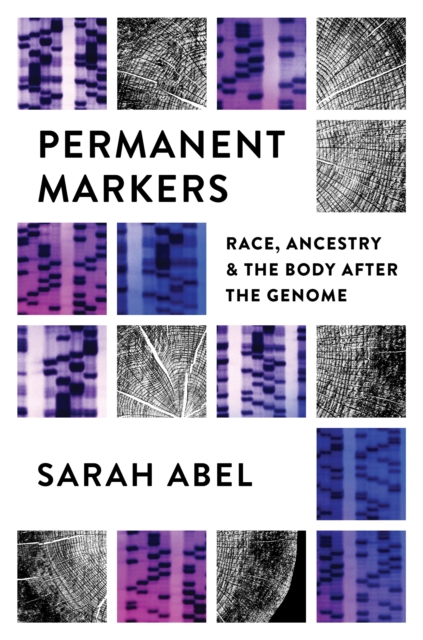
Over the past twenty years, DNA ancestry testing has morphed from a niche market into a booming international industry that encourages members of the public to answer difficult questions about their identity by looking to the genome.
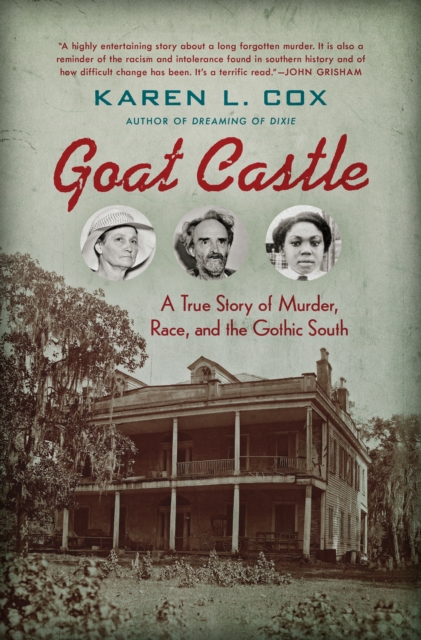
In 1932, the city of Natchez, Mississippi, reckoned with an unexpected influx of journalists and tourists as the lurid story of a local murder was splashed across headlines nationwide.
Igniting a long-overdue dialogue about how the legacy of racial injustice and white supremacy plays out in society at large and Buddhist communities in particular, this urgent call to action outlines a new dharma that takes into account the ways that racism and privilege prevent our collective awakening.
As downward mobility continues to be an international issue, Robin Brooks offers a timely intervention between the humanities and social sciences by examining how Black womens cultural production engages debates about the growth in income and wealth gaps in global society during the late twentieth and early twenty-first centuries.
Over the past twenty years, DNA ancestry testing has morphed from a niche market into a booming international industry that encourages members of the public to answer difficult questions about their identity by looking to the genome.
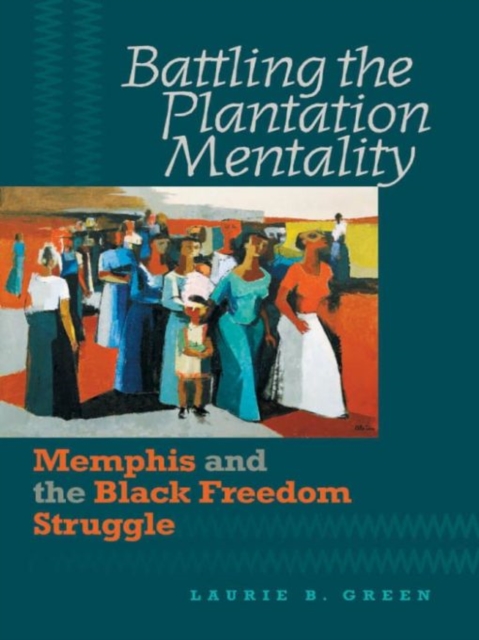
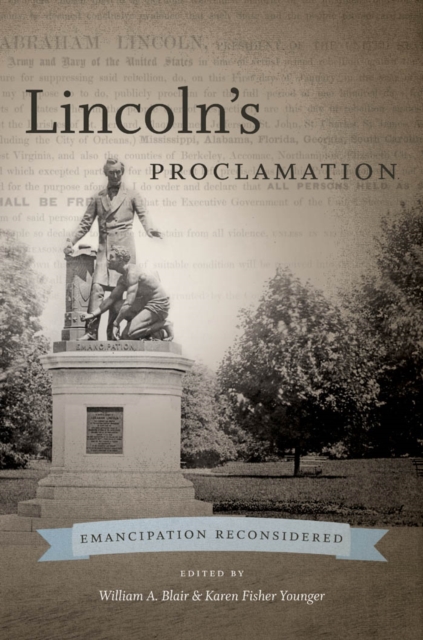
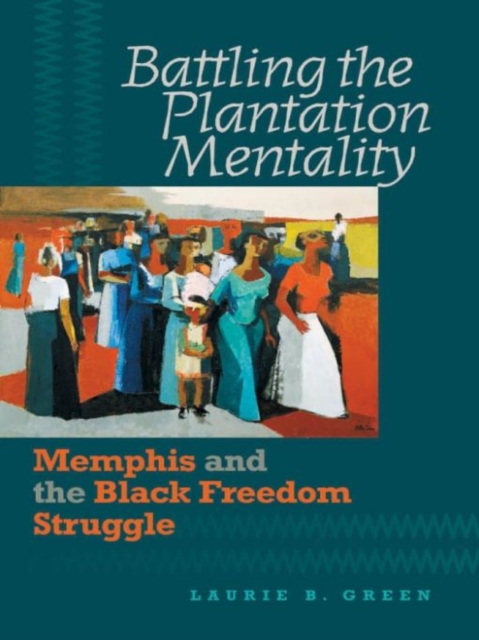
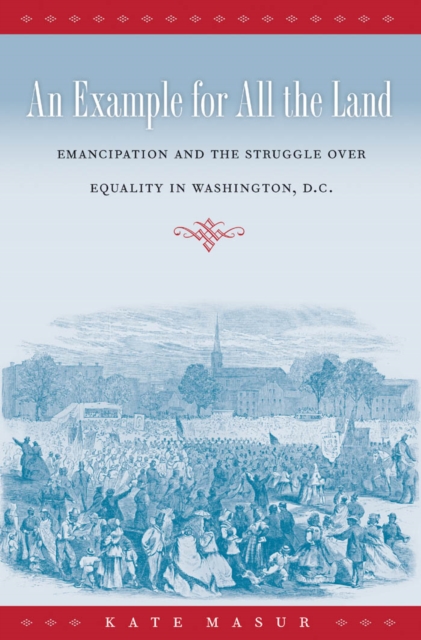
African American freedom is often defined in terms of emancipation and civil rights legislation, but it did not arrive with the stroke of a pen or the rap of a gavel.
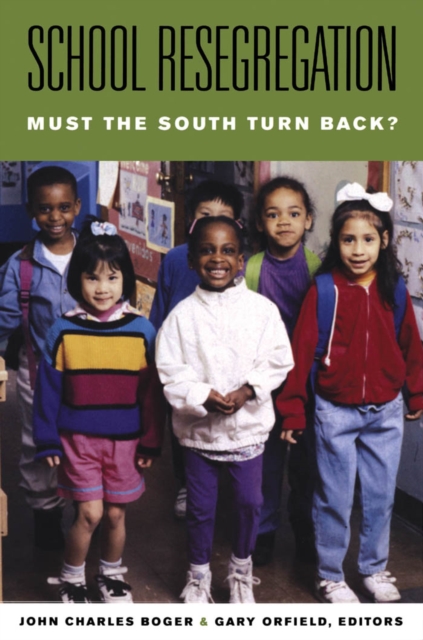
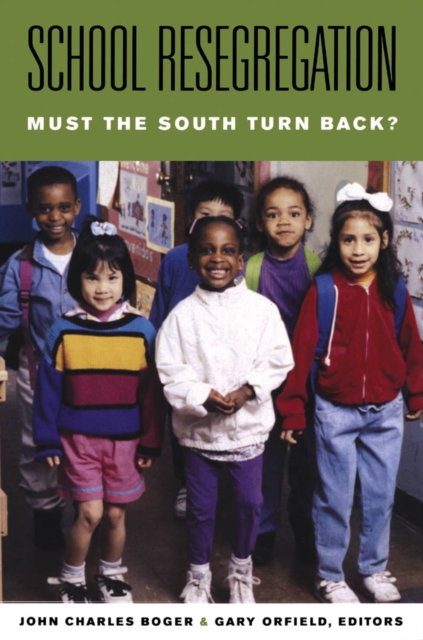
Confronting a reality that many policy makers would prefer to ignore, contributors to this volume offer the latest information on the trend toward the racial and socioeconomic resegregation of southern schools.
In this first history of Arab American activism in the 1960s, Pamela Pennock brings to the forefront one of the most overlooked minority groups in the history of American social movements.
At a time when race and inequality dominate national debates, the story of West Charlotte High School illuminates the possibilities and challenges of using racial and economic desegregation to foster educational equality.
In 1932, the city of Natchez, Mississippi, reckoned with an unexpected influx of journalists and tourists as the lurid story of a local murder was splashed across headlines nationwide.
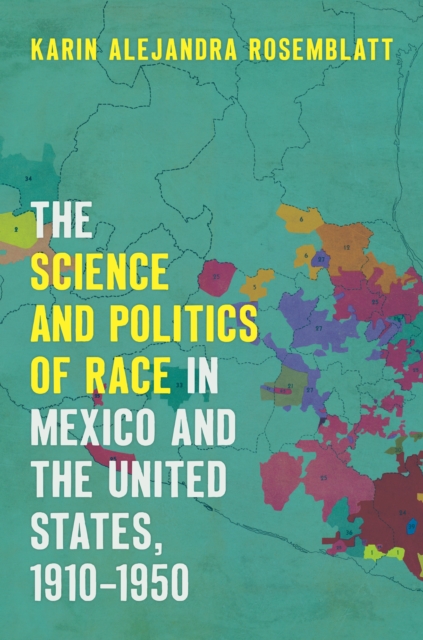
In this history of the social and human sciences in Mexico and the United States, Karin Alejandra Rosemblatt reveals intricate connections among the development of science, the concept of race, and policies toward indigenous peoples.
The nineteenth-century history of the Church of Jesus Christ of Latter-day Saints, Max Perry Mueller argues, illuminates the role that religion played in forming the notion of three original American racesred, black, and whitefor Mormons and others in the early American Republic.
This groundbreaking book chronicles the history of sickle cell anemia in the United States, tracing its transformation from an invisible malady to a powerful, yet contested, cultural symbol of African American pain and suffering.
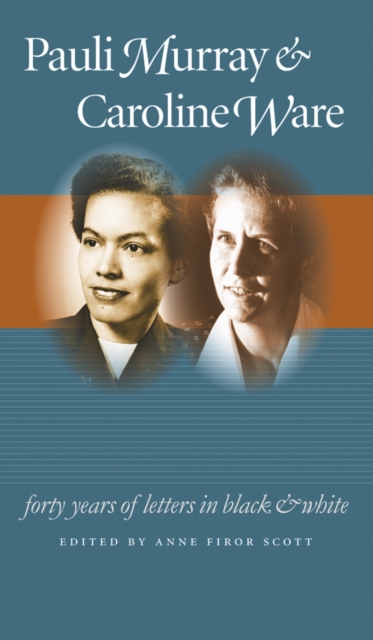
In 1942 Pauli Murray, a young black woman from North Carolina studying law at Howard University, visited a constitutional law class taught by Caroline Ware, one of the nation's leading historians.
Confronting a reality that many policy makers would prefer to ignore, contributors to this volume offer the latest information on the trend toward the racial and socioeconomic resegregation of southern schools.
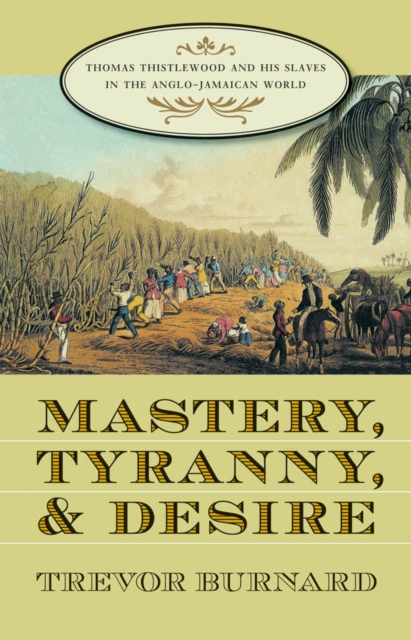
Eighteenth-century Jamaica, Britains largest and most valuable slave-owning colony, relied on a brutal system of slave management to maintain its tenuous social order.
African American freedom is often defined in terms of emancipation and civil rights legislation, but it did not arrive with the stroke of a pen or the rap of a gavel.
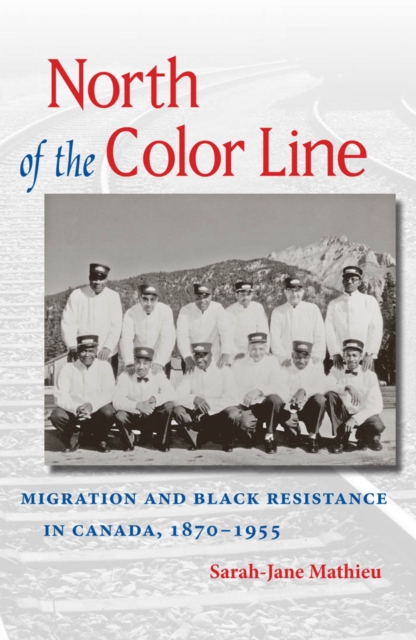
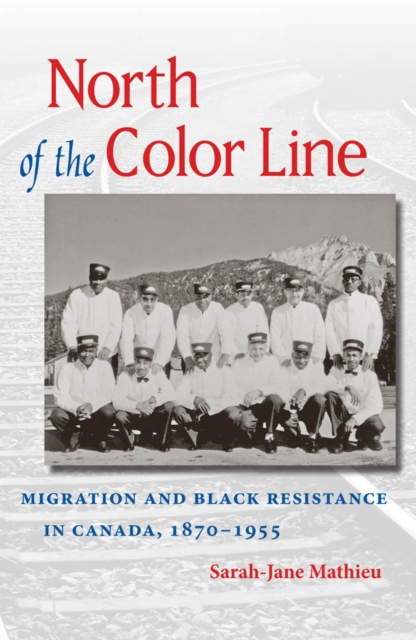
North of the Color Line examines life in Canada for the estimated 5,000 blacks, both African Americans and West Indians, who immigrated to Canada after the end of Reconstruction in the United States.
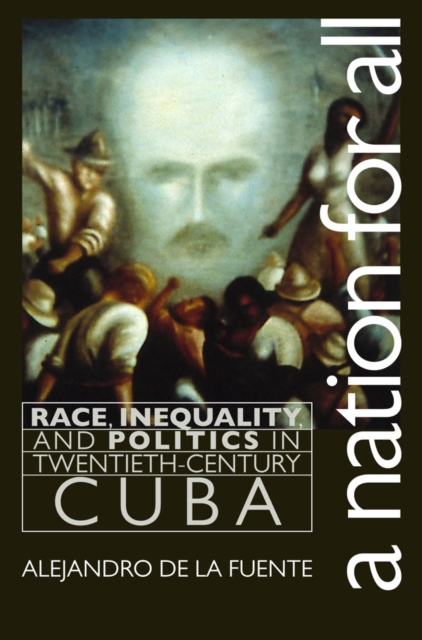
After thirty years of anticolonial struggle against Spain and four years of military occupation by the United States, Cuba formally became an independent republic in 1902.
Weaving national narratives from stories of the daily lives and familiar places of local residents, Franoise Hamlin chronicles the slow struggle for black freedom through the history of Clarksdale, Mississippi.
In this history of the social and human sciences in Mexico and the United States, Karin Alejandra Rosemblatt reveals intricate connections among the development of science, the concept of race, and policies toward indigenous peoples.
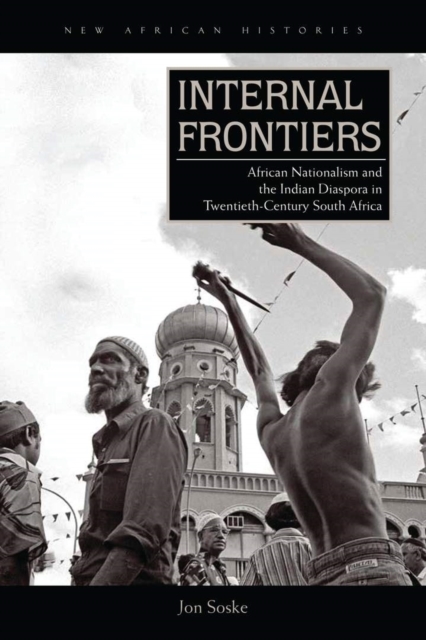
In this ambitious new history of the antiapartheid struggle, Jon Soske places India and the Indian diaspora at the center of the African National Congress's development of an inclusive philosophy of nationalism.
At midcentury, two distinct Polish immigrant groups-those Polish Americans who were descendants of economic immigrants from the turn of the twentieth century and the Polish political refugees who chose exile after World War II and the communist takeover in Poland-faced an uneasy challenge to reconcile their concepts of responsibility toward the homeland.
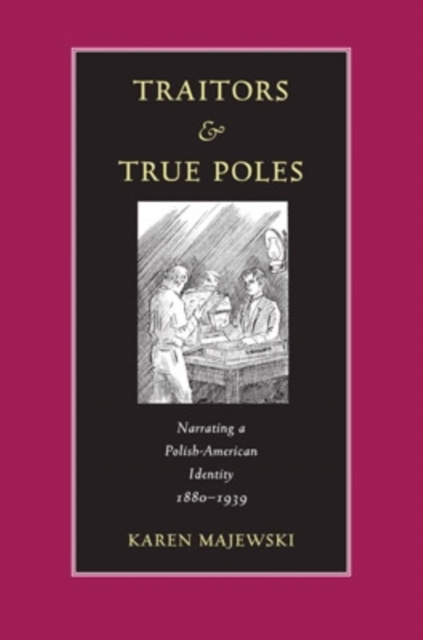
During Poland's century-long partition and in the interwar period of Poland's reemergence as a state, Polish writers on both sides of the ocean shared a preoccupation with national identity.
North of the Color Line examines life in Canada for the estimated 5,000 blacks, both African Americans and West Indians, who immigrated to Canada after the end of Reconstruction in the United States.