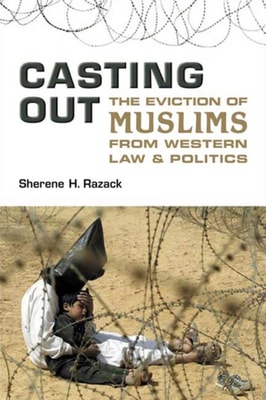
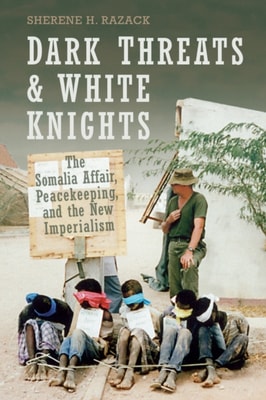
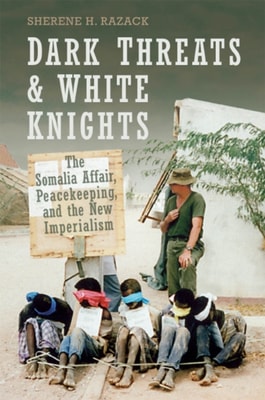
Three stereotypical figures have come to represent the 'war on terror' - the 'dangerous' Muslim man, the 'imperilled' Muslim woman, and the 'civilized' European.
Official multiculturalism, established as Canadian government policy in 1971, has drawn criticism from many scholars and journalists who view it as a potential threat to a strong, unified Canadian society.
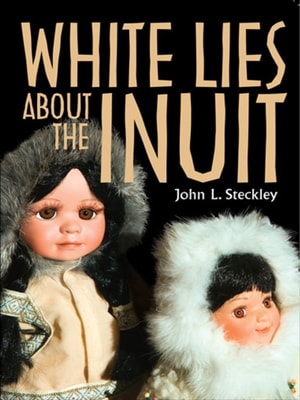
In the summer of 1883, Franz Boas, widely regarded as one of the fathers of Inuit anthropology, sailed from Germany to Baffin Island to spend a year among the Inuit of Cumberland Sound.
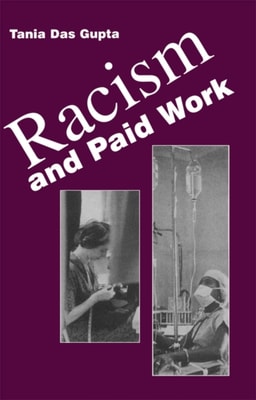
In the mid-1980s, the Abella Commission on Equality in Employment and the federal Employment Equity Act made Canada a policy leader in addressing systemic discrimination in the workplace.
In the mid-1980s, the Abella Commission on Equality in Employment and the federal Employment Equity Act made Canada a policy leader in addressing systemic discrimination in the workplace.
Strangers in Blood explores, in a range of early modern literature, the association between migration to foreign lands and the moral and physical degeneration of individuals.
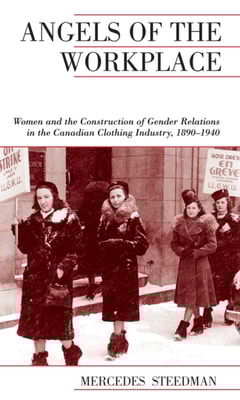
In this renowned 1997 study of the clothing industry in Canada, Mercedes Steedman examines how the intricate weaving together of the meanings of class, gender, ethnicity, family, and the workplace created a job ghetto for women.
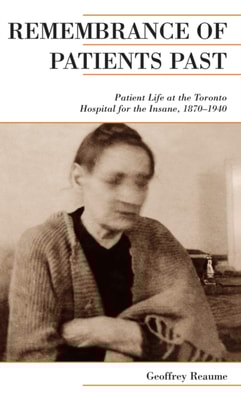
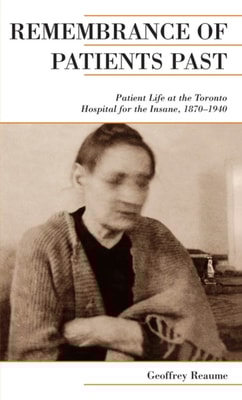
In Remembrance of Patients Past, historian Geoffrey Reaume remembers previously forgotten psychiatric patients by examining in rich detail their daily life at the Toronto Hospital for the Insane (now called the Centre for Addiction and Mental Health - CAMH) from 1870-1940.
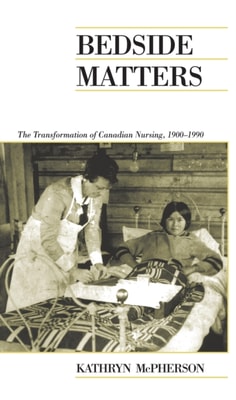
Nursing embodies the seemingly timeless characteristics of feminine healing, caring, and nurturing, yet this archetypally female vocation also boasts a distinctive and complex history.
It is now widely recognised that rising inequality of income and wealth on the one hand and a slowdown in the rate of economic growth on the other are two of the most important challenges faced today by the global economy as well as by most of the developing economies.
In Remembrance of Patients Past, historian Geoffrey Reaume remembers previously forgotten psychiatric patients by examining in rich detail their daily life at the Toronto Hospital for the Insane (now called the Centre for Addiction and Mental Health - CAMH) from 1870-1940.
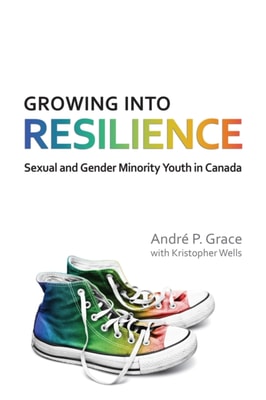
Despite recent progress in civil rights for sexual and gender minorities (SGM), ensuring SGM youth experience fairness, justice, inclusion, safety, and security in their schools and communities remains an ongoing challenge.
Despite recent progress in civil rights for sexual and gender minorities (SGM), ensuring SGM youth experience fairness, justice, inclusion, safety, and security in their schools and communities remains an ongoing challenge.
Cultural tourism is frequently marketed as an economic panacea for communities whose traditional ways of life have been compromised by the dominant societies by which they have been colonized.
Cultural tourism is frequently marketed as an economic panacea for communities whose traditional ways of life have been compromised by the dominant societies by which they have been colonized.
Challenging Canada’s image as a humane, enlightened global actor, Colonial Extractions examines the troubling racial logic that underpins Canadian mining operations in several African countries.
Since the 1990s, Canadian policy prescriptions for immigration, multiculturalism, and employment equity have equated globalization with global markets.
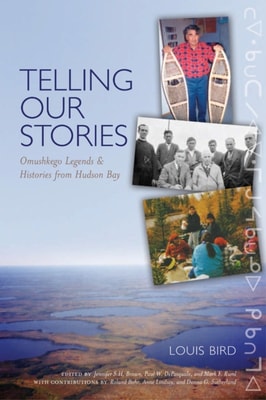
Since the 1970s, Louis Bird, a distinguished Aboriginal storyteller and historian, has been recording the stories and memories of Omushkego (Swampy Cree) communities along western Hudson and James Bays.
Although Canada is known internationally as a leader among industrialized countries for inclusive practices towards immigrants and refugees, the twenty-first century has witnessed a rise in the number of refugees and temporary migrant workers who are often denied citizenship and may also experience detention and deportation.
Although Canada is known internationally as a leader among industrialized countries for inclusive practices towards immigrants and refugees, the twenty-first century has witnessed a rise in the number of refugees and temporary migrant workers who are often denied citizenship and may also experience detention and deportation.
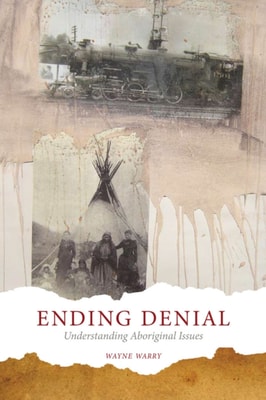
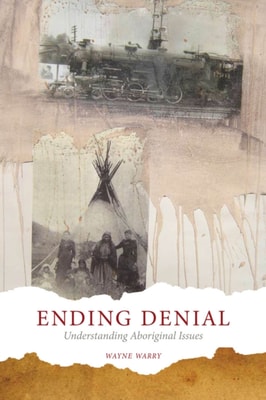
There is an unconscious racism at work in Canada—an ignorance of Aboriginal peoples and culture that breeds indifference to, and ambivalence about, Aboriginal poverty and ill health.
On August 13, 1521, the largest and most developed of North America's societies, the Aztec empire, fell to Spanish invaders who, along with later European colonizers, built new societies in which they occupied the dominant class positions and forced Indians, imported African slaves, and Asians into subordinate positions.
There is an unconscious racism at work in Canada—an ignorance of Aboriginal peoples and culture that breeds indifference to, and ambivalence about, Aboriginal poverty and ill health.
Re-Situating Identities signals a crucial move away from the extremes of statistical reductionism and textual preoccupation which have marked race and ethnic studies.
Contesting the putative "e;even-handedness"e; of many introductory social science texts, this innovative book presents strong and provocative arguments on contemporary social issues that will stimulate readers to think critically.
This brief and affordable introductory book places ideology at the center of contemporary life, unmasking its role in shaping important social relationships.