Tuberculosis, once a leading cause of death in Europe and North America, was understood to be preventable and even curable by the early twentieth century.
Why Americans favor progressive taxation in principle but not in practiceMost Americans support progressive taxation in principle, and want the rich to pay more.
How America can achieve greater racial equality in the post-civil rights eraWith the election of Barack Obama as the first black president of the United States, the issue of racial justice in America occupies center stage.
From a pioneering Black feminist and MacArthur ';Genius' Fellow, this urgent and exhilarating memoir-manifesto-handbook provides bold, practical new ways to transform conflicts into connections, even with those we're tempted to walk away from.
How creative freedom, race, class, and gender shaped the rebellion of two visionary artistsPostwar America experienced an unprecedented flourishing of avant-garde and independent art.
The Nature of Blood is an unforgettable novel about loss and persecution, about courage and betrayal, and about the terrible pain yet absoulte necessity of human memory.
In this monumental volume, Henry Hampton and Steve Fayer draw upon nearly one thousand interviews with civil rights activists, politicians, reporters, Justice Department officials, and hundreds of ordinary people who took part in the struggle, weaving a fascinating narrative of the civil rights movement told by the people who lived it.
The paradox of racial inequality in Barack Obama's AmericaBarack Obama, in his acclaimed campaign speech discussing the troubling complexities of race in America today, quoted William Faulkner's famous remark "e;The past isn't dead and buried.
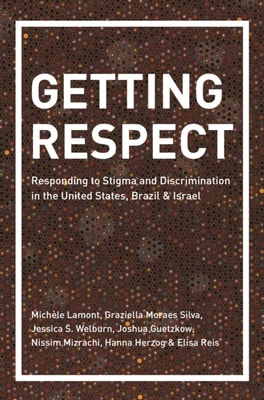
A comparative look at how discrimination is experienced by stigmatized groups in the United States, Brazil, and IsraelRacism is a common occurrence for members of marginalized groups around the world.
Religion and the Rise of Jim Crow in New Orleans examines a difficult chapter in American religious history: the story of race prejudice in American Christianity.
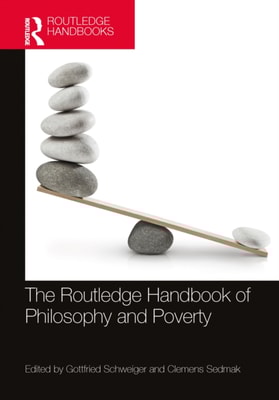
Winner of the 2024 Academics Stand Against Poverty Book of the Year Anthology AwardThe problem of poverty is global in scope and has devastating consequences for many essential aspects of life: health, education, political participation, autonomy, and psychological well-being.
Three Worlds of Relief examines the role of race and immigration in the development of the American social welfare system by comparing how blacks, Mexicans, and European immigrants were treated by welfare policies during the Progressive Era and the New Deal.