A rigourous analysis of context in transitional justice, examining the successes and failures of truth and reconciliation commissions in post-conflict settings.
A hands-on guide to making cross-cultural comparisons by integrating data from qualitative interviews and quantitative surveys collected in multiple languages.
This interdisciplinary volume illuminates housing''s impact on both wealth and community, and examines legal and policy responses to current challenges.
This interdisciplinary volume illuminates housing''s impact on both wealth and community, and examines legal and policy responses to current challenges.
This book charts the previously untold story of the mobility of Indigenous peoples across vast distances, vividly reshaping what is known about decolonisation.
This book examines racial and ethnic politics outside of the traditional context and questions the models used to understand mobility and government responsiveness.
This book examines racial and ethnic politics outside of the traditional context and questions the models used to understand mobility and government responsiveness.
Examines the literary output of four influential American Indian intellectuals who challenged conceptions of identity at the turn of the twentieth century.
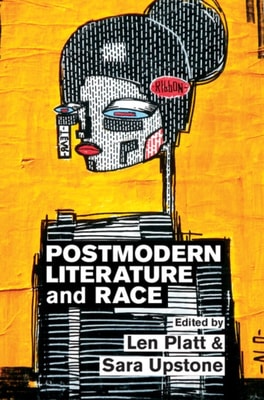
With essays on a range of contemporary writers, this book makes an important contribution to our understanding of the politics and aesthetics of contemporary writing.
This book provides the first comprehensive analysis of the emergence, development and implications of the Roma political phenomenon in contemporary Europe.
'A magical, magnificent novel, that amounts to a secret history of an America we think we know, but never really knew' Marlon JamesThe people of Salt Point are afraid of the world beyond their rural town.
Racism in the Neoliberal Era explains how simple racial binaries like black/white are no longer sufficient to explain the persistence of racism, capitalism, and elite white power.
Racism in the Neoliberal Era explains how simple racial binaries like black/white are no longer sufficient to explain the persistence of racism, capitalism, and elite white power.
This title was first publised in 2002: The Third Part of the Civil Code of the Russian Federation was adopted by the Russian Parliament on November 26, 2001, to take effect on March 1, 2002.
This title was first publised in 2002: The Third Part of the Civil Code of the Russian Federation was adopted by the Russian Parliament on November 26, 2001, to take effect on March 1, 2002.
The Third Part of the Civil Code of the Russian Federation was adopted by the Russian Parliament on November 26, 2001, to take effect on March 1, 2002.