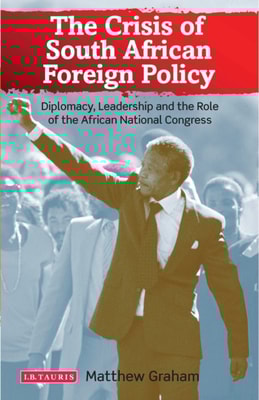
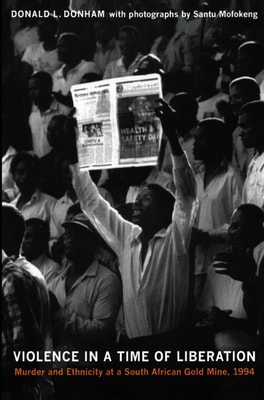
The emergence of a 'new' democratic South Africa under Nelson Mandela was regarded as a high watermark for international ideals of human rights and democracy.
When researchers want to study indigenous populations they are dependent upon the highly variable way in which states or territories enumerate, categorise and differentiate indigenous people.
This volume provides the first in-depth examination of the impact of the key sociological issues faced by the new Obama Administration and explores conventional topics on race and ethnic relations as well as delving into new areas of intellectual inquiry regarding the changing scope of race relations in a global context.
Examining the legacy of racial mixing in Indian Territory through the land and lives of two families, one of Cherokee Freedman descent and one of Muscogee Creek heritage, Darnella Davis's memoir writes a new chapter in the history of racial mixing on the frontier.
The only comprehensive interviewing and counseling text grounded in a strong multi-theoretical foundationStructured around CACREP standards, Essential Interviewing and Counseling Skills Second Edition uniquely encompasses both theory and practice from the perspectives of a diverse array of theoretical schools and practice strategies.
This book offers new possibilities for mental health professionals who are looking for ways to adapt traditional therapy and counseling techniques to address the spiritual and psychological issues their clients face.
Encourages ordinary Christians to engage in real talk together about race and changeThere are a lot of conversations happening in homes and churches about difficult and timely topics--but when it comes to race, too many Christians stay silent.
Created in a world of empires, the United States was to be something new: an expansive republic proclaiming commitments to liberty and equality but eager to extend its territory and influence.
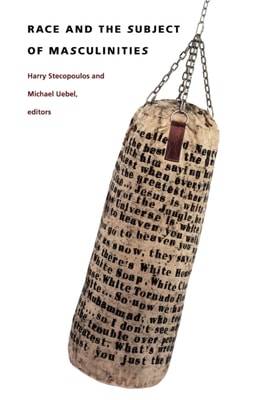
Although in recent years scholars have explored the cultural construction of masculinity, they have largely ignored the ways in which masculinity intersects with other categories of identity, particularly those of race and ethnicity.
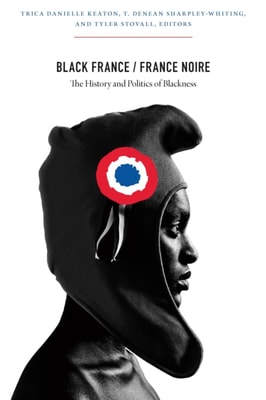
In Black France / France Noire, scholars, activists, and novelists from France and the United States address the untenable paradox at the heart of French society.
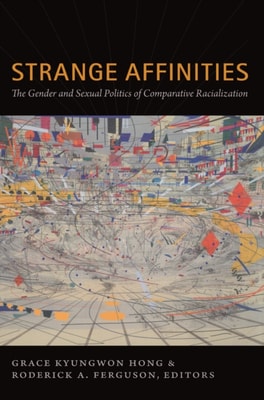
Representing some of the most exciting work in critical ethnic studies, the essays in this collection examine the production of racialized, gendered, and sexualized difference, and the possibilities for progressive coalitions, or the "e;strange affinities,"e; afforded by nuanced comparative analyses of racial formations.
Jimmy Creech, a United Methodist pastor in North Carolina, was visited one morning in 1984 by Adam, a longtime parishioner whom he liked and respected.
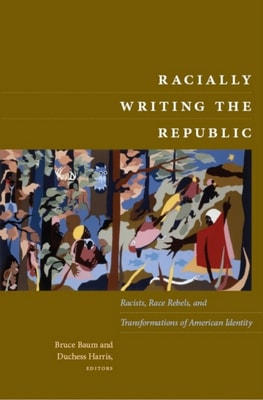
Racially Writing the Republic investigates the central role of race in the construction and transformation of American national identity from the Revolutionary War era to the height of the civil rights movement.
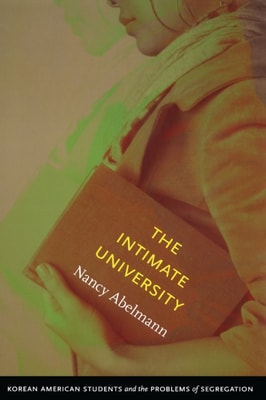
The majority of the 30,000-plus undergraduates at the University of Illinois, Urbana-Champaign-including the large population of Korean American students-come from nearby metropolitan Chicago.
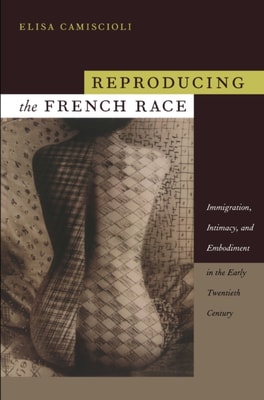
In Reproducing the French Race, Elisa Camiscioli argues that immigration was a defining feature of early-twentieth-century France, and she examines the political, cultural, and social issues implicated in public debates about immigration and national identity at the time.
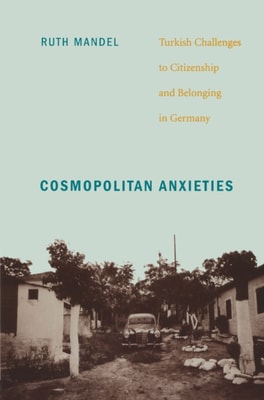
In Cosmopolitan Anxieties, Ruth Mandel explores Germany's relation to the more than two million Turkish immigrants and their descendants living within its borders.
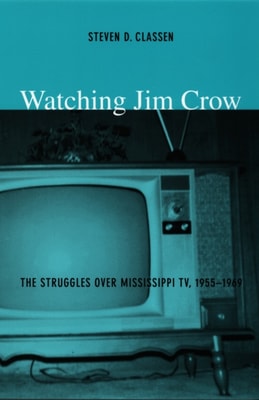
In the early 1960s, whenever the Today Show discussed integration, wlbt-tv, the nbc affiliate in Jackson, Mississippi, cut away to local news after announcing that the Today Show content was "e;network news .
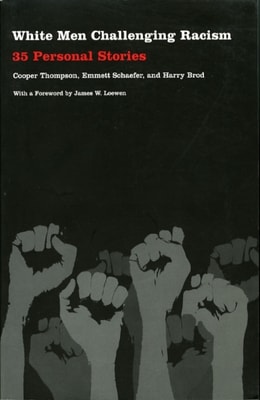
White Men Challenging Racism is a collection of first-person narratives chronicling the compelling experiences of thirty-five white men whose efforts to combat racism and fight for social justice are central to their lives.
The South has long played a central role in America's national imagination-the site of the trauma of slavery and of a vast nostalgia industry, alternatively the nation's moral other and its moral center.
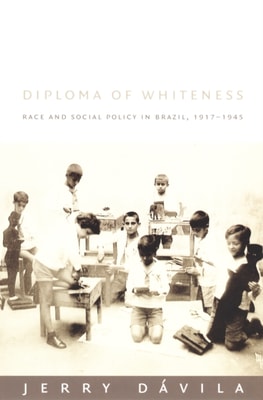
In Brazil, the country with the largest population of African descent in the Americas, the idea of race underwent a dramatic shift in the first half of the twentieth century.