THE SUNDAY TIMES BESTSELLERThe story of a mother's quest to find her children against all odds, set against the epic backdrop of the sinking of the legendary Titanic.
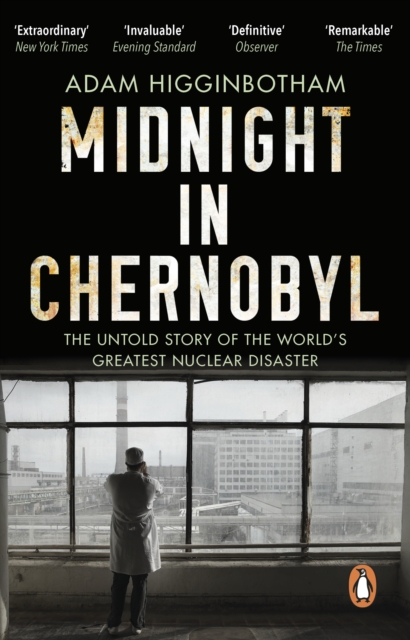
A riveting account of the chilling signs and deadly aftermath of the 1986 Soviet nuclear disaster from the #1 New York Times-bestselling author of Alive.
How extreme-right antidemocratic governments around the world are prioritizing profits over citizens, stoking catastrophic wildfires, and accelerating global climate change.
A "e;captivating"e; account of the starvation and disease that wracked far-from-the-front Beirut during WWI, and the relief efforts that followed (Middle East Journal).
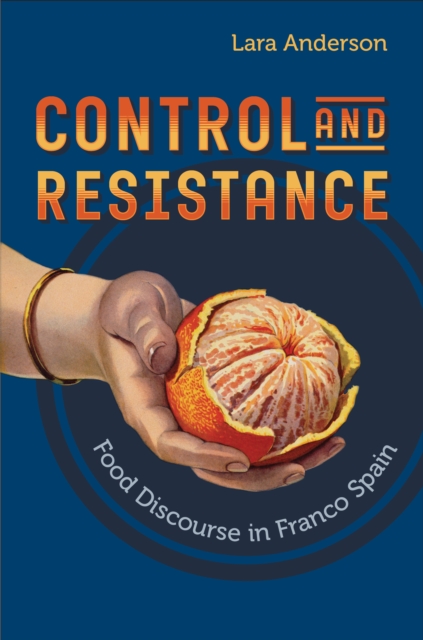
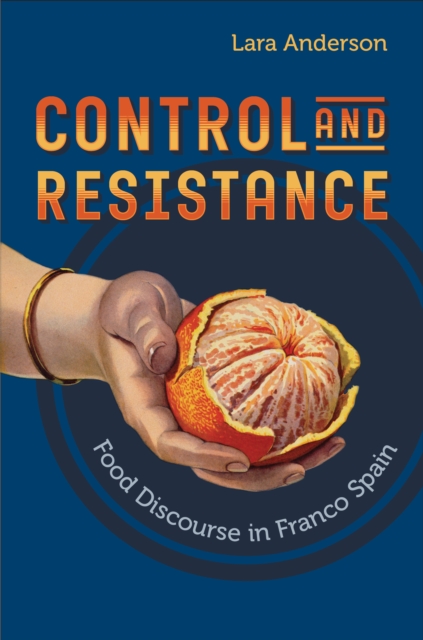
Control and Resistance reveals the various ways in which food writing of the early Franco era was a potent political tool, producing ways of eating and thinking about food that privileged patriotism over personal desire.
Control and Resistance reveals the various ways in which food writing of the early Franco era was a potent political tool, producing ways of eating and thinking about food that privileged patriotism over personal desire.
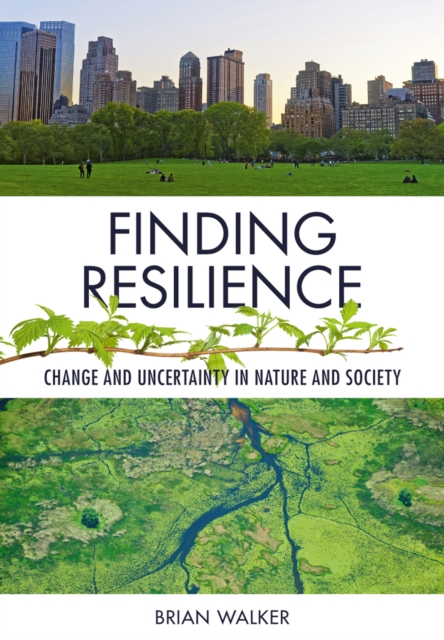
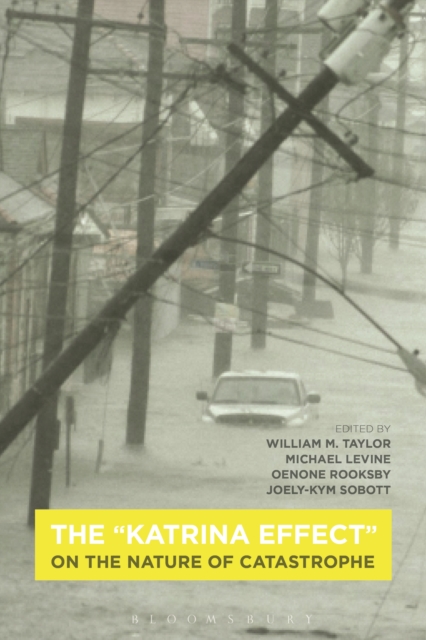
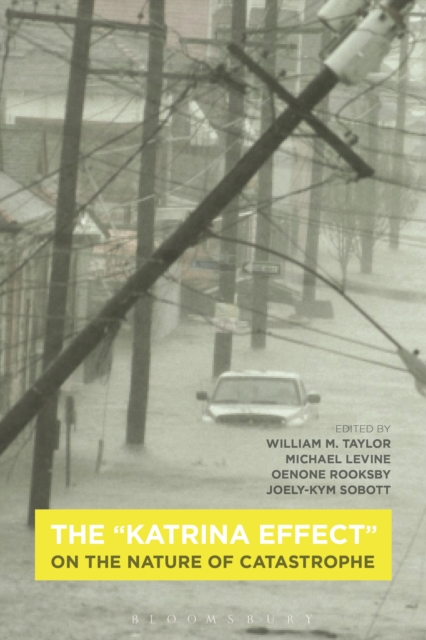
Floods, fires, famines, epidemics and disasters of all kinds are on the increase, and as their frequency rises so does the call for greater resilience.
Disaster Preparedness and the United Nations: Advance Planning for Disaster Relief examines the roles and relationships of programs being implemented by the United Nations in the area of disaster relief and preparedness.
The book examines crisis management for operations located outside of a corporation's normal confines, particularly in regions which might be overtly threatening or hostile to multinational corporations and their people and assets overseas.
'A tale of irresponsibility and inexperience' THE TIMES'Graphically written with a sense of dramatic construction' SCOTSMANOn December 28th 1879, the night of the Great Storm, the Tay Bridge collapsed, along with the train that was crossing, and everyone on board.
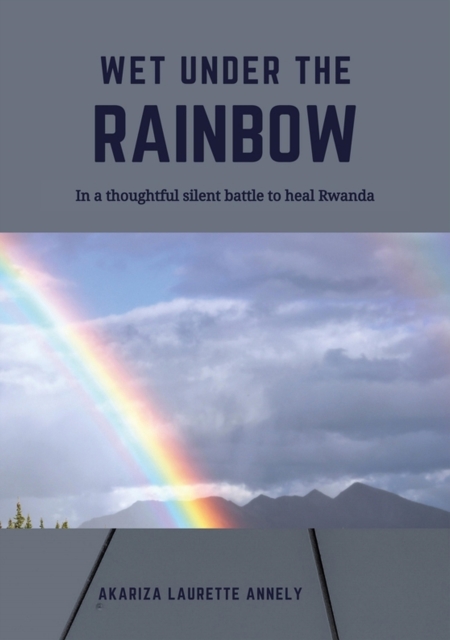
The book, "e;Wet under the Rainbow"e; by Akariza Laurette Annely, explores the profound impact of the genocide against Tutsi in Rwanda on the younger generation.
Reconfiguring Global Societies in the Pre-Vaccination Phase of the COVID-19 Pandemic examines lived experiences of the COVID-19 pandemic in communities and societies around the world before the arrival of vaccines.
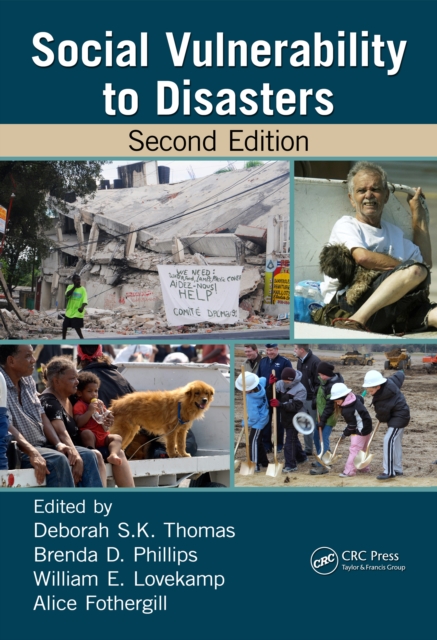
With chapters that incorporate additional perspectives on social vulnerability, this second edition focuses on the social construction of disasters, demonstrating how the characteristics of an event are not the only reason that tragedies unfurl.
State failure, ethnopolitical war, genocide, famine, and refugee flows are variants of a type of complex political and humanitarian crisis, exemplified during the 1990s in places like Somalia, Bosnia, Liberia, and Afghanistan.
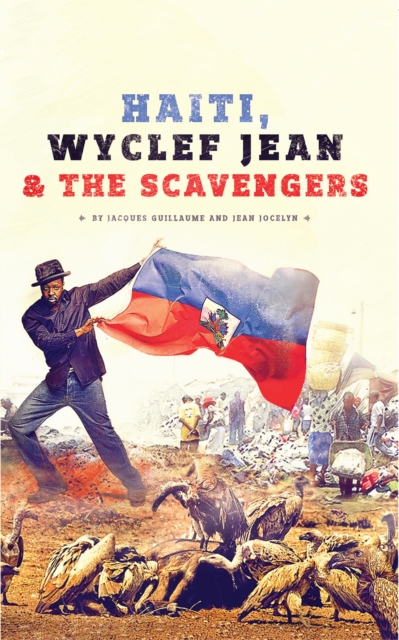
THE WORDS OF WYCLEF JEAN: I want to assure my countrymen that I will continue to work for Haitis renewal; though the board has determined that I am not a resident of Haiti, home is where the heart isand my heart has and will always be in Haiti.
The National Autistic Society estimates that Autism Spectrum Disorders (ASD) now affects 500,000 families in the UK alone, while one in 86 children have an ASD-related special educational need.
Why does it feel as if our most challenging problems today- the worldwide recession, global warming, fast-spreading viruses, terrorism and poverty- aren't getting solved?
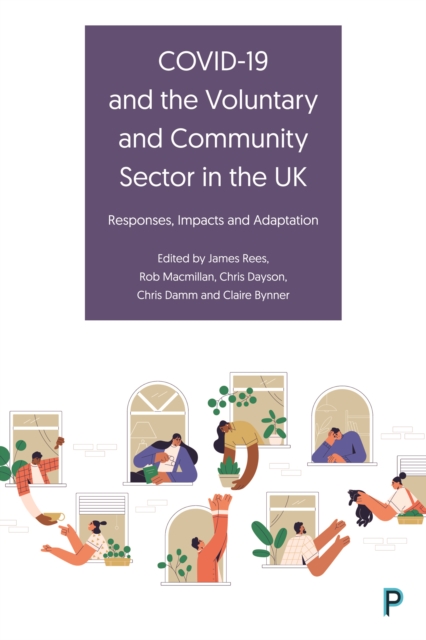
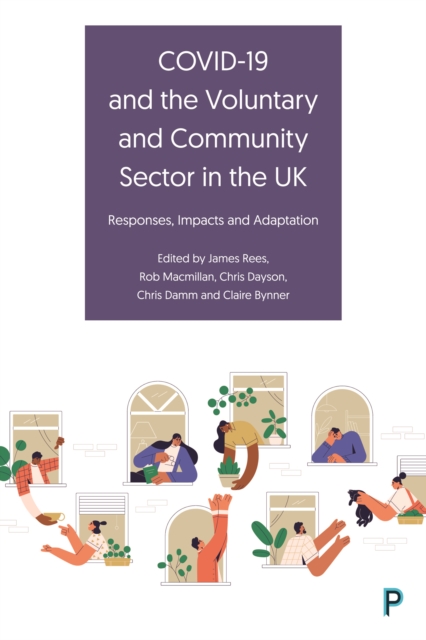
The voluntary sector was central to the COVID-19 response: fulfilling basic needs, highlighting new and existing inequalities and coordinating action where the state had been slow to respond.
The voluntary sector was central to the COVID-19 response: fulfilling basic needs, highlighting new and existing inequalities and coordinating action where the state had been slow to respond.
Providing an account of the policy response to COVID-19 in England, this book analyses the political and long-term systemic factors associated with the failures to control the first wave of the pandemic during 2020.
Providing an account of the policy response to COVID-19 in England, this book analyses the political and long-term systemic factors associated with the failures to control the first wave of the pandemic during 2020.
In this ground-breaking study, Sophie Body-Gendrot provides a comparative analysis of the growing problem of new forms of poverty and social marginalisation in contemporary advanced societies.
Here is a popular book with big set-piece descriptions accompanied by illustrations at its core, but with enough science to attract both the specialist reader and to educate the lay reader without scaring them off.