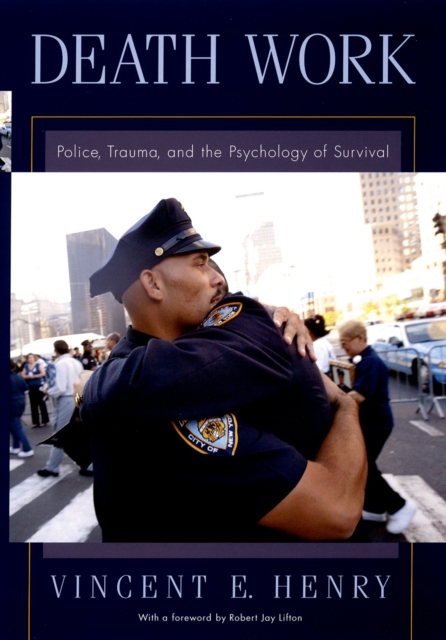
In this fascinating new book, Vincent Henry (a 21-year veteran of the NYPD who recently retired to become a university professor) explores the psychological transformations and adaptations that result from police officers' encounters with death.
Child maltreatment professionals from all disciplines struggle to find better ways of understanding and treating the families and children affected by maltreatment.
Public awareness regarding the life-threatening nature and intense traumatic impact of domestic violence has substantially increased in the past decade.
Various historians, philosophers, and social scientists have attempted to provide convincing explanations of the roots of violence, with mixed and confusing results.
In spite of society's wish to protect and insulate children from death, the experience of loss is unavoidable and there is surprisingly little guidance on how to help children cope with grief and bereavement.
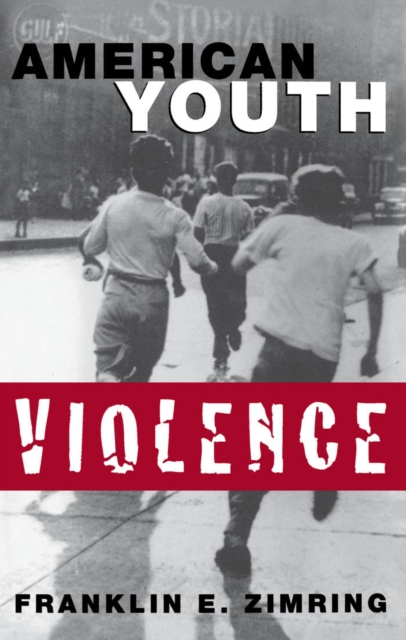
America is fascinated by violence--where it comes from in ourselves, how it spreads through society, what effect it has on younger generations, and how it looks, in all its chilling and sanguine detail.
1992 has been an explosive year for racial relations in the United States--from the reactions to the Rodney King verdict to debate about Malcolm X and the film portrayal of his role in American history.
Sexual assault is a worldwide public health concern, as it occurs to people of all genders at alarming rates and results in serious impacts to physical and mental health.
Sexual assault is a worldwide public health concern, as it occurs to people of all genders at alarming rates and results in serious impacts to physical and mental health.
In this book, Blustein presents the first study of an ethics of care, offering a detailed exploration of human "e;care"e; in its various guises: concern for and commitment to individuals, ideals, and causes.
A synthesis of literary critical and historical methods, Porterfield's book combines insightful analysis of Puritan theological writings with detailed examinations of historical records showing the changing patterns of church membership and domestic life.
The national press has recently lavished coverage on several major sex-related scandals: the Clarence Thomas-Anita Hill hearings, the William Kennedy Smith rape trial, and the Mike Tyson case.
Every day there are new stories of gang-related crime: from the proliferation of illegal weapons in the streets and children dealing drugs in their schools, to innocent bystanders caught in the crossfire of never-ending gang wars.
Child abuse policy in the United States contains dangerous contradictions, which have only intenstified as the public slowly accepted it as a middle class problem.
With a view to deepening our understanding of sources of hatred and prejudice, this book uses a developmental and evolutionary perspective to explore and explain the process by which our beliefs are conveyed to the youngest members of society.
This illuminating work on one of today's most provocative issues provides all the necessary information for careful, critical thinking about the concept of sexual harassment.
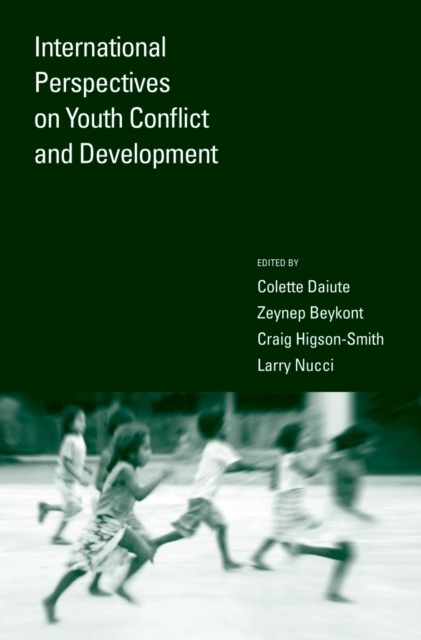
The volume aims to shift the foundation of youth conflict study from the more typical focus on maturation, behavior, and personality to a characterization of youth as participants in society.
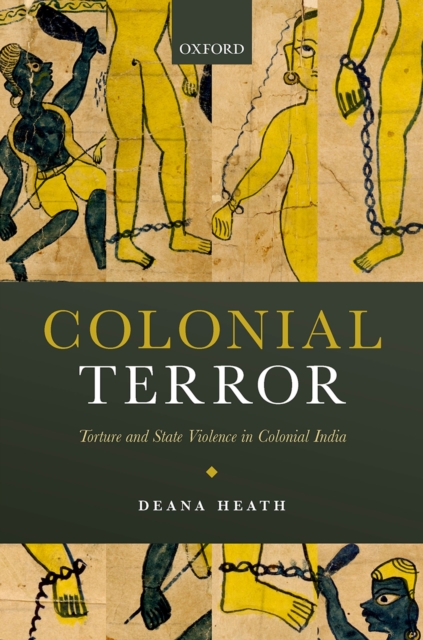
Focusing on India between the early nineteenth century and the First World War, Colonial Terror explores the centrality of the torture of Indian bodies to the law-preserving violence of colonial rule and some of the ways in which extraordinary violence was embedded in the ordinary operation of colonial states.
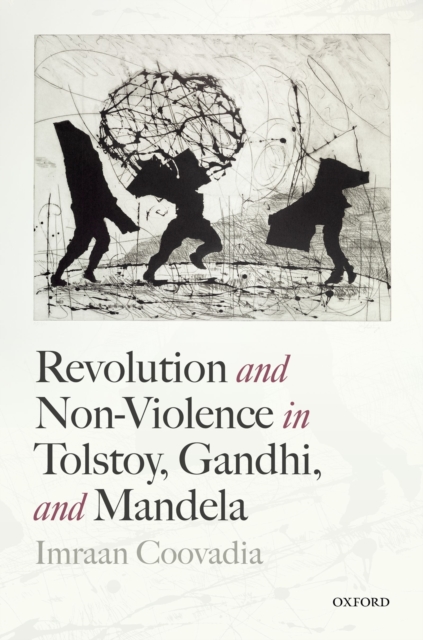
The dangers of political violence and the possibilities of non-violence were the central themes of three lives which changed the twentieth century--Leo Tolstoy, writer and aristocrat who turned against his class, Mohandas Gandhi who corresponded with Tolstoy and considered him the most important person of the time, and Nelson Mandela, prisoner and statesman, who read War and Peace on Robben Island and who, despite having led a campaign of sabotage, saw himself as a successor to Gandhi.
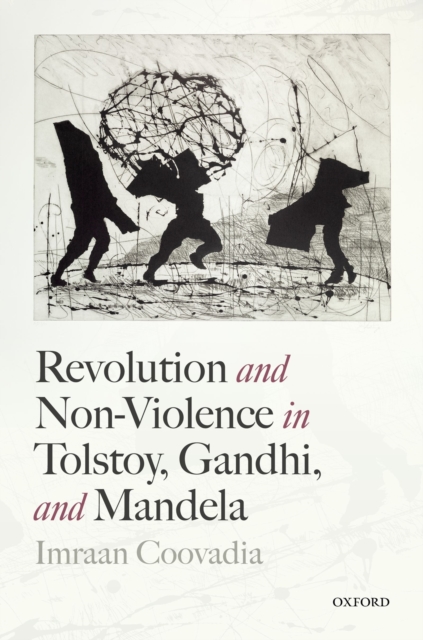
The dangers of political violence and the possibilities of non-violence were the central themes of three lives which changed the twentieth century--Leo Tolstoy, writer and aristocrat who turned against his class, Mohandas Gandhi who corresponded with Tolstoy and considered him the most important person of the time, and Nelson Mandela, prisoner and statesman, who read War and Peace on Robben Island and who, despite having led a campaign of sabotage, saw himself as a successor to Gandhi.
Very Short Introductions: Brilliant, Sharp, Inspiring We regularly encounter appalling wrongdoing, with the media offering a depressing parade of violent assault, rape, and murder.
Very Short Introductions: Brilliant, Sharp, Inspiring We regularly encounter appalling wrongdoing, with the media offering a depressing parade of violent assault, rape, and murder.
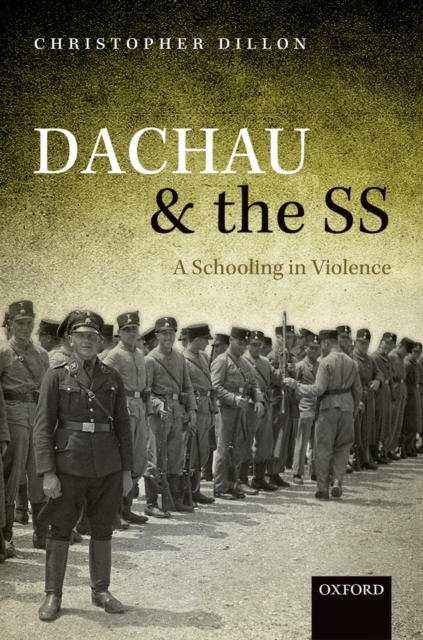
Dachau and the SS studies the concentration camp guards at Dachau, the first SS concentration camp and a national 'school' of violence for its concentration camp personnel.