On August 12, 1983, Judy Johnson called the police and told them her two-year-old son had been sexually abused at Virginia McMartin's Preschool in Manhattan Beach, California.
In Reinvent Your Personal Safety, Matt Tamas takes women through a proactive approach to personal safety, one that isn't about honing technical moves or perfecting technique, but more about showing them how to work with their own body and mind, considering realistic scenarios, and training them to take appropriate action.
A powerful firsthand look into the lives of grandparents and other relatives stepping in to raise childrenand the people and policies that help them thrive.
SHORTLISTED FOR THE 2025 DAVITT AWARD FOR NON-FICTIONThis powerful memoir gives extraordinary insight into a secretive sect, and the horror Dassi Erlich had to survive.
Unha muller que vive como testemuña protexida nun piso en Vigo; un narcotraficante da Arousa que domina a través da extorsión e a agresividade; un garda civil da fronteira portuguesa que se ve inmerso nun suceso; unha muller que obrigada a gravar varias películas de contido para adultos.
En esta obra se estudia minuciosamente el problema del acoso escolar y el ciberacoso que, aunque ha existido siempre, desde hace algunas decadas y mas en la actualidad, se esta agravando considerablemente entre los menores escolares.
In this incisive book, Reason editor Jacob Sullum untangles America's twin crusades against guns and drugs, suggesting better-tailored alternatives that do more good while causing less harm.
In this incisive book, Reason editor Jacob Sullum untangles America's twin crusades against guns and drugs, suggesting better-tailored alternatives that do more good while causing less harm.
Touched: A Memoir of Child Sexual Abuse and Survival chronicles one man's experience with sexual abuse and his lifelong journey toward healing and self-understanding.
Kirchliche Kindertageseinrichtungen stehen zunehmend vor der Herausforderung, ihre Arbeit unter veranderten gesellschaftlichen und finanziellen Rahmenbedingungen zu sichern.
In the tradition of The Glass Castle, a poignant, inspirational memoir of a lonely girl who survived decades of harrowing abuse at home to open her heart and redefine what it is to be a family and a mom.
The Social Dynamics of Family Violence explores family violence through the life course, from child abuse and neglect to intimate partner violence and elder abuse.
The Social Dynamics of Family Violence explores family violence through the life course, from child abuse and neglect to intimate partner violence and elder abuse.
Touched: A Memoir of Child Sexual Abuse and Survival chronicles one man's experience with sexual abuse and his lifelong journey toward healing and self-understanding.
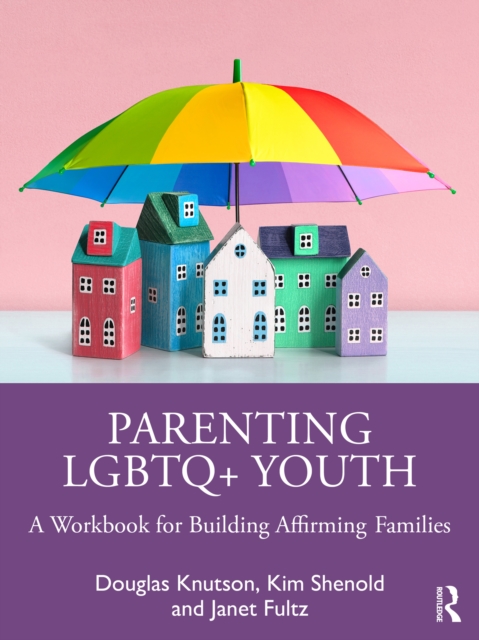
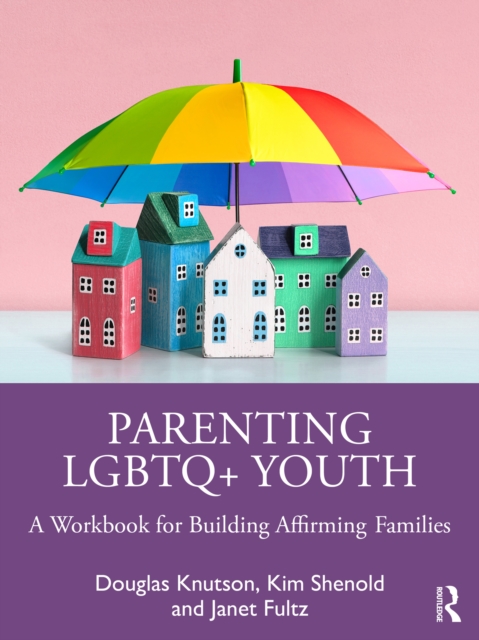
This compassionate guide helps parents examine and transform their approach to raising LGBTQ+ youth through thoughtful explorations of personal values, societal expectations, and the power of loving support.
Rooted in Carl Rogers' person-centred approach, this book skilfully combines person-centred theory with social commentary to explore the root of many problems people face - namely, a lack of authenticity.
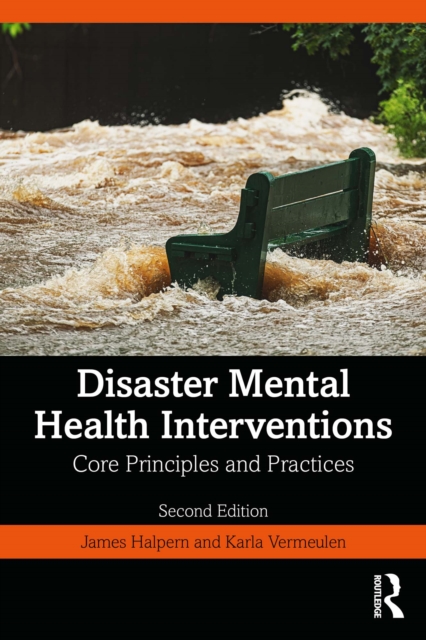
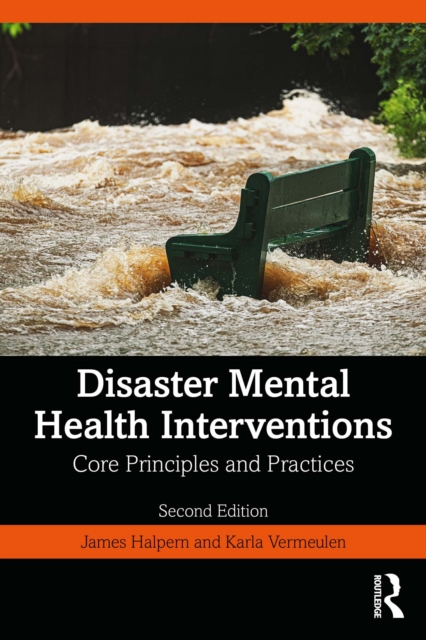
Disaster Mental Health Interventions: Core Principles and Practices, Second Edition, is a comprehensive overview of the physical and psychological impacts of disasters, and of current best practices for addressing survivors' reactions.
An undoubtable classic, this landmark book from 2009 remains a vital and comprehensive resource for helping couples explore their intimacy and embrace their true, satisfying sexual style.
This compassionate guide helps parents examine and transform their approach to raising LGBTQ+ youth through thoughtful explorations of personal values, societal expectations, and the power of loving support.
Rooted in Carl Rogers' person-centred approach, this book skilfully combines person-centred theory with social commentary to explore the root of many problems people face - namely, a lack of authenticity.
Disaster Mental Health Interventions: Core Principles and Practices, Second Edition, is a comprehensive overview of the physical and psychological impacts of disasters, and of current best practices for addressing survivors' reactions.
An undoubtable classic, this landmark book from 2009 remains a vital and comprehensive resource for helping couples explore their intimacy and embrace their true, satisfying sexual style.
Religiöses Recht ist immer wieder in Diskussion: Jüdisches Recht bei der Beschneidung, islamisches Recht beim Schächten und katholisches Kirchenrecht bei der Bistums-Finanzverwaltung.
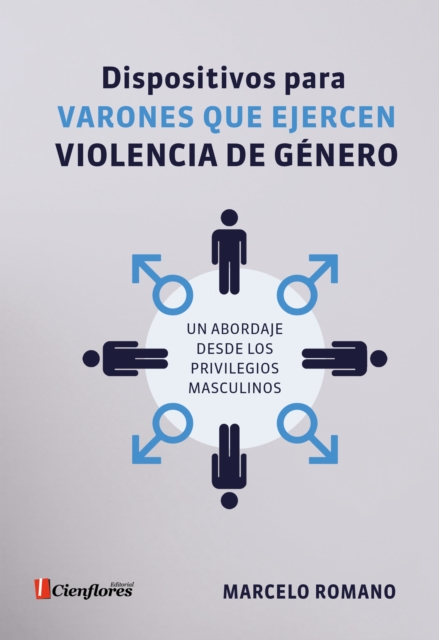
En este texto abordaremos los aspectos más salientes del dispositivo integral psico-socio-educativo de intervención con hombres que ejercen violencia de género (HEVG) en los ámbitos relacionales afectivos.