A fulfilling sex life is one of the great joys of life,yet many woman silently wonder why their own sexual pleasure falls short of the romantic fantasies they hear about.
One in three girls will be in a controlling, abusive dating relationship before she graduates from high school from verbal or emotional abuse to sexual abuse or physical battering.
From the co-author of the New York Times bestseller When Elephants Weep comes a book that uses true stories backed by scientific research to explore the way young animals discover their worlds and learn how to survive.
As wry as Bill Bryson's I'm a Stranger Here Myself, as insightful as Tracy Kidder's House, here is smart, engaging tale of one man's stuggle to restore his family's new home-a decrepit old mansion-and discover himself With his pregnant wife and their 18-month-old son in tow, David Giffels scoured the environs of Akron, OH, in search of the perfect house.
Based on extensive clinical research, this book sheds new light onto how Mindfulness Based Stress Reduction (MBSR) can be used with older adults as an effective complementary intervention, identifying specific ways in which MBSR programmes can be adapted and fine-tuned to meet the needs of this group.
A hilarious collection of the very best 'OK Boomer' moments of the internet covering all aspects of modern life - the climate crisis to technology, customer service to pop culture, money to working life.
A groundbreaking account of how the welfare state began with early nineteenth-century child labor laws, and how middle-class and elite reformers made it happenThe beginnings of the modern welfare state are often traced to the late nineteenth-century labor movement and to policymakers' efforts to appeal to working-class voters.
A guide to the latest research on how young people can develop positive ethnic-racial identities and strong interracial relationsToday's young people are growing up in an increasingly ethnically and racially diverse society.
'An inspirational call to arms' DAILY MAIL'This book is so sensible, so substantially researched, so briskly written, so clear in its arguments, that one wishes Baroness Cavendish was still whispering into the prime ministerial ear' THE TIMES'A thoughtful handbook to help societies age gracefully' FINANCIAL TIMES'This bold, visionary book is a wake-up call to governments.
'Full of practical parenting advice that will give you the tools to guide your child through this time' Daily ExpressRaising a tween can often leave you feeling like a parenting beginner all over again.
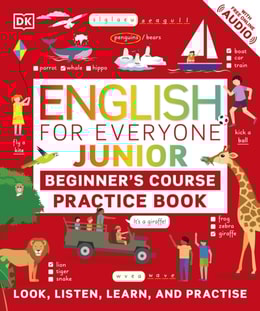
Accompanying the English for Everyone Junior: Beginner's Course, this beautifully illustrated workbook features more than 1,000 vocabulary and grammar exercises for children starting to learn English as a foreign language.
Practitioners who work with clients at the end of their lives face difficult decisions concerning the client's self-determination, the kind of death he or she will have, and the prolongation of life.
Social service agencies are facing the same expectations in quality management and outcomes as private companies, compelling staff members and researchers to provide and interpret valid and useful research to stakeholders at all levels in the field.
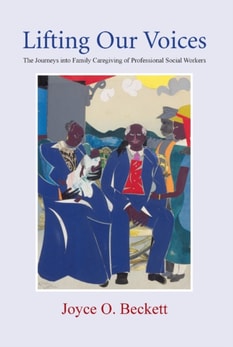
Lifting Our Voices is the only book to explore the dual roles of professional social workers who are also family caregivers and the only collection on caregiving in which the majority of contributors are African American.
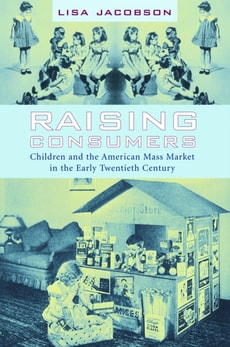
In the present electronic torrent of MTV and teen flicks, Nintendo and Air Jordan advertisements, consumer culture is an unmistakably important-and controversial-dimension of modern childhood.
From the hugely respected journalist Miranda Sawyer, a very modern look at the midlife crisis - delving into the truth, and lies, of the experience and how to survive it, with thoughtfulness, insight and humour.
International bestselling authors of YOU: The Owner's Manual and YOU: On a Diet give you all the tools and know-how to stay young and defy the ageing process.
An easy-to-learn, easy-to-use tool for in-depth Bible studyBeloved and acclaimed for more than five generations, the Thompson(R) Chain-Reference(R) Bible is unparalleled in its ability to enrich personal devotions, topical study, and sermon preparation.
As the world's youth population continues to grow and interact globally in an instant through blogging, texting, and social networking, youth ministry is adapting in equal fashion.
In Live Love Now, New York Times bestselling author Rachel Macy Stafford tackles the biggest challenges facing kids today and equips adults to engage them with humanness and heart, compassion and honesty to discover the deep, life-giving connection everyone is longing for.