The volume 3 of this series is designed to present educators with current research and emerging issues in teaching, learning and motivation in a multicultural context.
Racism by Another Name: Black Students, Overrepresentation, and the Carceral State of Special Education is a thought-provoking and timely book that provides a landscape for understanding and challenging educational (in)opportunities for Black students who are identified for special education.
The pages of this book paint a portrait of thirteen scholars and their lifelong professional accomplishments in and contributions to teaching, service, and research in global international education around the world.
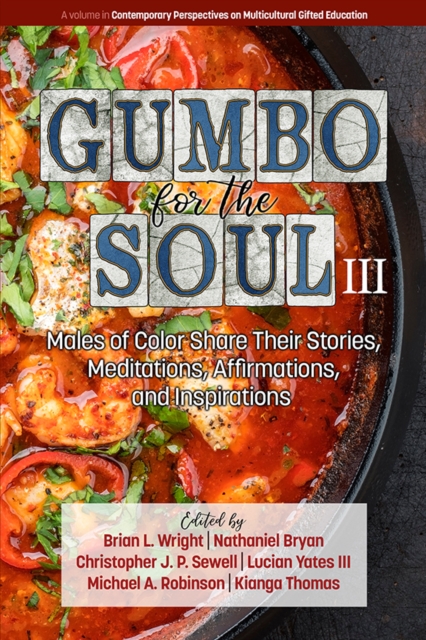
This book for, about, and by Males of Color, amplifies triumphs and successes while documenting trials and tribulations that are instructive, inspiring, and praiseworthy.
A Second Helping of Gumbo for the Soul is a collection of essays, stories, and narratives designed to inspire and empower women of color through the use of storytelling and narratives.
We began the call for this book by asking authors to ideate on activism -to take up and seek to extend- the interbraided values from the Curriculum and Pedagogy group's espoused mission and vision, collocating activist ideologies, theoretical traditions, and practical orientations as a means of creatively, reflectively, and productively responding to the increasingly dire social moment.
Recent discussions and dissemination of information regarding the rapid growth of Asian Americans and Pacific Islanders (AAPI) across our nation are creating some awareness among administrators and educators in higher education institutions regarding the extensive diversity of AAPIs, the struggles of some AAPI populations in pursuing and succeeding in higher education, and the lack of support for their educational success.
Established in 2006, the American Association of Blacks in Higher Education (AABHE), formerly constituted as the Black Caucus (American Association of Higher Education), has been the consistent voice of Black issues in academe.
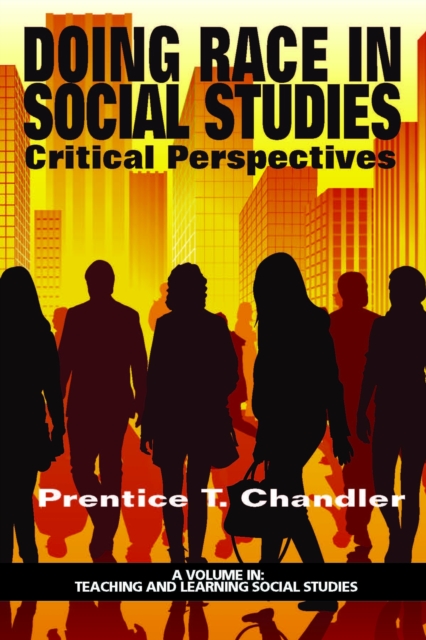
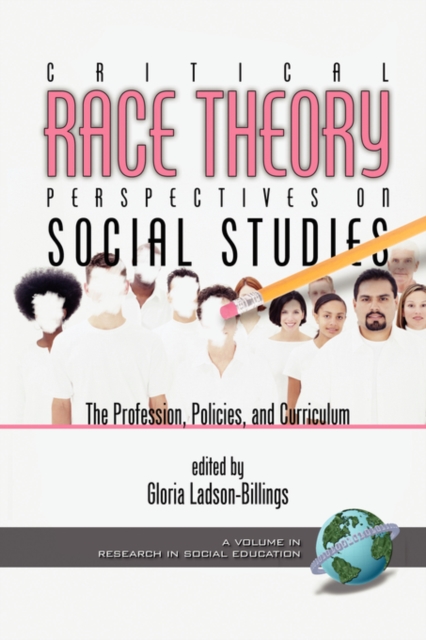
We hold that the mission of social studies is not attainable, without attention to the ways in which race and racism play out in society-past, present, and future.
The book, Talking About Structural Inequalities in Everyday Life: New Politics of Race in Groups, Organizations, and Social Systems, provides critical attention to contemporary, innovative, and cutting-edge issues in group, organizational, and social systems that address the complexities of racialized structural inequalities in everyday life.
Established in 2006, the American Association of Blacks in Higher Education (AABHE), formerly constituted as the Black Caucus (American Association of Higher Education), has been the consistent voice of Black issues in academe.
The book, Talking About Structural Inequalities in Everyday Life: New Politics of Race in Groups, Organizations, and Social Systems, provides critical attention to contemporary, innovative, and cutting-edge issues in group, organizational, and social systems that address the complexities of racialized structural inequalities in everyday life.
While White parents raising Black children has become increasingly salient in the last 20-30 years, the experience of those who grow up in these cross-racial families is much more complicated.
Recent discussions and dissemination of information regarding the rapid growth of Asian Americans and Pacific Islanders (AAPI) across our nation are creating some awareness among administrators and educators in higher education institutions regarding the extensive diversity of AAPIs, the struggles of some AAPI populations in pursuing and succeeding in higher education, and the lack of support for their educational success.
Discussions and research related to the salience of Black male student needs and development in relation to their general success and well-being is well-documented in many fields.
Killing the Model Minority Stereotype comprehensively explores the complex permutations of the Asian model minority myth, exposing the ways in which stereotypes of Asian/Americans operate in the service of racism.
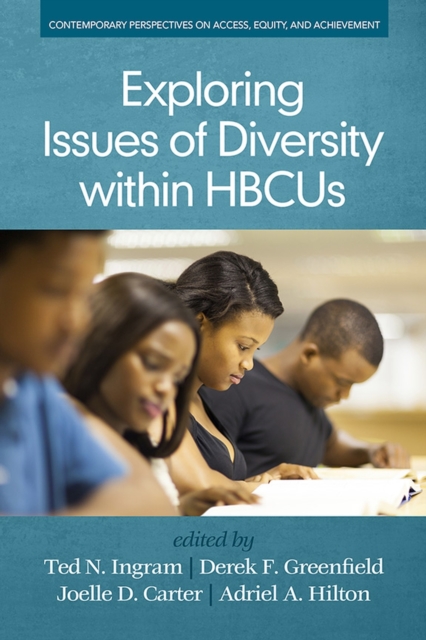
The purpose of this edited volume is to examine the historical and contemporary dynamics of diversity as well as the realities, challenges, and opportunities associated with diversity work at Historically Black Colleges and Universities (HBCUs).
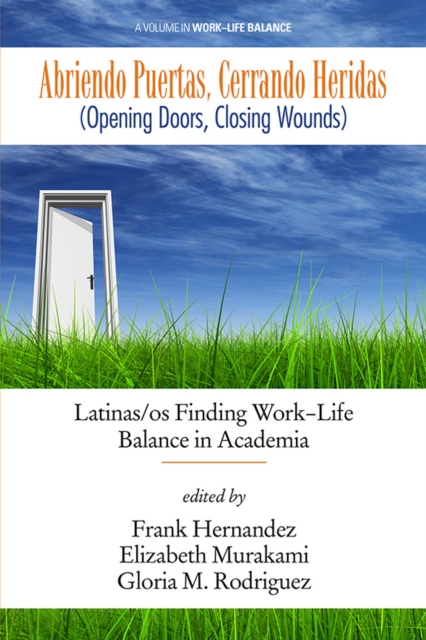
Abriendo Puertas, Cerrando Heridas (Opening Doors, Closing Wounds): Latinas/os Finding Work-Life Balance in Academia is the newest book in the series on balancing work and life in the academy.
Democratizing educational access and building capacity in developing countries and amongst indigenous peoples in developed countries may be elusive but are hopeful goals.
Democratizing educational access and building capacity in developing countries and amongst indigenous peoples in developed countries may be elusive but are hopeful goals.
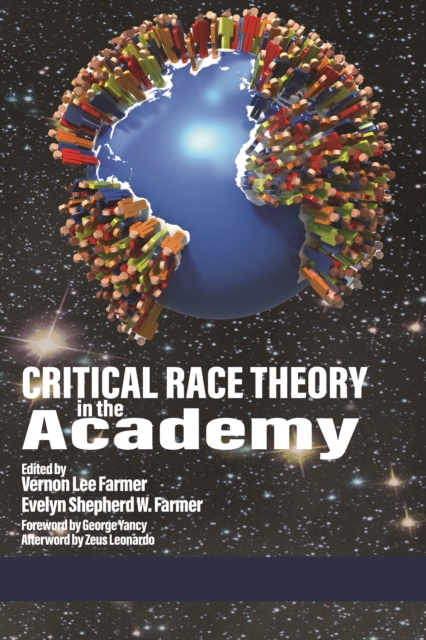
Critical Race Theory in the Academy explores the deep implications of race and its effects on the expanse of the American social fabric and its fragile democratic process.
This anthology is the second volume in a series sponsored by the Special Interest Group-Research on the education of Asian and Pacific Americans (SIG-REAPA) of the American Educational Research Association and California Association for Asian and Pacific American Education.
The aim of this book is to present some recent research findings on dif-ferent aspects of multicultural education, thus informing educators of issues, policies and new approaches to multicultural education being used around the world.
The volume 3 of this series is designed to present educators with current research and emerging issues in teaching, learning and motivation in a multicultural context.
This volume covers topics including: translation issues in cross-cultural research; African American teachers for African American students; the social mediation of metacognition; and cross-cultural similarities and differences in affective meaning of achievement.
The failure of American education to achieve racial diversity has resulted from the inability of educational researchers, policy makers and judicial officials to disentangle the complex definitions that have emerged in a post-segregated society.
Fourteen American and Canadian academics contribute 13 chapters placing race at the center of an understanding of social studies practices in education.