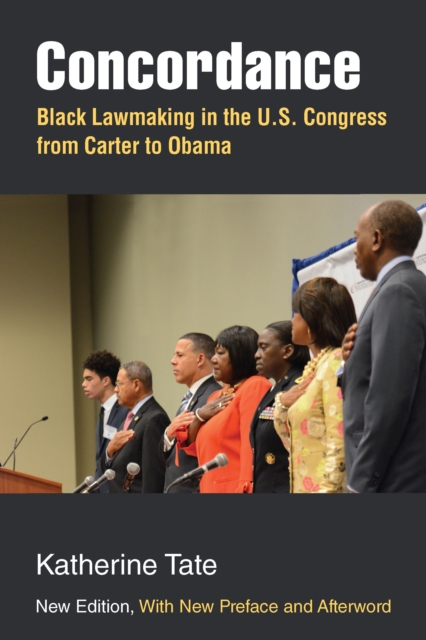
The promise of Reconstruction sparked a transformative era in American history as free and newly emancipated Black Americans sought to redefine their place in a nation still grappling with the legacy of slavery.
This book sets out the options available to local housing authorities and housing associations, primarily by reference to England, in seeking to detect and act upon housing fraud.
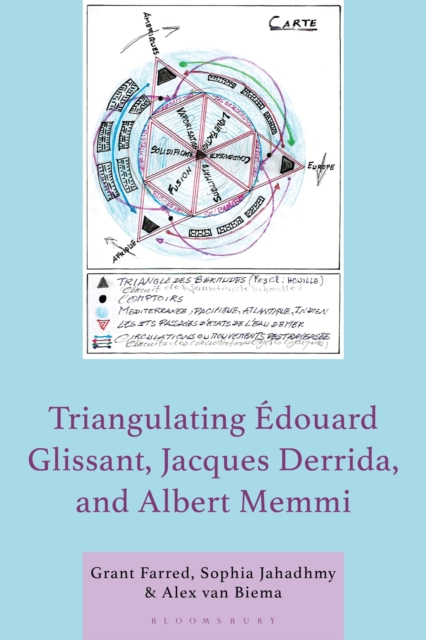
This book uses Edouard Glissant's concept of the transfer and the transplant to examine Jacques Derrida and Albert Memmi's distinctive relationships to French colonialism.
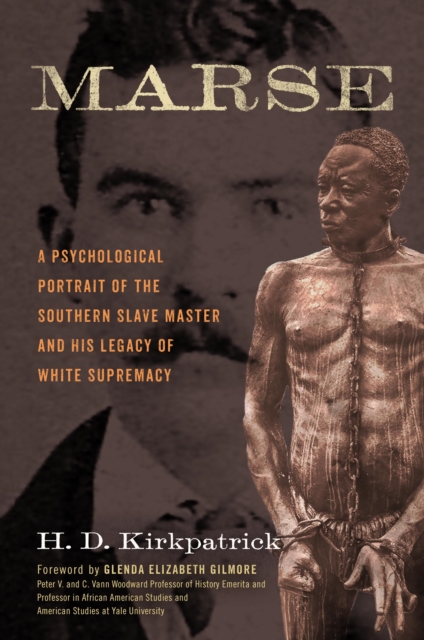
Marse: A Psychological Portrait of the Southern Slave Masterand His Legacy of White Supremacy focuses on the white men who composed the antebellum southern planter class in the period of 1830-1861.
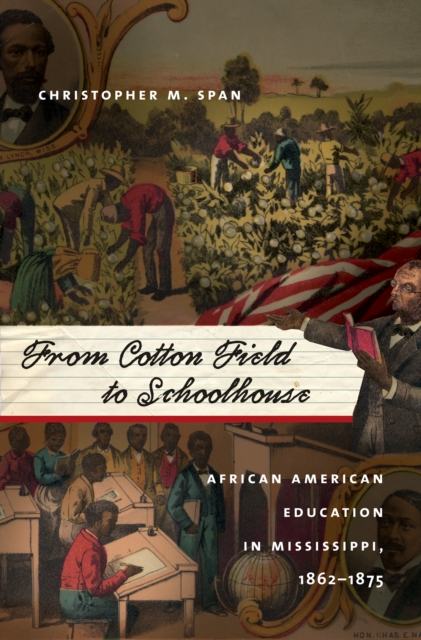
In the years immediately following the Civil War the formative years for an emerging society of freed African Americans in Mississippi there was much debate over the general purpose of black schools and who would control them.
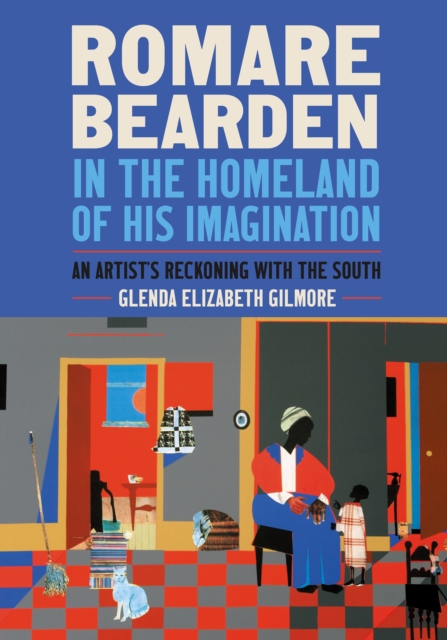
Romare Bearden (19111988), one of the most prolific, original, and acclaimed American artists of the twentieth century,richly depictedscenes and figures rooted in the American South and the Black experience.
In the years immediately following the Civil War the formative years for an emerging society of freed African Americans in Mississippi there was much debate over the general purpose of black schools and who would control them.
Marse: A Psychological Portrait of the Southern Slave Masterand His Legacy of White Supremacy focuses on the white men who composed the antebellum southern planter class in the period of 1830-1861.
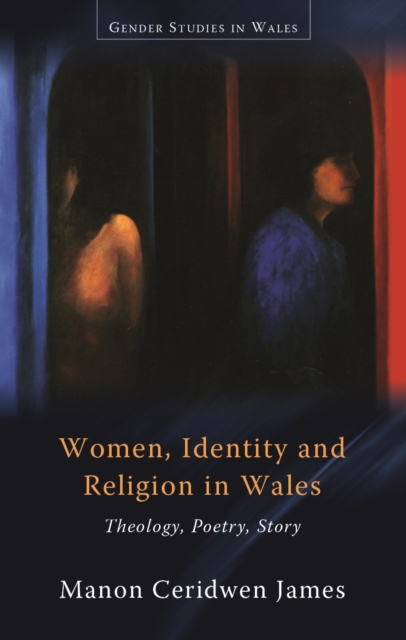
This rich interdisciplinary book brings significant and original insights to the study of Welsh identity and religion, as well as exploring the distinctive pressures that Welsh women face in their everyday lives.
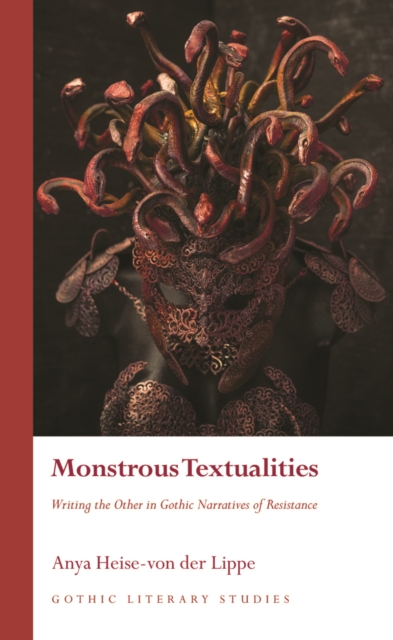
Monstrous textuality emerges when Gothic narratives like Frankenstein reflect the monstrous in their narrative structure to create narratives of resistance, and allows writers to meta-narratively reflect their own poetics and textual production, and reclaim authority over their work under circumstances of systemic cultural oppression and Othering.
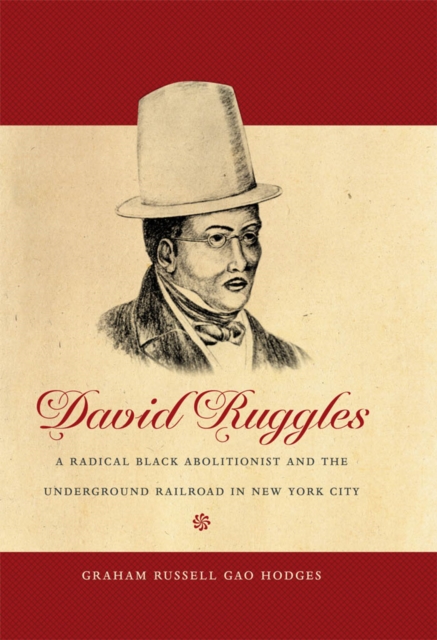
David Ruggles (18101849) was one of the most heroic and has been one of the most often overlooked figures of the early abolitionist movement in America.
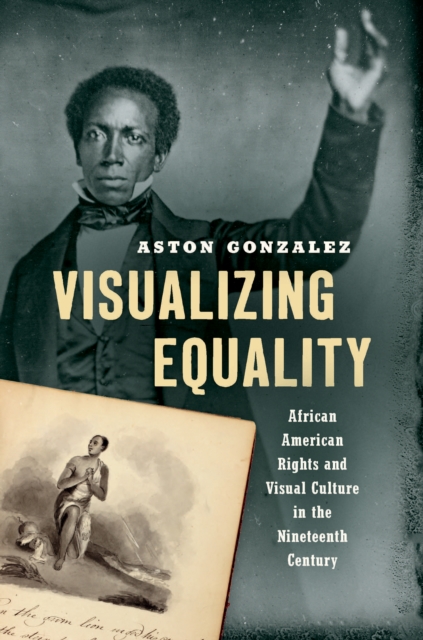
The fight for racial equality in the nineteenth century played out not only in marches and political conventions but also in the print and visual culture created and disseminated throughout the United States by African Americans.
This book sets out the options available to local housing authorities and housing associations, primarily by reference to England, in seeking to detect and act upon housing fraud.
The promise of Reconstruction sparked a transformative era in American history as free and newly emancipated Black Americans sought to redefine their place in a nation still grappling with the legacy of slavery.
From television to travel bans, geopolitics to popular dance, The Subject of Revolution explores how knowledge about the 1959 Cuban Revolution was produced and how the Revolution in turn shaped new worldviews.
Seminar paper from the year 2007 in the subject Sociology - Culture, Technology, Nations, grade: 2,3, Bielefeld University (Fakultat fur Soziologie, Lehr- und Forschungsbereich Politikwissenschaft), course: Risikoregime, language: English, abstract: Die Hausarbeit untersucht den Einfluss sozialer Bewegungen auf die Konstruktion von gesellschaftlich wahrgenommenen Risiken am Beispiel der deutschen Anti-AKW-Bewegung.
One June morning in 2026, the Supreme Court struck down a fifty-year-old limit on money in politics -- and, the same morning, refused to let the government erase birthright citizenship.
Seminar paper from the year 2008 in the subject Cultural Studies - Basics and Definitions, grade: 1,7, European University Viadrina Frankfurt (Oder), course: Leadership.
Triple Award Winner, including Silver Nautilus Book Award and Independent Publisher Bronze Medal for Memoir, and Next Generation Book Award Finalist for SpiritualityTo the chagrin of her parents, Polish Jews who survived the Holocaust, the author became a Buddhist at 19, nearly tearing her family apart.