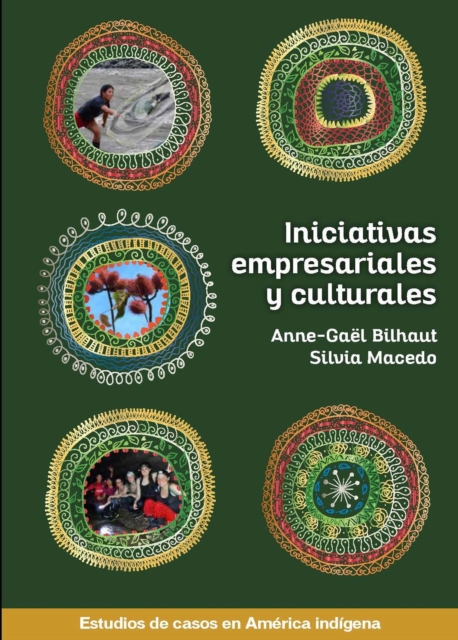
Esta publicación contiene investigaciones de campo que se desarrolló principalmente en Madrid – España, donde durante dos años – 2004 y 2005 – se siguió el rastro y se estableció contacto con varias personas de la comunidad kichwa-otavaleña de Madrid.
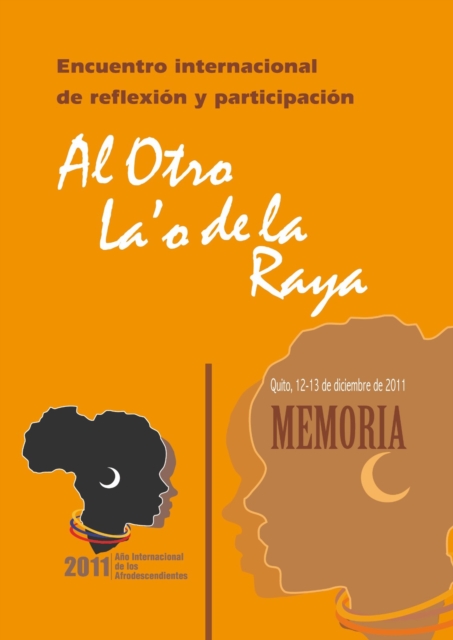
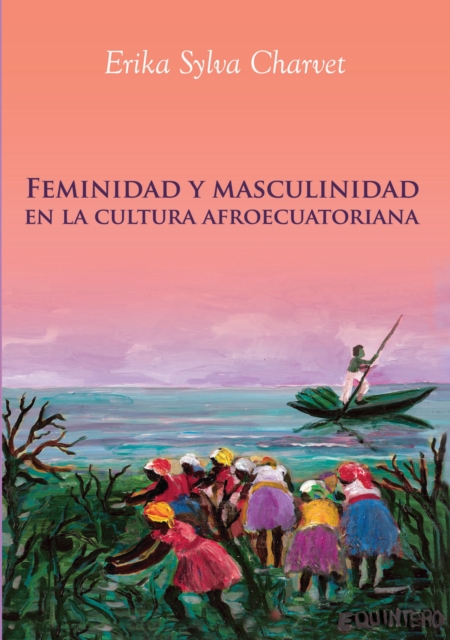
En el marco del "Año internacional de los Afrodescendientes", el Ministerio de Relaciones Exteriores, Comercio e Integración (MRECI), la Organización de Estados Iberoamericanos para la Educación, la Ciencia y la Cultura (OEI) y la Universidad Politécnica Salesiana (UPS), organizaron el Encuentro Internacional de Reflexión y Participación AL OTRO LA'O DE LA RAYA (Quito, 12 – 13 de diciembre de 2011) cuyo objetivo fue la recuperación de la memoria y fortalecimiento de la identidad de los pueblos afrodescendientes en zonas de frontera.
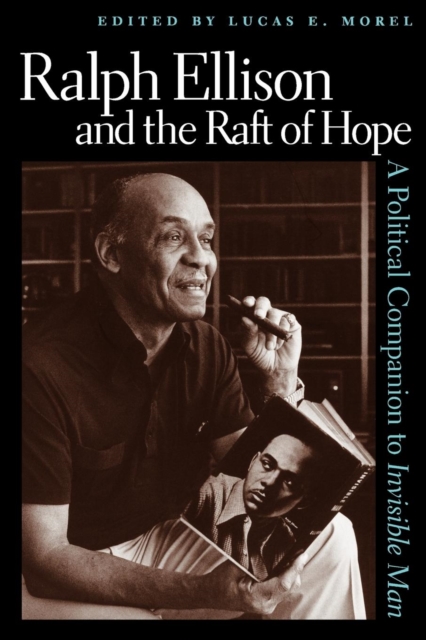
An important new collection of original essays that examine how Ellison's landmark novel, Invisible Man (1952), addresses the social, cultural, political, economic, and racial contradictions of America.
Presenting six case studies from Taiwan, Japan, South Korea, Singapore, and Hong Kong, this volume marks one of the first forums dedicated to the emerging second generation in Asia.
Desde distintas miradas, este libro escudriña las muchas facetas que tiene la diversidad y los retos que enfrentamos al tratar de entenderlas y aceptarlas.
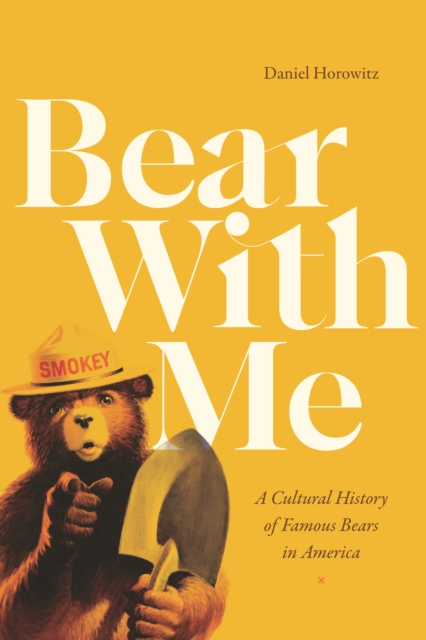
From teddy bears and Winnie-the-Pooh to Smokey Bear, Yogi Bear, and Cocaine Bear, American popular culture has been fascinated with real and fictional bears for more than two centuries.
Knowledge production in the Anglosphere depends on the erasure of non-Western ways of knowing especially ways of knowing oneself, the lands and waters, and the relationships between these entities.
How public radio has perpetuated racial inequality since its foundingand how journalists of color are challenging white dominance in the workplace and on the public airwavesNational Public Radio was established in 1970 with a mission to provide programming for all Americans, yet the gap between public radio's pluralistic mandate and its failure to serve marginalized communities has plagued the industry from the start.
How public radio has perpetuated racial inequality since its foundingand how journalists of color are challenging white dominance in the workplace and on the public airwavesNational Public Radio was established in 1970 with a mission to provide programming for all Americans, yet the gap between public radio's pluralistic mandate and its failure to serve marginalized communities has plagued the industry from the start.
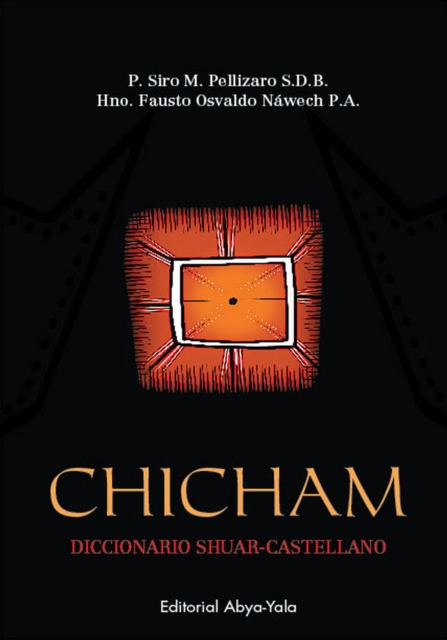
Este diccionario shuar-castellano lo llamamos enciclopédico porque, además del significado de las palabras, da información sobre la mitología, el uso de las plantas y las costumbres de los animales.
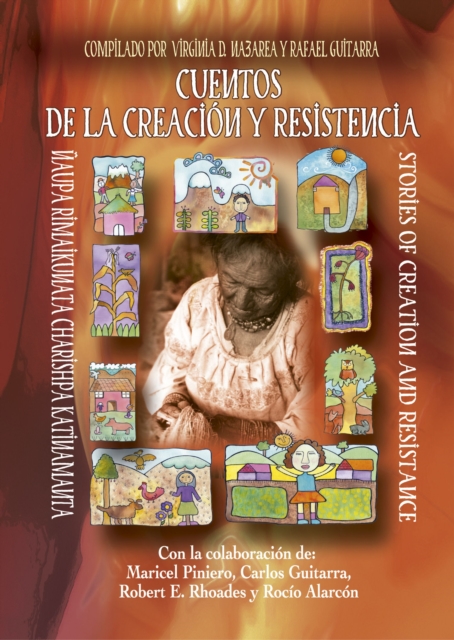
Este libro presenta cuentos sobre la creación y la resistencia, dos temas que parecen permear las historias, leyendas y mitos que comparten los indígenas de Cotacachi en el norte ecuatoriano.
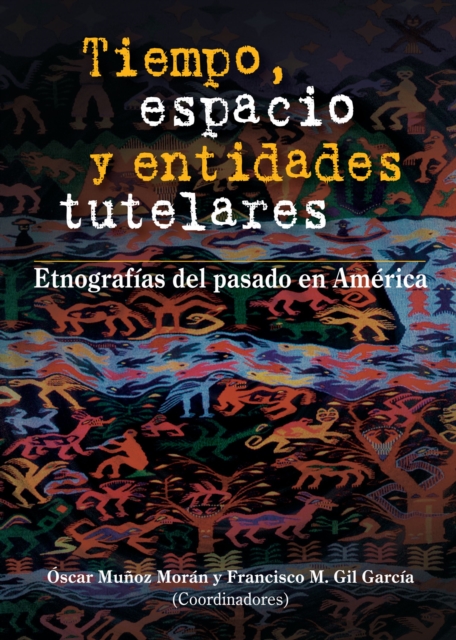
La representacion que del pasado se hacen las poblaciones americanas, y muy especialmente las poblaciones amerindias, parece estar estrechamente vinculada a una serie de hitos espaciales y a determinadas entidades tutelares relacionadas con estos lugares.
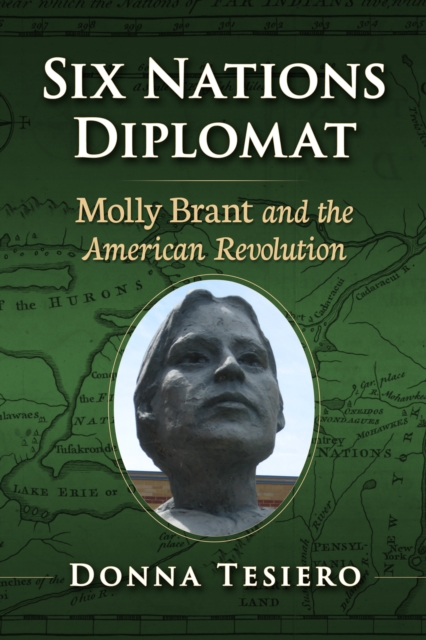
At the dawn of the American Revolution, 39-year-old Molly Brant, a Mohawk Indian, is the widowed partner of the legendary Sir William Johnson and mother of their eight young children.
At the dawn of the American Revolution, 39-year-old Molly Brant, a Mohawk Indian, is the widowed partner of the legendary Sir William Johnson and mother of their eight young children.
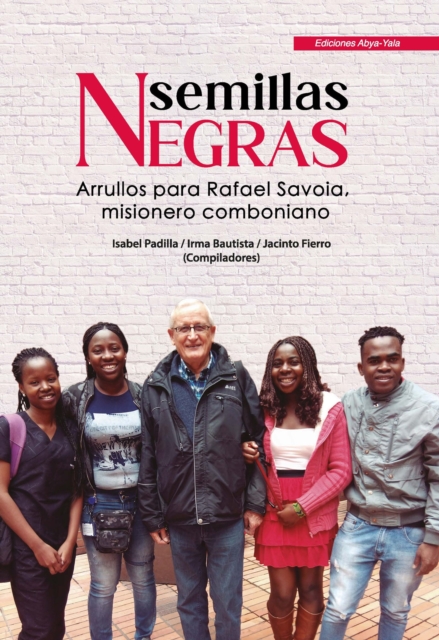
Desde 1969, el padre Rafael Savoia, misionero comboniano de nacionalidad italiana, trabaja por la reivindicación de los derechos, el reconocimiento de la cultura y la espiritualidad de los afroecuatorianos, en particular, y de los afroamericanos en general.
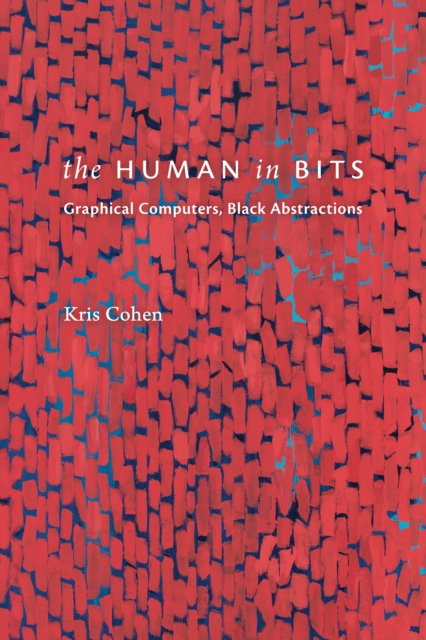
In The Human in Bits, Kris Cohen examines black abstractionist painting to demonstrate how race and computation are intimately entangled with the personal computer's graphic user interface.
This book offers examinations from the field of fat studies to consider how fat social justice has been conceptualized in the past, its status today, and how we might more effectively envision and strategize around fat social justice for the future.
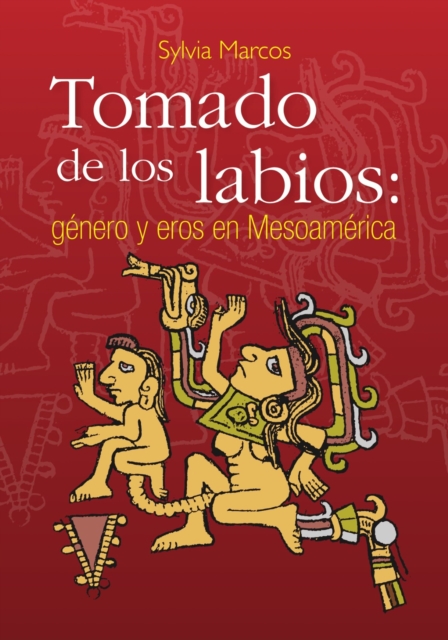
Los ensayos que contiene este libro se mueven en diferentes tiempos, en forma semejante a una espiral que siempre regresa a varias versiones del pasado visto siempre en nuevas perspectivas, un poco diferente aqui pero siempre reconocible, evidentemente modernizado alla, pero sin perder nunca su referencia al movimiento de tiempo ciclico que es propio de las culturas mesoamericanas.
Presenting six case studies from Taiwan, Japan, South Korea, Singapore, and Hong Kong, this volume marks one of the first forums dedicated to the emerging second generation in Asia.
This concise, clear, accessible book is meant to truly engage students by using personal stories, solid research, and key theories that illustrate how sociologists look at life, the way we understand social dynamics, what "e;socially constructed"e; means, and how a sociological sensibility can, ultimately, be liberating.
Wie kann man erlittene Gewalt und Massenmord in den unterschiedlichen Lagern erzählen und eine adäquate Sprache dafür finden, die das Erlittene weder banalisiert noch als überwunden beruhigend automatisiert?
Synthese balayant le dernier demi-siecle, cet essai, dans sa premiere partie, recherche les causes des problemes de notre societe : endettement, crise ecologique, fracture sociale, immigration, etc.