This is the first study on the development of Italian ethnic identity in North America (United States and Canada) from a gender perspective and based on memoir.
"e;Claims about genetic superiority ignore the real drivers of human inequality"e;, The Conversation, by Robert Chernomas and Ian HudsonBiological justification for all forms of inequality has a long history, with the claim that particular groups suffer disproportionately from inherited flaws of ability and character used to explain a remarkably wide variety of inequalities.
Training and Promotion in Nationalised Industry (1951) is the results of a study made into the personnel department and into certain aspects of personnel policy in the nationalised coal, electricity, gas, transport and airways industries in postwar Britain.
First published in 1990, Politics in Modern Africa explores the impact of traditional loyalties ('tribalism') on political and economic problems in nine African states-Uganda, Ghana, Nigeria, Kenya, Senegal, Guinea, Zaire, Angola, and Zimbabwe.
Planning and Productivity in Sweden (1976) examines the success of Sweden's economy and working arrangements, detailing how a resource-poor nation came to achieve such high living standards.
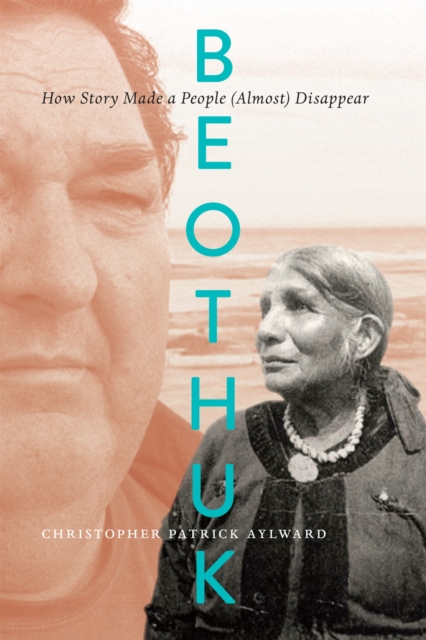
The well-known story of the Beothuk is that they were an isolated people who, through conflict with Newfoundland settlers and Mi'kmaq, were made extinct in 1829.
While death, dying and bereavement are universal life events, the social conditions under which death takes place are fundamental in shaping how it is experienced by the individual.
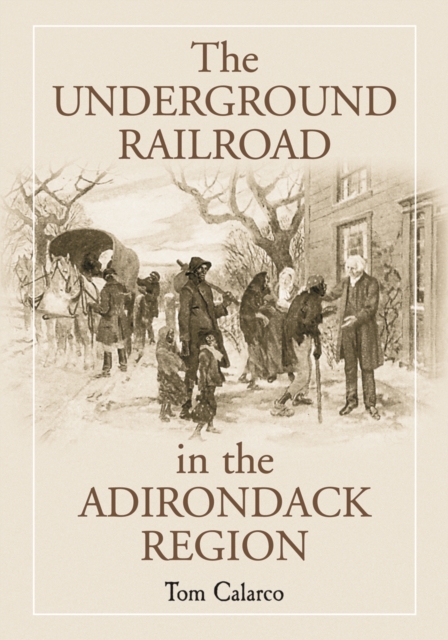
The success of the Underground Railroad depended on the participation of sympathizers in hundreds of areas throughout the country, each operating independently.
Drawing from empirically grounded studies, the volume Situated Mixedness sheds light on the state of migration-related "e;intimate diversity"e;, that is, the simultaneous formation and existence of various configurations of conjugal mixedness.
This book positions the concept of Storying as integral to leadership in qualitative research, drawing on a wide range of studies and perspectives by diverse, minoritized leaders.
The book critically examines the epistemological disparities between colonialism and capitalism-critical cultural practices and Western art institutions.
While death, dying and bereavement are universal life events, the social conditions under which death takes place are fundamental in shaping how it is experienced by the individual.
Based on a cooperation between science and minority self-organizations, the book offers for the first time comprehensive data on the national minority of German Sinti and Roma and immigrant Roma in Germany.
Medical and Educational Needs for Autism aims to provide understanding and assistance to clinicians interacting with ASD patients and their caregivers.
Medical and Educational Needs for Autism aims to provide understanding and assistance to clinicians interacting with ASD patients and their caregivers.
Based on a cooperation between science and minority self-organizations, the book offers for the first time comprehensive data on the national minority of German Sinti and Roma and immigrant Roma in Germany.
One Word Shapes a Nation demonstrates that integration politics limit how immigrants, refugees, and their descendants can participate in German society and how Germans imagine their national future.
This is a story about my life, about me going through the grief and the heartbreak of the death of my parents, it tells of my strengths and the struggles I went through in those relationships and how I came through it all, and how it has made me who I am today.
Perfectionism, as routinely used and perpetuated by droves of psychologists and relevant medical specialists, connotes obsession with certain repetitive thoughts and behaviours extreme of the average.
El indigenismo es ancho y ajeno propone una reflexión crítica sobre varias obras literarias hispanoamericanas relevantes por su abordaje del tema indígena pero no suficientemente conocidas por los lectores del país y el continente o no consideradas por la crítica desde la perspectiva indigenista.