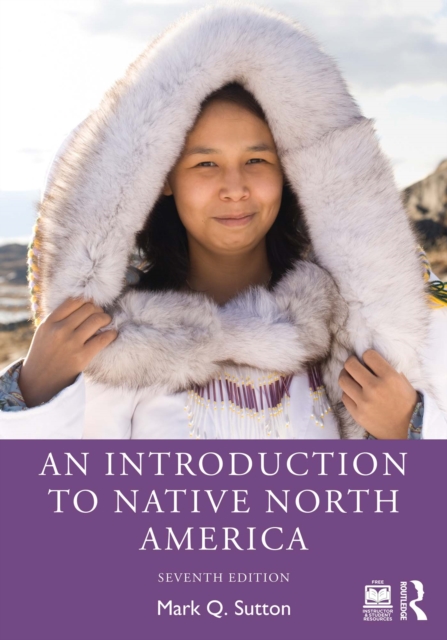
An Introduction to Native North America provides a basic introduction to the Native peoples of North America, covering what are now the United States, northern Mexico, and Canada.
This book is a useful companion to every social science student who desires an understanding of classical theoretical developments in and evolution of the disciplines.
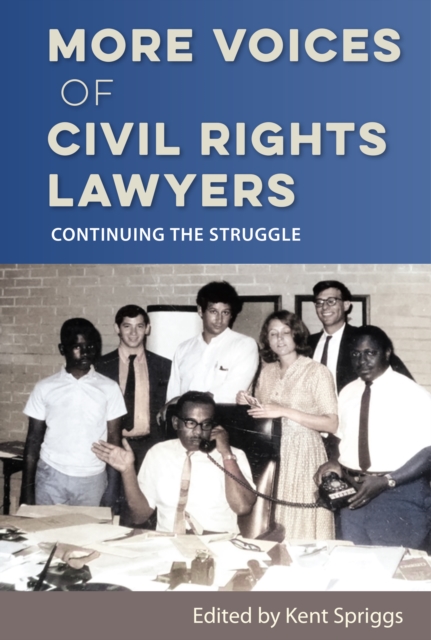
The legal struggle for civil rights throughout the Southeast and into the 1980sIn this book, twenty-three lawyers discuss their experiences in the struggle to advance and maintain civil rights in the United States South.
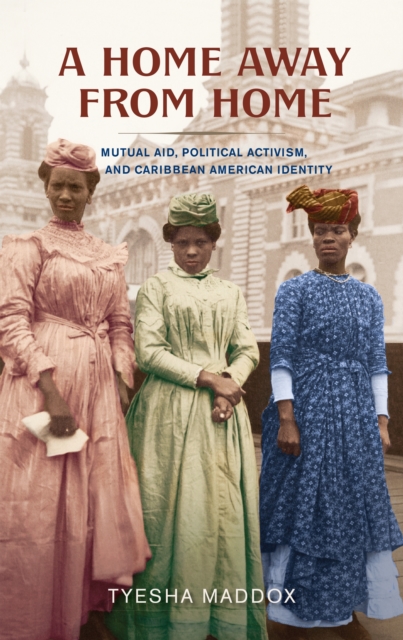
A Home Away from Home examines the significance of Caribbean American mutual aid societies and benevolent associations to the immigrant experience, particularly their implications for the formation of a Pan-Caribbean American identity and Black diasporic politics.
This book examines the language policies in the constitutions, legal statutes, and regulations of Sweden, Denmark, Norway, Iceland, the Faroe Islands, and Greenland.
Imbued with passion, creativity and insight, Brandon Reid's debut novel is a wonderfully creative coming-of-age story exploring indigeneity, masculinity and cultural tradition.
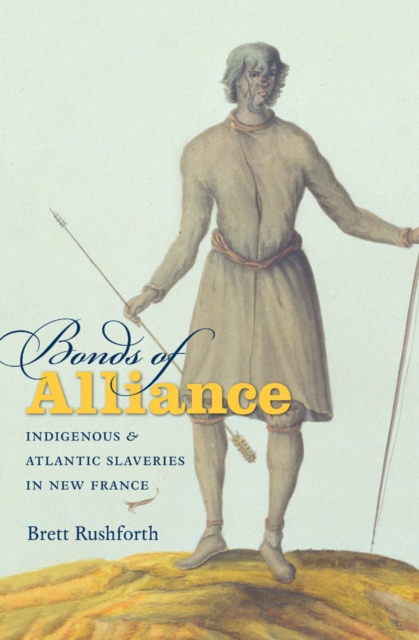
In the seventeenth and eighteenth centuries, French colonists and their Native allies participated in a slave trade that spanned half of North America, carrying thousands of Native Americans into bondage in the Great Lakes, Canada, and the Caribbean.
A Practical Guide for Finding Interventions that Work for Autistic People: Diversity Affirming Evidence-Based Practice, second edition, provides a socially valid, culturally sensitive, and person-centered resource to aid practitioners in guiding the selection of effective interventions.
Identity and Belonging among Chinese Canadian Youth unveils how Chinese immigrant youth struggle as racialized minorities at school, in their family, and through their formative interactions with Canadian mainstream media.
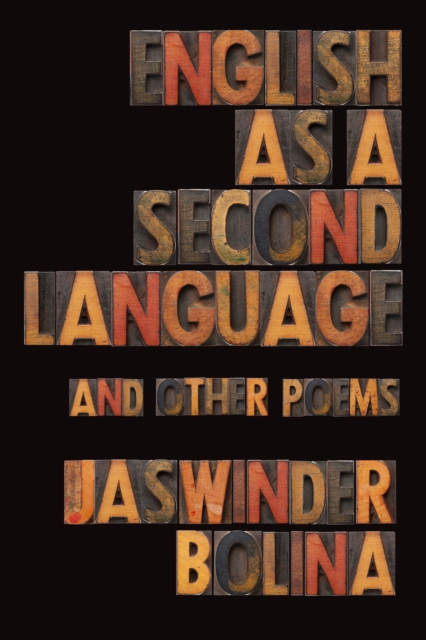
Warm tenderness and fiery critique sit side-by-side in Bolinas English as A Second Language, a collection that skewers, laments, and celebrates America with intelligence, humility, and a disarming sense of humor.
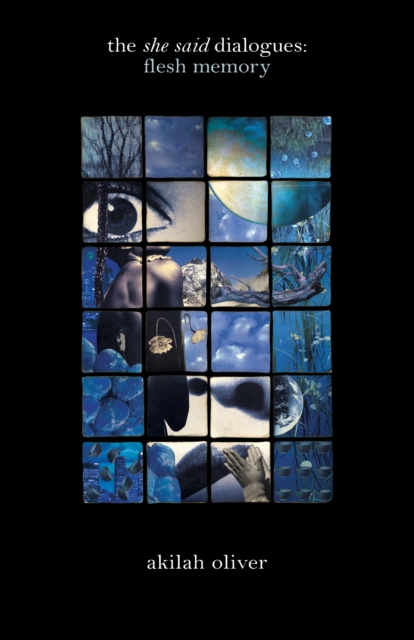
In her original author's note to the 1999 edition, Akilah Oliver writes,"e;What I am trying to do in these poems is investigate the non-linear synapses between desire, memory, blackness (as both a personal identity and a non-essentialist historical notion), sexuality and language.
Through the recurrence of memory, myth, and grief, / Return captures the elusory language of sorrow and solitude that binds Taiwanese diasporic experience.
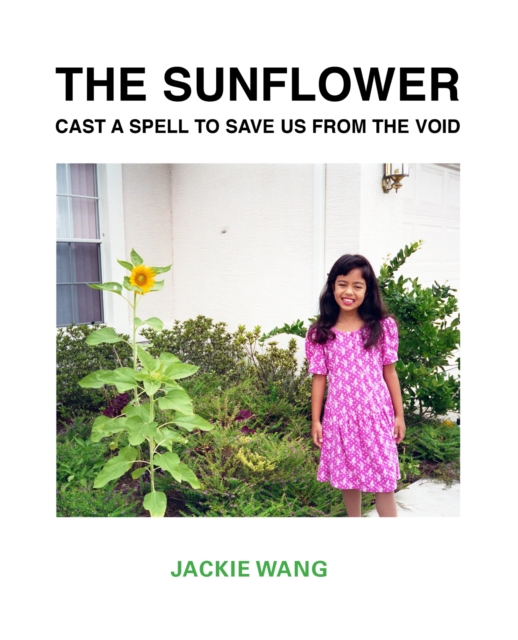
2021 NATIONAL BOOK AWARD FINALIST FOR POETRYThe poems inThe Sunflower Cast A Spell To Save Us From The Voidread like dispatches from the dream world, withJackieWang acting as our trusted comrade reportingacross time and space.
Experience the Authentic Spirit of Salems Intriguing PastDiscover the mesmerizing depths of Salems rich history in True Salem: The Authentic Historical Guide.
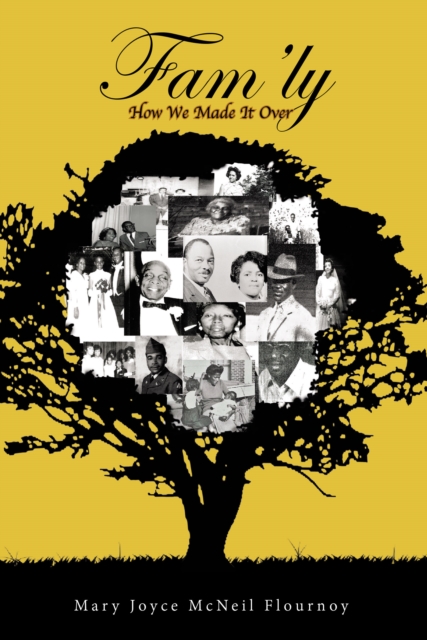
Fam'ly is a heartwarming family saga about the author's large family of seven children, whose parents married young, possessing only minimal skills and education during the Great Depression in this country, and their struggles to rise above their marginal existence.
A response to the unimaginable cruelties that became our new quotidian in 2020, that moves musically and discursively through innovative permutations of lyric form.
Ethnicity and Development explores the impact of ethnic fragmentation on the success or failure of nations and uses case studies of Bangladesh and Pakistan to illustrate this.
This book investigates the politics embedded in the Korean-language textbooks utilised between 1895 and 2019, within the context of one Korea (pre-colonial and colonial eras), the divided Koreas, and an ethnic Korean group residing in Japan (Chongryon).
This book investigates the politics embedded in the Korean-language textbooks utilised between 1895 and 2019, within the context of one Korea (pre-colonial and colonial eras), the divided Koreas, and an ethnic Korean group residing in Japan (Chongryon).
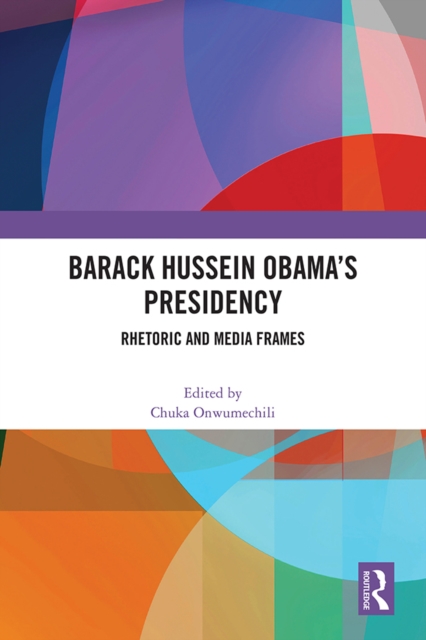
This book presents research-based investigations of the communicative aspects of Barack Obama's presidency, with a focus on ethnicity, gender, and culture as they interact with communication.
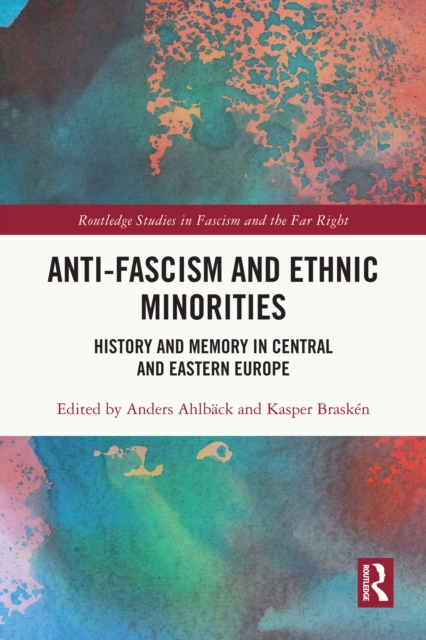
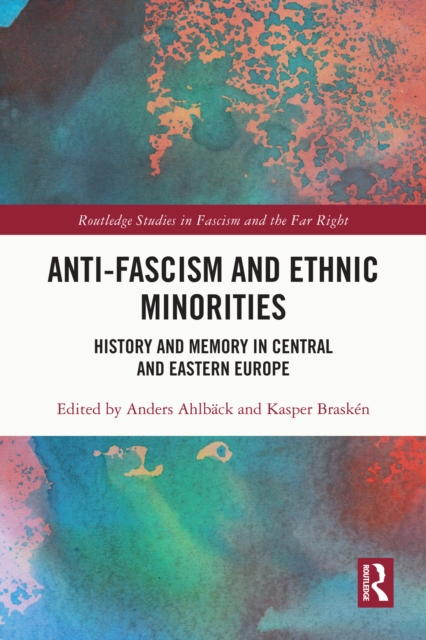
Anti-Fascism and Ethnic Minorities explores how, and to what extent, fascist ultranationalism elicited an anti-fascist response among ethnic minority communities in Eastern and Central Europe.
Anti-Fascism and Ethnic Minorities explores how, and to what extent, fascist ultranationalism elicited an anti-fascist response among ethnic minority communities in Eastern and Central Europe.
In Black, Quare, and Then to Where jennifer susanne leath explores the relationship between Afrodiasporic theories of justice and Black sexual ethics through a womanist engagement with Maat the ancient Egyptian deity of justice and truth.
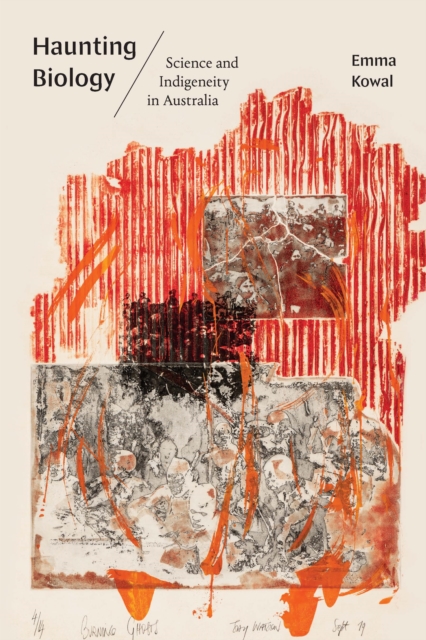
In Haunting Biology Emma Kowal recounts the troubled history of Western biological studies of Indigenous Australians and asks how we now might see contemporary genomics, especially that conducted by Aboriginal and Torres Strait Islander scientists.
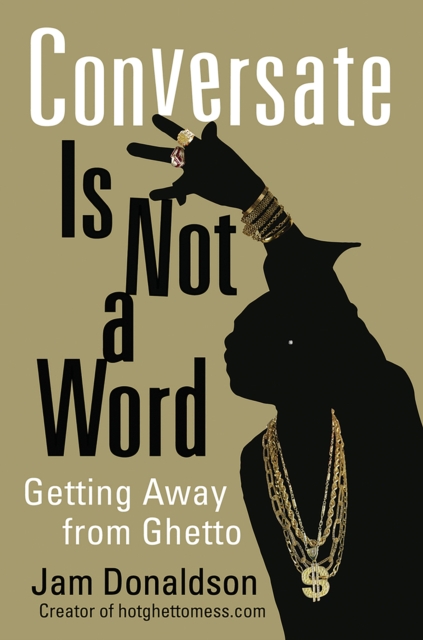
Funny, sad, and refreshingly honest, this provocative commentary based on the author's award-winning blog explores what is wrong with black culture and what needs to be done to fix neighborhoods and improve lives.
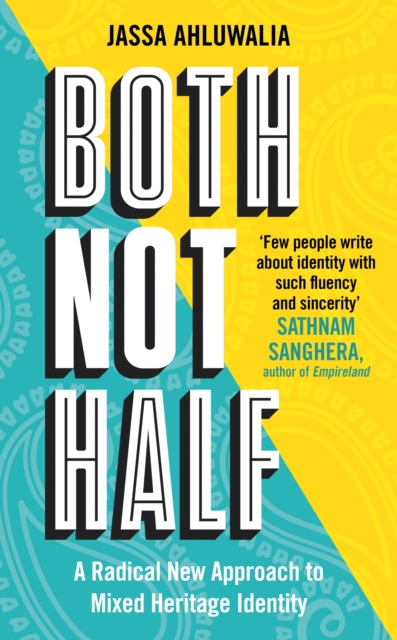
'Full of warmth, humour, optimism and sometimes painful honesty' WILLIAM DALRYMPLE'Anyone who's ever struggled to make sense of who they are and where they belong should read this book' NADIA WHITTOME MP'An important voice of our generation' PARMINDER NAGRA'This guy has better Punjabi than both of us and he's only half Punjabi.
Angela Davis is iconic as an international figure but few recognize the educational, political and ideological contexts that formed the public persona.
Angela Davis is iconic as an international figure but few recognize the educational, political and ideological contexts that formed the public persona.
Racism has a long history and its devastating impacts continue to spark heated, moral and political debate and give rise to social movements and widespread protest.
Racism has a long history and its devastating impacts continue to spark heated, moral and political debate and give rise to social movements and widespread protest.
This book explores "e;self-searching migrants,"e; a new group of indefinitely globally mobile people whose purpose of overseas stay is the search of true self and the work they really want to do, using Japanese trans-Pacific sojourners as the case study.