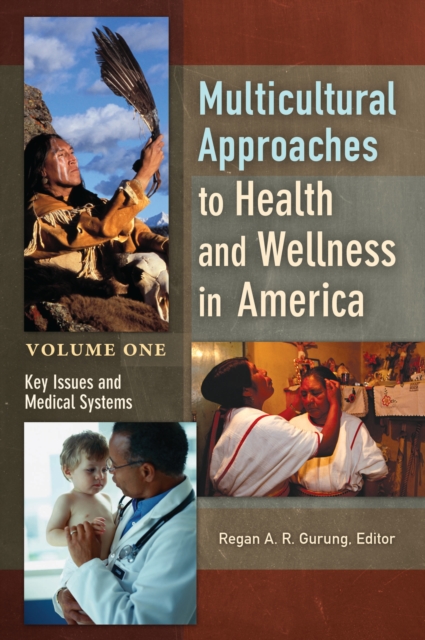
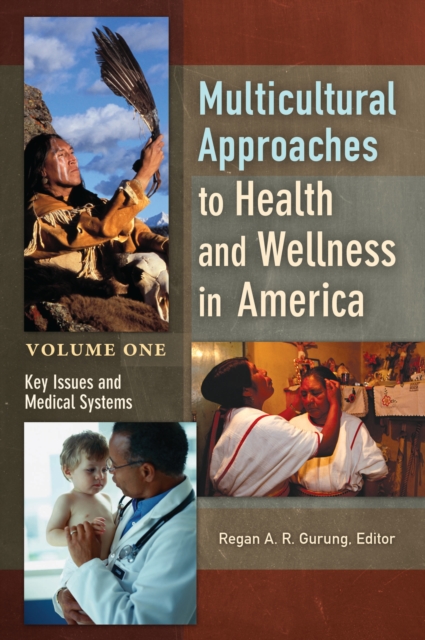
Led by a UCLA-trained health psychologist, a team of experts describes non-traditional treatments that are quickly becoming more common in Western society, documenting cultural variations in health and sickness practices to underscore the diversity among human society.
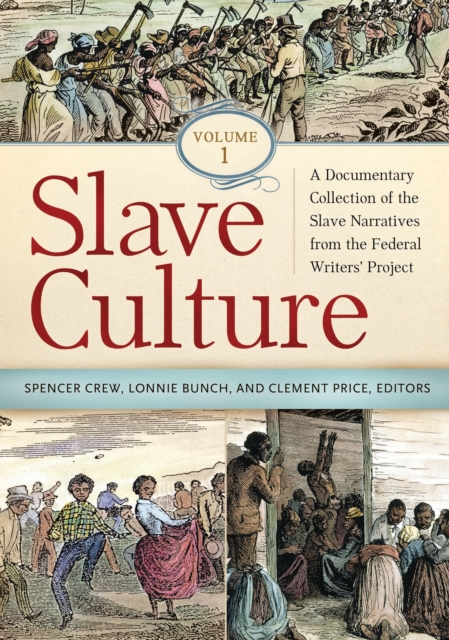
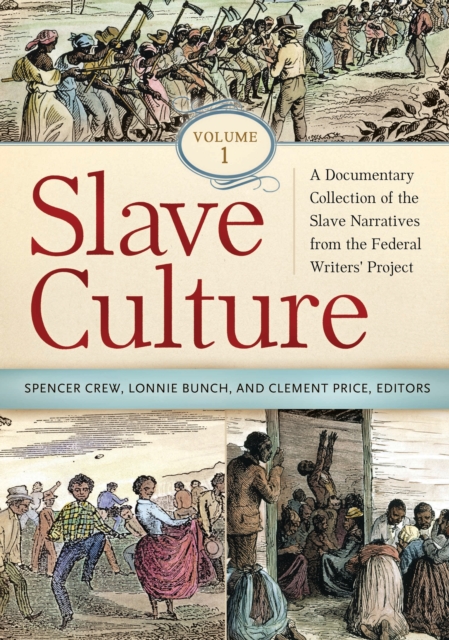
For the first time, the WPA Slave Narratives are organized by theme, making it easier to examine-and understand-specific aspects of slave life and culture.
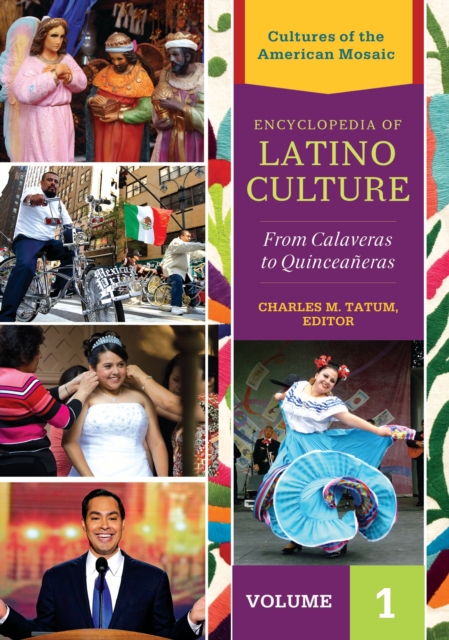
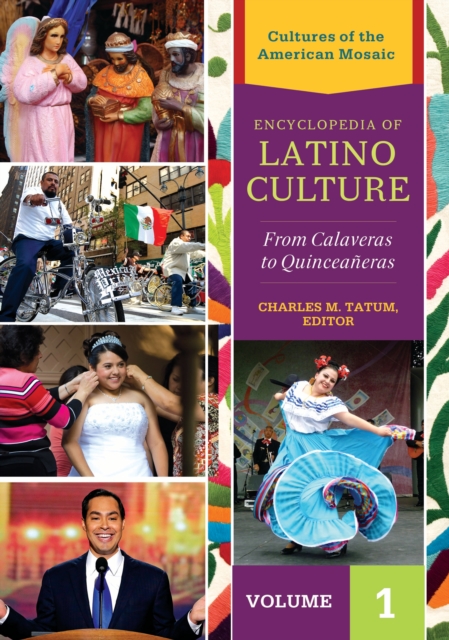
This three-volume encyclopedia describes and explains the variety and commonalities in Latina/o culture, providing comprehensive coverage of a variety of Latina/o cultural forms-popular culture, folk culture, rites of passages, and many other forms of shared expression.
Coverage of Mexican-American youth gangs has been a staple of local television news in the United States for decades, and its form and content have come to embody many journalistic cliches: the rising tide of violence, the spread of drug addiction, the alienated minority youth.
This book brings together a range of hip hop scholars, artists and activists working on Hip Hop in the Global North and South with the goal of advancing Hiphopographic research as a critical methodology with critical fieldwork methods that can provide a critical perspective of our world.
Blakeslee examines the history and current status of Jews and antisemitism in the United States to reveal what we know of antisemitism and the ways in which this knowledge is seriously flawed.
In the late nineteenth century, Asian American drama made its debut with the spotlight firmly on the lives and struggles of Asians in North America, rather than on the cultures and traditions of the Asian homeland.
Invidious distinctions on the basis of race and overt racism were central features in American colonial policy in the Philippines from 1898 to 1947, as America transported its domestic racial policy to the island colony.
Examining a series of court decisions made during the 1980s regarding the legal claims of several Native American tribes who attempted to protect ancestrally revered lands from development schemes by the federal government, this book looks at important questions raised about the religious status of land.
Integrating American Indian law and Native American political and legal traditions, this encyclopedia includes detailed descriptions of nearly two dozen Native American Nations' legal and political systems such as the Iroquois, Cherokee, Choctaw, Navajo, Cheyenne, Creek, Chickasaw, Comanche, Sioux, Pueblo, Mandan, Wyandot, Powhatan, Mikmaq, and Yakima.
Presenting the life and professional career of The Dean of Afro-American Composers, this is the first comprehensive book on the writings by and about Still, the compositions with manuscript sources, the performances of Still's works, and the reviews of those performances.
Providing chronologies of important events, historical narratives from the first settlement to the present, and biographies of major figures, this work offers readers an unseen look at the history of racism from the perspective of individual states.
This unique work presents an extraordinary breadth of contemporary and historical views on Asian America and Pacific Islanders, conveyed through the voices of the men and women who lived these experiences over more than 150 years.
This three-volume encyclopedia describes and explains the variety and commonalities in Latina/o culture, providing comprehensive coverage of a variety of Latina/o cultural forms-popular culture, folk culture, rites of passages, and many other forms of shared expression.
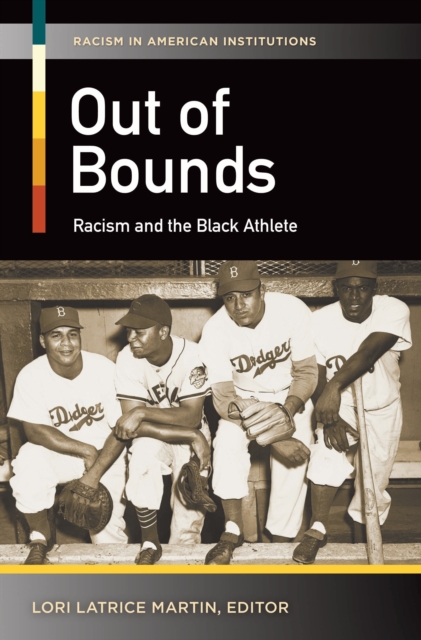
This collection of essays highlights the controversies surrounding racism in sports and African American athletes, examining the racial discrimination that exists in one of the most public arenas in the 21st century.
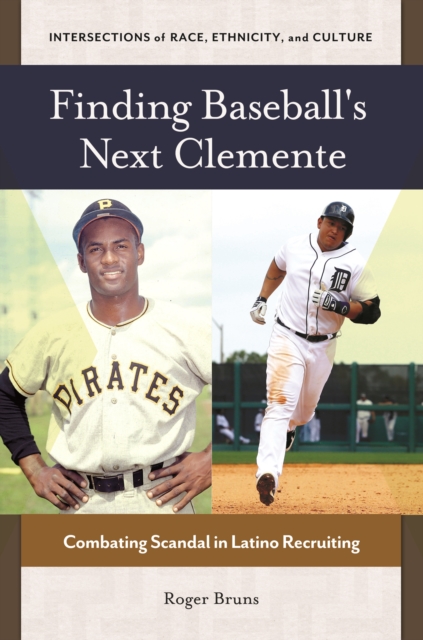
This book examines what it takes for Latino youngsters to beat the odds, overcoming cultural and racial barriers-and a corrupt recruitment system-to play professional baseball in the United States.
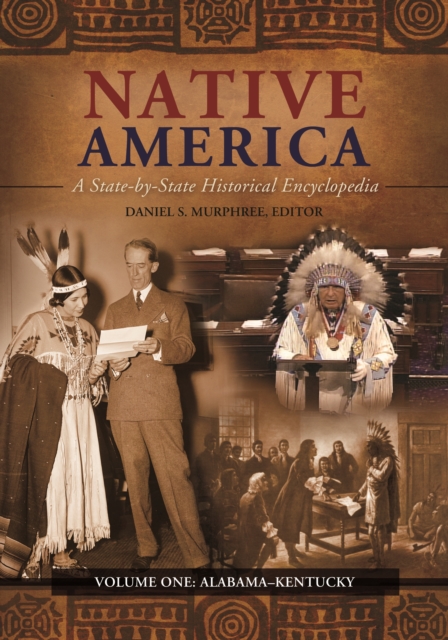
Employing innovative research and unique interpretations, these essays provide a fresh perspective on Native American history by focusing on how Indians lived and helped shape each of the United States.
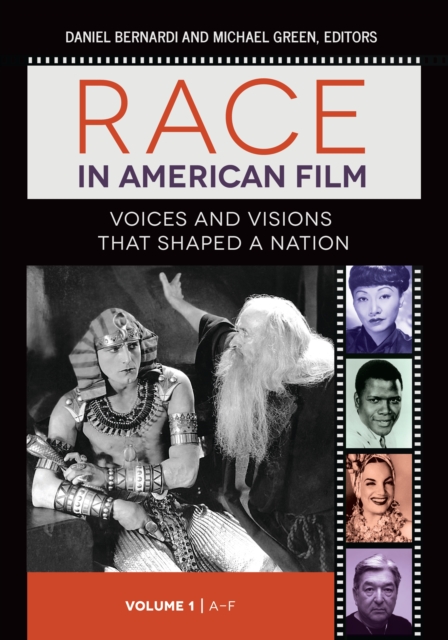
This expansive three-volume set investigates racial representation in film, providing an authoritative cross-section of the most racially significant films, actors, directors, and movements in American cinematic history.
Led by a UCLA-trained health psychologist, a team of experts describes non-traditional treatments that are quickly becoming more common in Western society, documenting cultural variations in health and sickness practices to underscore the diversity among human society.
For the first time, the WPA Slave Narratives are organized by theme, making it easier to examine-and understand-specific aspects of slave life and culture.
At the turn of the century, America is both retrenching and expanding, becoming more restrictive and more expansive, more utilitarian and, more value- and religion-oriented.
Using documents drawn from newspapers, magazines, and books, this volume provides a documentary history of the relationships between labor and abolitionists from the early 1830s to the Civil War.
This study contends that historians and intellectuals failed to understand the difference between race and ethnicity, which has in turn impaired their ability to understand who Black people are in America.
During the early 1990s the Department of Justice used its Voting Rights Act power to object to racially unfair redistricting laws to force states to maximize minority congressional districts.
An essential resource for those interested in multicultural issues, this dictionary presents common terms used in multicultural counseling and research.
Scholarly considerations of the relationship between the United States government and Native Americans have largely ignored the rhetoric utilized by both in the course of their ongoing conflicts.
Covering everything from sports to art, religion, music, and entrepreneurship, this book documents the vast array of African American cultural expressions and discusses their impact on the culture of the United States.
This book uses settler colonialism, critical race, and tribal critical race theories to examine the relationship between settler colonialism and Indigenous and Black disproportionality in the criminal justice systems of the English-speaking Western liberal democracies of the UK, USA, Canada, and Australia.
The South African higher education system has historically been characterized by racial and gender inequities inherited from the discriminatory policies of the apartheid era.
The stories of black American professionals, both historic and contemporary, reveal the hardships and triumphs they faced in overcoming racism to succeed in their chosen fields.
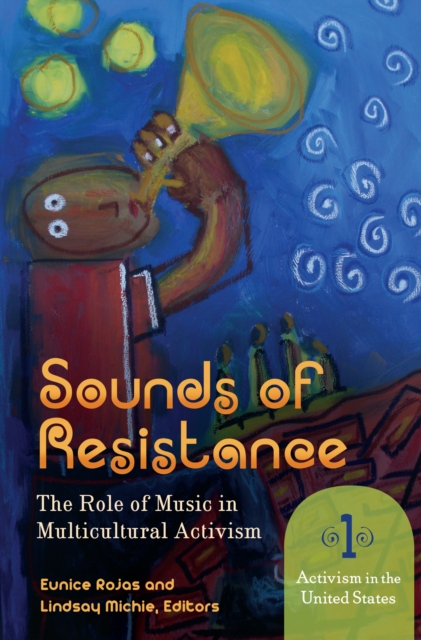
From the gospel music of slavery in the antebellum South to anti-apartheid freedom songs in South Africa, this two-volume work documents how music has fueled resistance and revolutionary movements in the United States and worldwide.
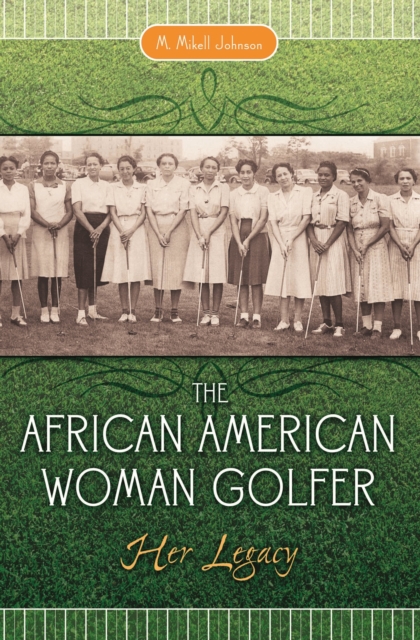
The African American Woman Golfer: Her Legacy gives a brief historical overview of African American women in golf and examines the sport to uncover all African American women who have been involved in golf over the past 75 years.