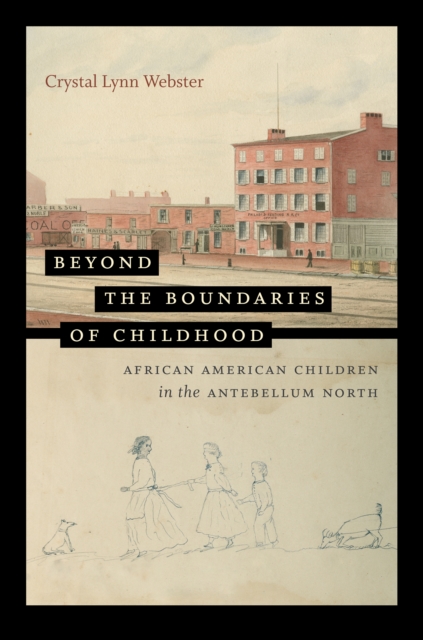
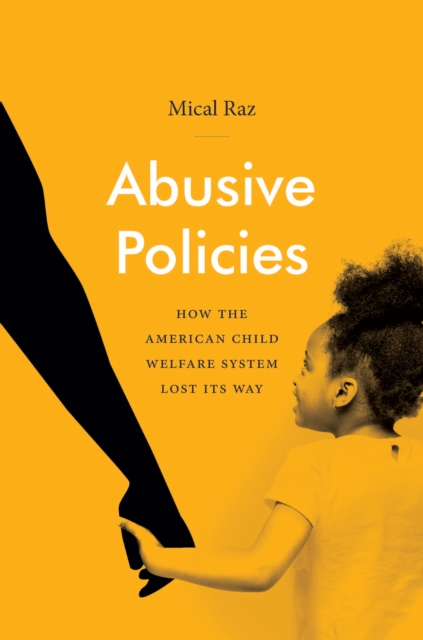
For all that is known about the depth and breadth of African American history, we still understand surprisingly little about the lives of African American children, particularly those affected by northern emancipation.
Americans responded to the deadly terrorist attacks on September 11, 2001, with an outpouring of patriotism, though all were not united in their expression.
This vibrant book pulses with the beats of a new American South, probing the ways music, literature, and film have remixed southern identities for a postcivil rights generation.
The formation of new states was an essential feature of US expansion throughout the long nineteenth century, and debates over statehood and states' rights were waged not only in legislative assemblies but also in newspapers, maps, land surveys, and other forms of print and visual culture.
After decades of attacks on the bureaucracy and recent efforts by political leaders to undermine democracy, public servants are tired, burned out, and questioning the value of public service.
Black Market Intimacies reveals how illicit exchanges of money and commodities involving sexual encounters between Korean and Japanese women and US soldiers provided the material foundations of the regional economy across Korea and Japan during the Korean War.
This unique volume brings together intergenerational survivors of genocide and mass atrocities, who are actively engaged in producing knowledge related to their lived and inherited experiences, to share their stories.
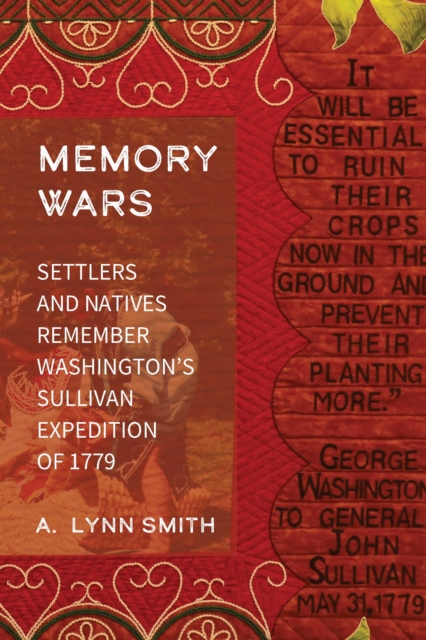
Named a 2024 Choice Outstanding Academic TitleMemory Wars explores how commemorative sites and patriotic fanfare marking the mission of General John Sullivan into Iroquois territory during the Revolutionary War continue to shape historical understandings today.
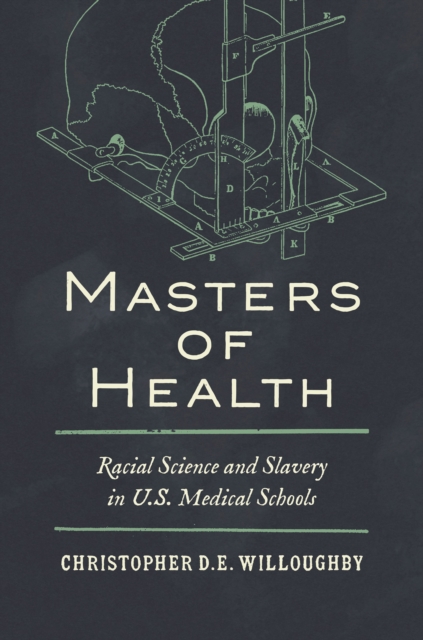
Medical science in antebellum America was organized around a paradox: it presumed African Americans to be less than human yet still human enough to be viable as experimental subjects, as cadavers, and for use in the training of medical students.
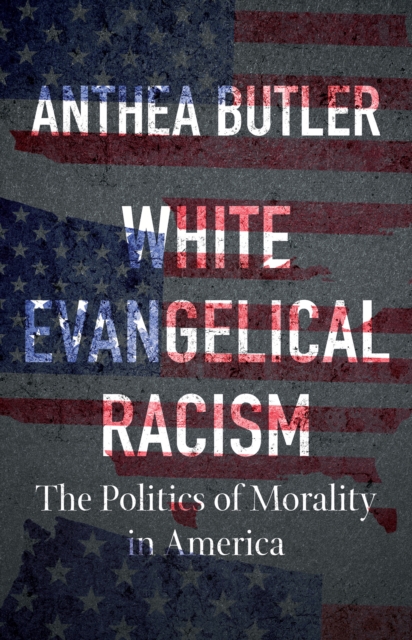
The American political scene today is poisonously divided, and the vast majority of white evangelicals play a strikingly unified, powerful role in the disunion.
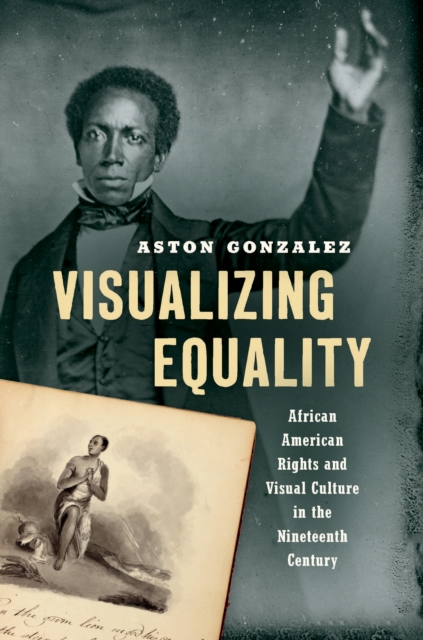
The fight for racial equality in the nineteenth century played out not only in marches and political conventions but also in the print and visual culture created and disseminated throughout the United States by African Americans.
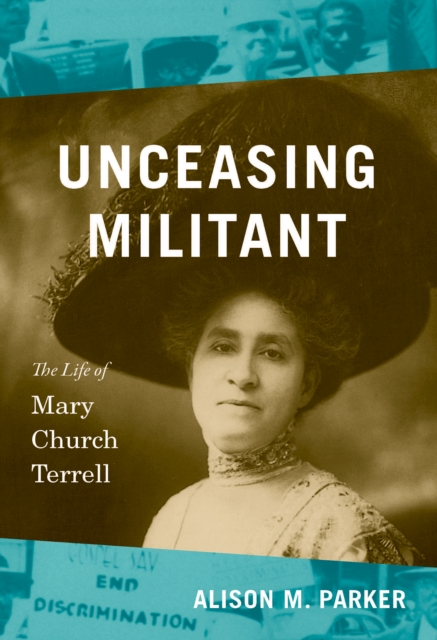
Born into slavery during the Civil War, Mary Church Terrell (18631954) would become one of the most prominent activists of her time, with a career bridging the late nineteenth century to the civil rights movement of the 1950s.
In this immersive ethnography, Tony Tian-Ren Lin explores the reasons that Latin American immigrants across the United States are increasingly drawn to Prosperity Gospel Pentecostalism, a strand of Protestantism gaining popularity around the world.
This vibrant book pulses with the beats of a new American South, probing the ways music, literature, and film have remixed southern identities for a postcivil rights generation.
After a cascade of failures left residents of Flint, Michigan, without a reliable and affordable supply of safe drinking water, citizens spent years demanding action from their city and state officials.
As tourists increasingly moved across the United States in the late nineteenth and early twentieth centuries, a surprising number of communities looked to capitalize on the histories of Native American people to create tourist attractions.
Americans responded to the deadly terrorist attacks on September 11, 2001, with an outpouring of patriotism, though all were not united in their expression.
For all that is known about the depth and breadth of African American history, we still understand surprisingly little about the lives of African American children, particularly those affected by northern emancipation.
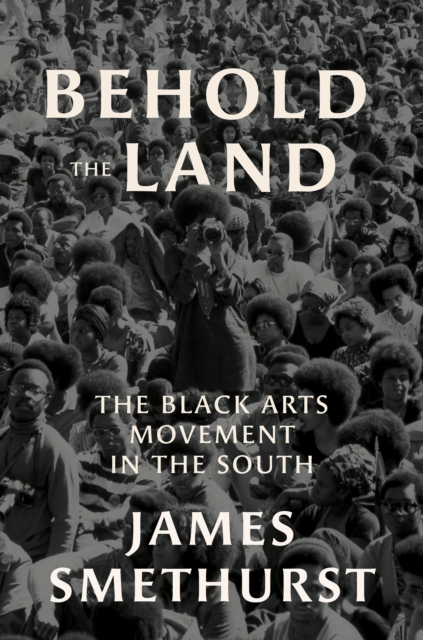
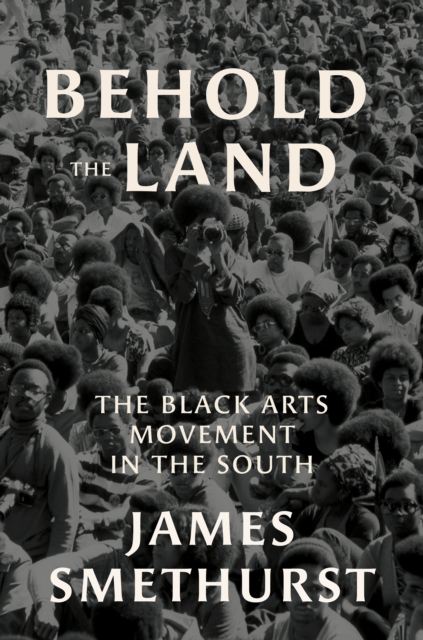
In the mid-1960s, African American artists and intellectuals formed the Black Arts movement in tandem with the Black Power movement, with creative luminaries like Amiri Baraka, Gwendolyn Brooks, Toni Cade Bambara, and Gil Scott-Heron among their number.
In the mid-1960s, African American artists and intellectuals formed the Black Arts movement in tandem with the Black Power movement, with creative luminaries like Amiri Baraka, Gwendolyn Brooks, Toni Cade Bambara, and Gil Scott-Heron among their number.
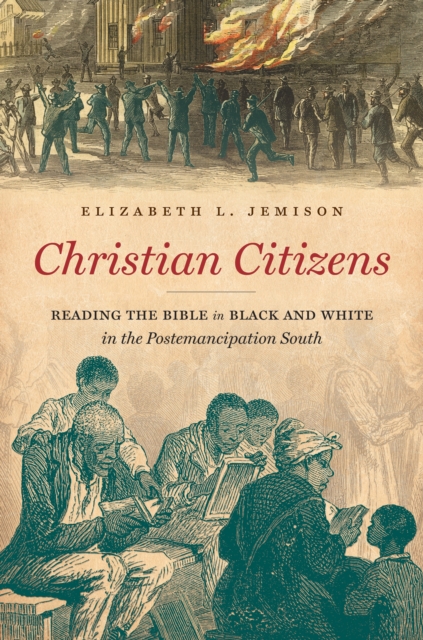
The conversion of African-born slaves and their descendants to Protestant Christianity marked one of the most important social and intellectual transformations in American history.
Recent scholarship on the Amazon has challenged depictions of the region that emphasize its natural exuberance or represent its residents as historically isolated peoples stoically resisting challenges from powerful global forces.
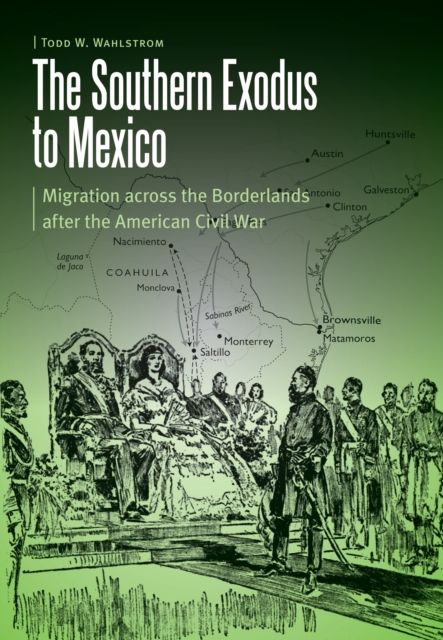
After the Civil War, a handful of former Confederate leaders joined forces with the Mexican emperor Maximilian von Hapsburg to colonize Mexico with former American slaveholders.
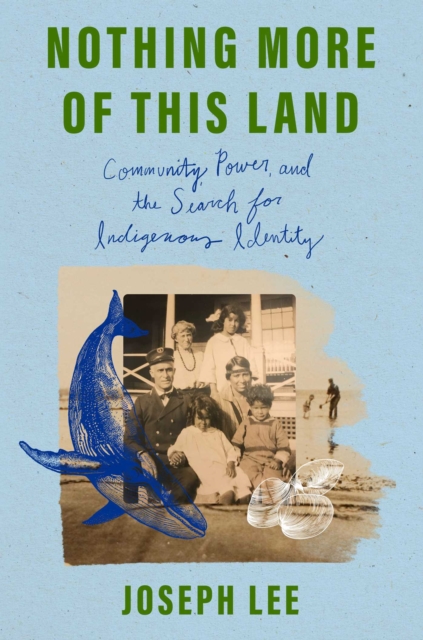
Finalist for the 2026 PEN/John Kenneth Galbraith Award for Nonfiction A Time Must-Read Book of 2025, An NPR Books We Love Most pick, A Tribal College Best Native Studies Book of 2025, and a 2026 Great Reads from Great Places Pick From award-winning journalist Joseph Lee, a sweeping, personal exploration of Indigenous identity and the challenges facing Indigenous people around the world.
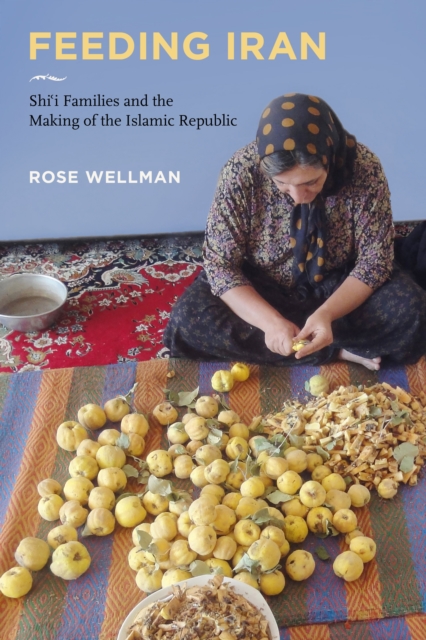
Since Irans 1979 Revolution, the imperative to create and protect the inner purity of family and nation in the face of outside spiritual corruption has been a driving force in national politics.