In a world where environmental influences and personal choices intertwine, this book delves into the profound relationship that shapes our individual experiences.
The cult of the dead, centered on Todos Santos, the All Saints Day-All Souls Day celebration, is one of the most important aspects of Mesoamerican Indian and mestizo religion.
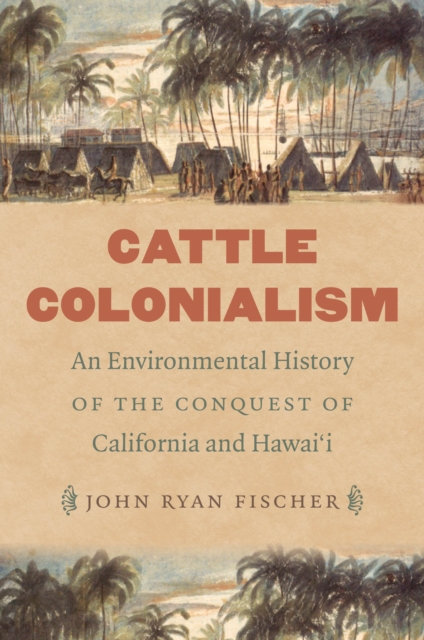
In the nineteenth century, the colonial territories of California and Hawai'i underwent important cultural, economic, and ecological transformations influenced by an unlikely factor: cows.
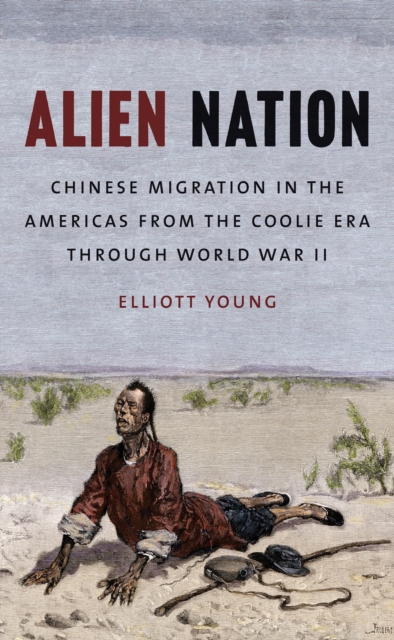
In this sweeping work, Elliott Young traces the pivotal century of Chinese migration to the Americas, beginning with the 1840s at the start of the coolie trade and ending during World War II.
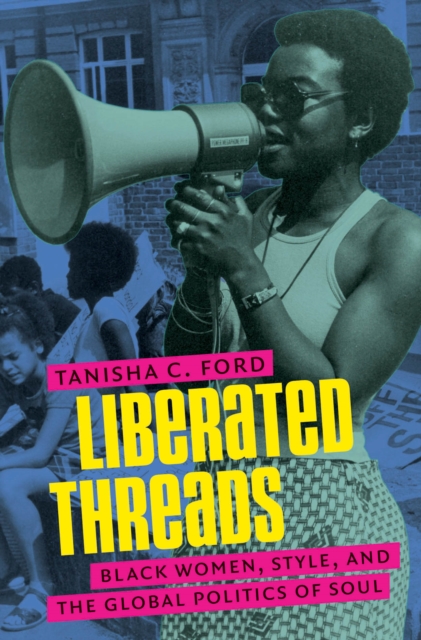
From the civil rights and Black Power era of the 1960s through antiapartheid activism in the 1980s and beyond, black women have used their clothing, hair, and style not simply as a fashion statement but as a powerful tool of resistance.
As a fledgling republic, the United States implemented a series of trading outposts to engage indigenous peoples and to expand American interests west of the Appalachian Mountains.
The 1850 Fugitive Slave Law, which mandated action to aid in the recovery of runaway slaves and denied fugitives legal rights if they were apprehended, quickly became a focal point in the debate over the future of slavery and the nature of the union.
While many studies of domestic collective violence, especially of the black riots of the 1960s, emphasize the causes of violence, James Button's is a major investigation of the consequences of violence.
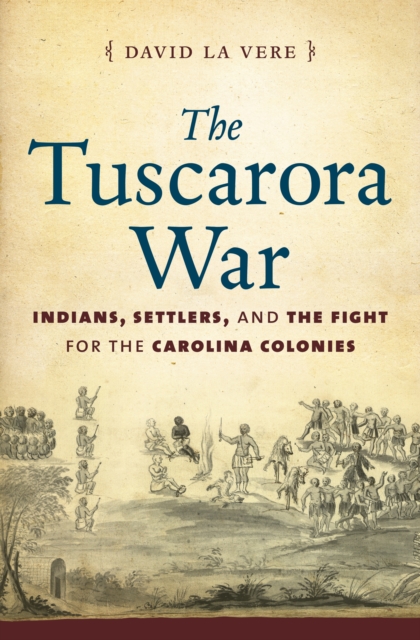
At dawn on September 22, 1711, more than 500 Tuscarora, Core, Neuse, Pamlico, Weetock, Machapunga, and Bear River Indian warriors swept down on the unsuspecting European settlers living along the Neuse and Pamlico Rivers of North Carolina.
The Social Causes of Environmental Destruction in Latin America is a timely examination of critical cases of land degradation, deforestation, and resource depletion in Central and South America.
By the early twenty-first century, the United States will experience a demographic change as those groups previously thought of as minorities become the majority.
By the early twenty-first century, the United States will experience a demographic change as those groups previously thought of as minorities become the majority.
The first three decades of the twentieth century in late-colonial Vietnam -- the period that also marked the transition between the dominant Confucian and nascent Western worldviews -- generated an abundance of political literature in that country.
The Social Causes of Environmental Destruction in Latin America is a timely examination of critical cases of land degradation, deforestation, and resource depletion in Central and South America.
During the early decades of the twentieth century symphonic jazz involved an expansive family of music that emulated, paralleled, and intersected the jazz tradition.
In this book, Sharada Balachandran Orihuela examines property ownership and its connections to citizenship, race and slavery, and piracy as seen through the lens of eighteenth- and nineteenth-century American literature.
From 1965 to 2005, the United Teachers of New Orleans (UTNO) defied the Souths conservative anti-union efforts to become the largest local in Louisiana.
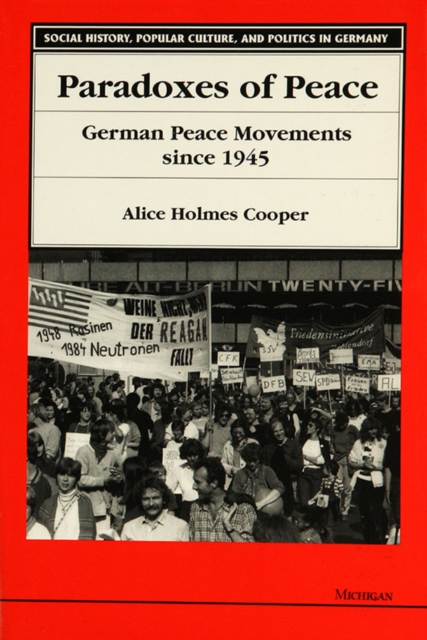
Given the militarism of the Empire and Nazi Germany, why did postwar West Germany experience massive waves of peace protest in the 1950s, 1960s, and 1980s?
China's Transition to Industrialism studies the history and development of a group of industries which have played key roles in China's recent economic gains.
China's Transition to Industrialism studies the history and development of a group of industries which have played key roles in China's recent economic gains.
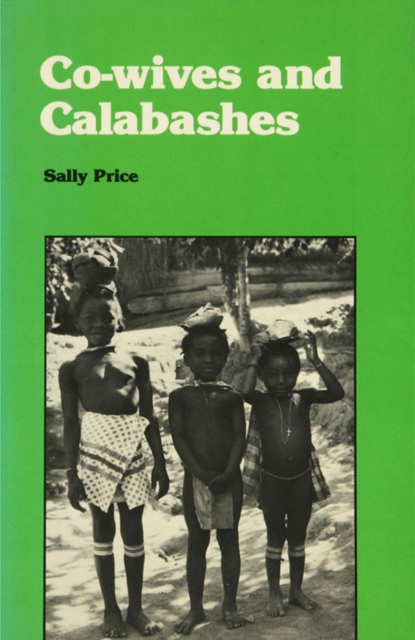
A fascinating exploration into the world of the Saramaka Maroons of the Suriname rain forest, Co-wives and Calabashes examines the status of women in this polygynous and matrilineal society as reflected in its social structure and in its art.
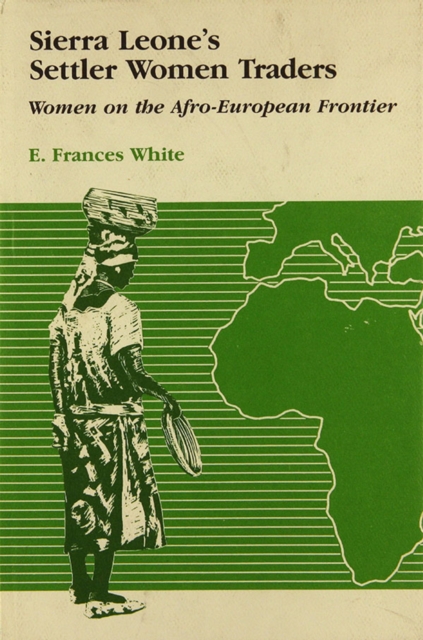
The early part of the nineteenth century saw the establishment of West Africa's Sierra Leone settlement as an important center for the expanding trade economy.
A fascinating exploration into the world of the Saramaka Maroons of the Suriname rain forest, Co-wives and Calabashes examines the status of women in this polygynous and matrilineal society as reflected in its social structure and in its art.
In this masterful work of family-focused sociology, Lois Benjamin considers the lives of Pennie and Roscoe James and their children, revealing how a large, close-knit African American family with humble origins in a small town of North Carolina is shaped by the contours of its religious and ethical value system.
Double Passage presents, in their own words, the lives and experiences of thirteen men and women from the island of Barbados who emigrated to North America and Britain and then years later returned home.
Double Passage presents, in their own words, the lives and experiences of thirteen men and women from the island of Barbados who emigrated to North America and Britain and then years later returned home.