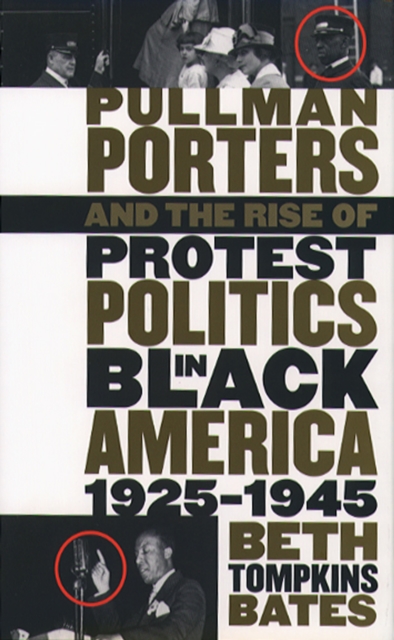
Between World War I and World War II, African Americans' quest for civil rights took on a more aggressive character as a new group of black activists challenged the politics of civility traditionally embraced by old-guard leaders in favor of a more forceful protest strategy.
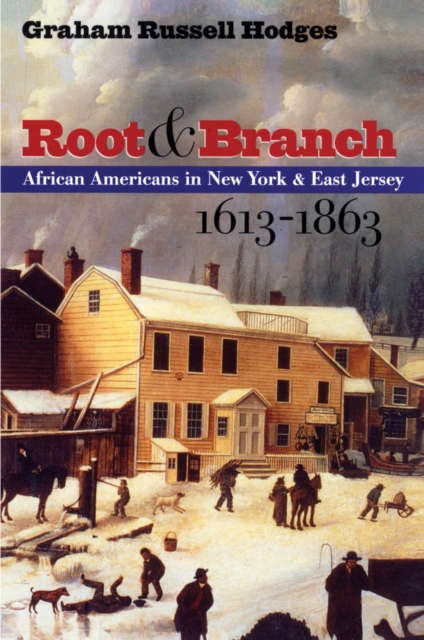
In this remarkable book, Graham Hodges presents a comprehensive history of African Americans in New York City and its rural environs from the arrival of the first African a sailor marooned on Manhattan Island in 1613 to the bloody Draft Riots of 1863.
In the 1960s, increasing numbers of African American students entered predominantly White colleges and universities in the northern and western United States.
Essay from the year 2003 in the subject Cultural Studies - Basics and Definitions, grade: 82, University of Leeds (Trinity and All Saints College), course: National and Global Culture, language: English, abstract: It has been argued that individual and national identities are becoming increasingly fragmented under conditions of globalisation, that with accelerated global flows of commodities, culture and people, we become increasingly disembedded and rootless.
This volume examines the similarities between the Indian and Latin American philosophical traditions while also highlighting how these similarities have materialized differently in the Indian or in the Latin American context.
In this sweeping chronicle of guarana glossy-leaved Amazonian vine packed with more caffeine than any other plantSeth Garfield develops a wide-ranging approach to the history of Brazil itself.
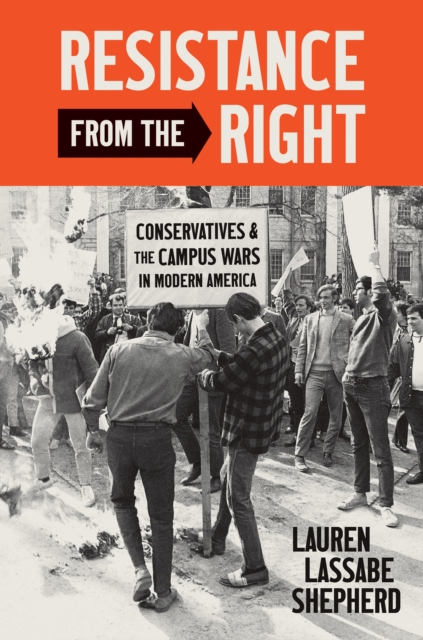
Pivoting from studies that emphasize the dominance of progressivism on American college campuses during the late sixties and early seventies, Lauren Lassabe Shepherd positions conservative critiques of, and agendas in, American colleges and universities as an essential dimension of a broader conversation of conservative backlash against liberal education.
Throughout Latin America, social medicine has been widely recognized for its critical perspectives on mainstream understandings of health and for its progressive policy achievements.
In the 1920s, black janitor Sylvester Long reinvented himself as Chief Buffalo Child Long Lance, and Elizabeth Stern, the native-born daughter of a German Lutheran and a Welsh Baptist, authored the immigrants narrative I Am a Woman and a Jew; in the 1990s, Asa Carter, George Wallaces former speechwriter, produced the fake Cherokee autobiography, The Education of Little Tree.
The autobiographies of former slaves contributed powerfully to the abolitionist movement in the United States, fanning national even international indignation against the evils of slavery.
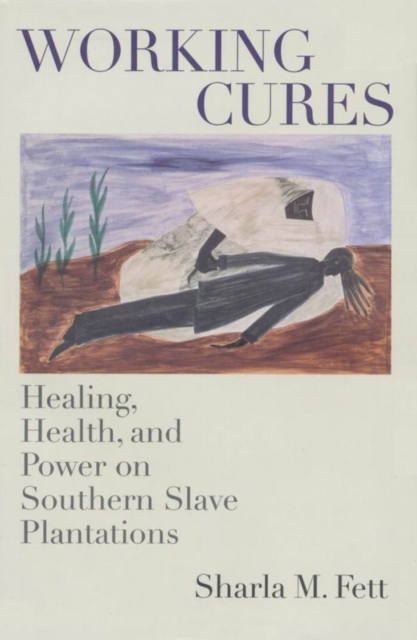
Exploring the charged topic of black health under slavery, Sharla Fett reveals how herbalism, conjuring, midwifery, and other African American healing practices became arts of resistance in the antebellum South.
Between 1932 and 1972, approximately six hundred African American men in Alabama served as unwitting guinea pigs in what is now considered one of the worst examples of arrogance, racism, and duplicity in American medical research the Tuskegee syphilis study.
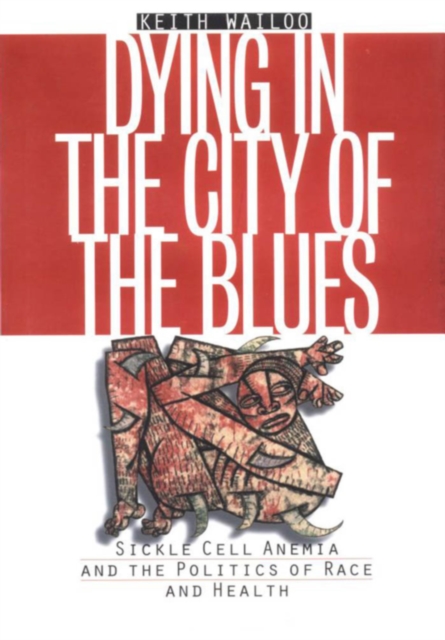
This groundbreaking book chronicles the history of sickle cell anemia in the United States, tracing its transformation from an invisible malady to a powerful, yet contested, cultural symbol of African American pain and suffering.
For more than fifty years, Hoover has been viewed as a lily-white racist who attempted to revitalize Republicanism in the South by driving blacks from positions of leadership at all party levels.
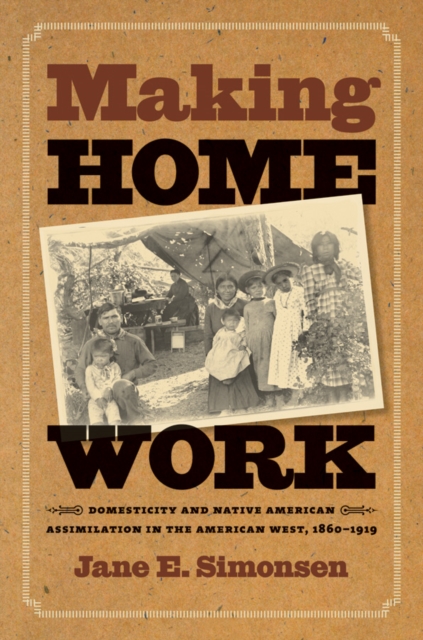
During the westward expansion of America, white middle-class ideals of home and domestic work were used to measure differences between white and Native American women.
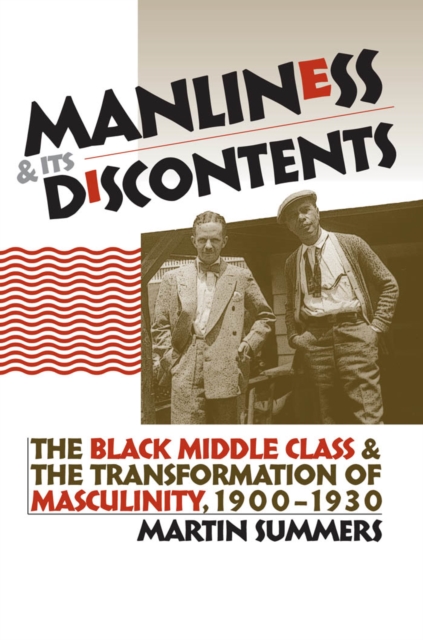
In a pathbreaking new assessment of the shaping of black male identity in the early twentieth century, Martin Summers explores how middle-class African American and African Caribbean immigrant men constructed a gendered sense of self through organizational life, work, leisure, and cultural production.
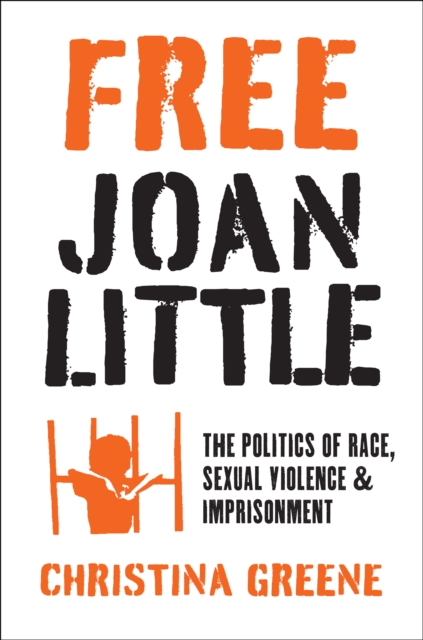
Early on a summer morning in 1974, local officials found the jailer Clarence Alligood stabbed to death in a cell in the womens section of a rural North Carolina jail.
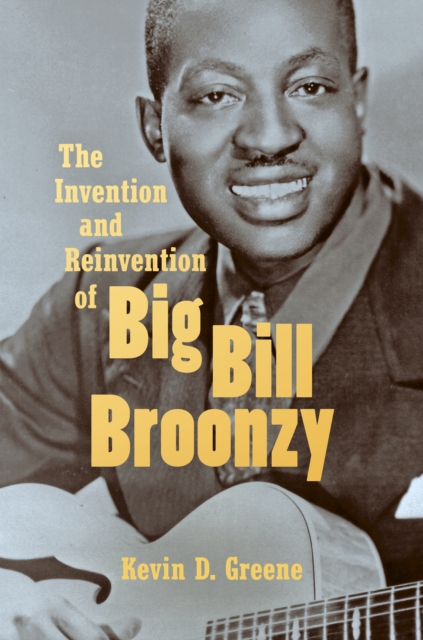
Over the course of his long career, legendary bluesman William Big Bill Broonzy (18931958) helped shape the trajectory of the genre, from its roots in the rural Mississippi River Delta, through its rise as a popular genre in the North, to its eventual international acclaim.
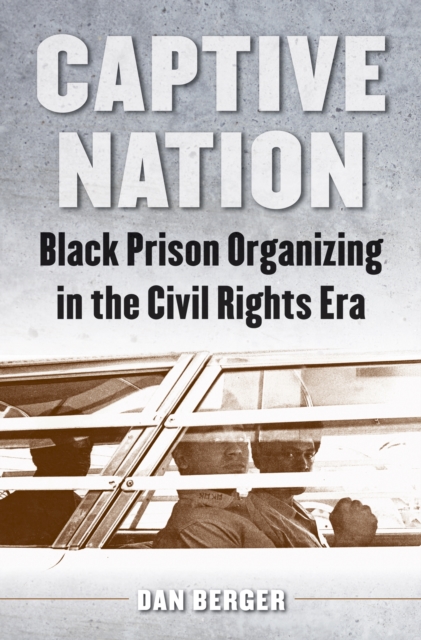
In this pathbreaking book, Dan Berger offers a bold reconsideration of twentieth century black activism, the prison system, and the origins of mass incarceration.
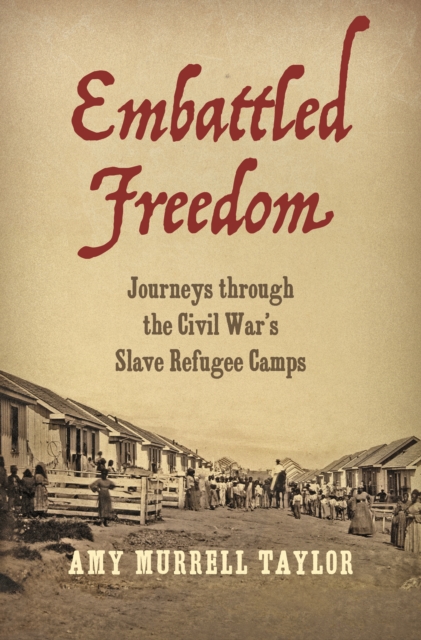
The Civil War was just days old when the first enslaved men, women, and children began fleeing their plantations to seek refuge inside the lines of the Union army as it moved deep into the heart of the Confederacy.
Throughout the 1960s and 1970s, folklorist William Ferris toured his home state of Mississippi, documenting the voices of African Americans as they spoke about and performed the diverse musical traditions that form the authentic roots of the blues.
The Renters Rights' Act: A Practical Guide provides a comprehensive analysis of the most significant reform to residential tenancy law in England in over 30 years.
African American freedom is often defined in terms of emancipation and civil rights legislation, but it did not arrive with the stroke of a pen or the rap of a gavel.
One of the first things any visitor to Barbados notices is Barbadian youths wearing baseball caps and T-shirts sporting the logos of North American teams; and these days, one is more likely to find an American sitcom on television than a Caribbean program.