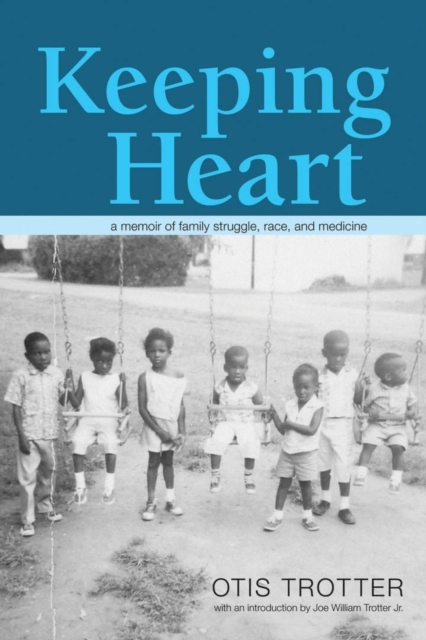
"e;After saying our good-byes to friends and neighbors, we all got in the cars and headed up the hill and down the road toward a future in Ohio that we hoped would be brighter,"e; Otis Trotter writes in his affecting memoir, Keeping Heart: A Memoir of Family Struggle, Race, and Medicine.
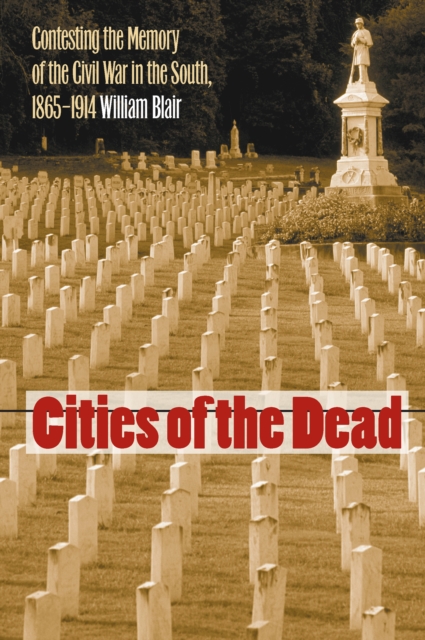
Exploring the history of Civil War commemorations from both sides of the color line, William Blair places the development of memorial holidays, Emancipation Day celebrations, and other remembrances in the context of Reconstruction politics and race relations in the South.
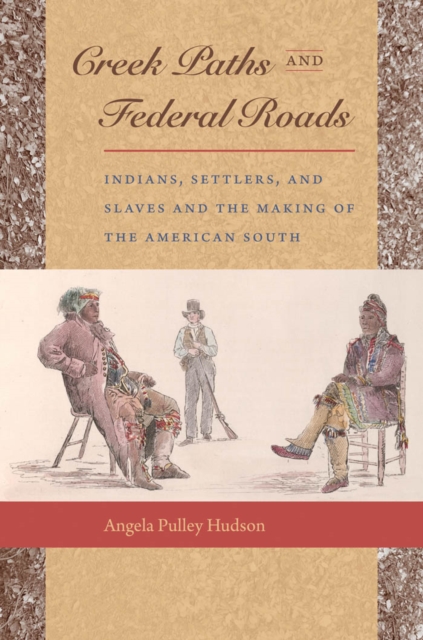
In Creek Paths and Federal Roads, Angela Pulley Hudson offers a new understanding of the development of the American South by examining travel within and between southeastern Indian nations and the southern states, from the founding of the United States until the forced removal of southeastern Indians in the 1830s.
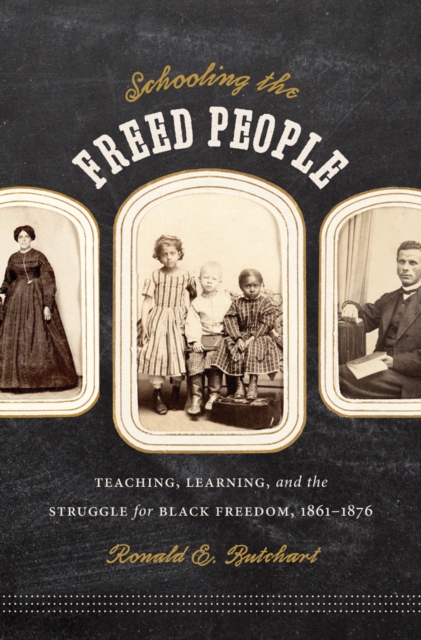
Conventional wisdom holds that freedmens education was largely the work of privileged, single white northern women motivated by evangelical beliefs and abolitionism.
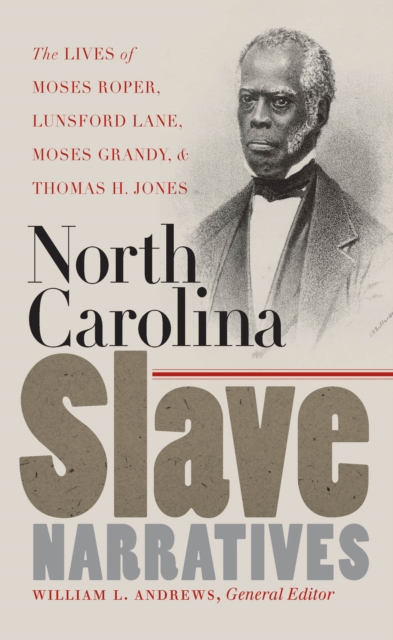
The autobiographies of former slaves contributed powerfully to the abolitionist movement in the United States, fanning national even international indignation against the evils of slavery.
Throughout the 1960s and 1970s, folklorist William Ferris toured his home state of Mississippi, documenting the voices of African Americans as they spoke about and performed the diverse musical traditions that form the authentic roots of the blues.
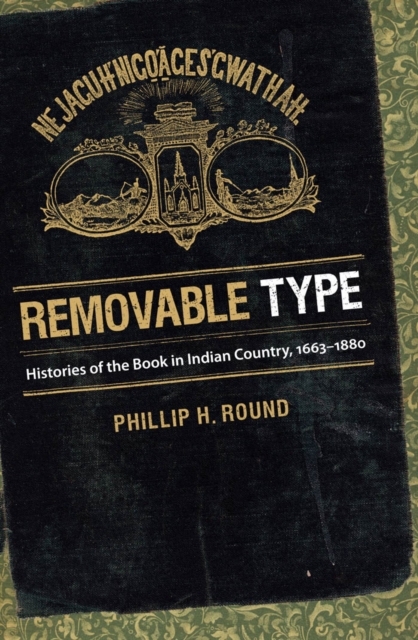
In 1663, the Puritan missionary John Eliot, with the help of a Nipmuck convert whom the English called James Printer, produced the first Bible printed in North America.
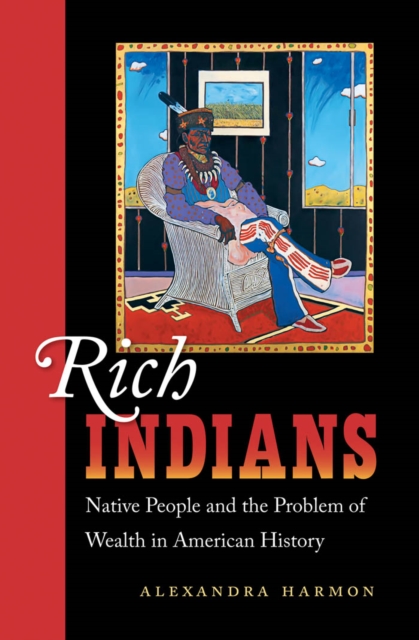
Long before lucrative tribal casinos sparked controversy, Native Americans amassed other wealth that provoked intense debate about the desirability, morality, and compatibility of Indian and non-Indian economic practices.
With this book, Cheryl Hicks brings to light the voices and viewpoints of black working-class women, especially southern migrants, who were the subjects of urban and penal reform in early-twentieth-century New York.
Marian Alexander Spencer was born in 1920 in the Ohio River town of Gallipolis, Ohio, one year after the "e;Red Summer"e; of 1919 that saw an upsurge in race riots and lynchings.
Lisa Levenstein reframes highly charged debates over the origins of chronic African American poverty and the social policies and political struggles that led to the postwar urban crisis.
Here is the first fully annotated edition of a landmark in early African American literature Eliza Potters 1859 autobiography, A Hairdressers Experience in High Life.
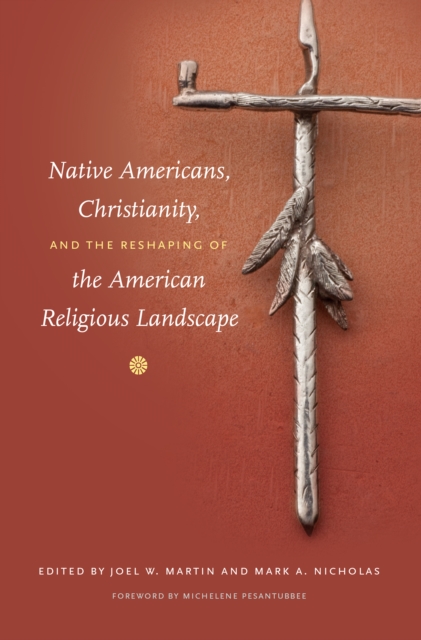
Diverse in their languages and customs, the Native American peoples of the Great Lakes region-the Miamis, Ho-Chunks, Potawatomis, Ojibwas, and many others-shared a tumultuous history.
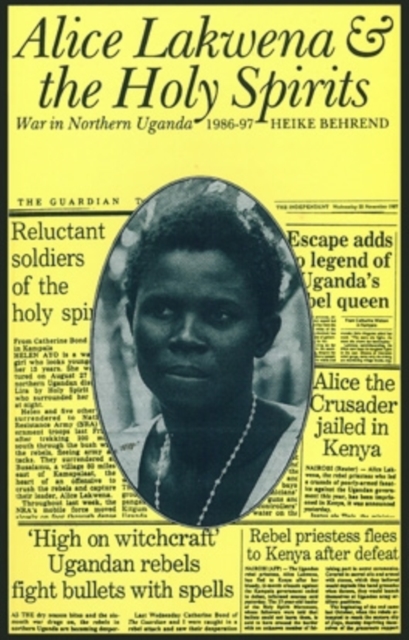
In August 1986, Alice Auma, a young Acholi woman in northern Uganda, proclaiming herself under the orders of a Christian spirit named Lakwena, raised an army called the "e;Holy Spirit Mobile Forces.
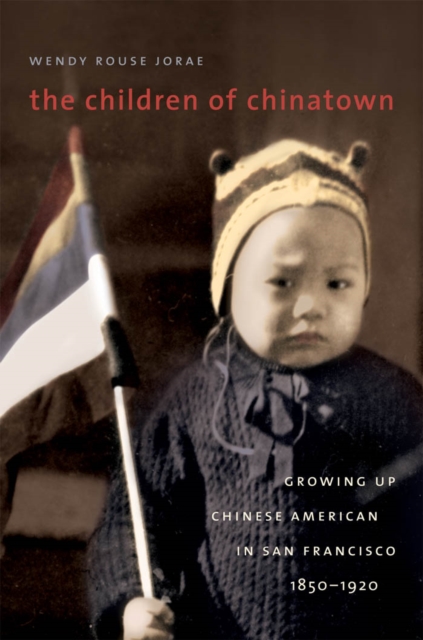
Revealing the untold stories of a pioneer generation of young Chinese Americans, this book places the children and families of early Chinatown in the middle of efforts to combat American policies of exclusion and segregation.
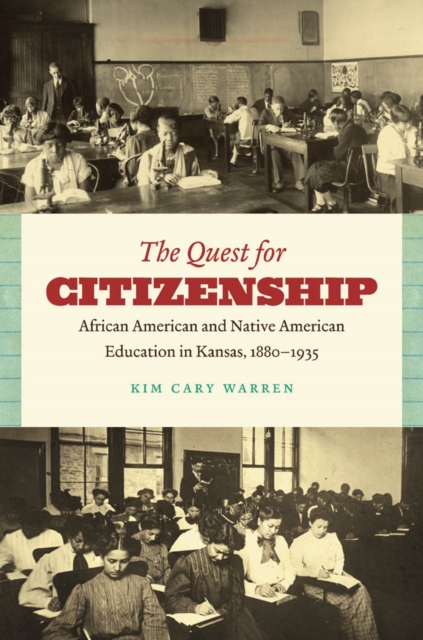
In The Quest for Citizenship, Kim Cary Warren examines the formation of African American and Native American citizenship, belonging, and identity in the United States by comparing educational experiences in Kansas between 1880 and 1935.
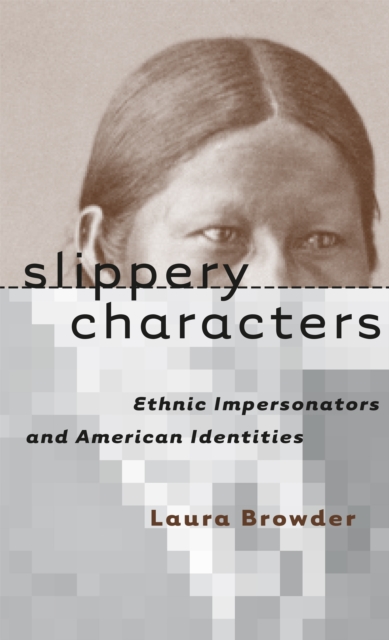
In the 1920s, black janitor Sylvester Long reinvented himself as Chief Buffalo Child Long Lance, and Elizabeth Stern, the native-born daughter of a German Lutheran and a Welsh Baptist, authored the immigrants narrative I Am a Woman and a Jew; in the 1990s, Asa Carter, George Wallaces former speechwriter, produced the fake Cherokee autobiography, The Education of Little Tree.
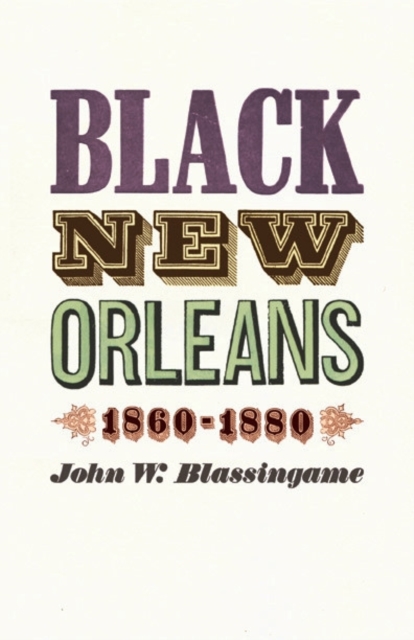
Reissued for the first time in over thirty years, Black New Orleans explores the twenty-year period in which the city's black population more than doubled.
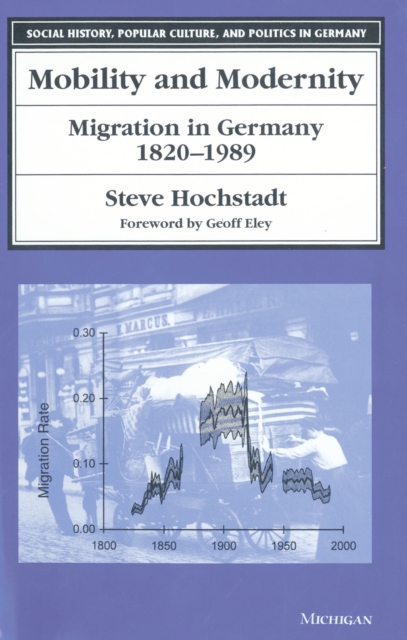
Mobility and Modernity uses voluminous German data on migrations over the past two centuries to demonstrate why conventional assumptions about the relationship between mobility and modernity must be revised.
Reiland Rabaka provides an alternative history of funk since the mid-1960s, which uncovers the epoch that funk women influenced and were influenced by while wrestling with issues revolving around race, gender, sexuality, and class simultaneously in the American music industry and in American society.
This book examines the implementation of immigration policy in Mexico through an ethnographic and relational lens, focusing on the subjectivities of state officials.
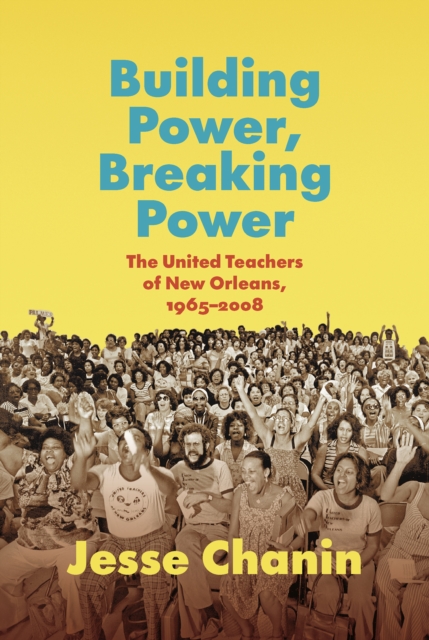
From 1965 to 2005, the United Teachers of New Orleans (UTNO) defied the Souths conservative anti-union efforts to become the largest local in Louisiana.
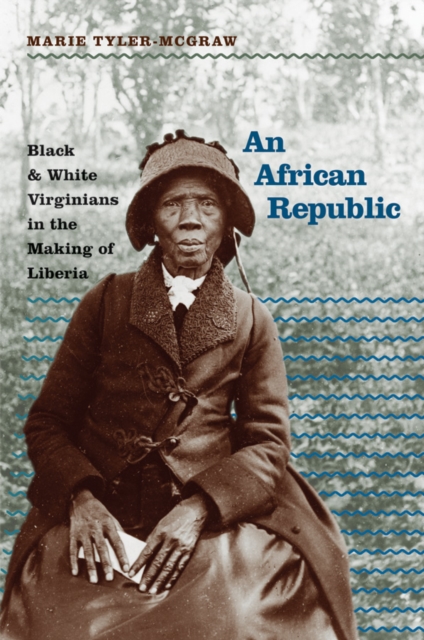
The nineteenth-century American Colonization Society (ACS) project of persuading all American free blacks to emigrate to the ACS colony of Liberia could never be accomplished.
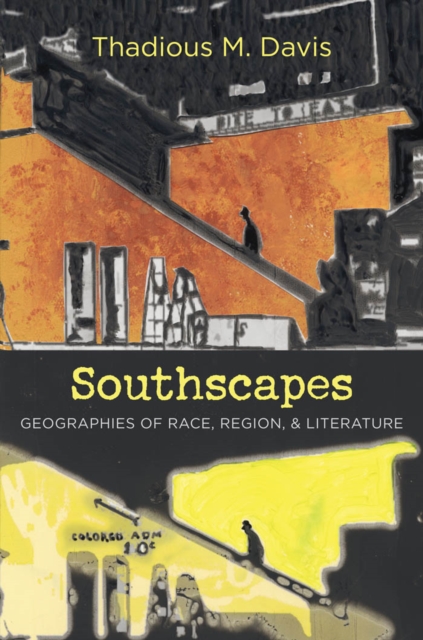
In this innovative approach to southern literary cultures, Thadious Davis analyzes how black southern writers use their spatial location to articulate the vexed connections between society and environment, particularly under segregation and its legacies.
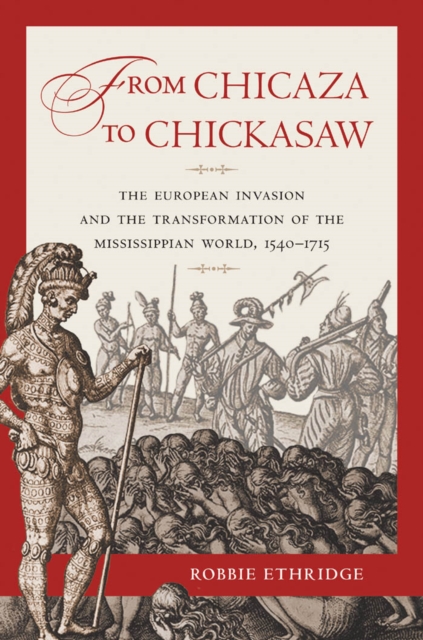
In this sweeping regional history, anthropologist Robbie Ethridge traces the metamorphosis of the Native South from first contact in 1540 to the dawn of the eighteenth century, when indigenous people no longer lived in a purely Indian world but rather on the edge of an expanding European empire.
Given the militarism of the Empire and Nazi Germany, why did postwar West Germany experience massive waves of peace protest in the 1950s, 1960s, and 1980s?
In the mid-1950s, Septima Poinsette Clark (1898-1987), a former public school teacher, developed a citizenship training program that enabled thousands of African Americans to register to vote and then to link the power of the ballot to concrete strategies for individual and communal empowerment.
The meaning of race in the antebellum southern United States was anchored in the racial exclusivity of slavery (coded as black) and full citizenship (coded as white as well as male).
The period between 1880 and 1918, at the end of which Jim Crow was firmly established and the Great Migration of African Americans was well under way, was not the nadir for black culture, James Smethurst reveals, but instead a time of profound response from African American intellectuals.
Documenting the difficult class relations between women slaveholders and slave women, this study shows how class and race as well as gender shaped womens experiences and determined their identities.
From the perspective of the 1990s, it is possible to see the road to the Bonn Republic and West Germany's "e;social market economy"e; as the "e;correct"e; postwar German path.
Long before the Montgomery bus boycott ushered in the modern civil rights movement, black and white southerners struggled to forge interracial democracy in America.