With the publication of the 1619 Project by The New York Times in 2019, a growing number of Americans have become aware that Africans arrived in North America before the Pilgrims.
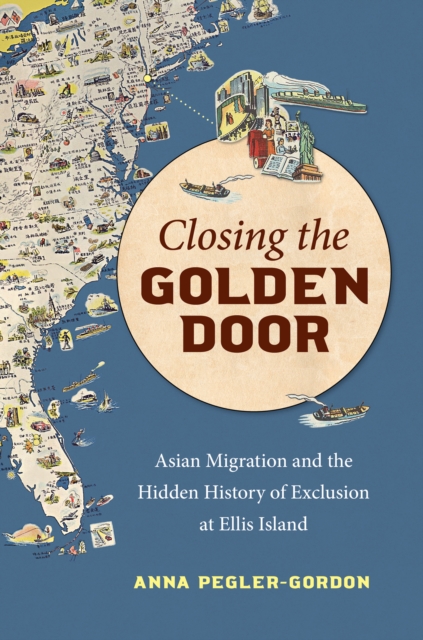
In the Jim Crow South, Chinese, Filipino, Japanese, and, later, Vietnamese and Indian Americans faced obstacles similar to those experienced by African Americans in their fight for civil and human rights.
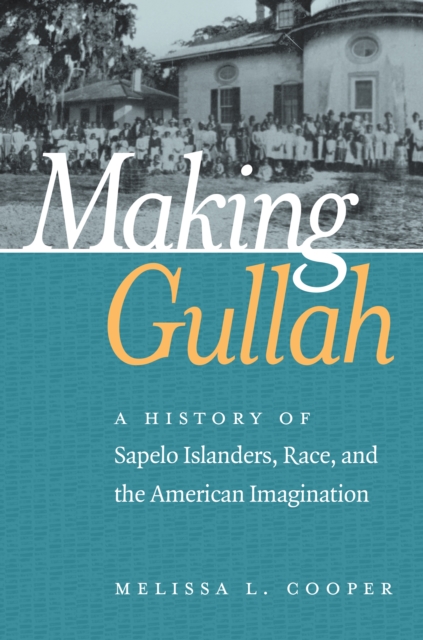
During the 1920s and 1930s, anthropologists and folklorists became obsessed with uncovering connections between African Americans and their African roots.
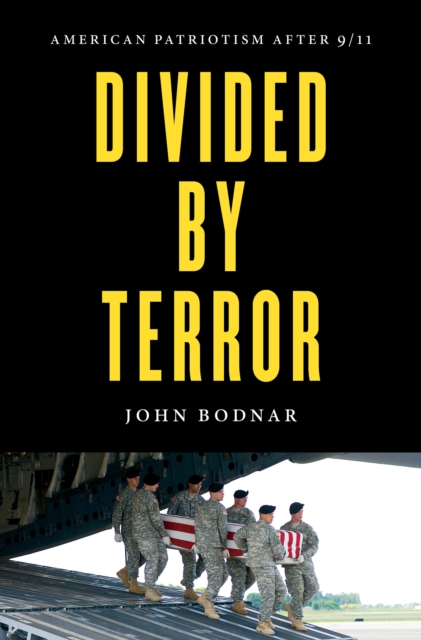
Americans responded to the deadly terrorist attacks on September 11, 2001, with an outpouring of patriotism, though all were not united in their expression.
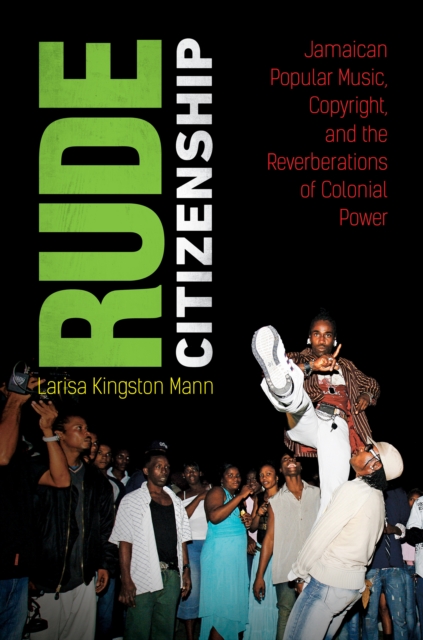
In this deep dive into the Jamaican music world filled with the voices of creators, producers, and consumers, Larisa Kingston MannDJ, media law expert, and ethnographeridentifies how a culture of collaboration lies at the heart of Jamaican creative practices and legal personhood.
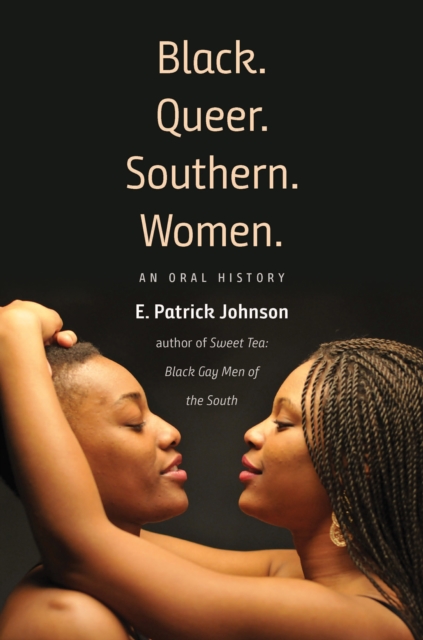
Drawn from the life narratives of more than seventy African American queer women who were born, raised, and continue to reside in the American South, this book powerfully reveals the way these women experience and express racial, sexual, gender, and class identities all linked by a place where such identities have generally placed them on the margins of society.
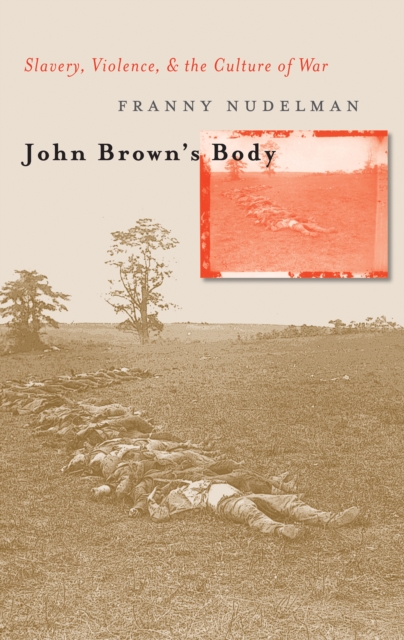
The 1850 Fugitive Slave Law, which mandated action to aid in the recovery of runaway slaves and denied fugitives legal rights if they were apprehended, quickly became a focal point in the debate over the future of slavery and the nature of the union.
In this absorbing transnational history, Alex Lubin reveals the vital connections between African American political thought and the people and nations of the Middle East.
In The Lives in Objects, Jessica Yirush Stern presents a thoroughly researched and engaging study of the deerskin trade in the colonial Southeast, equally attentive to British American and Southeastern Indian cultures of production, distribution, and consumption.
In an investigation of the effects of racism on the American economy, Michael Reich evaluates the leading economic theories of racial inequality and presents the new theory that discrimination against blacks increases inequality of income among whites.
Maps and borders notwithstanding, some places are best described as "e;gaps"e;--places with repeatedly contested boundaries that are wedged in between other places that have clear boundaries.
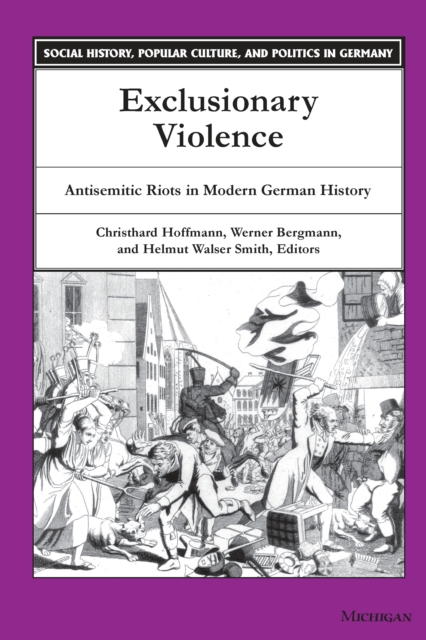
Whereas a large body of scholarly literature exists on German antisemitism in general, pre-Nazi histories of violence against Jews in the nineteenth and twentieth centuries have been widely neglected.
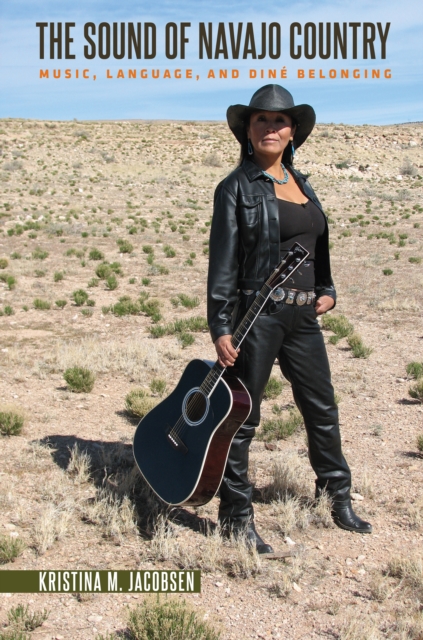
In this in-depth exploration of the symbols found in Navaho legend and ritual, Gladys Reichard discusses the attitude of the tribe members toward their place in the universe, their obligation toward humankind and their gods, and their conception of the supernatural, as well as how the Navaho achieve a harmony within their world through symbolic ceremonial practice.
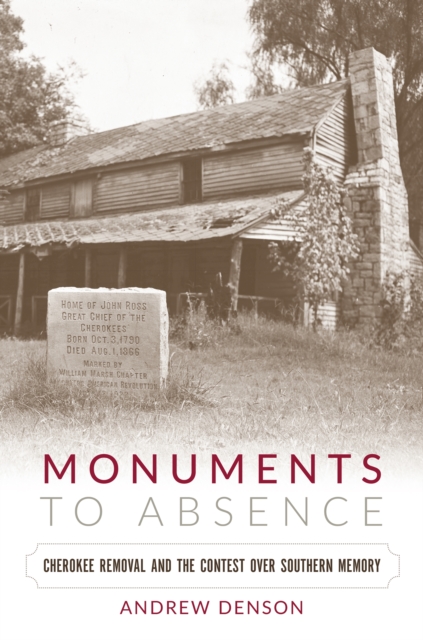
The 1830s forced removal of Cherokees from their southeastern homeland became the most famous event in the Indian history of the American South, an episode taken to exemplify a broader experience of injustice suffered by Native peoples.
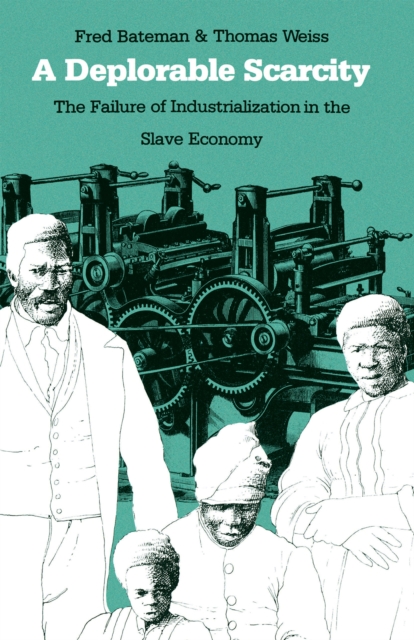
In this major reexamination of the southern industrial economy and its failure to progress during the antebellum period, Fred Bateman and Thomas Weiss show that slavery and its consequences were not alone in inhibiting industrialization.
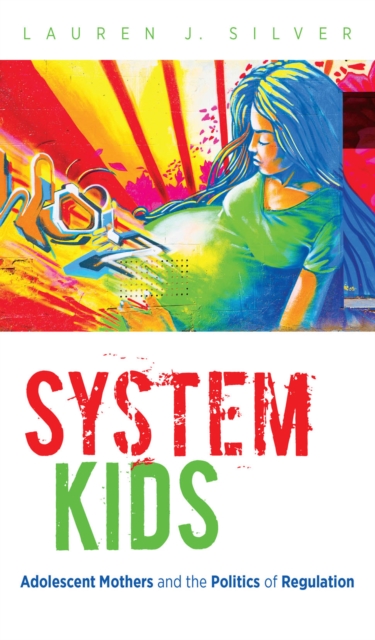
System Kids considers the daily lives of adolescent mothers as they negotiate the child welfare system to meet the needs of their children and themselves.
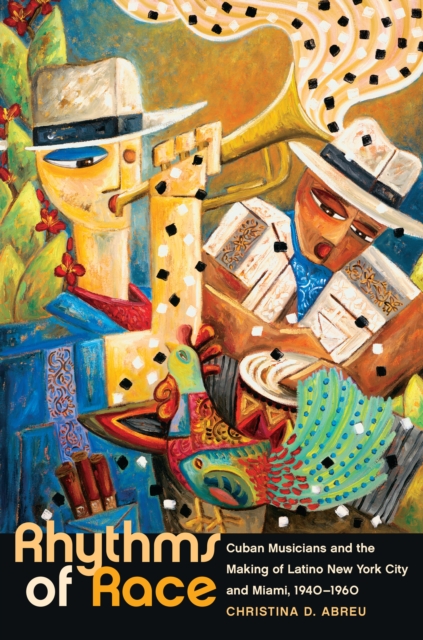
Among the nearly 90,000 Cubans who settled in New York City and Miami in the 1940s and 1950s were numerous musicians and entertainers, black and white, who did more than fill dance halls with the rhythms of the rumba, mambo, and cha cha ch.
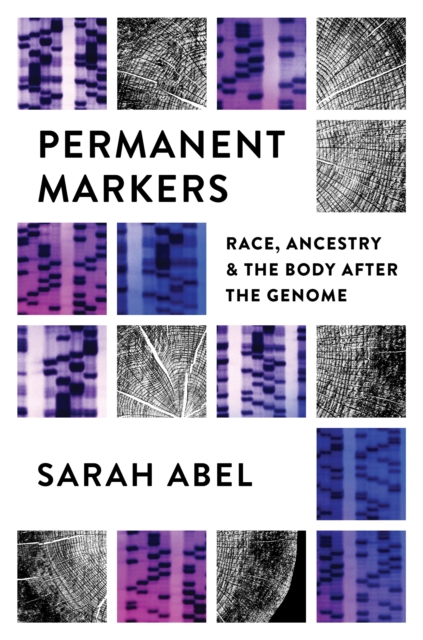
Over the past twenty years, DNA ancestry testing has morphed from a niche market into a booming international industry that encourages members of the public to answer difficult questions about their identity by looking to the genome.
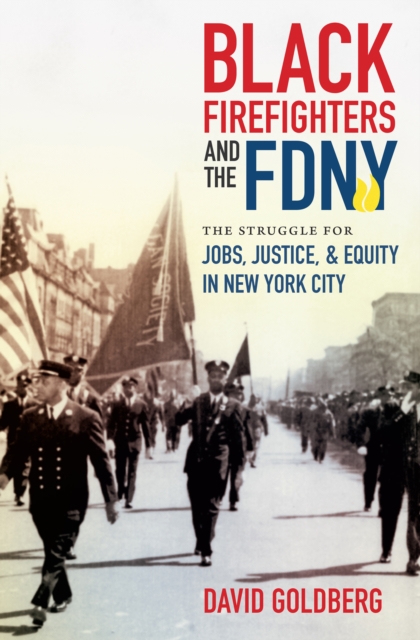
For many African Americans, getting a public sector job has historically been one of the few paths to the financial stability of the middle class, and in New York City, few such jobs were as sought-after as positions in the fire department (FDNY).
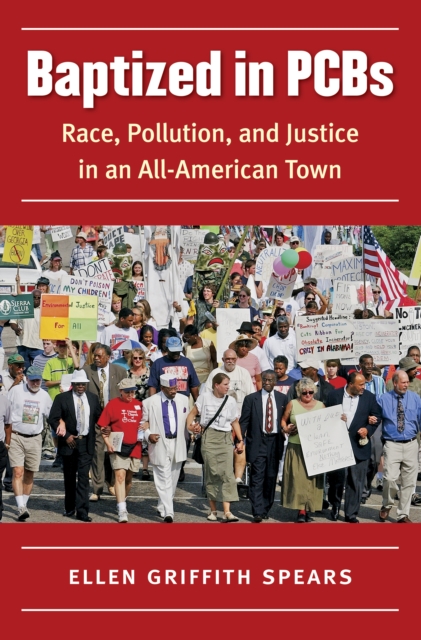
In the mid-1990s, residents of Anniston, Alabama, began a legal fight against the agrochemical company Monsanto over the dumping of PCBs in the citys historically African American and white working-class west side.
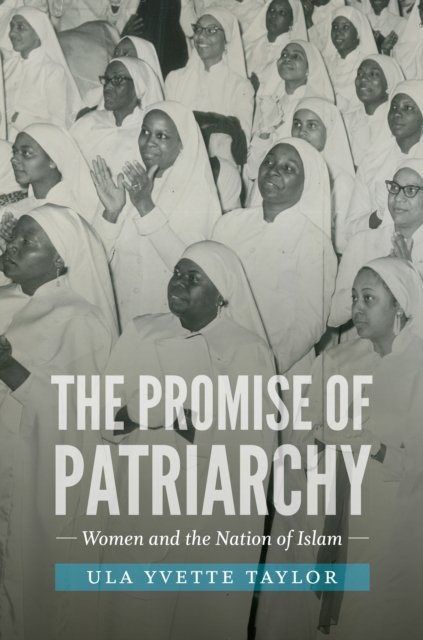
The patriarchal structure of the Nation of Islam (NOI) promised black women the prospect of finding a provider and a protector among the organizations men, who were fiercely committed to these masculine roles.
This vibrant book pulses with the beats of a new American South, probing the ways music, literature, and film have remixed southern identities for a postcivil rights generation.
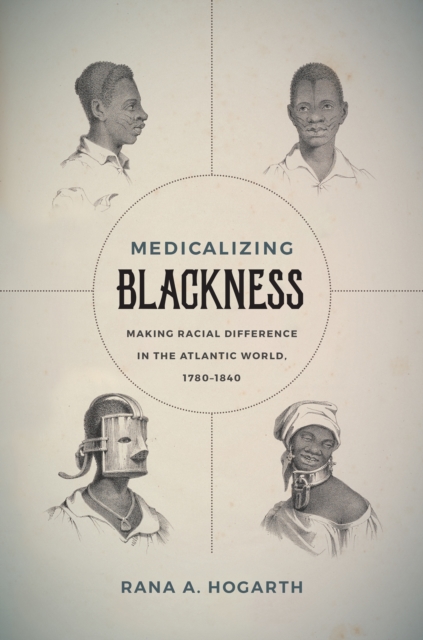
In 1748, as yellow fever raged in Charleston, South Carolina, doctor John Lining remarked, There is something very singular in the constitution of the Negroes, which renders them not liable to this fever.
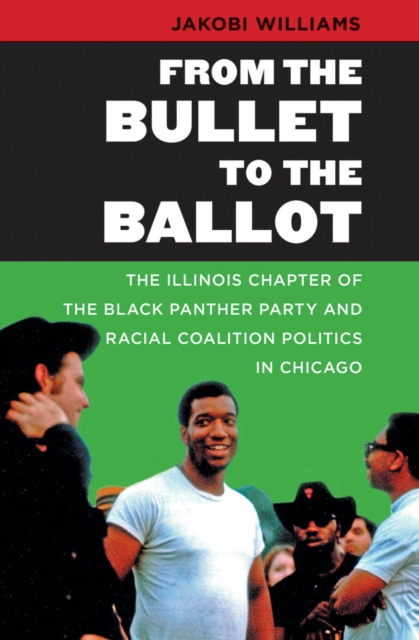
In this comprehensive history of the Illinois Chapter of the Black Panther Party (ILBPP), Chicago native Jakobi Williams demonstrates that the citys Black Power movement was both a response to and an extension of the citys civil rights movement.