Culture or Chaos in the Village: The Journey to Cultural Fluency seeks to provide a framework for examination of the factors that influence mediation of culture in the minds of teachers.
This book fills an educational void in the school leadership literature as it relates to historical, theoretical, intellectual and cultural understandings among those who prepare individuals for leadership in schools and for those who practice leadership in schools attended by significant numbers of African American students.
The authors in this edited volume reflect on their experiences with culturally relevant pedagogy_as students, as teachers, as researchers_and how these experiences were often at odds with their backgrounds and/or expectations.
This encouraging guide coaches African American and first-generation college students on strategies for maximizing their experiences and success on university campuses.
This invaluable resource provides a comprehensive historical and demographic overview of American Indians along with more than 100 cross-referenced entries on American Indian culture, exploring everything from arts, literature, music, and dance to food, family, housing, and spirituality.
Communicative Engagement and Social Liberation: Justice Will Be Made recognizes limitations in contemporary understandings that separate history and rhetoric.
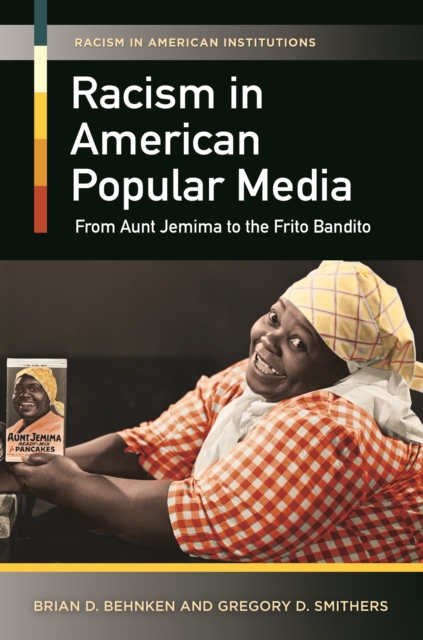
This book examines how the media-including advertising, motion pictures, cartoons, and popular fiction-has used racist images and stereotypes as marketing tools that malign and debase African Americans, Latinos, American Indians, and Asian Americans in the United States.
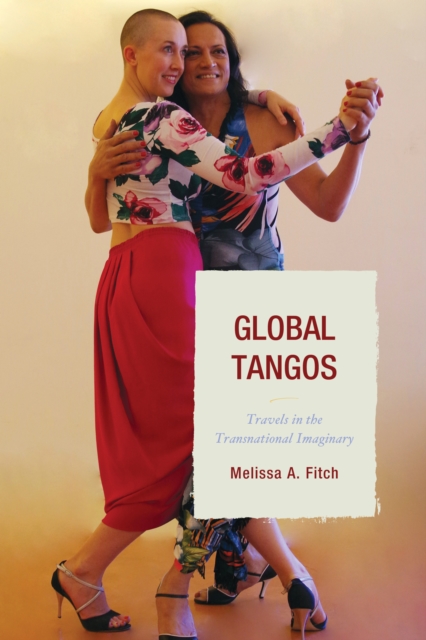
Global Tangos: Travels in the Transnational Imaginary argues against the hackneyed rose-in-mouth cliches of Argentine tango, demonstrating how the dance may be used as a way to understand transformations around the world that have taken place as a result of two defining features of globalization: transnationalism and the rise of social media.
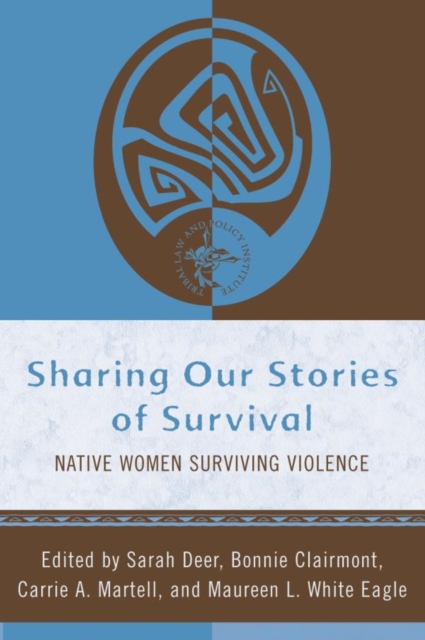
A general introduction to the social and legal issues involved in acts of violence against Native women, this book's contributors are lawyers, social workers, social scientists, writers, poets, and victims.
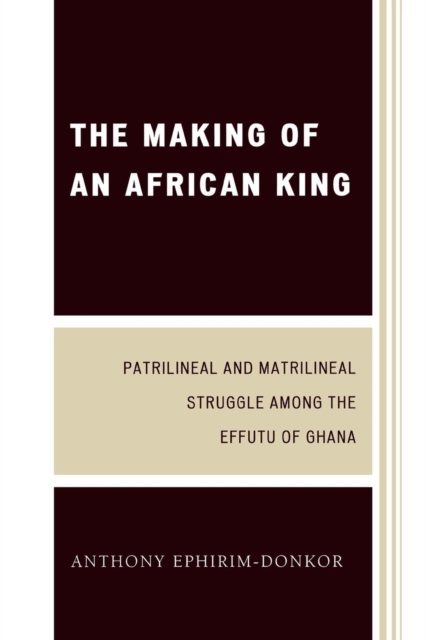
The Making of An African King is a study examining the causes of the kingship internecine struggle among the Effutu by exploring the two traditional systems of succession, the patrilineal and the matrilineal, among the Effutu (Awutu-abe), and how best to end political violence.
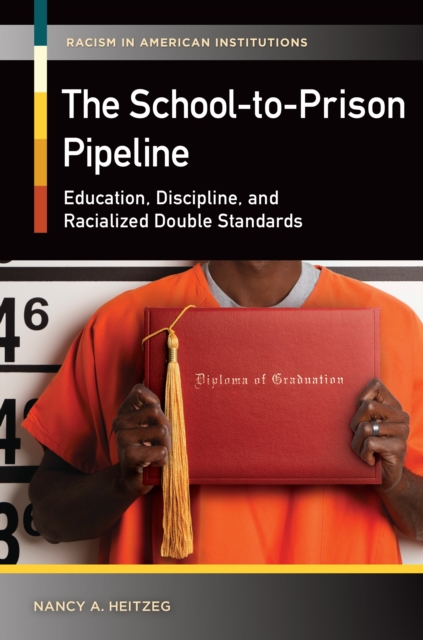
This book offers a research and comparison-driven look at the school-to-prison pipeline, its racial dynamics, the connections to mass incarceration, and our flawed educational climate-and suggests practical remedies for change.
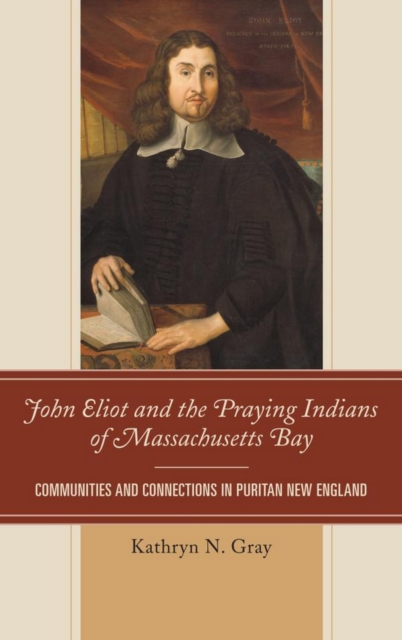
This book traces the development of John Eliot's mission to the Algonquian-speaking people of Massachusetts Bay, from his arrival in 1631 until his death in 1690.
Postcolonial Interruptions, Unauthorised Modernities is a ground-breaking work that revaluates the cultural and political understandings of the world today from the perspective of the south.
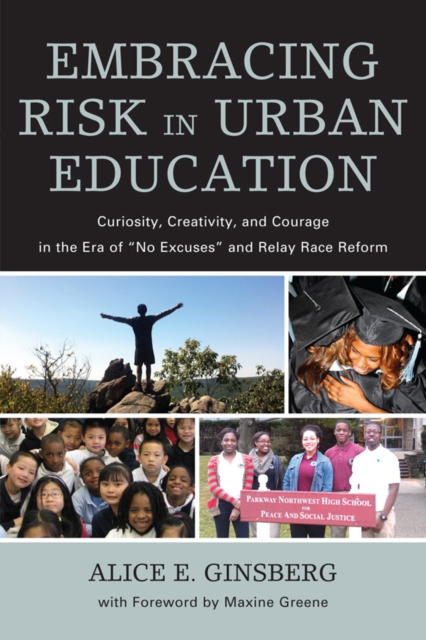
At a time when American urban public education is under broad attack, and in which America is perceived as a nationat risk that is losing the race to the top, educators and politicians from across the spectrum are promoting increased emphasis on standardized testing, business models of school reform, zero tolerance, no excuses, promoting cultural assimilation, and building a standardized curriculum.
An eye-opening, unapologetic explanation of what "e;racial profiling"e; is in modern-day America: systematic targeting of communities and placing of suspicion on populations, on the basis of not only ethnicity but also certain places that are linked to the social identity of that group.
This single-volume book contends that reshaping the paradigm of American Indian identity, blood quantum, and racial distinctions can positively impact the future of the Indian community within America and America itself.
This is the first major book to explore uniquely Haudenosaunee (Iroquois), and specifically Oneida, components in the Native American oral narrative as it existed around 1900.
Winner, 2024 RUSA Outstanding Reference AwardOffers a comprehensive overview of the most important authors, movements, genres, and historical turning points in Latino literature.
This wide-ranging survey of the environmental damage to Native American lands and peoples in North America-in recent times as well as previous decades-documents the continuing impact on the health, wellness, land, and communities of indigenous peoples.
An outstanding resource for contemporary American Indians as well as students and scholars interested in community and ethnicity, this book dispels the myth that all American Indians live on reservations and are plagued with problems, and serves to illustrate a unique, dynamic model of community formation.
Covering equity issues of sex, race, class, age, sexual orientation, and disability, this work presents creative, nontraditional narratives about performing social justice work, acknowledging the contributions of previous generations, describing current challenges, and appealing to readers to join the struggle toward a better world.
This book offers a research and comparison-driven look at the school-to-prison pipeline, its racial dynamics, the connections to mass incarceration, and our flawed educational climate-and suggests practical remedies for change.
African American slave narratives of the 19th century recorded the grim realities of the antebellum South; they also provide the foundation for this compelling and revealing work on African American history and experiences.
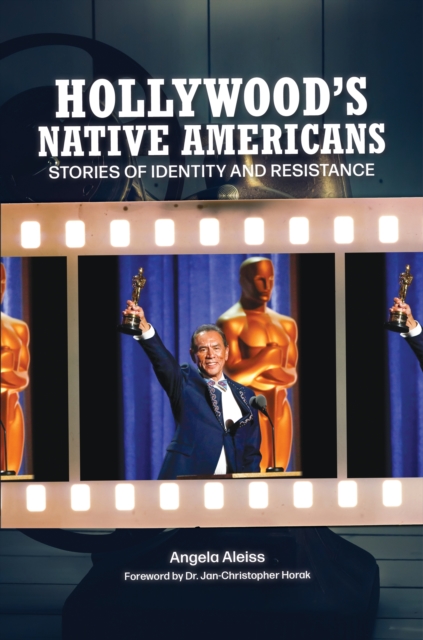
This book highlights the contributions and careers of Native Americans who have carved impressive careers in Hollywood, from the silent film era of the early 1900s to the present, becoming advocates for their heritage.
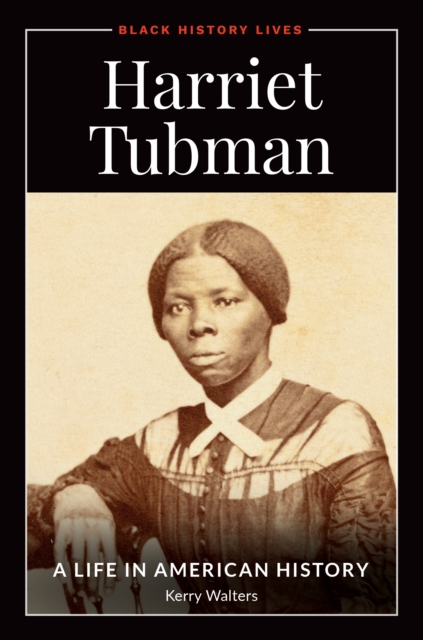
Harriet Tubman: A Life in American History is an indispensable resource for high school and college students about the life and times of anti-slavery activist Harriet Tubman, who exemplifies how slaves took the initiative to free themselves and others.
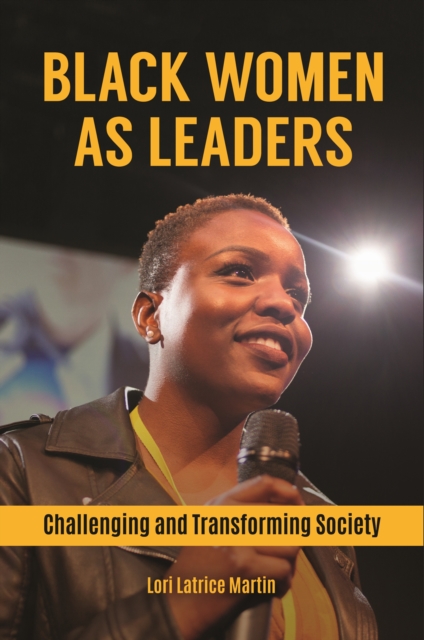
This book examines how black women have identified challenges in major social institutions across history and demonstrated adaptive leadership in mobilizing people to tackle those challenges facing black communities.
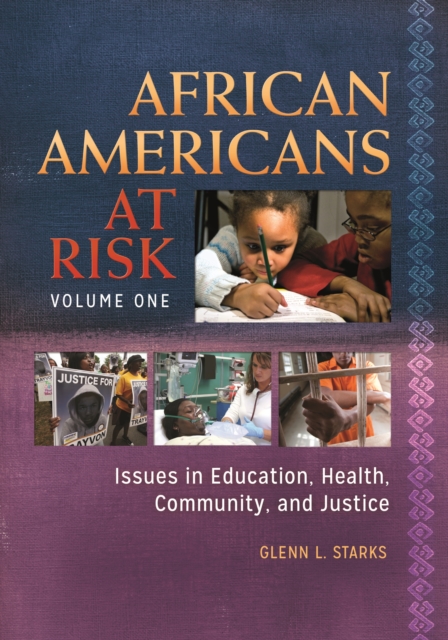
With all of the progress African Americans have made, they still face many risks that threaten the entire race or place segments in jeopardy of survival.
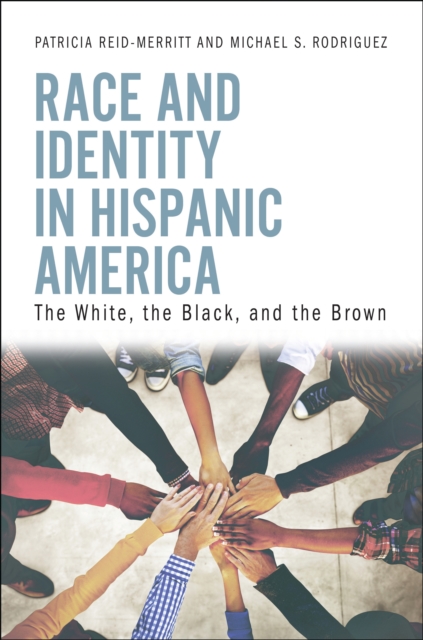
This book offers a historical and comparative overview of the evolution of racial classifications in the United States, Latin America, and the Caribbean.
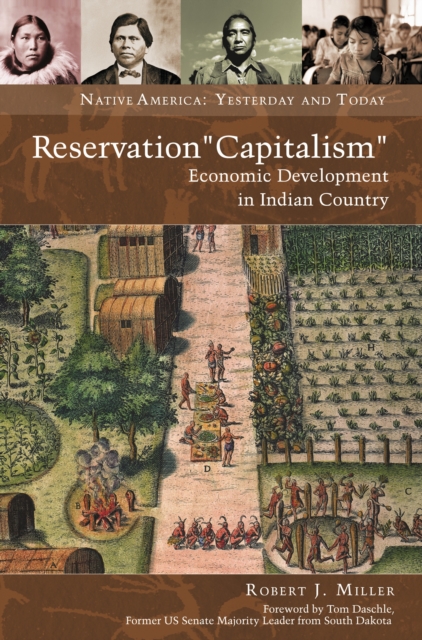
This unique book investigates the history and future of American Indian economic activities and explains why tribal governments and reservation communities must focus on creating sustainable privately and tribally owned businesses if reservation communities and tribal cultures are to continue to exist.
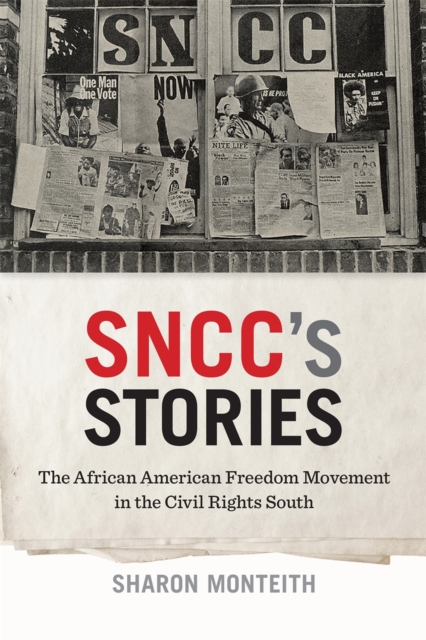
Formed in 1960 in Raleigh, North Carolina, the Student Non-violent Coordinating Committee (SNCC) was a high-profile civil rights collective led by young people.