Posthuman Blackness and the Black Female Imagination examines the future-oriented visions of black subjectivity in works by contemporary black women writers, filmmakers, and musicians, including Toni Morrison, Octavia Butler, Julie Dash, and Janelle Monae.
From the inception of slavery as a pillar of the Atlantic World economy, both Europeans and Africans feared their mass extermination by the other in a race war.
This wide-ranging interdisciplinary collection-the first of its kind-invites us to recon-sider the politics and scope of the Roots phenomenon of the 1970s.
Hospitality as a cultural trait has been associated with the South for well over two centuries, but the origins of this association and the reasons for its perseverance of-ten seem unclear.
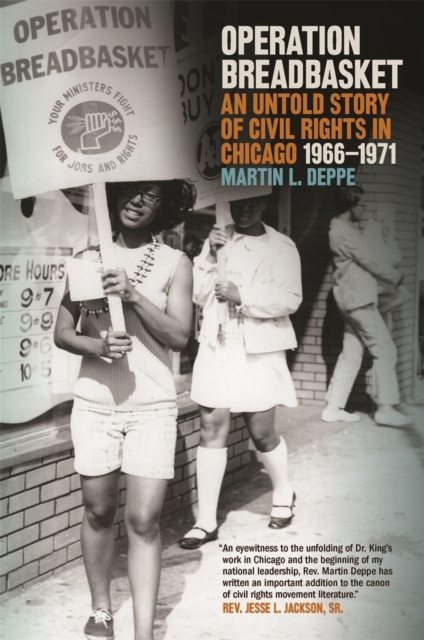
This is the first full history of Operation Breadbasket, the interfaith economic justice program that transformed into Jesse Jackson's Operation PUSH (now the Rainbow PUSH Coalition).
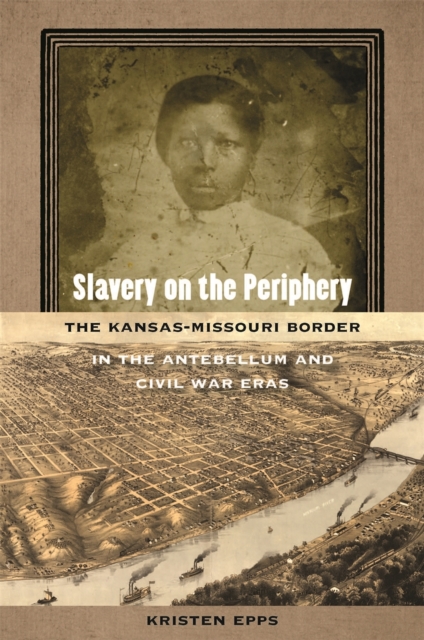
Slavery on the Periphery traces the rise and fall of chattel slavery on the Kansas-Missouri border from the earliest years of American settlement through the Civil War, exploring how its presence shaped life on this critical geographical, political, and social fault line.
This book brings together key essays that seek to make visible and expand our understanding of the role of government (policies, programs, and investments) in shaping cities and metropolitan regions; the costs and consequences of uneven urban and regional growth patterns; suburban sprawl and public health, transportation, and economic development; and the enduring connection of place, space, and race in the era of increased globalization.
This study compares the culture of black colleges and universities a generation ago with those that exist today, and makes projections into the future, based on a comprehensive review of professional literature and an analysis of the management skills of contemporary black college leaders.
Katharine Du Pre Lumpkin's 1946 autobiography The Making of a Southerner is considered a classic testament of a white southerner's commitment to racial justice in a culture where little was to be found.
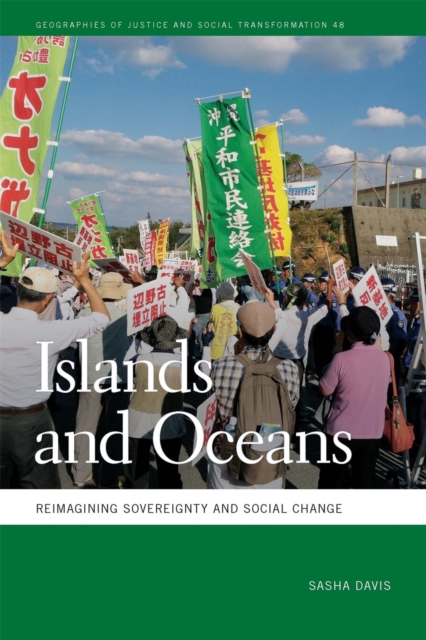
Sovereignty is a term used by stateless people seeking decolonization as well as by dominant social groups struggling to reassert their socially privileged positions.
As do other mighty forces such as wars, nationalist aspirations, and the shifting courses of great rivers, globalization changes the world's borders by bending them out of shape and creating new transnational spaces.
This book brings together key essays that seek to make visible and expand our understanding of the role of government (policies, programs, and investments) in shaping cities and metropolitan regions; the costs and consequences of uneven urban and regional growth patterns; suburban sprawl and public health, transportation, and economic development; and the enduring connection of place, space, and race in the era of increased globalization.
As do other mighty forces such as wars, nationalist aspirations, and the shifting courses of great rivers, globalization changes the world's borders by bending them out of shape and creating new transnational spaces.
From the 1787 Wedgwood antislavery medallion featuring the image of an enchained and pleading black body to Quentin Tarantino's Django Unchained (2012) and Steve McQueen's Twelve Years a Slave (2013), slavery as a system of torture and bondage has fascinated the optical imagination of the transatlantic world.
Slavery on the Periphery traces the rise and fall of chattel slavery on the Kansas-Missouri border from the earliest years of American settlement through the Civil War, exploring how its presence shaped life on this critical geographical, political, and social fault line.
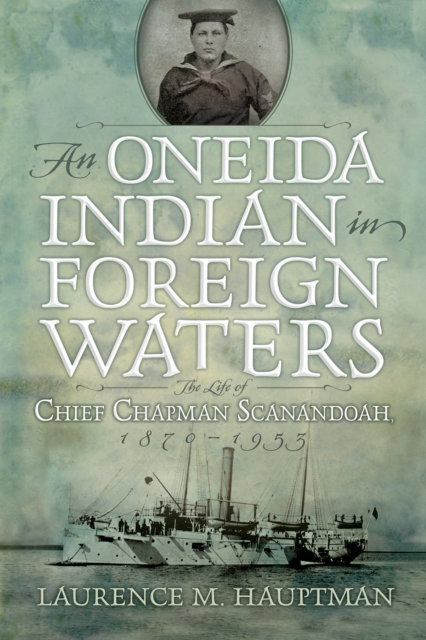
Chief Chapman Scanandoah (1870-1953) was a decorated Navy veteran who served in the Spanish-American War, a skilled mechanic, and a prize-winning agronomist who helped develop the Iroquois Village at the New York State Fair.
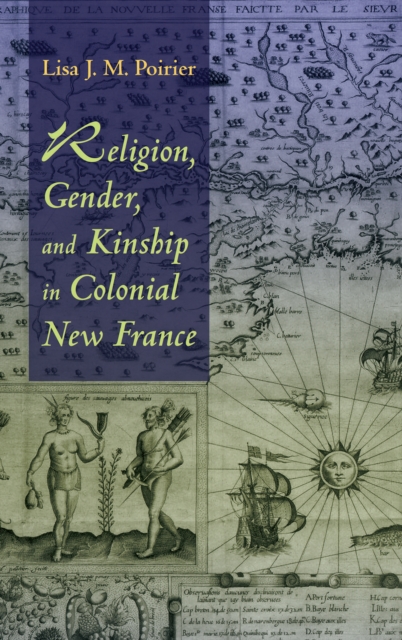
The individual and cultural upheavals of early colonial New France were experienced differently by French explorers and settlers, and by Native traditionalists and Catholic converts.
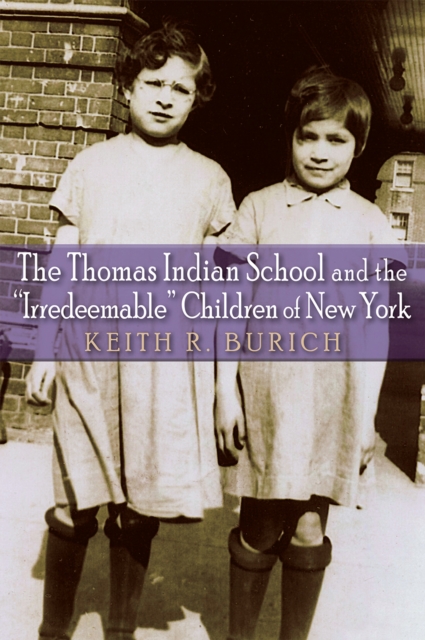
The story of the Thomas Indian School is the story of the Iroquois people and the suffering and despair of the children who found themselves trapped in an institution from which there was little chance for escape.
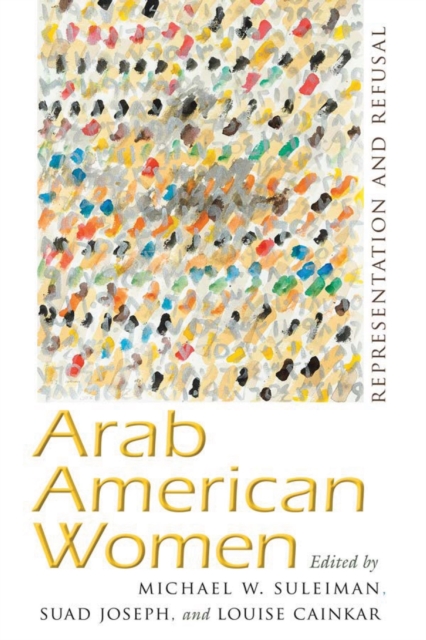
In the wake of recent upheavals across the Arab world, a simplistic media portrayal of the region as essentially homogenous has given way to a new though equally shallow portrayal, casting it as deeply divided along ethnic, linguistic, and religious lines.
The Cayuga are one of the original five nations of the Haudenosaunee Confederacy, a powerful alliance of Native American tribes in the Northeast, inhabiting much of the land in what is now central New York State.
By the close of the twentieth century, the United States became known for its reliance on incarceration as the chief means of social control, particularly in poor communities of color.
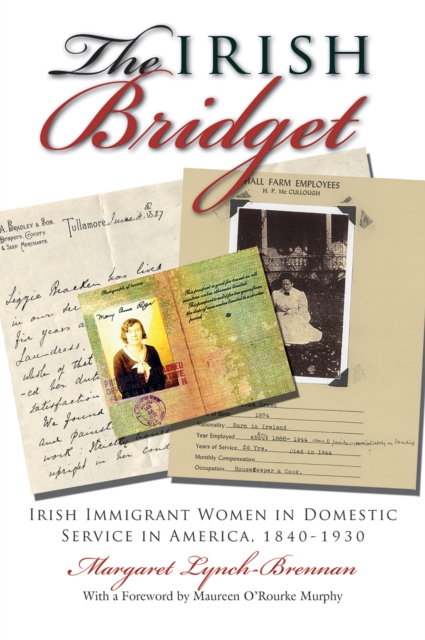
"e;Bridget"e; was the Irish immigrant servant girl who worked in American homes from the second half of the nineteenth century into the early years of the twentieth.
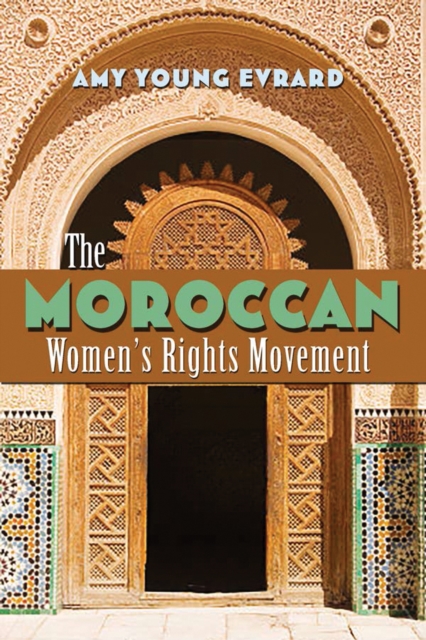
Among various important efforts to address women's issues in Morocco, a particular set of individuals and associations have formed around two specific goals: reforming the Moroccan Family Code and raising awareness of women's rights.
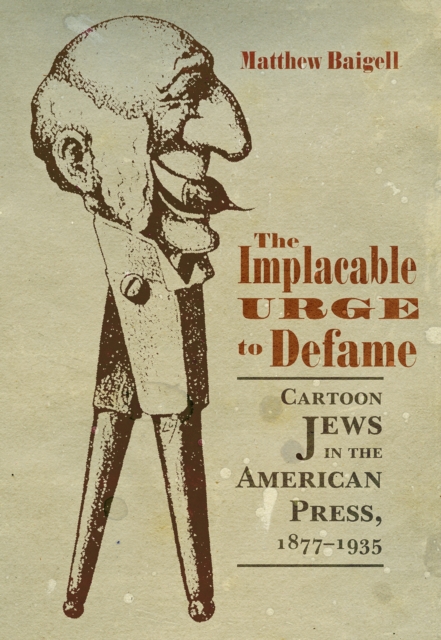
From the 1870s to the 1930s, American cartoonists devoted much of their ink to outlandish caricatures of immigrants and minority groups, making explicit the derogatory stereotypes that circulated at the time.
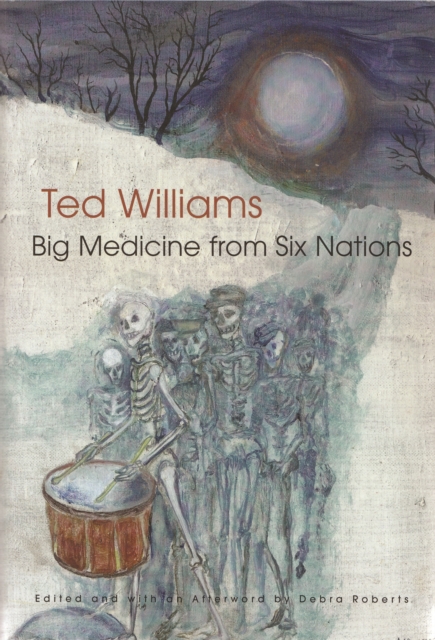
Big Medicine from Six Nations is a series of reminiscences and essays by the late Ted Williams, on the themes of "e;Medicine"e; (physical/spiritual/psychic healing).
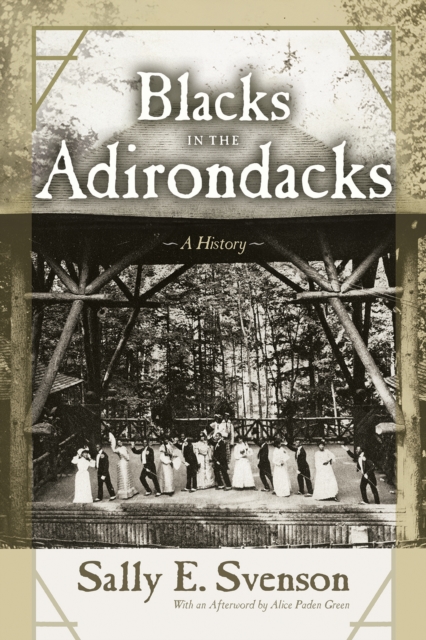
Blacks in the Adirondacks: A History tells the story of the many African Americans who settled in or passed through this rural, mountainous region of northeastern New York State.
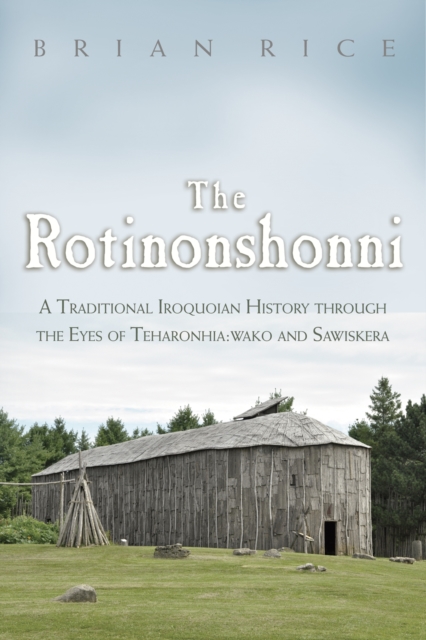
In this book, Rice offers a comprehensive history based on the oral traditions of the Rotinonshonni "e;Longhouse People,"e; also known as the Iroquois.
This book offers the full, annotated translation of a recently discovered Dutch account book recording trade with Native Americans in Ulster County, New York, from 1712 to 1732.