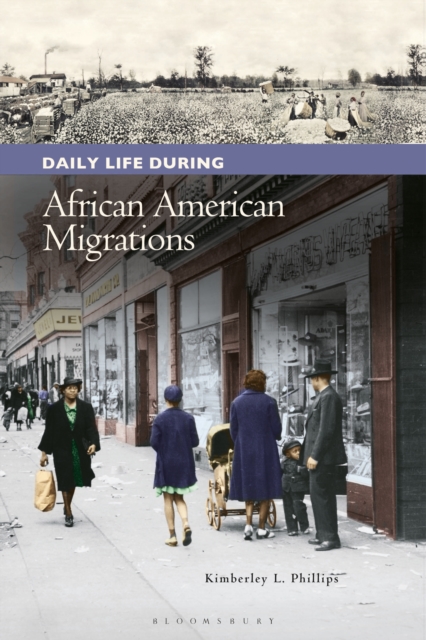
This book examines the century-long migration of African Americans who moved within the South after the Civil War and then left to settle permanently in other regions, irrevocably altering the political, social, and cultural history of the United States; and considers these movements within the broader historical, political, and cultural context of the African Diaspora.
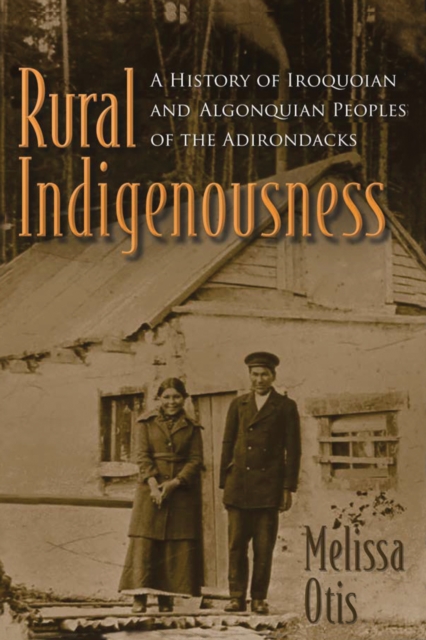
The Adirondacks have been an Indigenous homeland for millennia, and the presence of Native people in the region was obvious but not well documented by Europeans, who did not venture into the interior between the seventeenth and early nineteenth centuries.
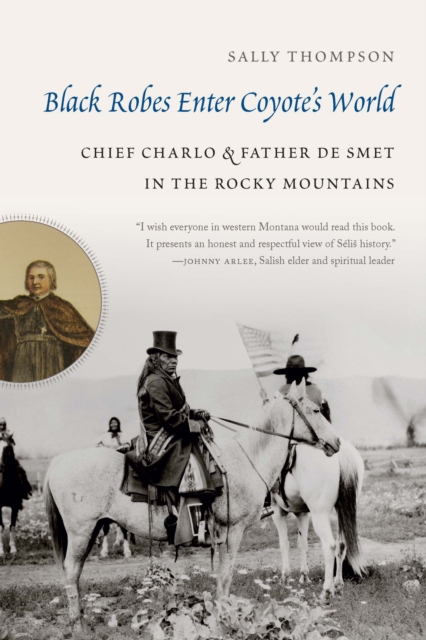
Black Robes Enter Coyotes World brings to life the complicated history of Jesuit missionaries among Montanas Native peoples-a saga of encounter, accommodation, and resistance during the transformative decades of the mid-to-late nineteenth century.
A 2023 Library Journal Best Social Sciences TitleFrom Library Journal's Starred Review: "e;All readers stand to learn something from this compelling book.
A 2023 Library Journal Best Social Sciences TitleFrom Library Journal's Starred Review: "e;All readers stand to learn something from this compelling book.
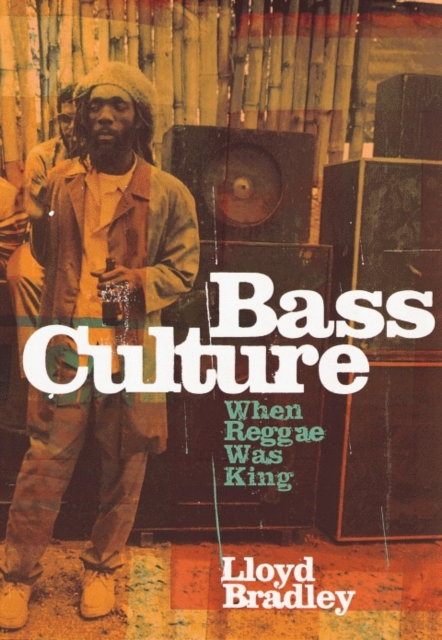
The first major account of the history of reggae, black music journalist Lloyd Bradley describes its origins and development in Jamaica, from ska to rock-steady to dub and then to reggae itself, a local music which conquered the world.
The author's father, when he was a senior Communist Party member in Belorussia, could have been implicated in the assassination of Mikhoels, the popular director of the State Jewish Theatre in the Soviet Union.
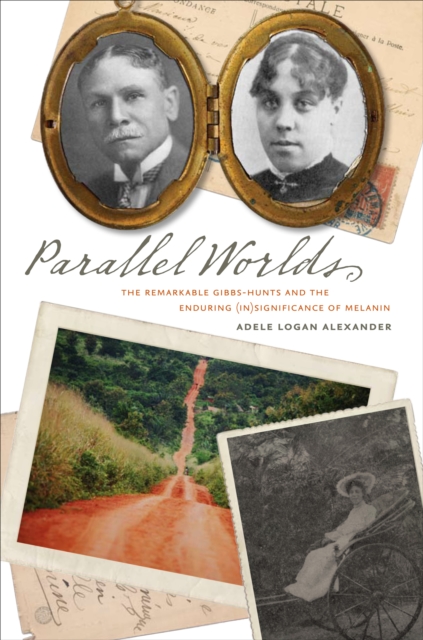
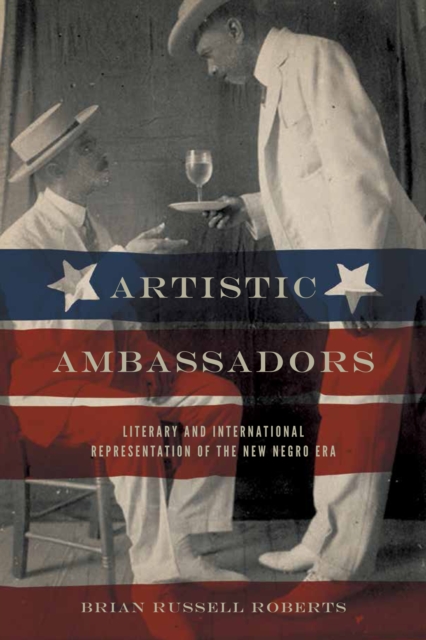
When William Henry Hunt married Ida Alexander Gibbs in the spring of 1904, their wedding was a dazzling Washington social event that joined an Oberlin-educated diplomat's daughter and a Wall Street veteran who could trace his lineage to Jamestown.
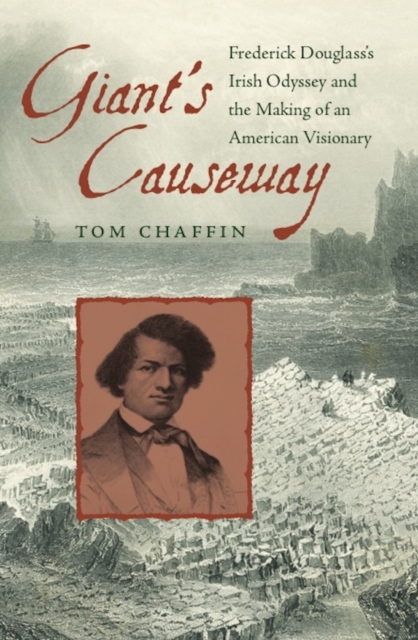
In 1845, seven years after fleeing bondage in Maryland, Frederick Douglass was in his late twenties and already a celebrated lecturer across the northern United States.
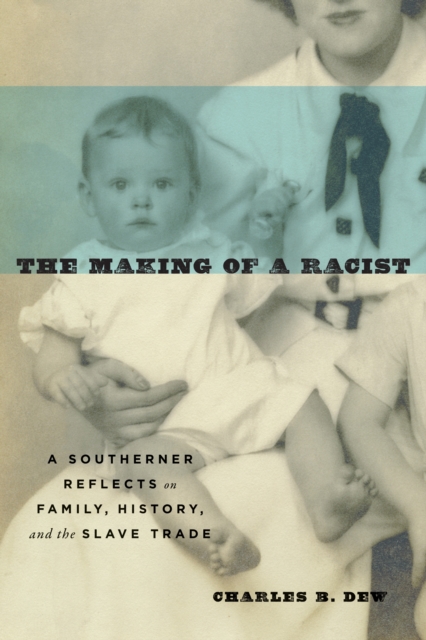
In this powerful memoir, Charles Dew, one of America's most respected historians of the South--and particularly its history of slavery--turns the focus on his own life, which began not in the halls of enlightenment but in a society unequivocally committed to segregation.
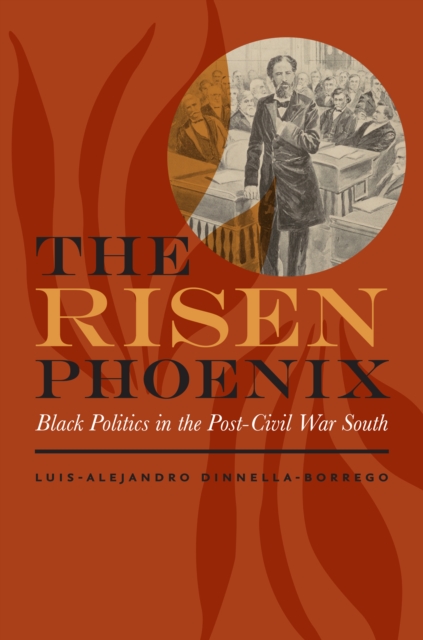
The Risen Phoenix charts the changing landscape of black politics and political culture in the postwar South by focusing on the careers of six black congressmen who served between the Civil War and the turn of the nineteenth century: John Mercer Langston of Virginia, James Thomas Rapier of Alabama, Robert Smalls of South Carolina, John Roy Lynch of Mississippi, Josiah Thomas Walls of Florida, and George Henry White of North Carolina.
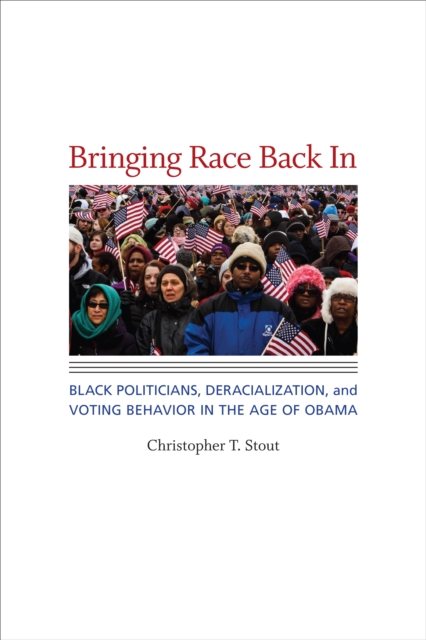
Bringing Race Back In empirically investigates whether "e;post-racial"e; campaign strategies, which are becoming increasingly common, improve black candidates' ability to mobilize and attract voters of all races and ethnicities.
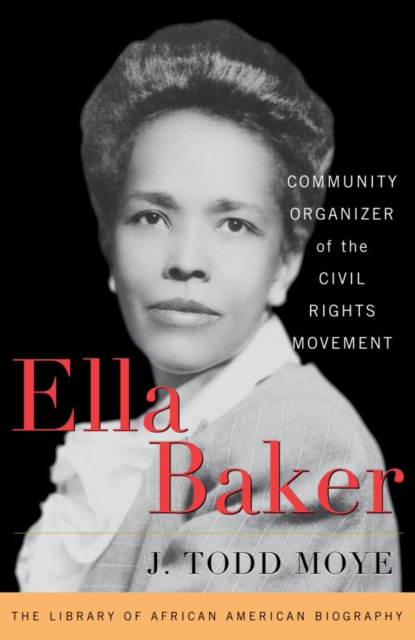
Ella Josephine Baker (1903-1986) was among the most influential strategists of the most important social movement in modern US history, the Civil Rights Movement, yet most Americans have never heard of her.
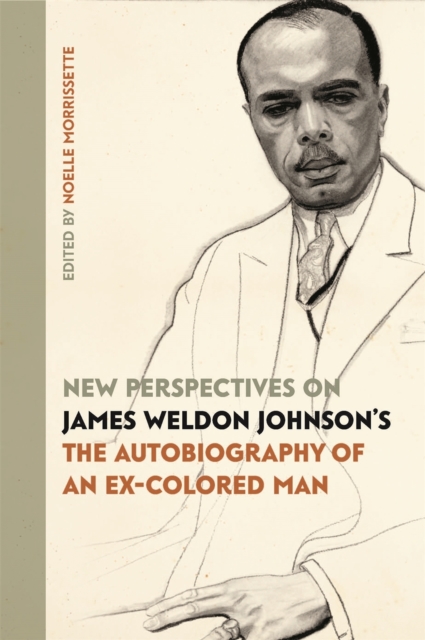
James Weldon Johnson (1871-1938) exemplified the ideal of the American public intellectual as a writer, educator, songwriter, diplomat, key figure of the Harlem Renaissance, and first African American executive of the NAACP.
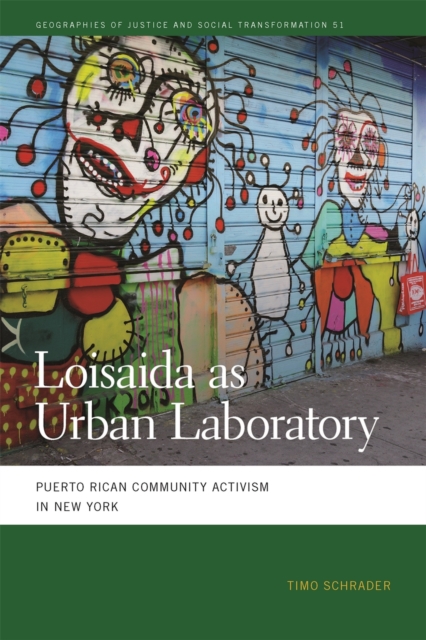
Loisaida as Urban Laboratory is the first in-depth analysis of the network of Puerto Rican community activism in New York City's Lower East Side from 1964 to 2001.
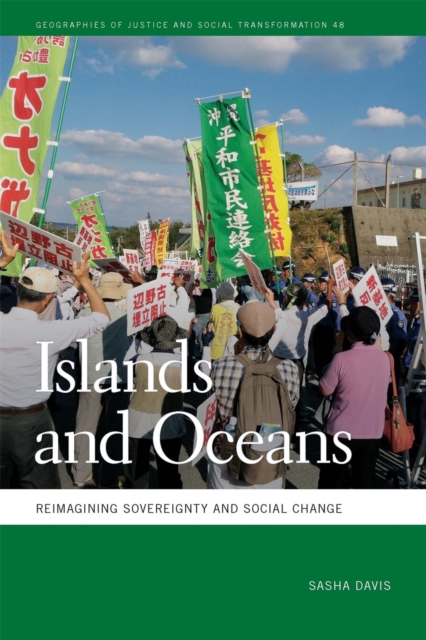
Sovereignty is a term used by stateless people seeking decolonization as well as by dominant social groups struggling to reassert their socially privileged positions.
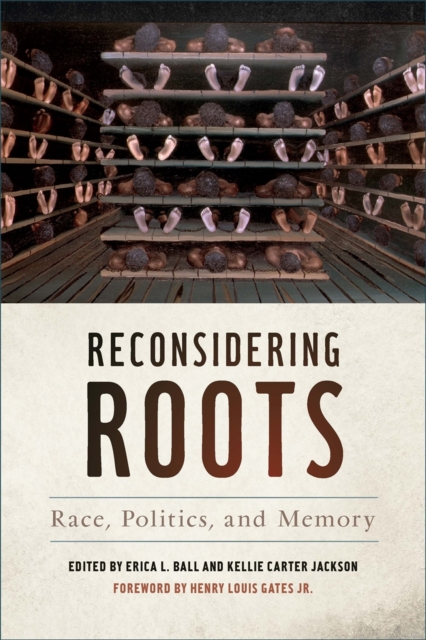
This wide-ranging interdisciplinary collection-the first of its kind-invites us to recon-sider the politics and scope of the Roots phenomenon of the 1970s.
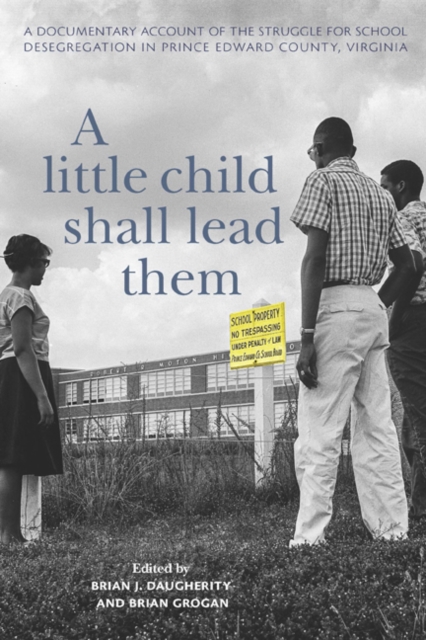
In the twentieth-century struggle for racial equality, there was perhaps no setting more fraught and contentious than the public schools of the American south.
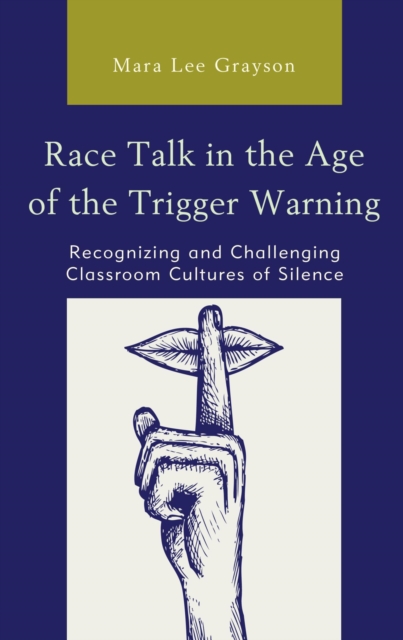
To generate opportunities for transformative learning, educators must create learning environments that help students feel safe and encourage them to grapple with potentially difficult material.
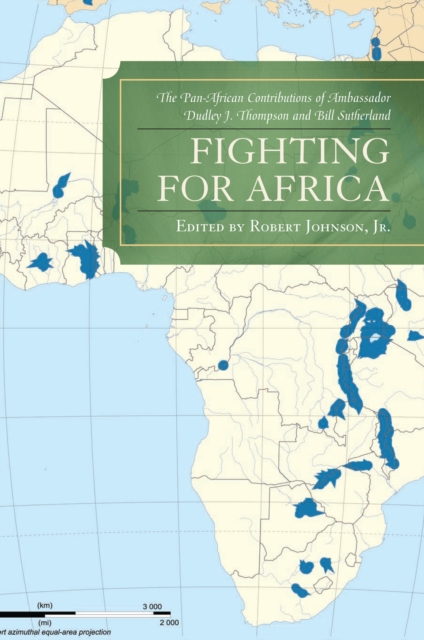
Fighting for Africa captures the commitment and contributions of two men who dedicated their lives to the fight to free Africa from colonialism and racism.
Those unfamiliar with the prehistory of North America have a general perception of the cultures of the continent that includes Native Americans living in tipis, wearing feathered headdresses and buckskin clothing, and following migratory bison herds on the Great Plains.
The Adirondacks have been an Indigenous homeland for millennia, and the presence of Native people in the region was obvious but not well documented by Europeans, who did not venture into the interior between the seventeenth and early nineteenth centuries.
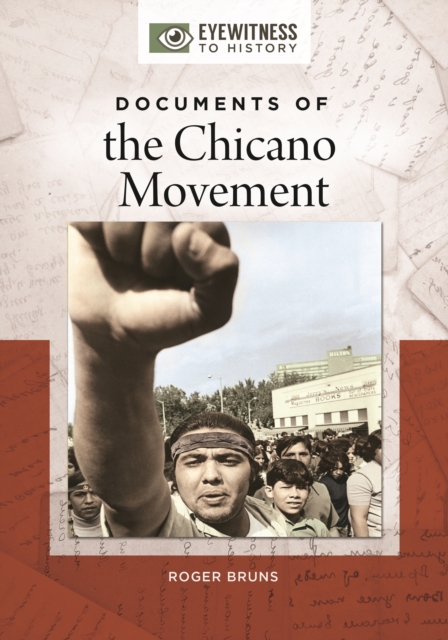
This book provides original source documents-from firsthand accounts to media responses to legislation-regarding the Chicano movement of the 1960s through 1970s.
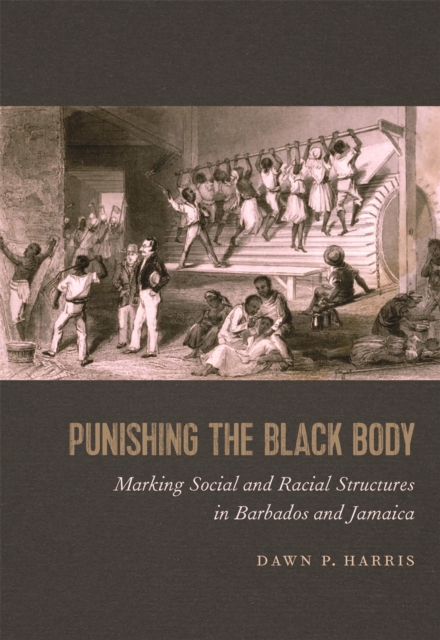
Punishing the Black Body examines the punitive and disciplinary technologies and ideologies embraced by ruling white elites in nineteenth-century Barbados and Jamaica.
The Punitive Turn explores the historical, political, economic, and sociocultural roots of mass incarceration, as well as its collateral costs and consequences.
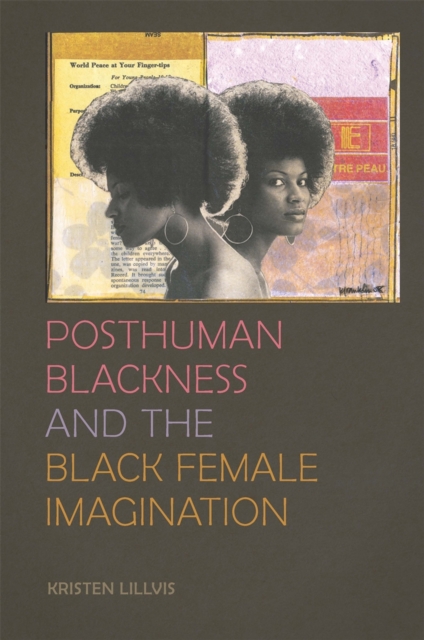
Posthuman Blackness and the Black Female Imagination examines the future-oriented visions of black subjectivity in works by contemporary black women writers, filmmakers, and musicians, including Toni Morrison, Octavia Butler, Julie Dash, and Janelle Monae.
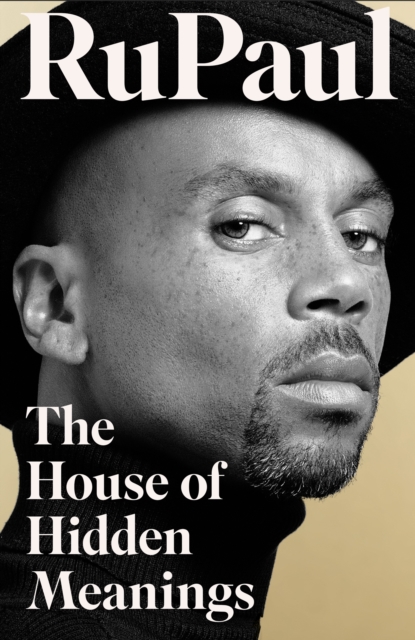
THE SUNDAY TIMES BESTSELLERFrom international drag superstar and pop culture icon RuPaul, comes his most revealing to date-a brutally honest and deeply intimate memoir of growing up Black, poor, and queer in a broken home to discovering the power of performance and self-acceptance.
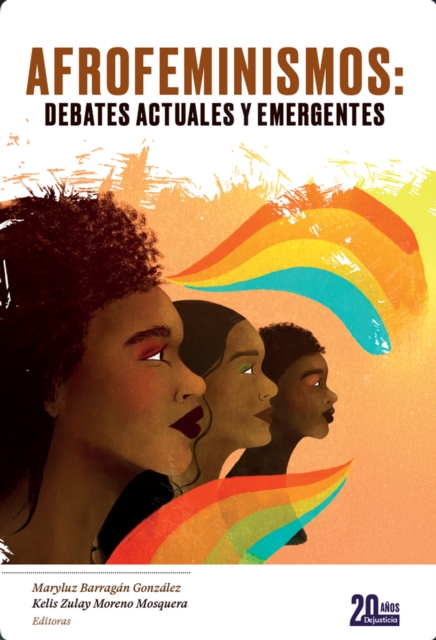
Este libro reúne las voces de mujeres afrodescendientes que, desde la investigación, el arte, la docencia y la acción comunitaria, construyen un pensamiento afrofeminista latinoamericano comprometido con la descolonización del saber y la afirmación de la experiencia negra como fuente legítima de conocimiento.
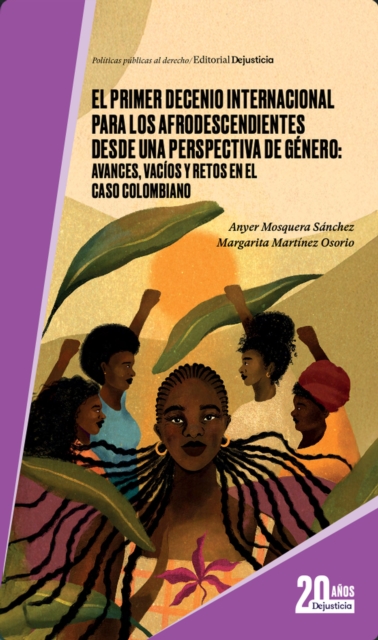
En diciembre de 2013, por medio de la Resolución 68/237, la Asamblea General de las Naciones Unidas proclamó el Decenio Internacional delas Personas Afrodescendientes (2015-2024), bajo el lema "reconocimiento, justicia y desarrollo".
Reune una cuidadosa seleccion de mitos tradicionales de diversas regiones y pueblos indigenas de Mexico, organizada bajo la coordinacion del antropologo Blas Roman Castellon Huerta.
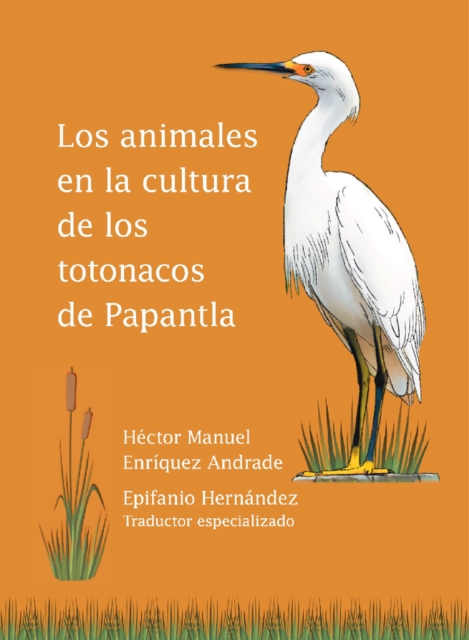
Es un estudio etnolinguistico y etnobiologico que explora como la comunidad totonaca de Papantla (Veracruz) percibe, clasifica y conceptualiza a los animales dentro de su cosmovision cultural.
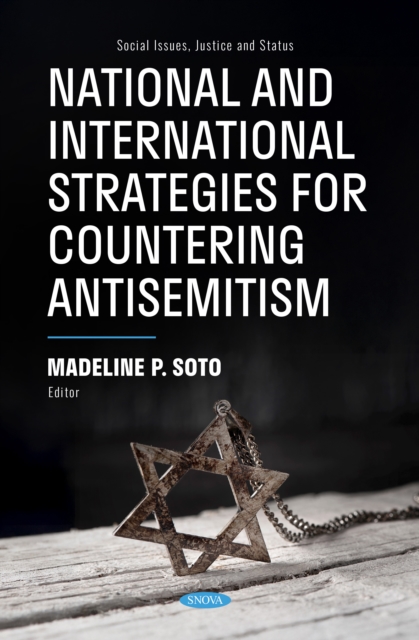
This book offers a comprehensive examination of contemporary efforts to combat antisemitism through coordinated policy initiatives at both national and international levels.
Fruto de un proceso maduro de investigacion y reflexion, este libro acude a la metafora para comprender el papel que tiene el antropologo en la interpretacion de la realidad.