For more than three decades, the Liberation Tigers of Tamil Eelam (LTTE) fought a gruesome war for independence against the majoritarian Sinhalese government of Sri Lanka.
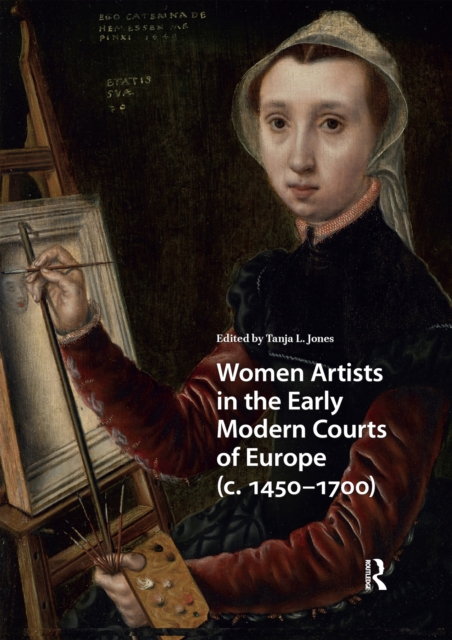
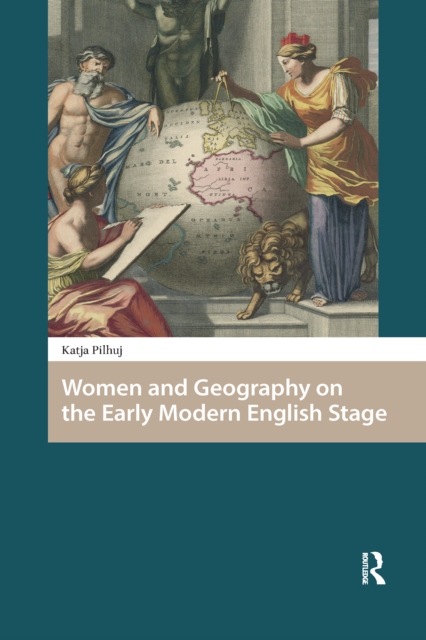
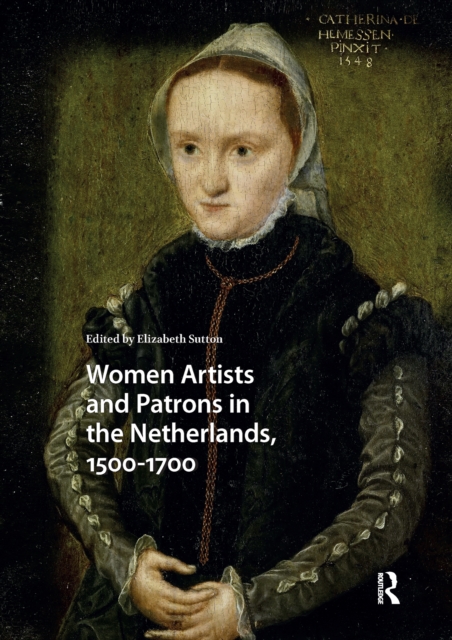
The new parameters of a global world in the early modern period gave rise to an expansion of movement that facilitated spatial and social mobility for women of different social ranks.
La metáfora del mandril, erigida como emblema por ciertos discursos políticos contemporáneos, exalta un modelo de varón basado en la violencia y la humillación como signos de poder.
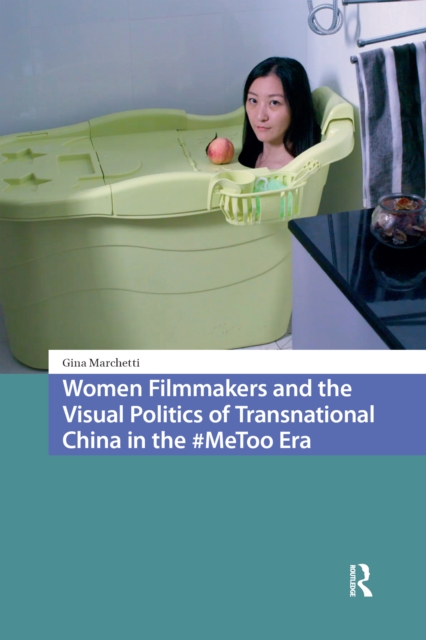
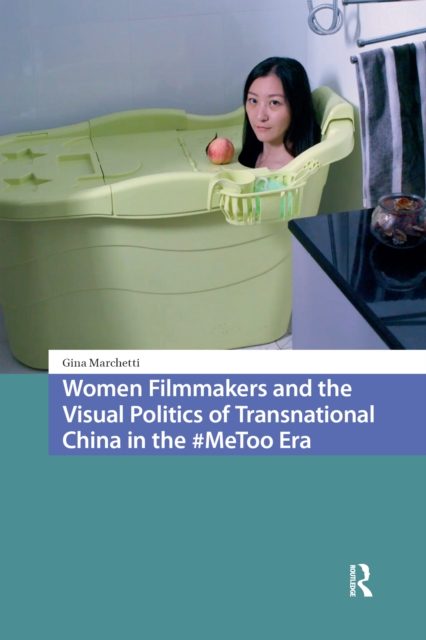
Manoeuvring around mainland China's censors and pushing back against threats of lawsuits, online harassment, and physical violence, #MeToo activists shed a particularly harsh light on the treatment of women in the cinema and entertainment industries.
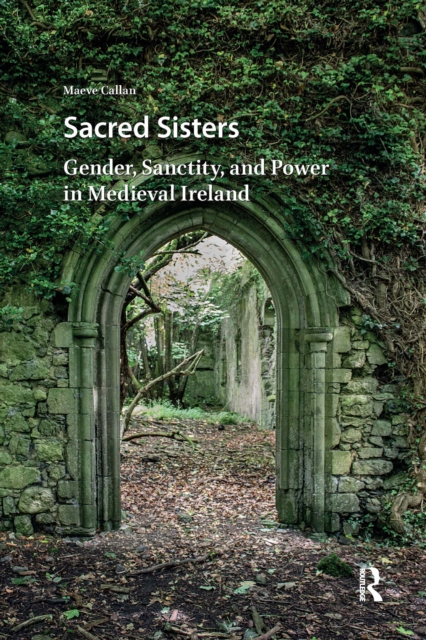
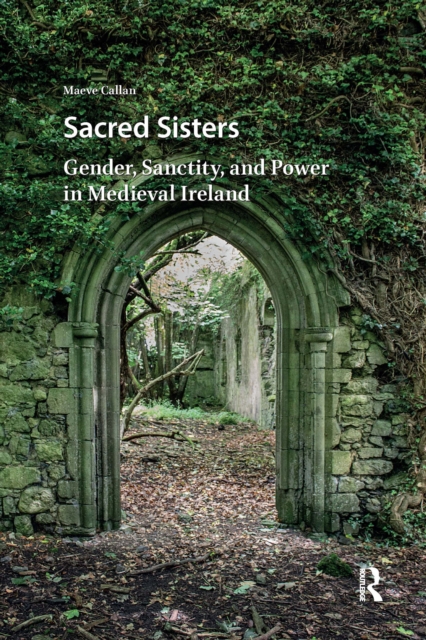
Sacred Sisters focuses on five saints: the four female Irish saints who have extant medieval biographies (Darerca, Brigid, Ite, and Samthann), and Patrick, whose writings -- fifth-century Ireland's sole surviving texts -- attest to the centrality of women in Irish Christianity's development.
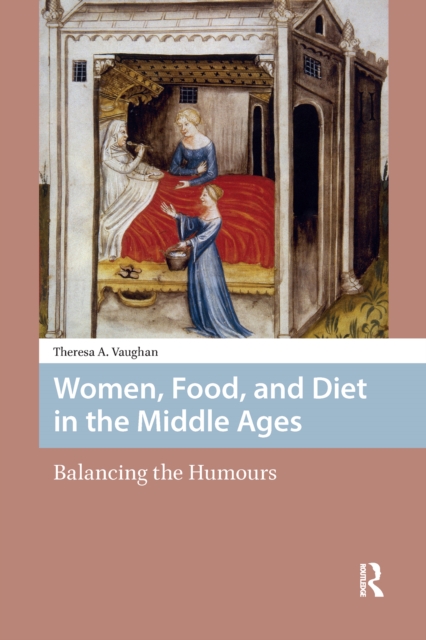
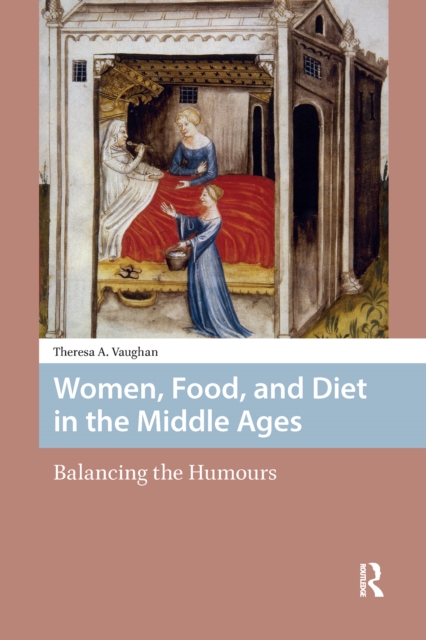
What can anthropological and folkloristic approaches to food, gender, and medicine tell us about these topics in the Middle Ages beyond the textual evidence itself?
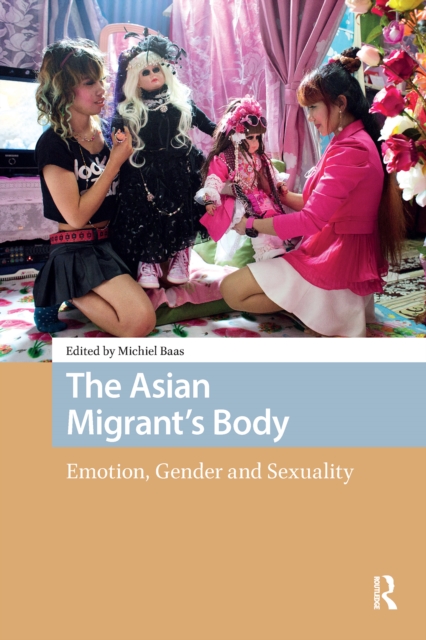
The Asian Migrant's Body: Emotion, Gender and Sexuality brings together papers that investigate the way Asian migrants experience, think about, perceive and utilize their bodies as part of the journeys they have embarked on.
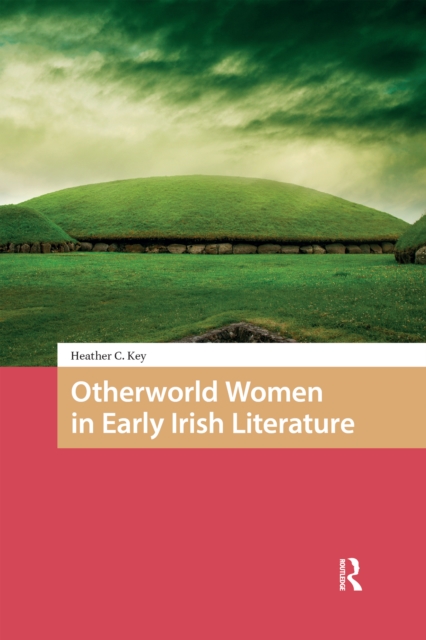
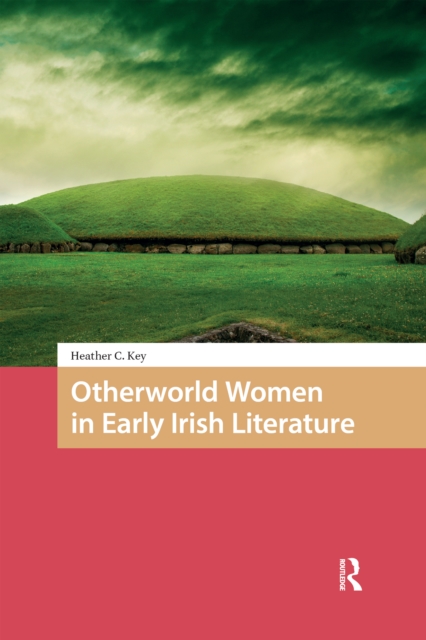
In early Ireland, there were many names for what scholars have dubbed the 'Otherworld': the Plain of Delights, the Land of Youth, the Land of Promise, and more.
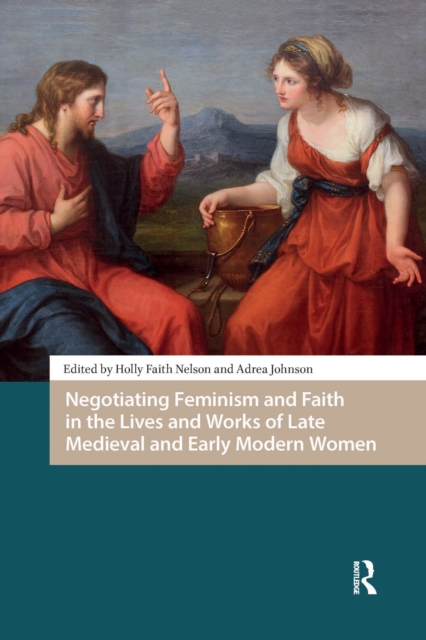
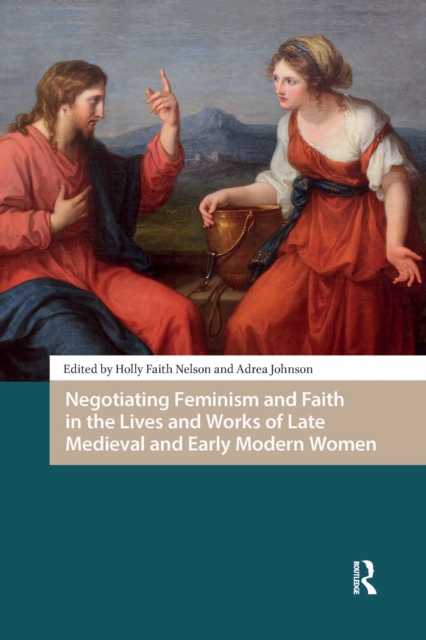
This wide-ranging transnational collection theorizes how late medieval and early modern Western women critically and creatively negotiated their faith and feminism, taking into account intersecting factors such as class, culture, confessional stance, institutional affiliation, ethnicity, dis/ability, geography, and historical circumstance.
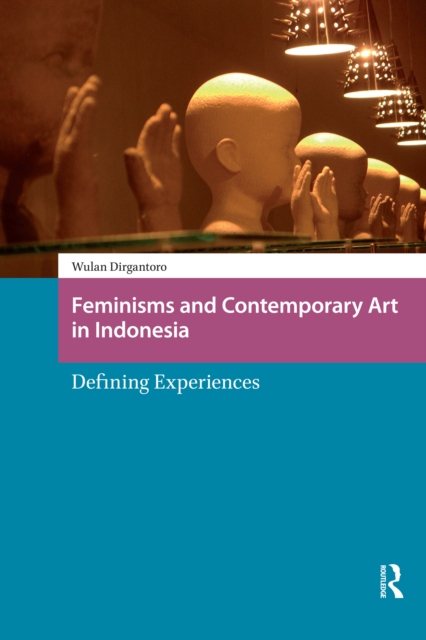
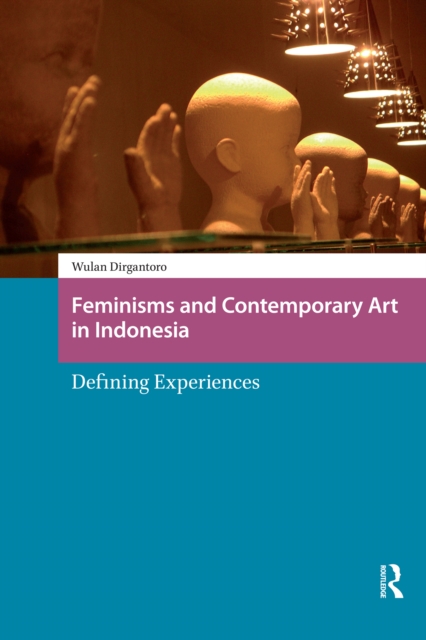
While Indonesian contemporary art is currently on the rise on the international art scene, there hasn't yet been an in-depth study of the works of Indonesian women artists and the feminist strategies they employ within the art world.
What can anthropological and folkloristic approaches to food, gender, and medicine tell us about these topics in the Middle Ages beyond the textual evidence itself?
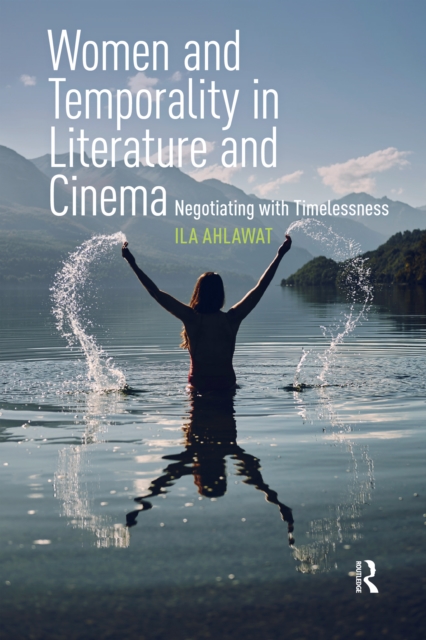
Women and Temporality in Literature and Cinema delves into the subject of literary and cinematic women characters entrapped in temporal spaces and their peculiar communication with visibility, enclosure, space, and time in the context of sexual and temporal discord.
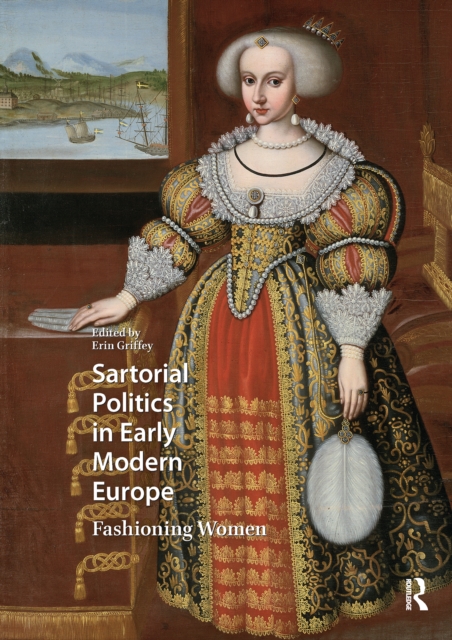
For women at the early modern courts, clothing and jewellery were essential elements in their political arsenal, enabling them to signal their dynastic value, to promote loyalty to their marital court and to advance political agendas.
The plots of many films pivot on the moment when a dowdy girl with bad hair, ill-fitting outdated clothing, and thick glasses is changed into an almost unrecognizable glamour girl.
Manoeuvring around mainland China's censors and pushing back against threats of lawsuits, online harassment, and physical violence, #MeToo activists shed a particularly harsh light on the treatment of women in the cinema and entertainment industries.
This wide-ranging transnational collection theorizes how late medieval and early modern Western women critically and creatively negotiated their faith and feminism, taking into account intersecting factors such as class, culture, confessional stance, institutional affiliation, ethnicity, dis/ability, geography, and historical circumstance.
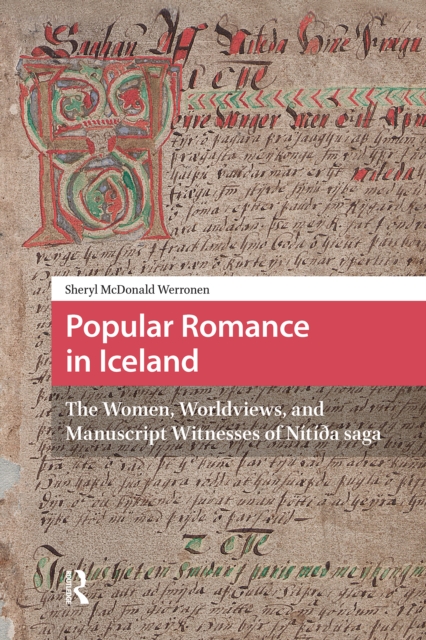
A late medieval Icelandic romance about the 'maiden-king' of France, Nitida saga generated interest in its day and grew in popularity in post-Reformation Iceland, yet until now it has not received the comprehensive scholarly analysis that it much deserves.
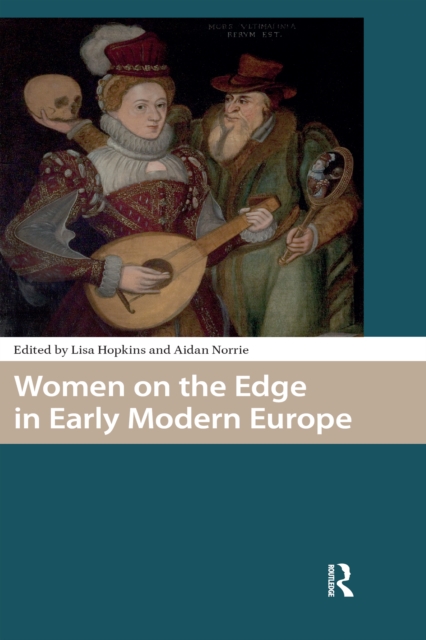
Women on the Edge in Early Modern Europe examines the lives of women whose gender impeded the exercise of their personal, political, and religious agency, with an emphasis on the conflict that occurred when they crossed the edges society placed on their gender.
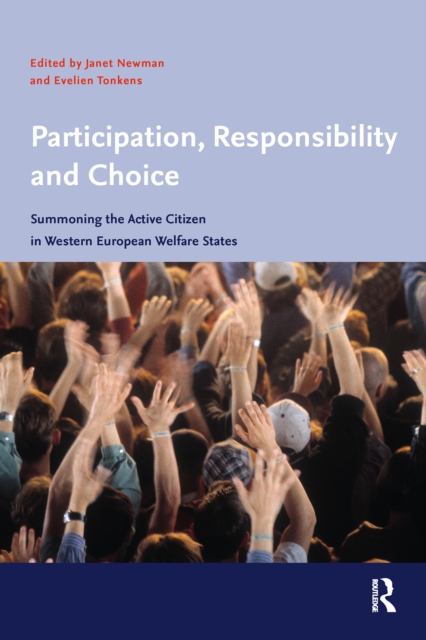
Responsibility, participation and choice are key policy framings of active citizenship, summoning the citizen to take on new roles in welfare state reform.
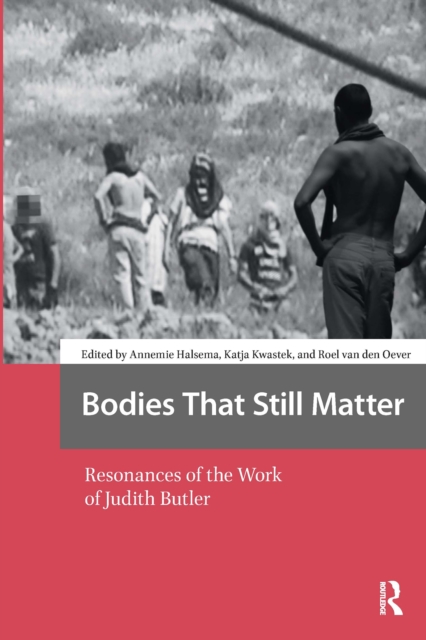
Since the appearance of her early-career bestseller Gender Trouble in 1990, American philosopher Judith Butler is one of the most influential thinkers in academia.
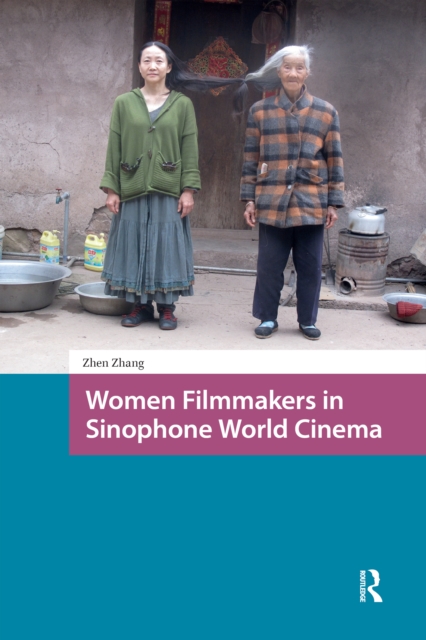
Women Filmmakers in Sinophone World Cinema portrays a group of important contemporary women filmmakers working across the Sinophone world including Taiwan, Hong Kong, mainland China, and beyond.
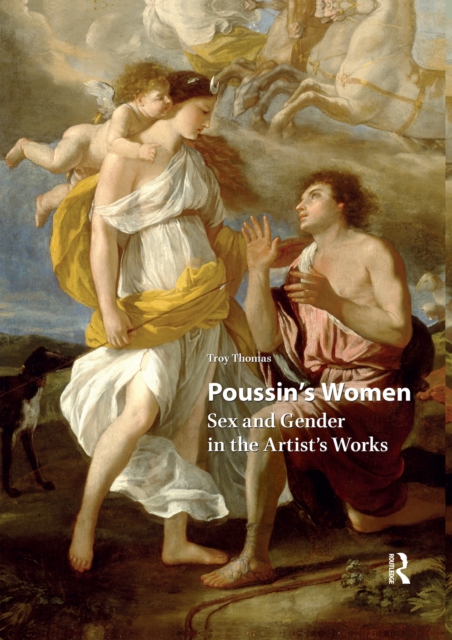
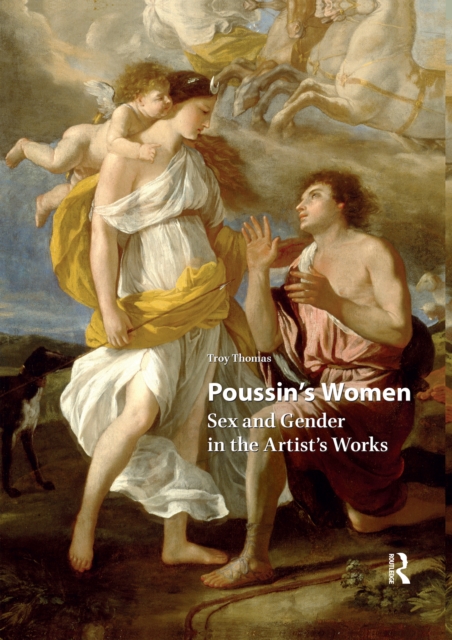
Poussin's Women: Sex and Gender in the Artist's Works examines the paintings and drawings of the well-known seventeenth-century French painter Nicolas Poussin (1594-1665) from a gender studies perspective, focusing on a critical analysis of his representations of women.
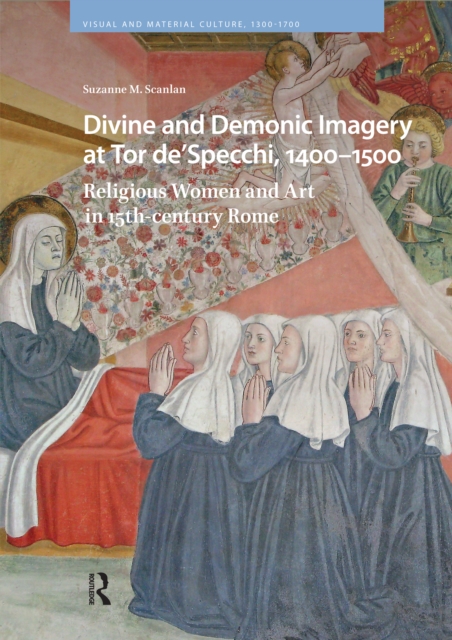
In the fifteenth century, the Oblates of Santa Francesca Romana, a fledgling community of religious women in Rome, commissioned an impressive array of artwork for their newly acquired living quarters, the Tor de'Specchi.
In early Ireland, there were many names for what scholars have dubbed the 'Otherworld': the Plain of Delights, the Land of Youth, the Land of Promise, and more.
What has Luce Irigaray's statement that women need a God to do with her thoughts on the relation between body and mind, or the sensible and the intelligible?
While Indonesian contemporary art is currently on the rise on the international art scene, there hasn't yet been an in-depth study of the works of Indonesian women artists and the feminist strategies they employ within the art world.
Sacred Sisters focuses on five saints: the four female Irish saints who have extant medieval biographies (Darerca, Brigid, Ite, and Samthann), and Patrick, whose writings -- fifth-century Ireland's sole surviving texts -- attest to the centrality of women in Irish Christianity's development.
Focusing mainly on the European experience including Eastern Europe, this important volume offers an advanced introduction to immigrant incorporation studies from a historical, empirical and theoretical perspective.
Poussin's Women: Sex and Gender in the Artist's Works examines the paintings and drawings of the well-known seventeenth-century French painter Nicolas Poussin (1594-1665) from a gender studies perspective, focusing on a critical analysis of his representations of women.
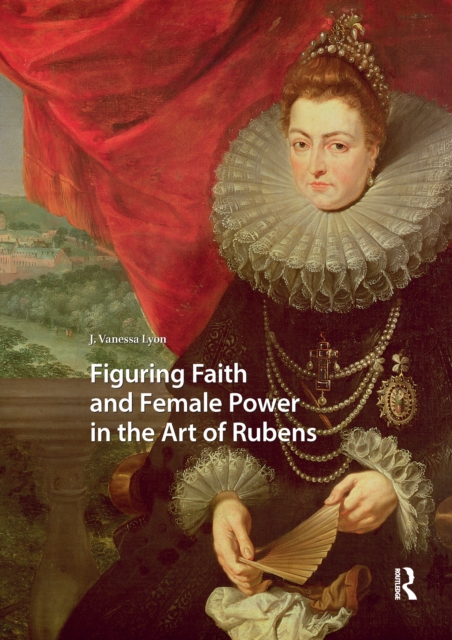
Figuring Faith and Female Power in the Art of Rubens argues that the Baroque painter, propagandist, and diplomat, Peter Paul Rubens, was not only aware of rapidly shifting religious and cultural attitudes toward women, but actively engaged in shaping them.
A late medieval Icelandic romance about the 'maiden-king' of France, Nitida saga generated interest in its day and grew in popularity in post-Reformation Iceland, yet until now it has not received the comprehensive scholarly analysis that it much deserves.
A generation of historians has been captivated by the notorious views on gender found in the mid-sixth century Secret History by the Byzantine historian Procopius of Caesarea.