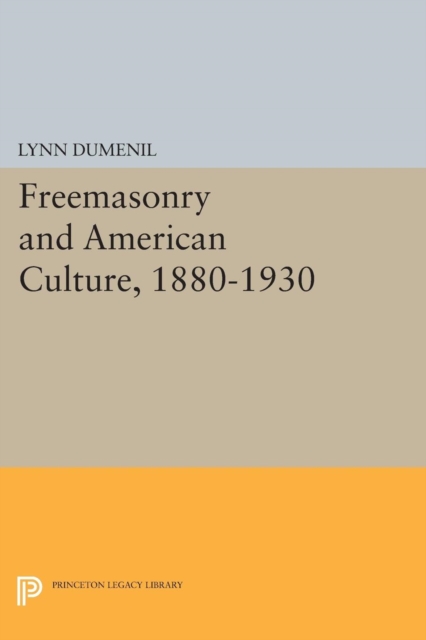
As the United States moved from Victorian values to those of modern consumerism, the religious component of Freemasonry was increasingly displaced by a secular ideology of service (like that of business and professional clubs), and the Freemasons' psychology of asylum from the competitive world gave way to the aim of good fellowship"e; within it.
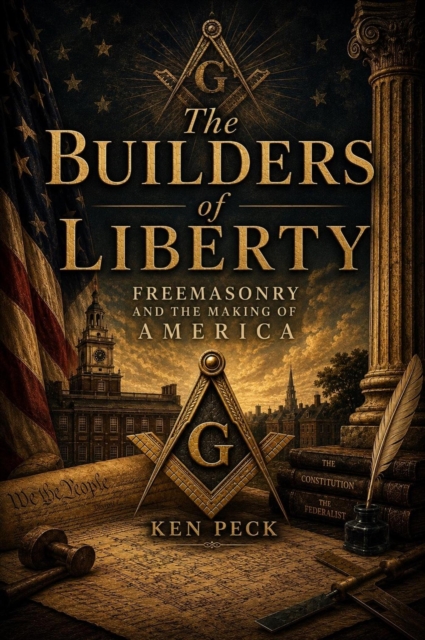
The Mason at Home, at Work, and in PublicApplying Masonic Principles in Everyday LifeFreemasonry is often described as a system of morality, veiled in allegory and illustrated by symbols.
Beneath the elegance of its ritual and the beauty of its floral symbolism, the Order of the Amaranth preserves a profound theological vision—one that quietly echoes the Christian doctrine of resurrection and the apostolic call to faith expressed by the Apostle Paul.
The history of the Porcellian Club is not merely the story of a collegiate social group; it is a narrative woven into the very fabric of the American elite.
In the dense fabric of American history, the Rollin's Society remains one of the most enigmatic organizations to have navigated the shadows of political and social upheaval.
The history of collegiate secret societies in the United States is often dominated by the narratives of the "e;Union Triad"e; or the prestigious institutions of the Ivy League.
In the hallowed halls of academia, where tradition and mystery often intertwine, few organizations have maintained such a steadfast commitment to secrecy and social advocacy as the LSV society at the University of Missouri.
The history of secret societies is often a tapestry of myth, conjecture, and fragmented records, but few organizations carry the weight of mystery associated with the Sphinx Society.
To step into the world of the Red Dragon Society is to enter a realm where history is not written by the victors, but by those who survived in the darkness between the lines of official records.
The history of the Quill and Dagger secret society at Cornell University is a narrative of prestige, hidden influence, and the evolution of the American collegiate elite.
The history of secret societies is often a tapestry woven from threads of genuine civic duty, collegiate tradition, and the inevitable allure of mystique.
The history of Yale University is inextricably linked to its secret societies, those vaulted institutions that have shaped the minds of American leaders, scholars; and icons for nearly two centuries.
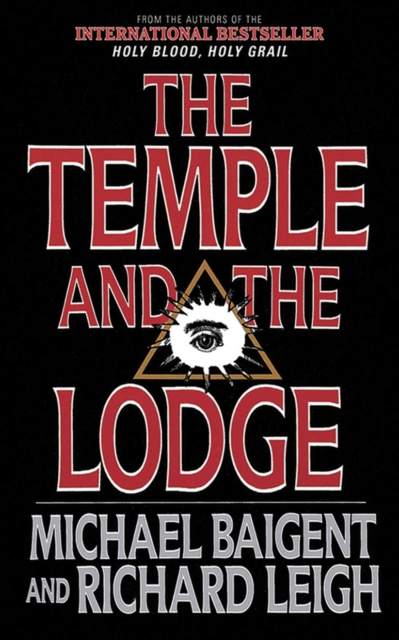
Coauthors of Holy Blood, Holy Grail Michael Baigent and Richard Leigh recount the events that led to the strange and sudden disappearance of the Knights Templar in the fourteenth century and their reappearance in the court of excommunicate Scottish king Robert the Bruce.
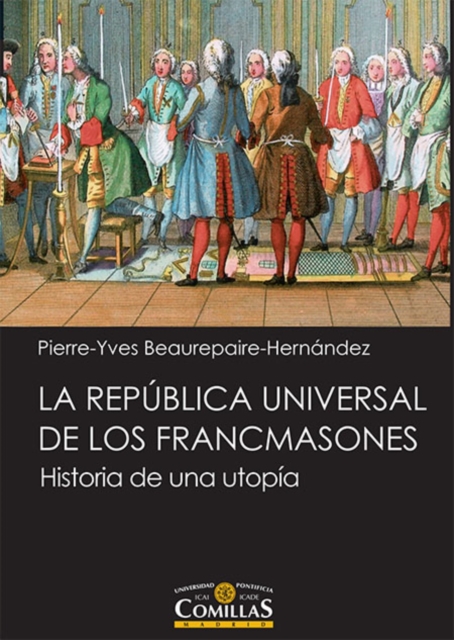
Este libro invita a realizar un viaje por la utopía, un viaje por la Masonería que florece entre la Europa de Newton y la de Metternich, coincidiendo en su tramo final con el despertar de las nacionalidades y del liberalismo, y que se desplaza de París al Río de la Plata, de San Petersburgo a Nápoles.