It is a startling and somewhat disturbing fact that social work researchers-as well as research psychiatrists and psychologists-have rarely explored the treatment situation from the standpoint of the client.
This volume is an introduction to the role of caste and class in Indian society, meant to emphasize certain important aspects of Indian society such as continuity and change in caste, economic classes, status of women, status of Harijans, village poli-tics, overseas Indians, and casteism and tribalism.
This volume is an introduction to the role of caste and class in Indian society, meant to emphasize certain important aspects of Indian society such as continuity and change in caste, economic classes, status of women, status of Harijans, village poli-tics, overseas Indians, and casteism and tribalism.
Based on the biographies of some three hundred people in each city, this book shows how such distinguished Boston families as the Adamses, Cabots, Lowells, and Peabodys have produced many generations of men and women who have made major contributions to the intellectual, educational, and political life of their state and nation.
Based on the biographies of some three hundred people in each city, this book shows how such distinguished Boston families as the Adamses, Cabots, Lowells, and Peabodys have produced many generations of men and women who have made major contributions to the intellectual, educational, and political life of their state and nation.
This classic work marks the culmination of a definite stage in the socio-economic historiography from the late Middle Ages to the rise of the haute bourgeoisie in the early Renaissance.
This classic work marks the culmination of a definite stage in the socio-economic historiography from the late Middle Ages to the rise of the haute bourgeoisie in the early Renaissance.
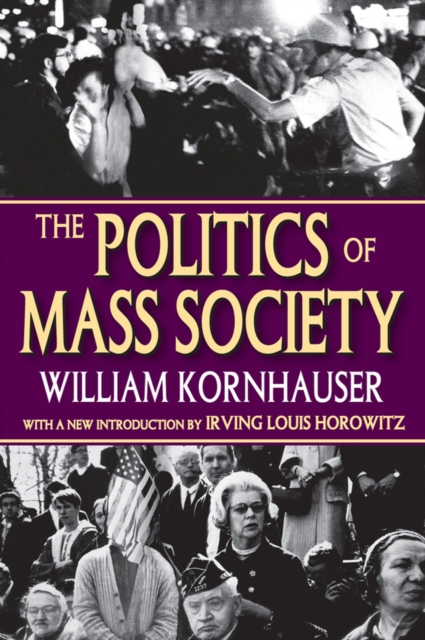
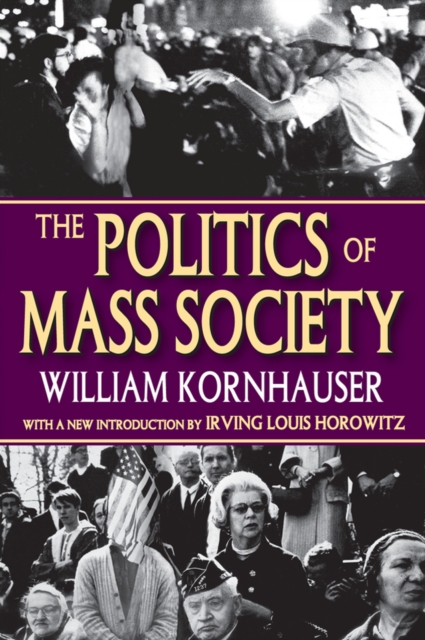
The Politics of Mass Society explores the social conditions necessary for democracy and the vulnerabilities of large scale society to totalitarian systems.
The Politics of Mass Society explores the social conditions necessary for democracy and the vulnerabilities of large scale society to totalitarian systems.
In the latter half of the twentieth century, The American upper class has become less like an aristocracy governing and guiding the nation and more like a caste, a privileged and closed body whose contribution to national leadership has steadily declined.
In the latter half of the twentieth century, The American upper class has become less like an aristocracy governing and guiding the nation and more like a caste, a privileged and closed body whose contribution to national leadership has steadily declined.
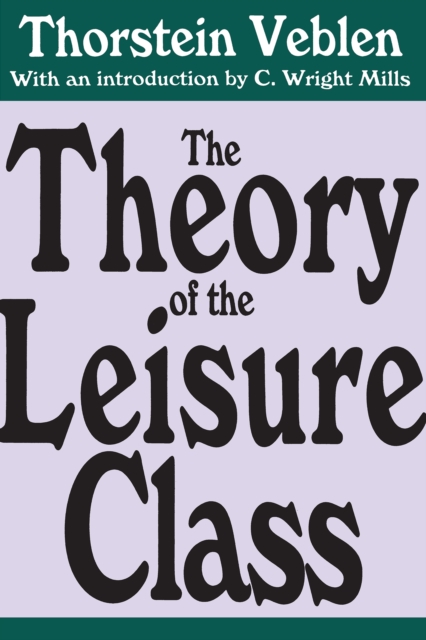
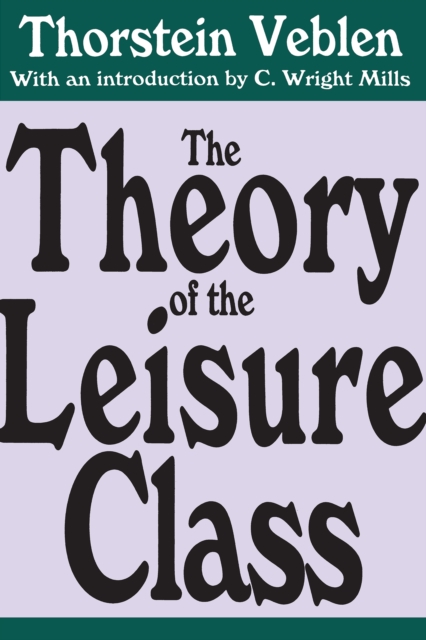
In The Theory of the Leisure Class, his first and best-known work, Thorstein Veblen challenges some of society's most cherished standards of behavior and, with devastating wit and satire, exposes the hollowness of many of our canons of taste, education, dress, and culture.
In The Theory of the Leisure Class, his first and best-known work, Thorstein Veblen challenges some of society's most cherished standards of behavior and, with devastating wit and satire, exposes the hollowness of many of our canons of taste, education, dress, and culture.
Based on the approaches of questionnaire and interview, this book studies the urban subalterns formed with a considerable scale in China since the 1990s.
Based on the approaches of questionnaire and interview, this book studies the urban subalterns formed with a considerable scale in China since the 1990s.
In a world where frontiers are militarised and classifications systems defining rights and belonging are reinforced, transnational feminist agendas are fundamental.
In a world where frontiers are militarised and classifications systems defining rights and belonging are reinforced, transnational feminist agendas are fundamental.
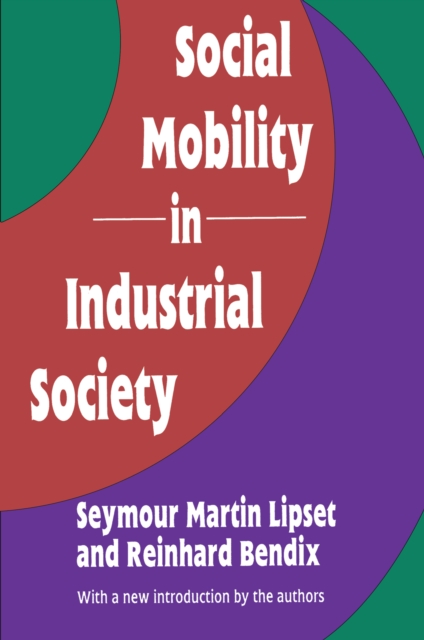
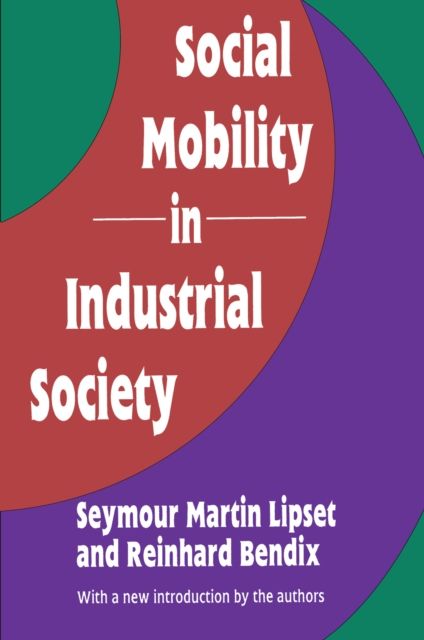
In a careful analysis of the existing literature, the authors marshal an imposing array of evidence in support of their major argument that social mobility is an integral and continuing aspect of the process of industrialization.
In a careful analysis of the existing literature, the authors marshal an imposing array of evidence in support of their major argument that social mobility is an integral and continuing aspect of the process of industrialization.
This intriguing book re-evaluates a narrative of cultural decline that developed in the wake of Max Weber's The Protestant Ethic and the Spirit of Capitalism.
This intriguing book re-evaluates a narrative of cultural decline that developed in the wake of Max Weber's The Protestant Ethic and the Spirit of Capitalism.
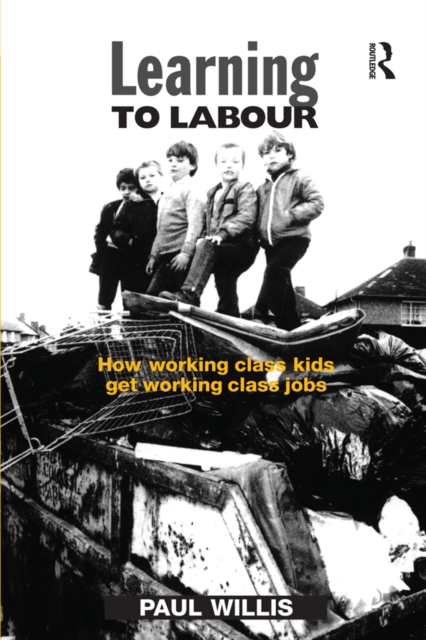
This book which has now established itself as a classic study of working class boys describes how Paul Willis followed a group of 'lads' as they passed through the last two years of school and into work.