Mit einer Liturgie für den ökumenischen Gottesdienst zum gemeinsamen lutherisch-katholischen Reformationsgedenken 2017Im Jahr 2017 werden Katholiken und Lutheraner gemeinsam auf die Ereignisse der Reformation vor 500 Jahren zurückblicken.
In seiner Dissertation von 2015 untersucht Markus Roth die Gottesdienst-Theologie bei Martin Luther, Oswald Bayer und Paul Tillich als Beitrag zu einer fundamentalliturgischen Praxis.
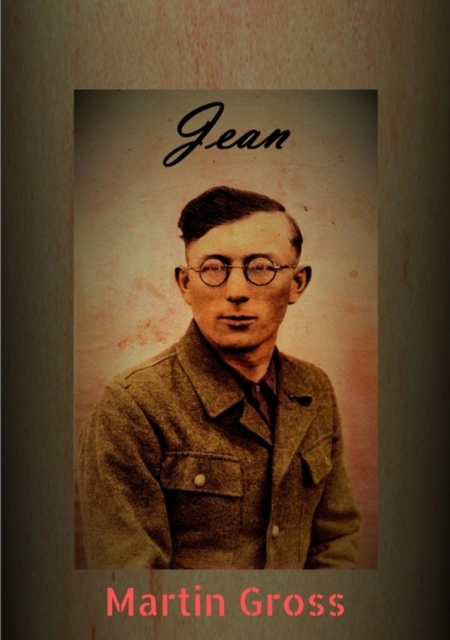
Jugendzeit in Kirchweyhe/Bremen; Ausbildung zum Friseur; Zeit in der Reichsmarine; Zeit in der Kriegsmarine; Ausbildung auf dem Segelschulschiff GORCH FOCK; mit dem Torpedoboot "LEOPARD" im Spanischen Bürgerkrieg; Ausbildung auf dem Dänholm; Dienst auf dem U-Boot U-47.
In diesem Buch wird versucht Leserinnen und Lesern eine Hilfe anzubieten, mit Hilfe des kontemplativen Betens den chrischtlichen Glauben zu verinnerlichen, um dem Ziel näher zu kommen, das JESUS CHRISTUS folgendermaßen formuliert hat: "Ich habe die Herrlichkeit, die du mir gegeben hast, ihnen gegeben, damit sie eins seien, gleichwie wir eins sind.
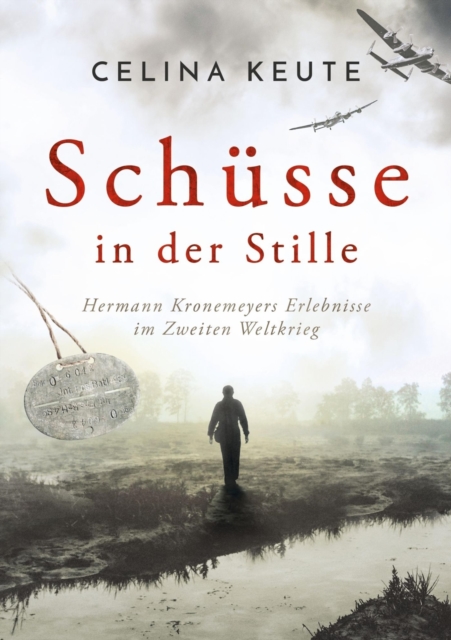
Eine Jugend im Zweiten Weltkrieg:Hermann Kronemeyer, Jahrgang 1927, wächst an der deutsch-niederländischen Grenze in unmittelbarer Nähe zum Emslandlager Bathorn auf.
Der Autor, Mario Eduard Giovanelli vermittelt in seinem einfach verständlichen, informativen, meist ernsthaft, manchmal auch witzig, zynisch und sarkastisch geschriebenen Buch, 'Zum Blöken zu dämlich - Von den Dummheiten und Irrtümern Einzelner über die der Massen, bis hin zur Beherrschung des Schach des Lebens', im ersten Teil über sowohl historische als auch gegenwärtige Dummheiten, Irrtümer und Fehlentscheidungen Einzelner bis hin zu denen der Massen.
This book deals with professional creationist and anti-creationist organizations in America, and describes how the "e;conflict between science and religion"e; is the result of the interaction between these two groups.
Ashley Crawford investigates how such figures as Ben Marcus, Matthew Barney, and David Lynch-among other artists, novelists, and film directors-utilize religious themes and images via Christianity, Judaism, and Mormonism to form essentially mutated variations of mainstream belief systems.
This handbook explores a diverse range of artistic and cultural responses to modern conflict, from Mons in the First World War to Kabul in the twenty-first century.
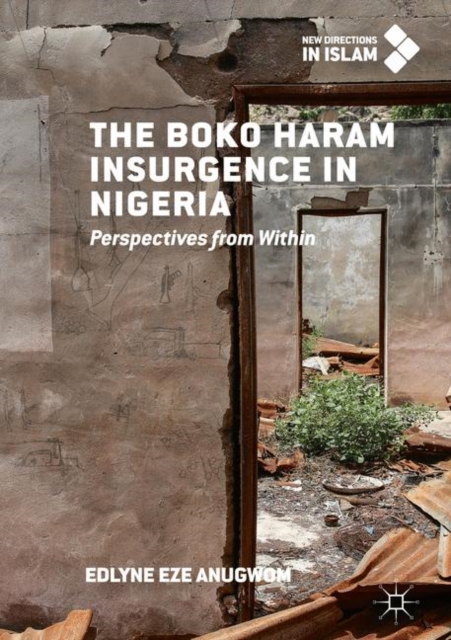
This book focuses on the Boko Haram insurgence in Nigeria, and provides information on the origin and growth of the sect, antecedent and historical factors behind the insurgence, assessing a variety of socio-political drivers.
This book represents a series of incursions or philosophical forays between realms of Byzantine and Russian thought and territory long claimed by Western philosophy and theology.
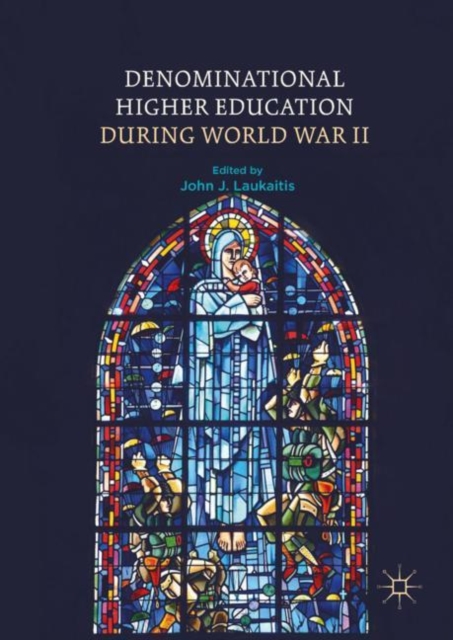
This book examines how World War II affected denominational colleges who faced a national crisis in relationship to their Christian tenets and particular religious communities and student bodies.
This book employs a comparative approach to explore the decision-making processes behind the Japanese and Italian foreign policies concerned with East Asia, Africa, Europe and the Mediterranean.
Re-Evaluating Women's Page Journalism in the Post-World War II Era tells the stories of significant women's page journalists who contributed to the women's liberation movement and the journalism community.
This book traces the history of life-concepts, with a focus on the vegetable souls of Aristotle, investigating how they were interpreted and eventually replaced by evolutionary biology.
In twentieth-century Germany, Karl-Friedrich Bonhoeffer rose to prominence as a brilliant physical chemist, even as several of his relatives-Dietrich Bonhoeffer among them-became involved in the resistance to Hitler, leading to their executions.
This book provides a narrative history of the BBC Radio Variety Department exploring, along chronological lines, the workings of, tensions within and the impact of BBC policies on the programme-making department which generated the organisation's largest audiences.
This book explores the strong links between sustainability and the humanities, which go beyond the inclusion of social sciences in discussions on sustainability, and offers a holistic discussion on the intellectual and moral aspects of sustainable development.
While the themes of radicalization and Islamophobia have been broadly addressed by academia, to date there has been little investigation of the crosspollination between the two.
This book establishes how Buddhism in the Insight Meditation tradition supports "e;remarkable relational resilience"e; for women who are of African descent and same-sex loving, yet living in a society that often invalidates women, African-Americans, LGBTQ people, and non-Christians.
This book examines the outcome of the British commitment to reconstitute a sovereign Polish state and establish a democratic Polish government after the Second World War.
This book examines the ways in which religious communities experimentally engage the world and function as fallible inquisitive agents, despite frequent protests to the contrary.