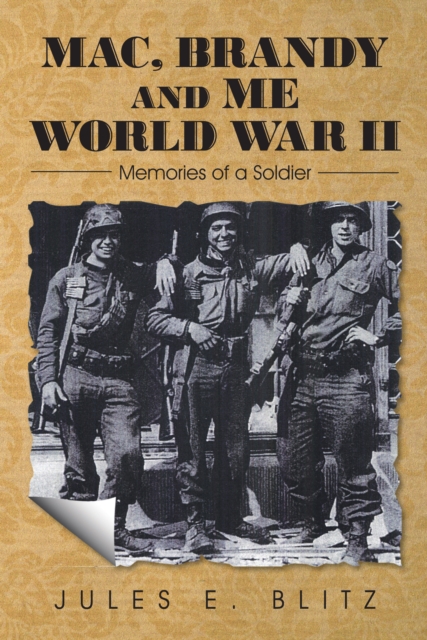
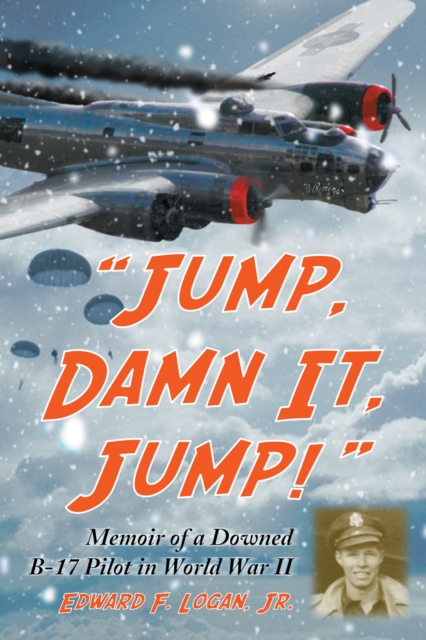
This is the story of my life from ages eighteen to twenty-one, serving as an infantry soldier and radio operator in the European Theater during those years of combat against Germany during World War II.
At a crucial moment, Ed Whitcomb, a B-17 navigator, made a split-second decision and thereby set off a hair-raising, spine-tingling sequence of narrow escapes, captures, unexpected breaks and bitter betrayals that culminated in his final extrication from enemy territory.
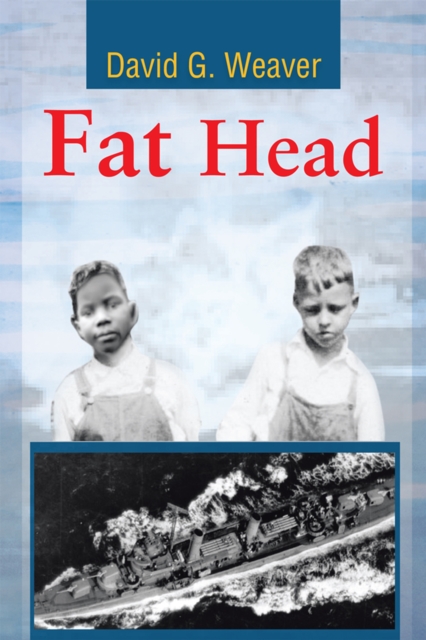
Despite growing up during the Second World War, watching the nightly vigil of German Bombers destroying the ship builders by the river,some of us did survive, had our fun, our adventure s, first loves and misfortunes.
This first comprehensive analysis of the Third Reich's efforts to confiscate, loot, censor and influence art begins with a brief history of the looting of artworks in Western history.
World War II irrevocably shaped culture--and much of cinema--in the 20th century, thanks to its devastating, global impact that changed the way we think about and portray war.
Presenting an analysis of modern-day extremism, this book explores how any group of people or participants in a movement--political, ideological, racial, ethnonational, religious, or issue-driven--can adopt extremist mindsets if they believe their existence or interests are threatened.
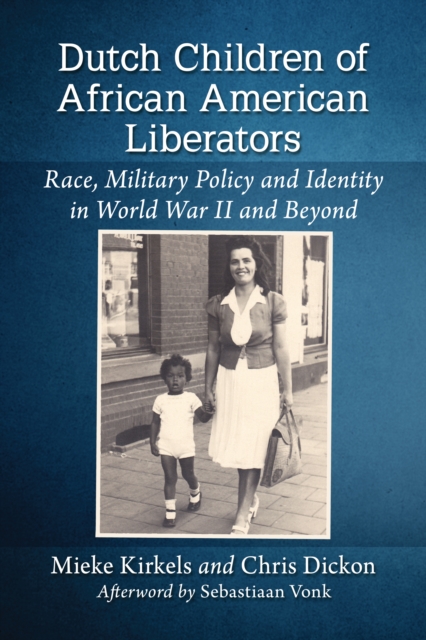
In the Netherlands, a small group of biracial citizens has entered its eighth decade of lives that have been often puzzling and difficult, but which offer a unique insight into the history of race relations in America.
Since ancient times, music has demonstrated the incomparable ability to touch and resonate with the human spirit as a tool for communication, emotional expression, and as a medium of cultural identity.
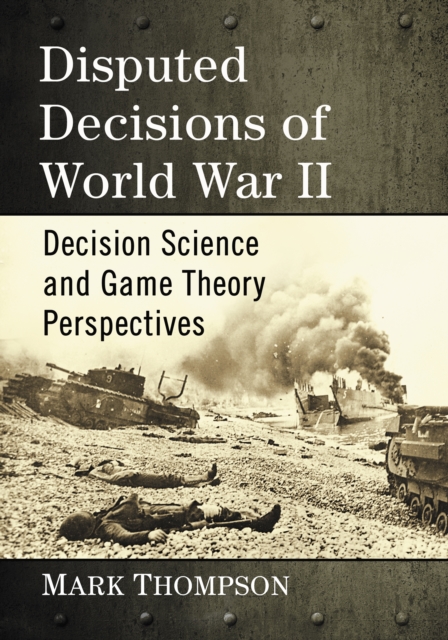
A former Harvard professor of decision science and game theory draws on those disciplines in this review of controversial strategic and tactical decisions of World War II.
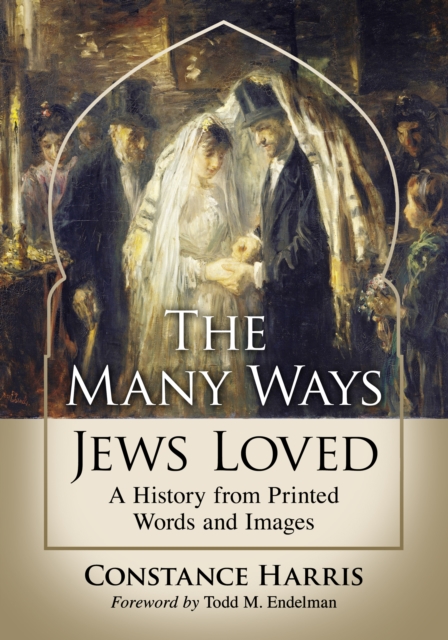
While acknowledging the ways in which persecution inevitably affects a community, this book deviates from most Jewish studies to survey the ways in which Jewish history has been shaped by the everyday experience of love.
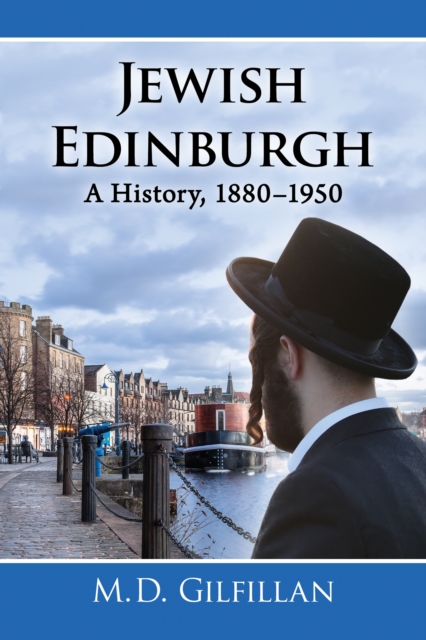
This first full-length history of the Jews of Edinburgh chronicles their immigration to Scotland's capital city from Russia during the 1880s in the wake of Tsarist persecution, and examines their reception by native Scots.
Fanny Brice, Irving Berlin, Jerome Kern, Barbra Streisand, Alan Menken, Stephen Sondheim--Jewish performers, composers, lyricists, directors, choreographers and producers have made an indelible mark on Broadway for more than a century.
Through both World Wars, young African conscripts from Senegal, Algeria, Morocco, the Congo and elsewhere found themselves fighting for their colonial rulers, facing unknown enemies in unknown lands.
After Pearl Harbor, German, Italian and Japanese diplomats, along with their staffs and families, were relocated to two lavish but isolated resorts in Appalachia, where the State Department insisted they be treated as distinguished guests.
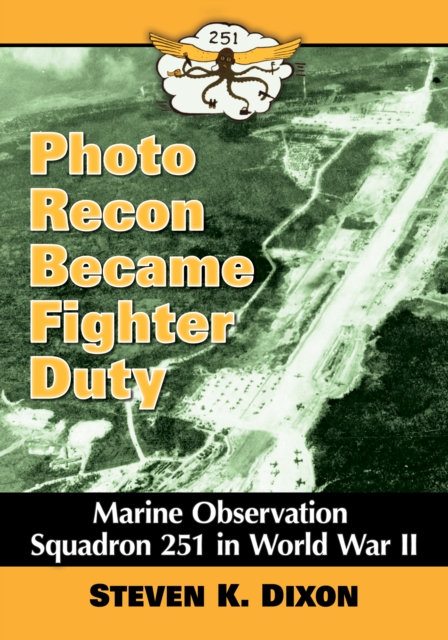
Trained as a photo reconnaissance unit, Marine Observation Squadron 251 ended up serving as a fighter squadron for the duration of World War II, shooting down 32 Japanese aircraft.
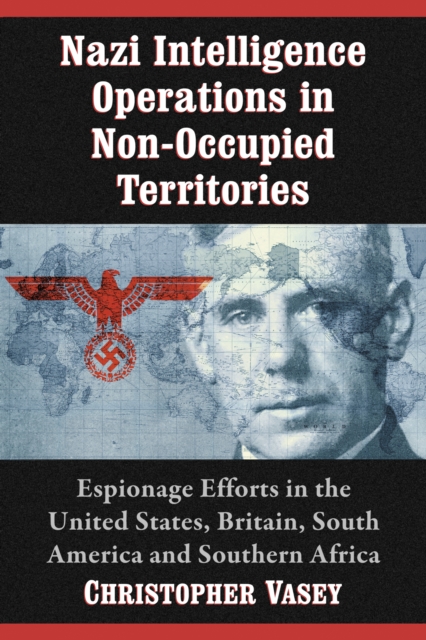
Drawing heavily on recently declassified sources, this examination of German wartime intelligence services traces the logistical and strategic expansion of the Third Reich's foreign covert operations in World War II.
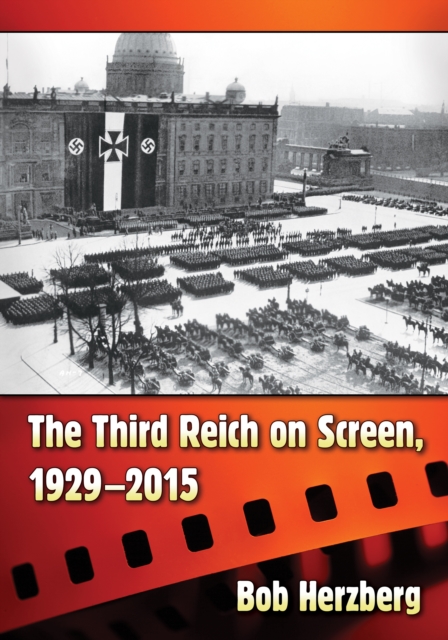
For more than 80 years, images of the Third Reich have appeared in newsreels, documentaries, and fictional stories--from comedies and musicals to war, horror and science fiction films.
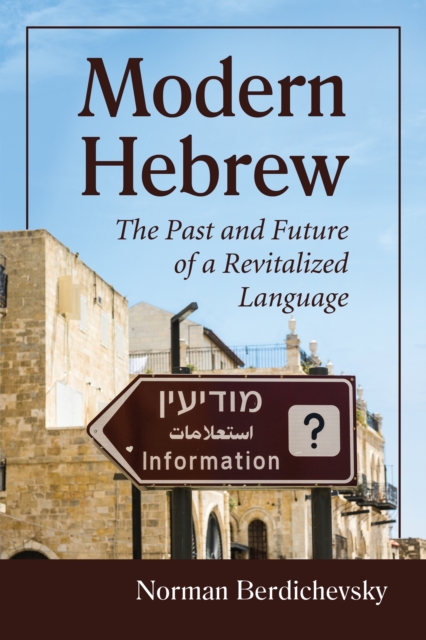
Ben-Yehuda's vision of a modern Hebrew eventually came to animate a large part of the Jewish world, and gave new confidence and pride to Jewish youth during the most difficult period of modern history, infusing Zionism with a dynamic cultural content.
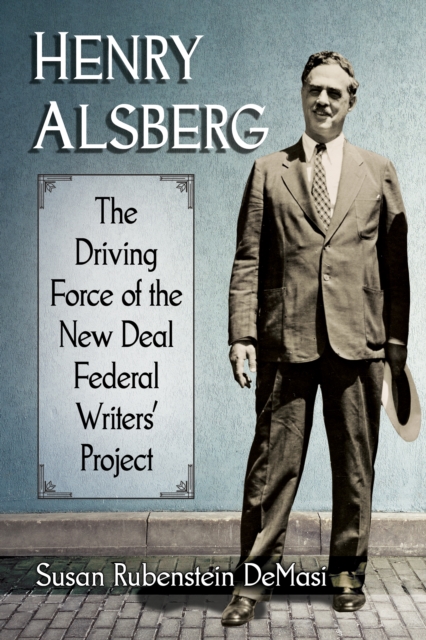
During the Great Depression, Henry Alsberg, a journalist with a passion for social justice, directed the Federal Writers' Project, a New Deal program of the Works Progress Administration.
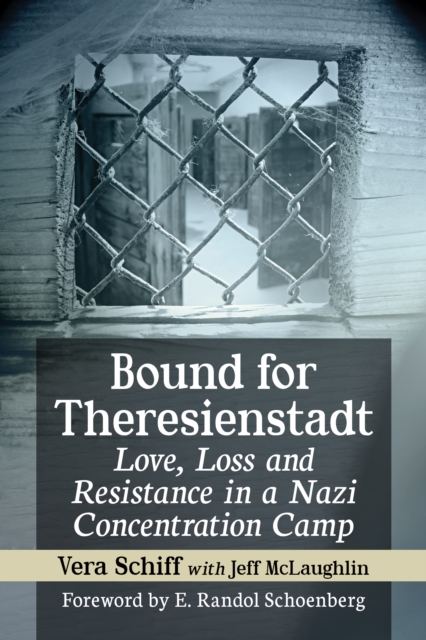
Originally constructed in the 18th century as a military barracks by Austrian Emperor Joseph II, Theresienstadt (now Terezin) was used as a ghetto and concentration camp by the Nazis early in World War II in their ruse of peaceful resettlement of the Jews of Europe.
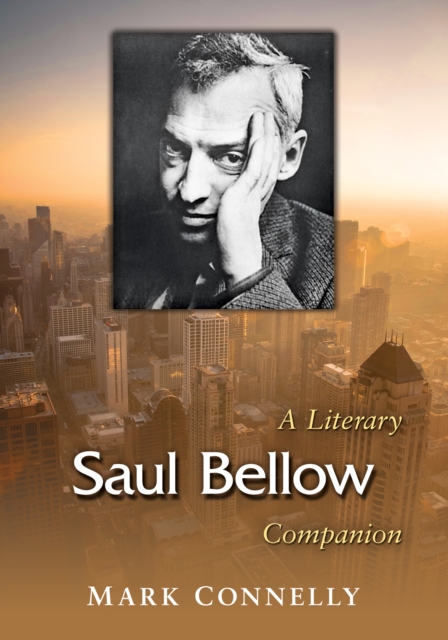
A three-time National Book Award for Fiction winner, Saul Bellow (1915-2005) is one of the most highly regarded American authors to emerge since World War II.