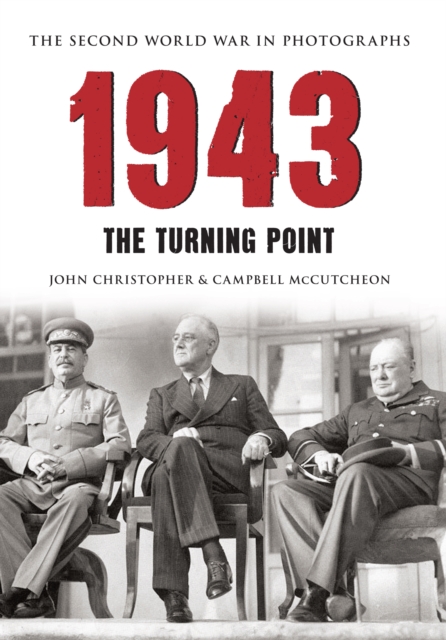
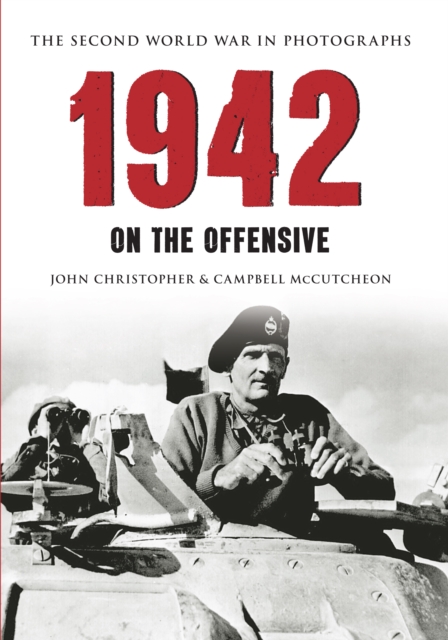
1943 saw the Allies on the offensive, with victories in North Africa followed by the invasion of Sicily and landings in Italy establishing a foothold on mainland Europe, while on the Eastern Front the Red Army was making gains, and in the Pacific the Japanese-held islands were falling.
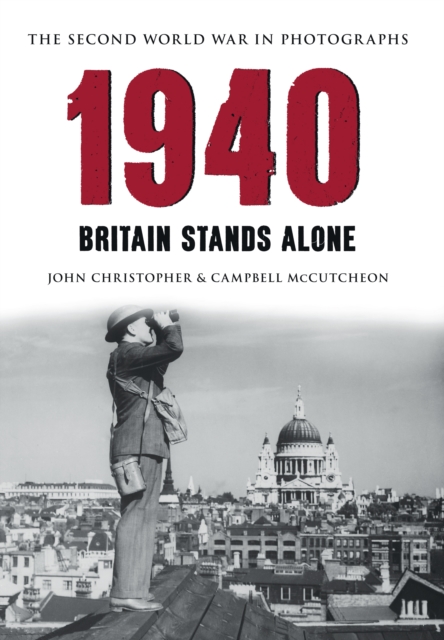
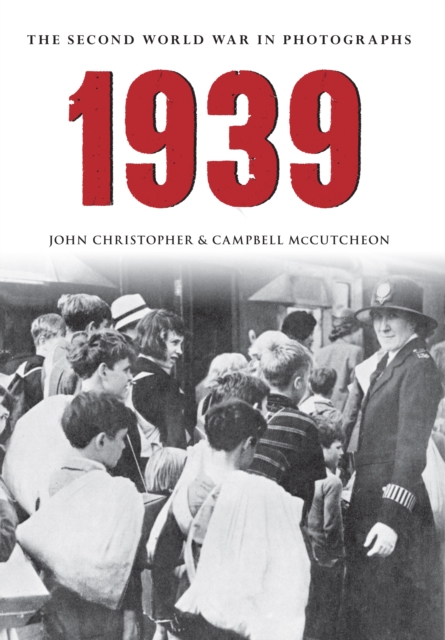
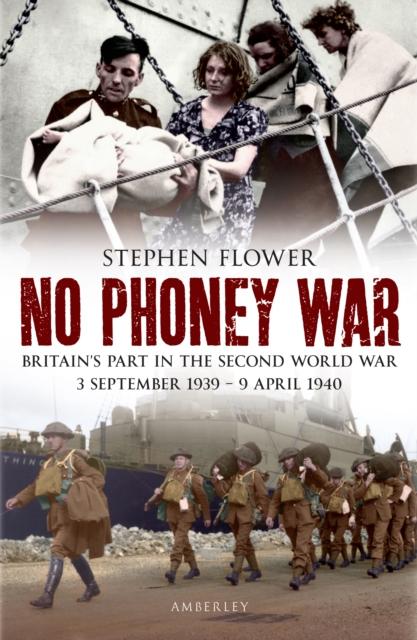
1940 As the period of the 'Phoney War' came to an end, the Nazis unleashed their Blitzkrieg tactics, which saw the rapid mobility of the ground forces closely supported by superior air power.
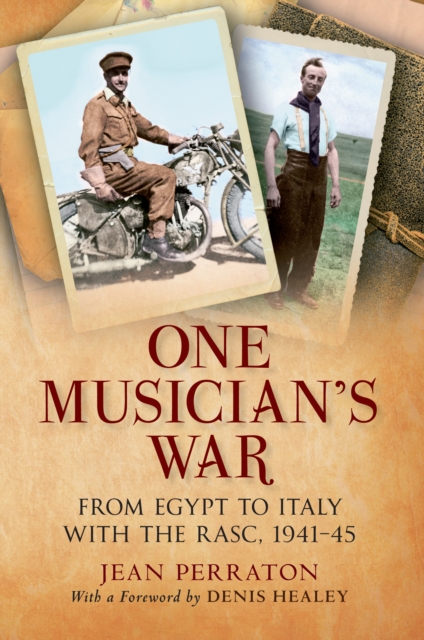
He had one of the more unglamorous jobs in the Second World War, but self-taught violinist George Warner's letters home from the North African and Italian campaigns - in which he served as a dispatch rider for the Royal Army Service Corps - provide an enthralling, humane account of Europe's darkest years.
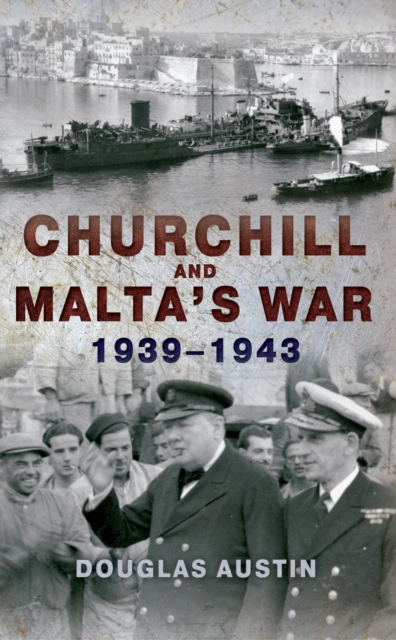
During the first four years of the Second World War, Churchill and his military advisers were constantly concerned with the defence and sustenance of Malta.
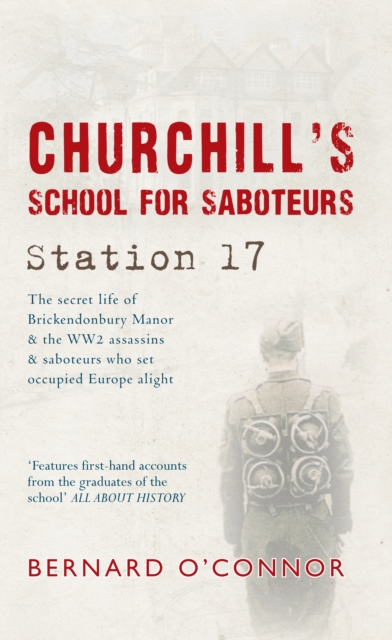
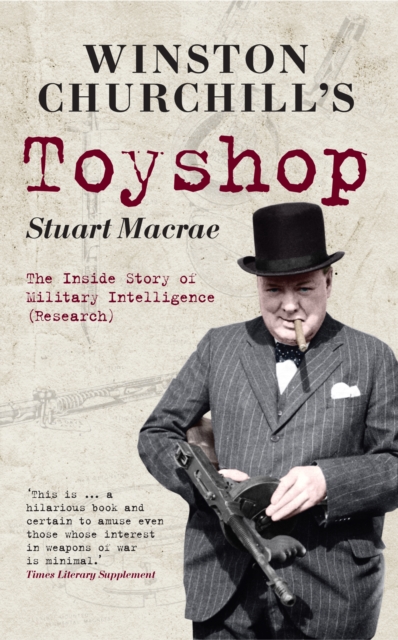
Following the outbreak of the Second World War, Guy Burgess, an officer in Britain's Secret Intelligence Service, convinced his superiors that a special school be opened to teach sabotage.
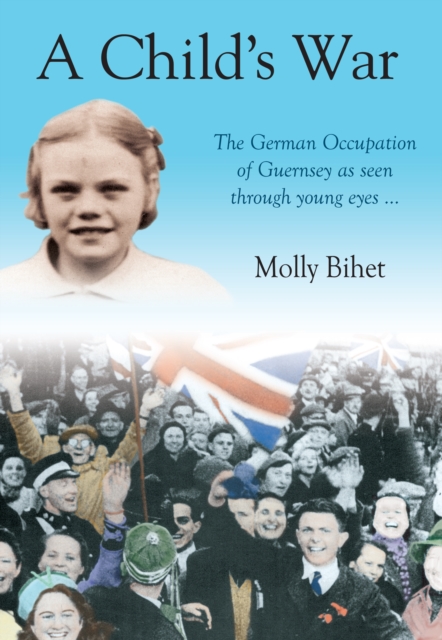
Molly's touching account of life in Guernsey during the German Occupation brings events of the Second World War to life through the eyes of a young child.
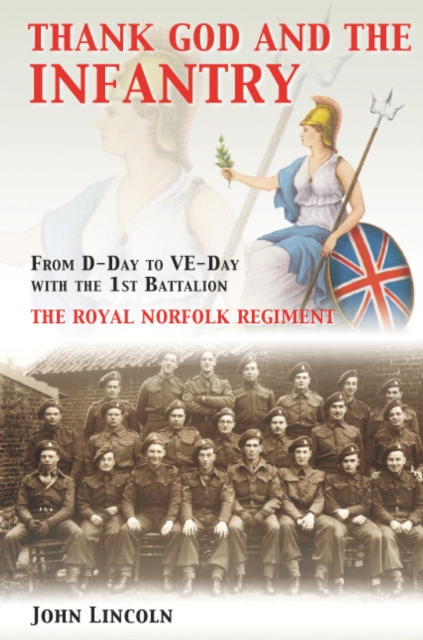
Here is the story of the part played in the final eleven months of the Second World War in Europe by the 'Poor Bloody Infantry', told in their own words.
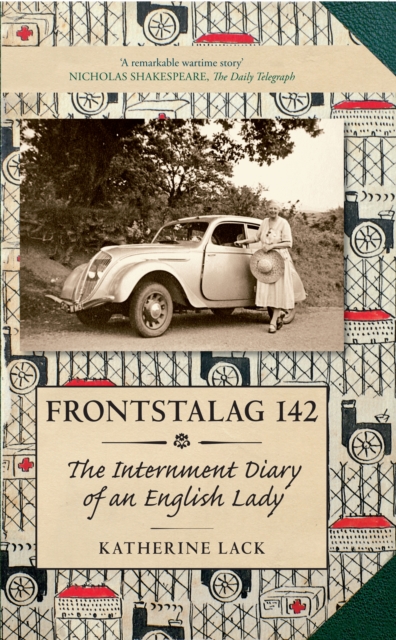
IN DECEMBER 1940, as the coldest winter in living memory fastened its grip on war-torn France, the Nazi conquerors rounded up nearly 5,000 people, mostly women and children, and sent them to an internment camp.
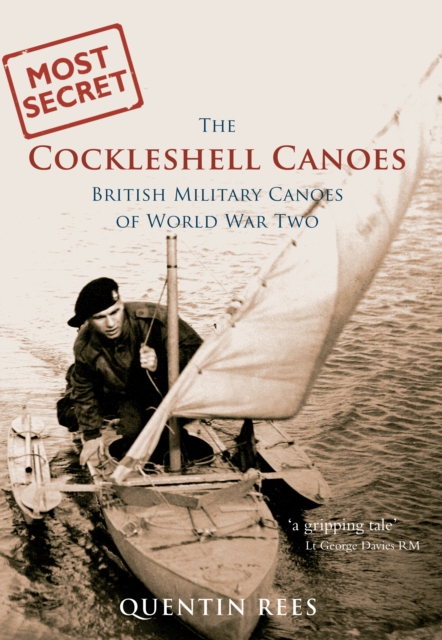
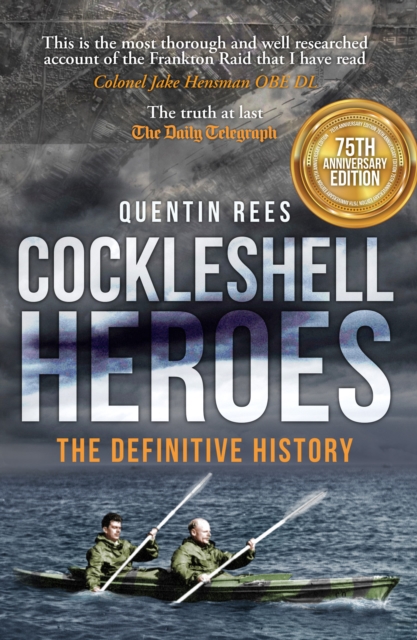
Used most famously in December 1942, when a small group of ten men in five canoes were dropped off by submarine 80 miles from the inland port of Bordeaux.
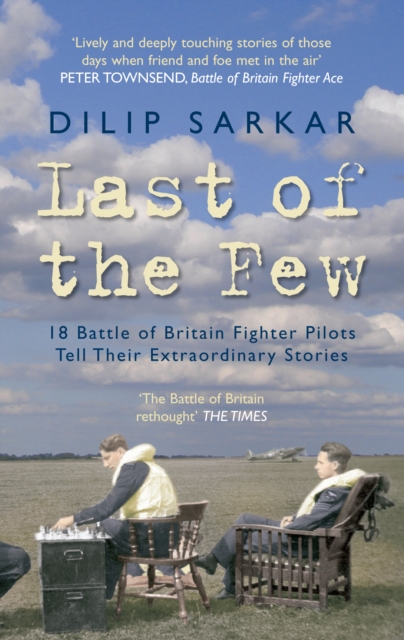
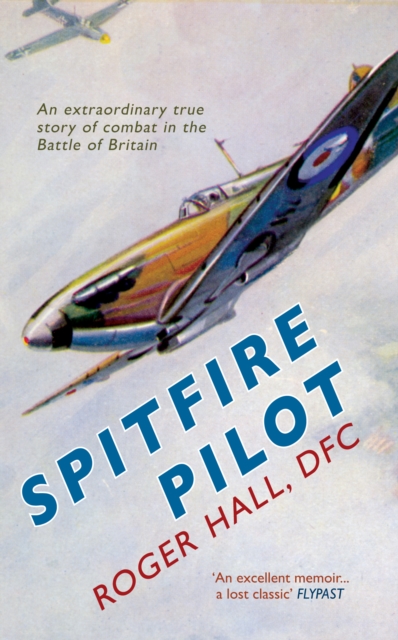
This is the Battle of Britain memoir of Roger Hall, a 152 Squadron Spitfire pilot based in southern England, the heart of the fighting during the epic battle.
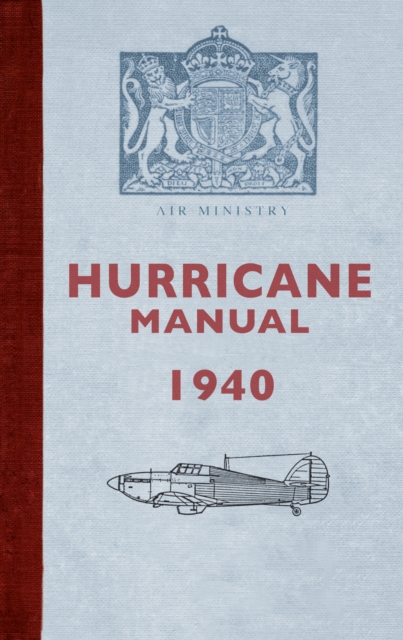
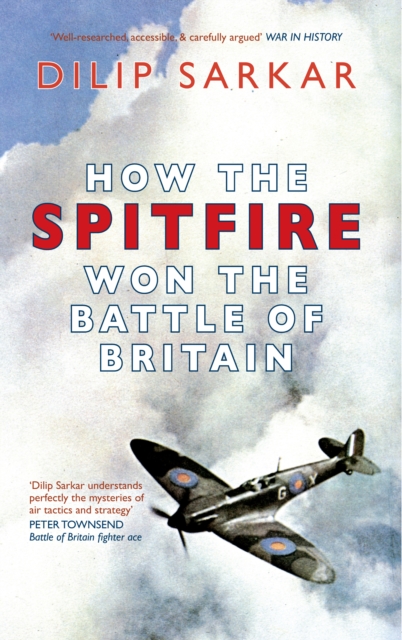
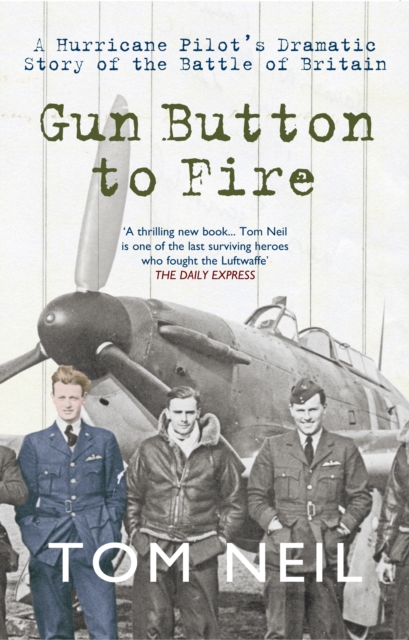
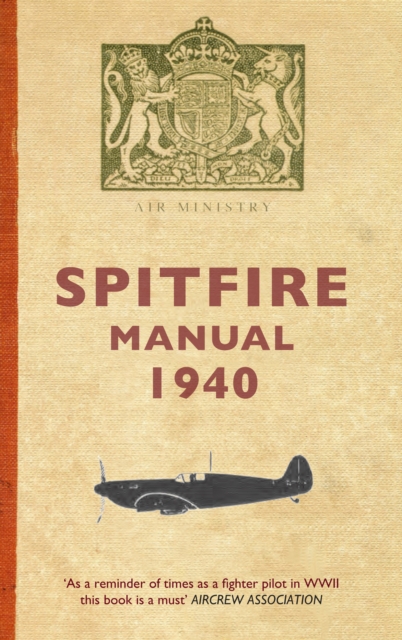
Although there were many more Hawker Hurricanes than Supermarine Spitfires engaged in the epic conflict fought over southern England in the summer of 1940, the public's imagination was captured by the shapely and charismatic Spitfire.
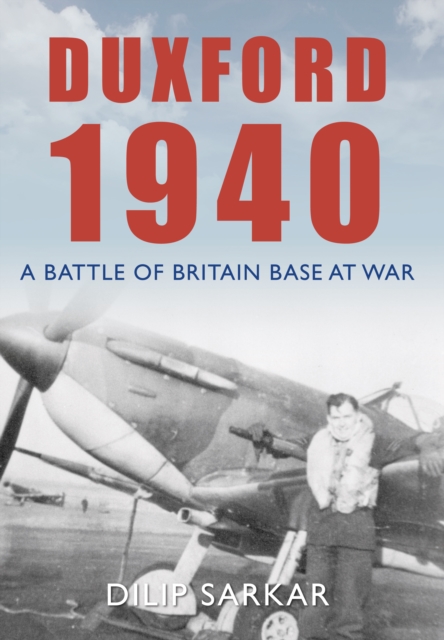
The Imperial War Museum site at Duxford is rightly recognised as the premier aviation museum in Europe, hosting exciting air shows and where the evocative sight and sound of an airborne Spitfire can be experienced most days.
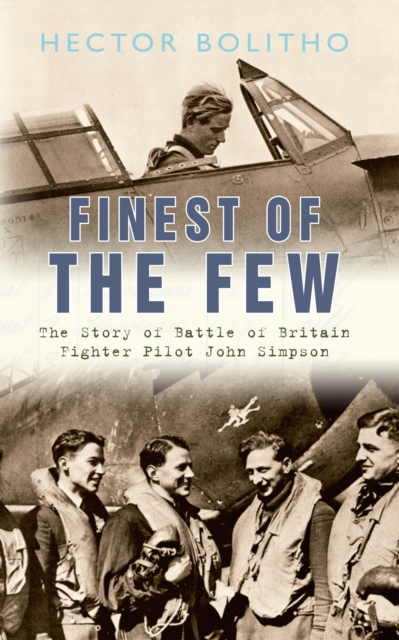
Written by 43 Squadron's intelligence officer, Hector Bolitho, Finest of the Few is full of John's first-hand accounts of his combat missions against German Me 109s, Heinkel 111s and Dorniers.
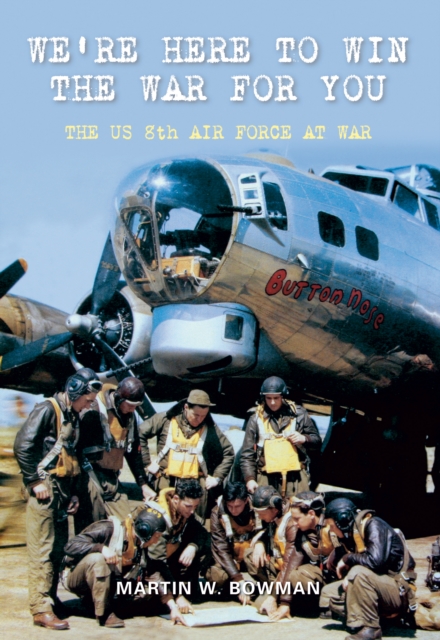
Asked why he was in Britain, a US serviceman, fighting the war in the skies over Germany with the US 8th Air Force quipped, 'We're here to win the war for you'.
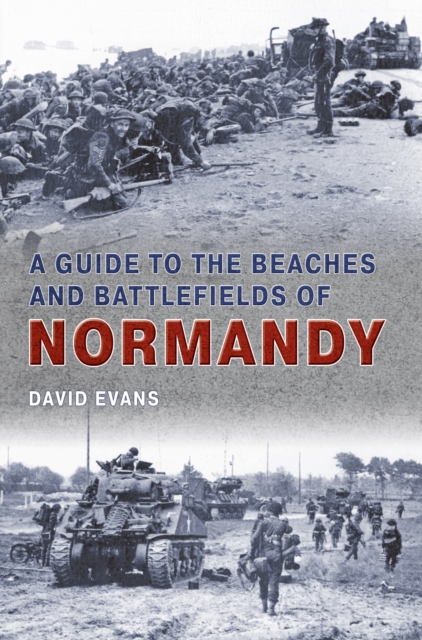
A Guide to the Beaches and Battlefields of Normandy provides an accessible background to the momentous events of 6 June 1944 as well as a complete guide to each and every town, village, beach, battery and cemetery that figured in the battle.
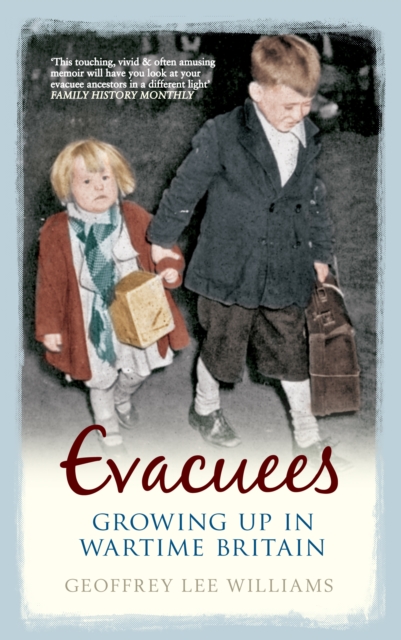
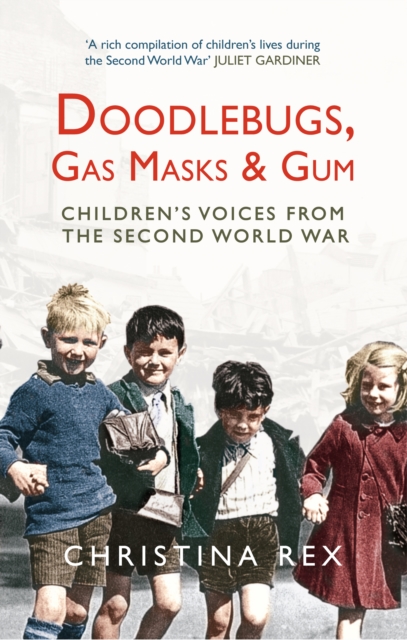
Throughout six years of conflict, beginning 3 September1939, military manoeuvres, bombs and exhortations to greater dedication to the War Effort became the normality for children.
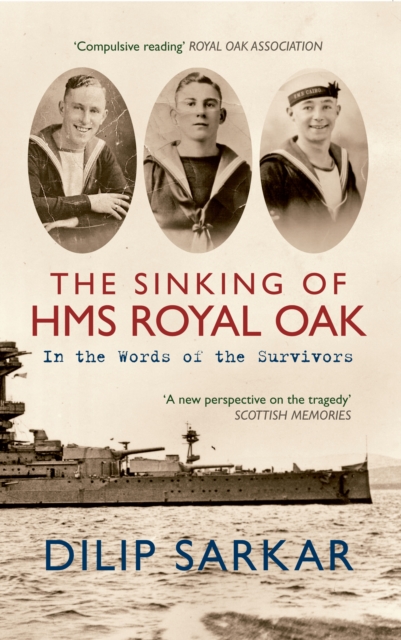
HMS Royal Oak was a Revenge-class battleship of the British Royal Navy, infamously torpedoed at anchor by the German submarine U-47 on 14 October 1939.
The Women's Land Army was actually founded in 1917, but it was during the Second World War that it attracted the kind of attention which assured its place in the annals of the British war effort.