From the point of view of economic history, the ideal way to study any institution of commercial law would be to compare the information contained in legal codes and treatises with the material relating to its application in economic life as manifested by actual contracts, letters, and business records found in archives and other repositories.
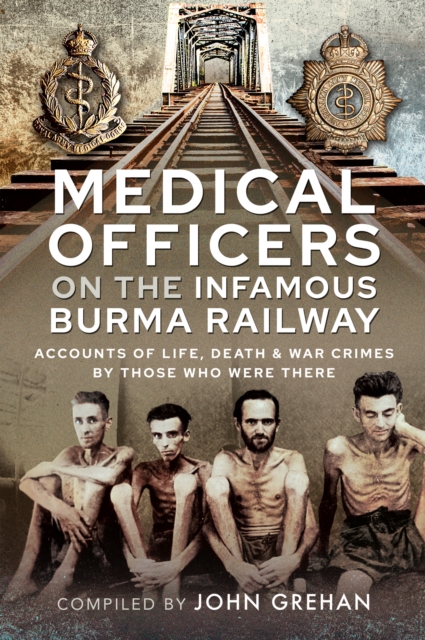
In 1944, a compilation of medical reports from the main prisoner of war work camps along the infamous Thailand-Burma railway was submitted to General Arimura Tsunemichi, commander of the Japanese Prisoner of War Administration.
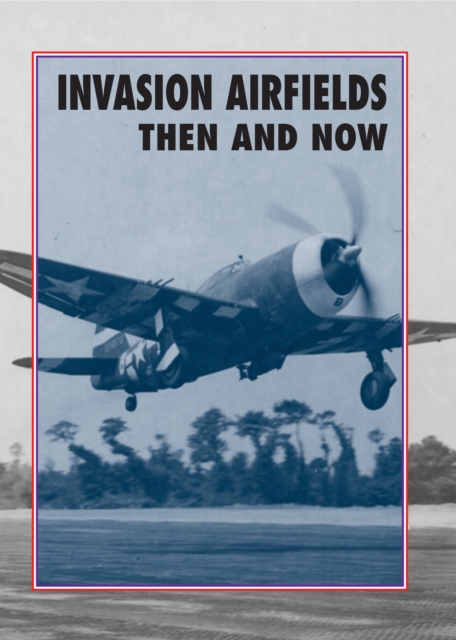
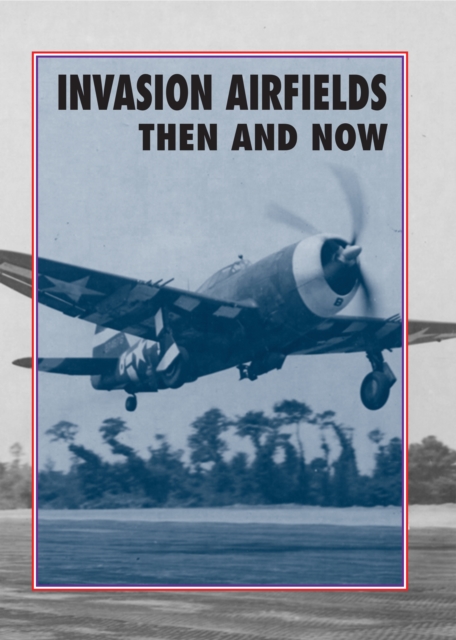
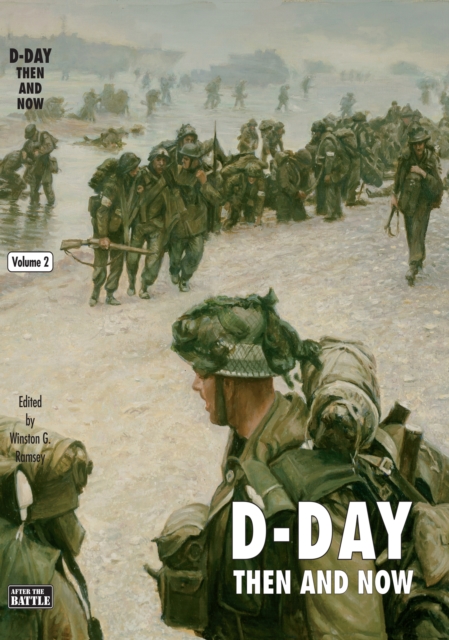
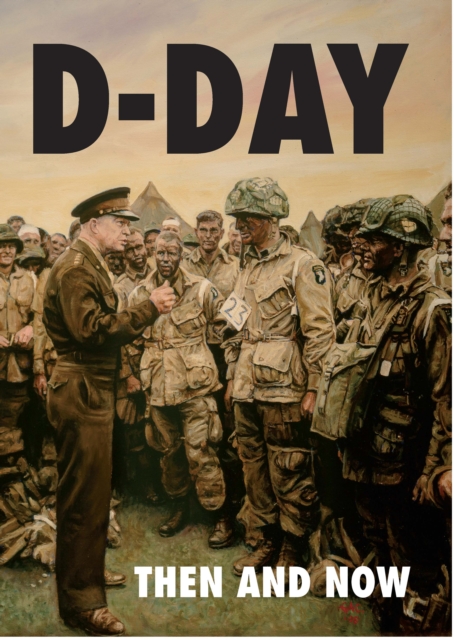
In his 1945 report to the Combined Chiefs-of-Staff on the success of Operation ‘Overlord’, the Supreme Commander General Eisenhower wrote that "on the morning of June 9 I was able to announce that for the first time since 1940, Allied air forces were operating from France, and that within three weeks of D-Day, 31 Allied squadrons were operating from the beach-head bases.
In his 1945 report to the Combined Chiefs-of-Staff on the success of Operation ‘Overlord’, the Supreme Commander General Eisenhower wrote that "on the morning of June 9 I was able to announce that for the first time since 1940, Allied air forces were operating from France, and that within three weeks of D-Day, 31 Allied squadrons were operating from the beach-head bases.
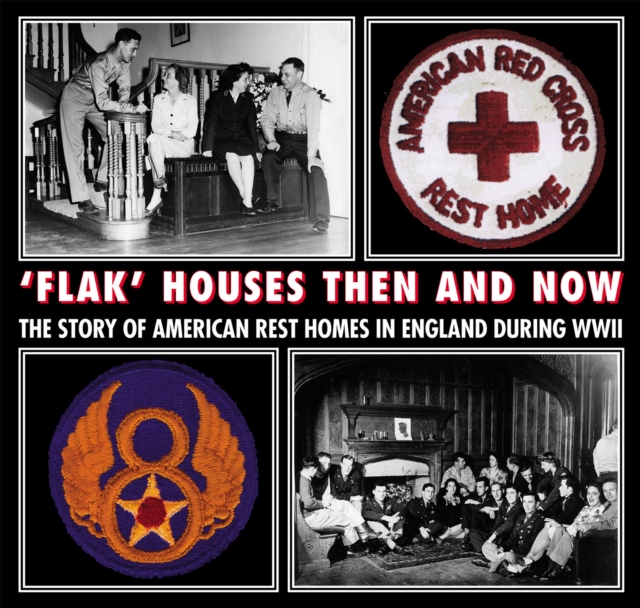
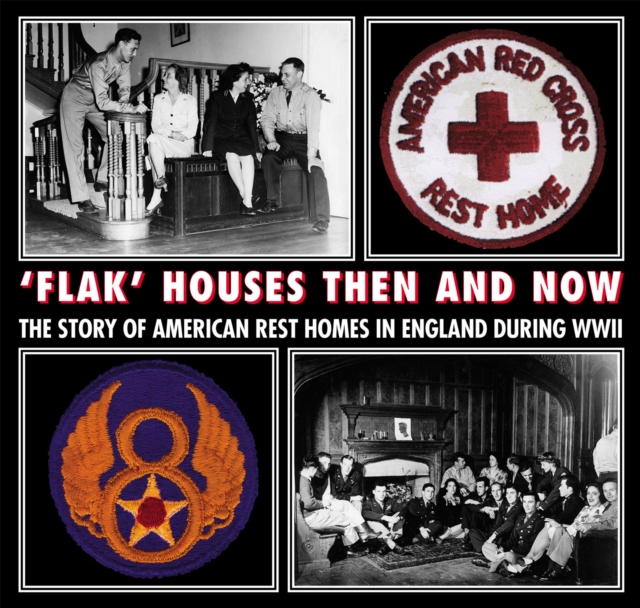
‘Flak’ Houses were the rest homes set up in England during the Second World War by the American Red Cross to provide centers of rest and recuperation for combat-weary airmen.
‘Flak’ Houses were the rest homes set up in England during the Second World War by the American Red Cross to provide centers of rest and recuperation for combat-weary airmen.
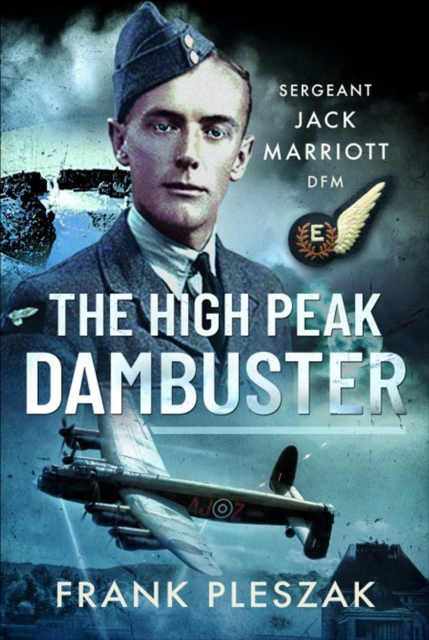
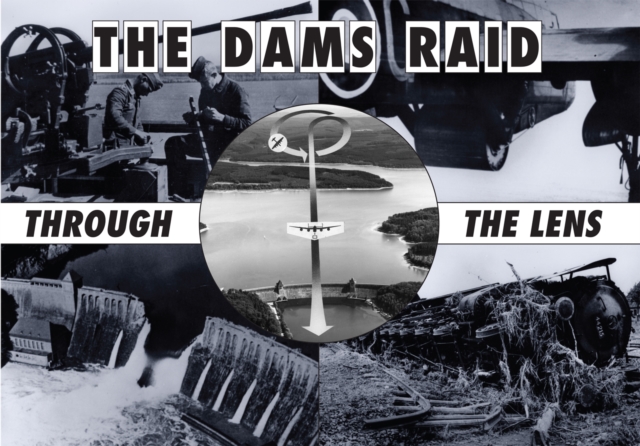
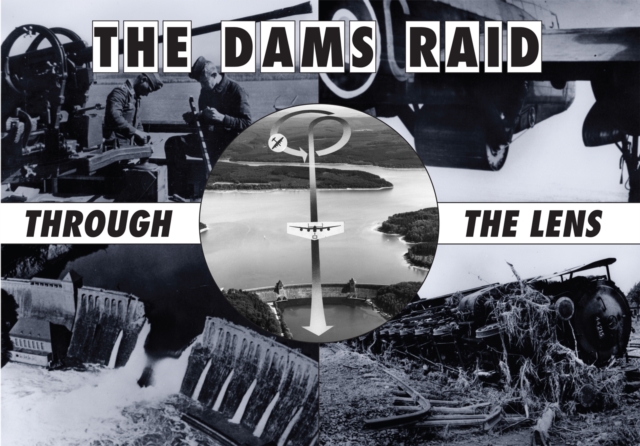
The story of the attack on the Möhne and Eder dams in the Ruhr has been recounted many times before, but not until now has it been told from the German side.
The story of the attack on the Möhne and Eder dams in the Ruhr has been recounted many times before, but not until now has it been told from the German side.
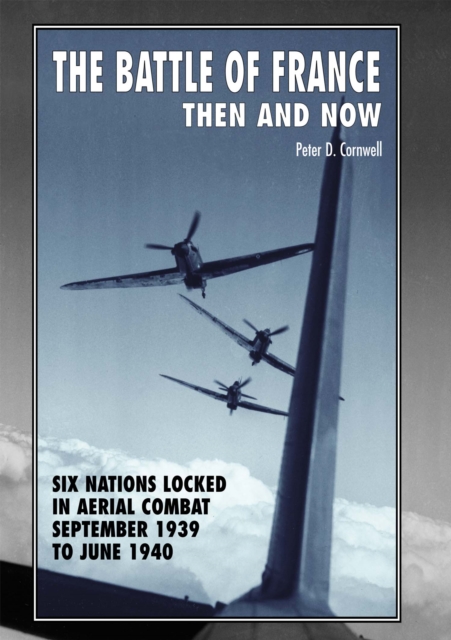
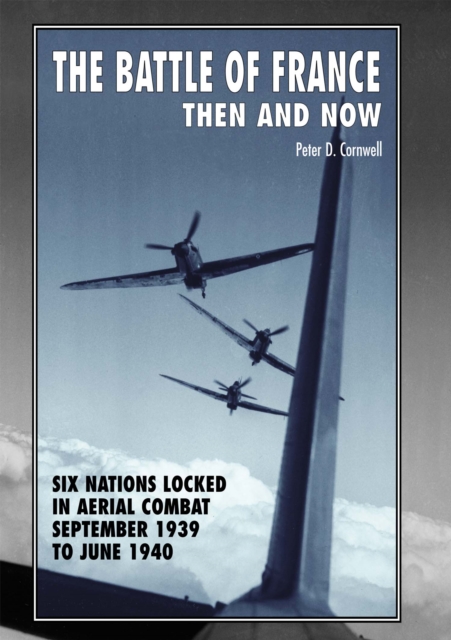
Peter Cornwell tells the story of the greatest air battle of the Second World War when six nations were locked in combat over north-western Europe for a traumatic six weeks in 1940.
Peter Cornwell tells the story of the greatest air battle of the Second World War when six nations were locked in combat over north-western Europe for a traumatic six weeks in 1940.
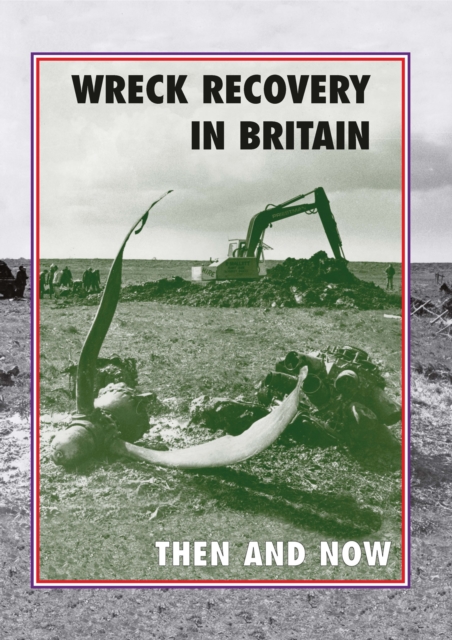
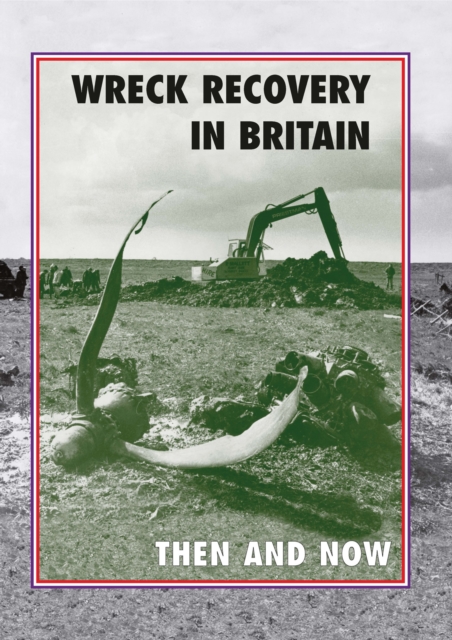
Whereas on the Continent, the Missing Research and Enquiry Unit left no stone unturned to try to trace the thousands of airmen who still remained missing, strangely enough no similar operation was carried out by the RAF on crash sites in the United Kingdom.
Whereas on the Continent, the Missing Research and Enquiry Unit left no stone unturned to try to trace the thousands of airmen who still remained missing, strangely enough no similar operation was carried out by the RAF on crash sites in the United Kingdom.
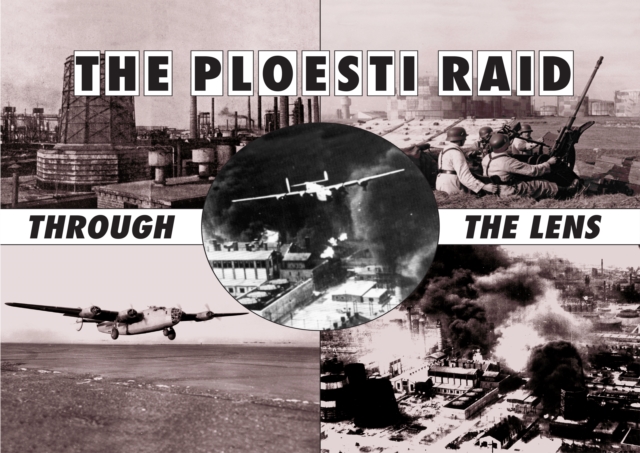
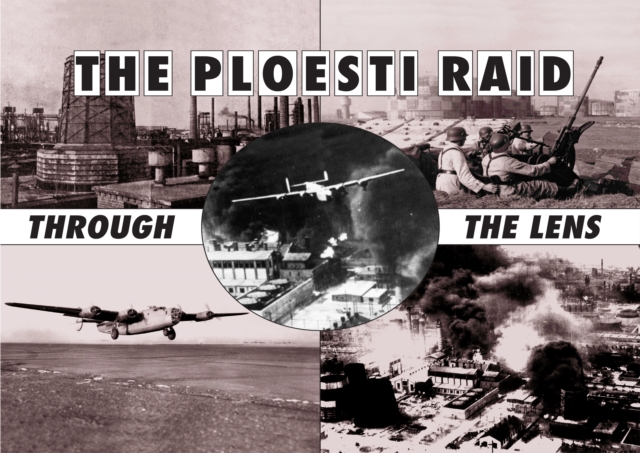
The Ploesti Raid took place on Sunday, August 1, 1943 and, but for a navigational error which put the leading formation on a course away from the target, the operation might have resulted in the destruction of the seven chosen targets.
The Ploesti Raid took place on Sunday, August 1, 1943 and, but for a navigational error which put the leading formation on a course away from the target, the operation might have resulted in the destruction of the seven chosen targets.
In the 12 years that the National Socialist Party was in power in Germany, upwards of 15,000 concentration and labor camps were established in the Greater Reich and the occupied countries to incarcerate all who were deemed enemies of the state.
In the 12 years that the National Socialist Party was in power in Germany, upwards of 15,000 concentration and labor camps were established in the Greater Reich and the occupied countries to incarcerate all who were deemed enemies of the state.
Coastal Command, created in 1936 alongside Fighter and Bomber Commands in the reorganization of the RAF in its preparations for the coming war, was Britain’s mainstay in the battle against the German submarine.
Coastal Command, created in 1936 alongside Fighter and Bomber Commands in the reorganization of the RAF in its preparations for the coming war, was Britain’s mainstay in the battle against the German submarine.
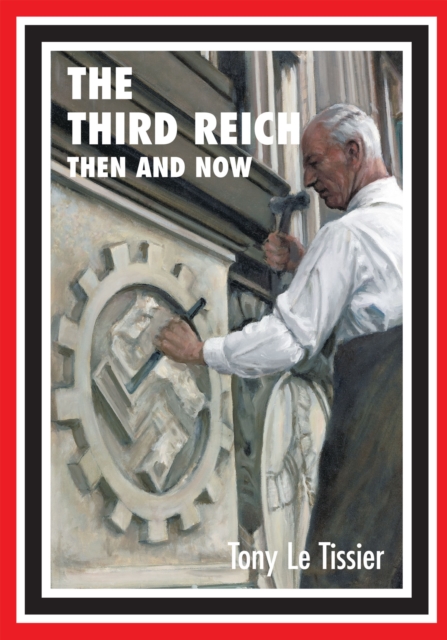
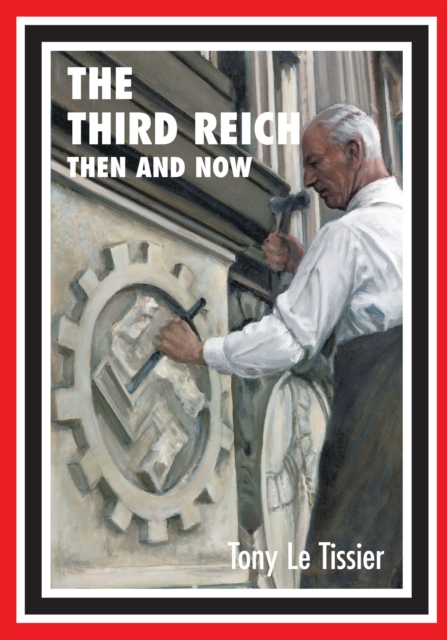
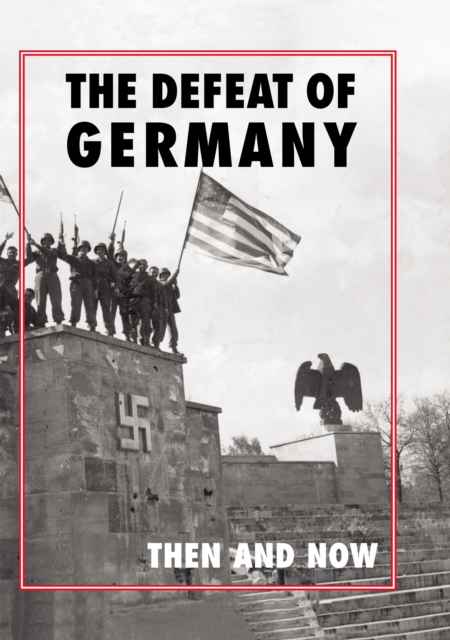
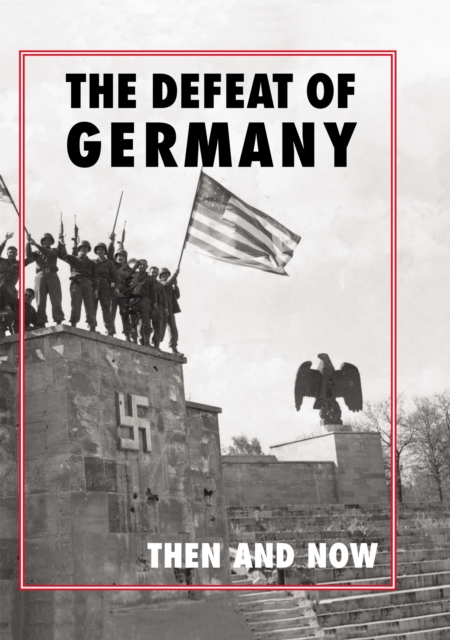
In this book Tony Le Tissier (author of Berlin Then and Now) traces the rise of Hitler, the Nazi Party and its ramifications, together with its deeds and accomplishments, during the twelve years that the Third Reich existed within today’s boundaries of the Federal Republics of Germany and Austria.
In this book Tony Le Tissier (author of Berlin Then and Now) traces the rise of Hitler, the Nazi Party and its ramifications, together with its deeds and accomplishments, during the twelve years that the Third Reich existed within today’s boundaries of the Federal Republics of Germany and Austria.
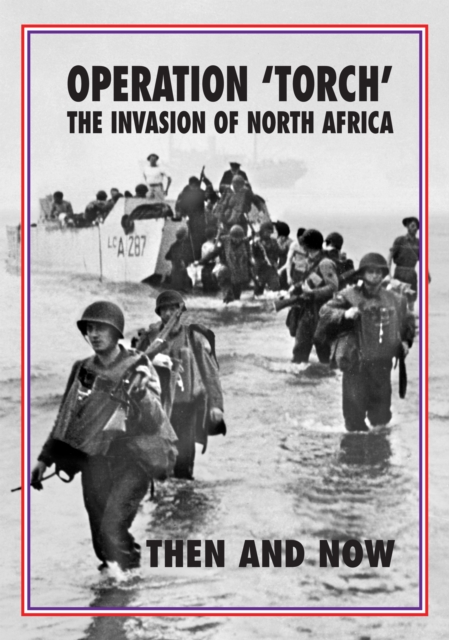
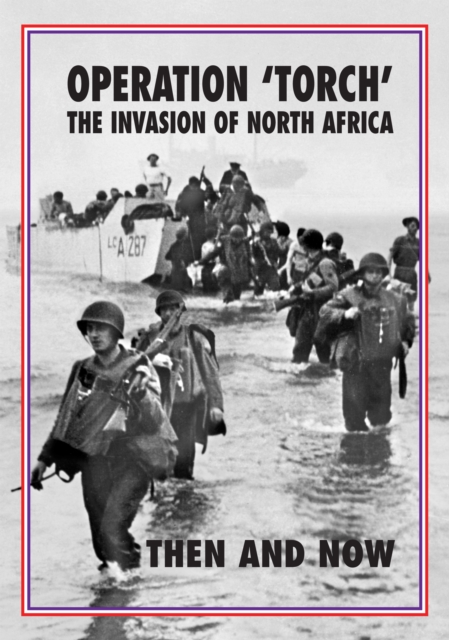
When the western Allies decided to launch a second front in North Africa, they carefully considered the anti-British feeling left in France by the ill-advised attack by the Royal Navy on the French Fleet at Mers el Kébir in July 1940.
When the western Allies decided to launch a second front in North Africa, they carefully considered the anti-British feeling left in France by the ill-advised attack by the Royal Navy on the French Fleet at Mers el Kébir in July 1940.
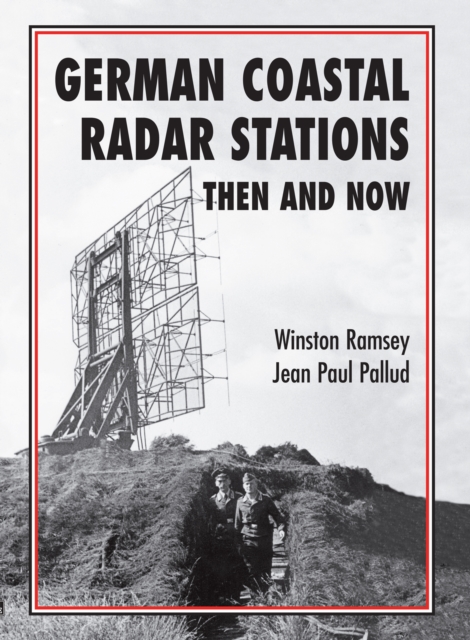
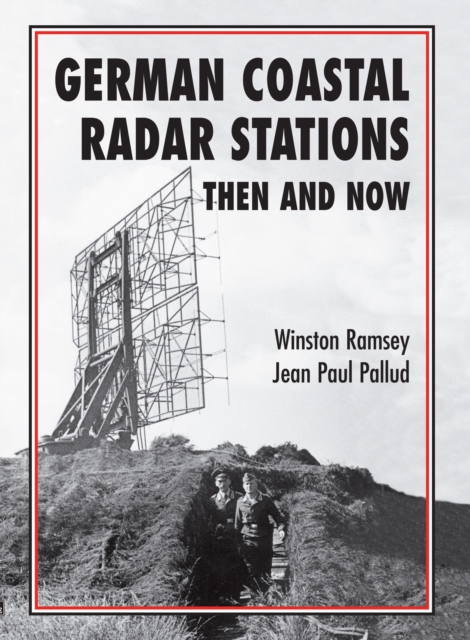
When German forces occupied the coastline of the English Channel in 1940, one of the measures undertaken to give early warning of attacks from the sea or air was to set up a line of radar stations.
When German forces occupied the coastline of the English Channel in 1940, one of the measures undertaken to give early warning of attacks from the sea or air was to set up a line of radar stations.
Dr Raphael Lemkin was a Polish émigré and the person who coined the term ‘genocide’ during his study of international law concerning crimes against humanity which he began in 1933 — the year that the Nazis assumed power in Germany.
Dr Raphael Lemkin was a Polish émigré and the person who coined the term ‘genocide’ during his study of international law concerning crimes against humanity which he began in 1933 — the year that the Nazis assumed power in Germany.
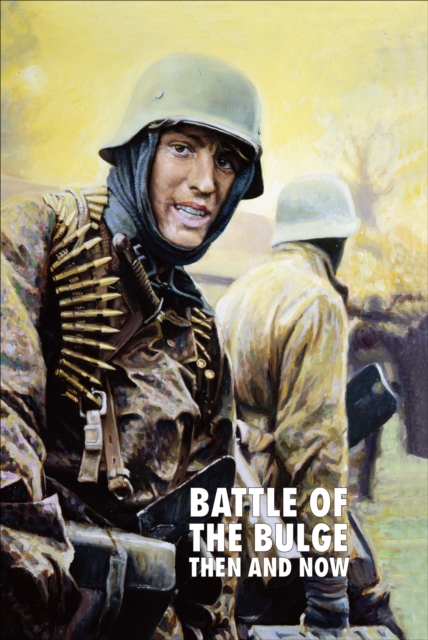
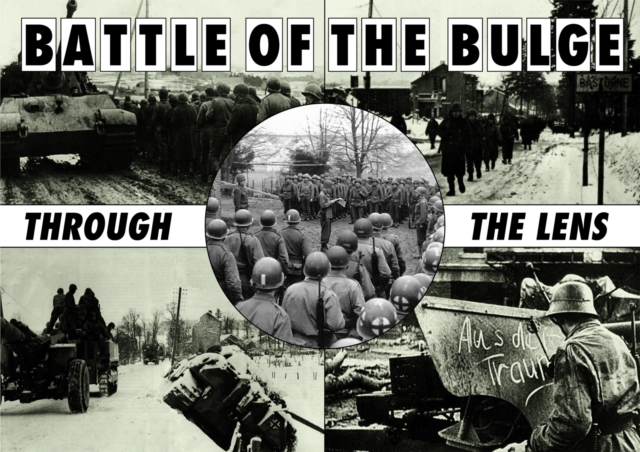
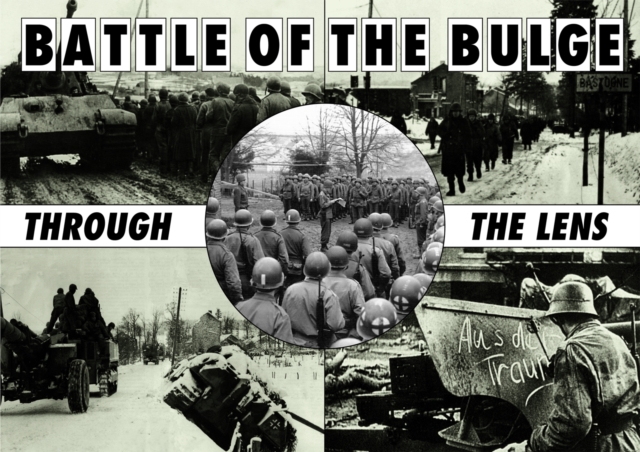
Philip Vorwald retraces the fields of battle which were once bitterly contested killing grounds in the struggle to halt Hitler’s final gambit in the West.
Philip Vorwald retraces the fields of battle which were once bitterly contested killing grounds in the struggle to halt Hitler’s final gambit in the West.