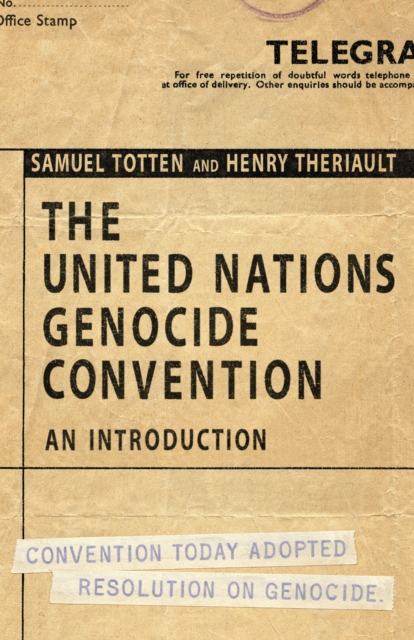
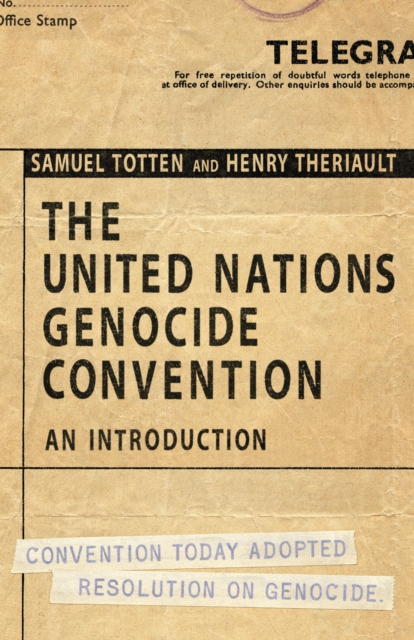
It is virtually impossible to understand the phenomenon of genocide without a clear understanding of the complexities of the United Nations Convention on the Prevention and Punishment of the Crime of Genocide (UNCG).
It is virtually impossible to understand the phenomenon of genocide without a clear understanding of the complexities of the United Nations Convention on the Prevention and Punishment of the Crime of Genocide (UNCG).
In April 1945, when the Bergen-Belsen concentration camp was surrendered and handed over to the British Army, Canadian forces arrived on scene to provide support, to bear witness, and to document the crimes.
In April 1945, when the Bergen-Belsen concentration camp was surrendered and handed over to the British Army, Canadian forces arrived on scene to provide support, to bear witness, and to document the crimes.
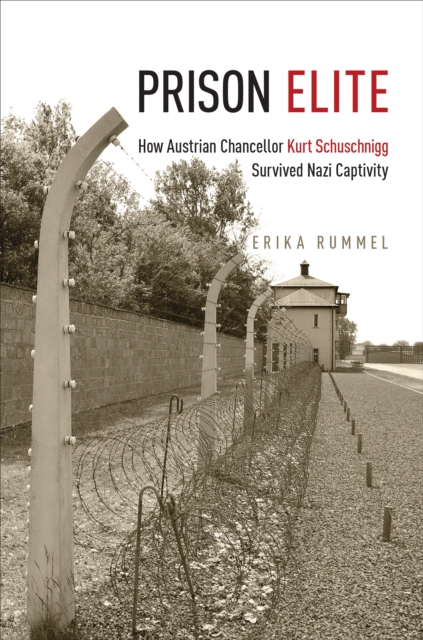
After the Anschluss (annexation) in 1938, the Nazis forced Austrian Chancellor Kurt Schuschnigg to resign and kept him imprisoned for seven years, until his rescue by the Allies in 1945.
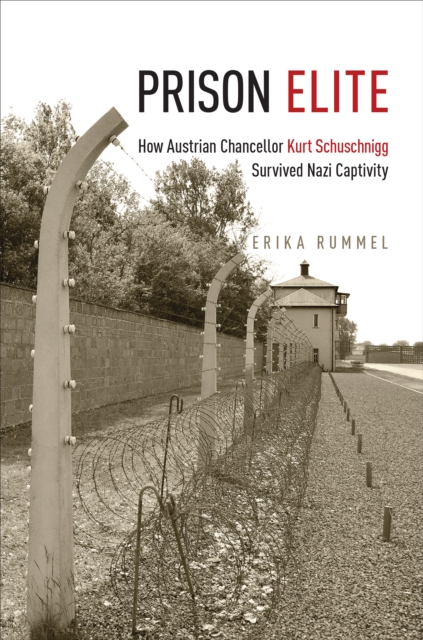
After the Anschluss (annexation) in 1938, the Nazis forced Austrian Chancellor Kurt Schuschnigg to resign and kept him imprisoned for seven years, until his rescue by the Allies in 1945.
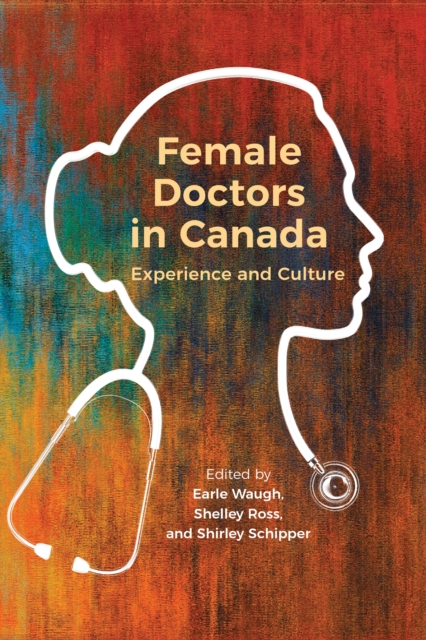
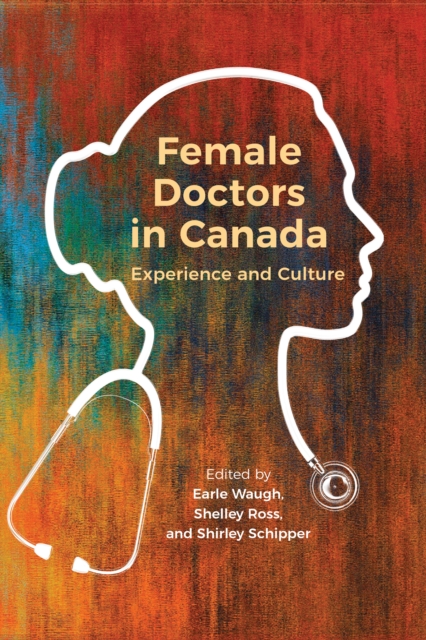
Female Doctors in Canada is an accessible collection of articles by experienced physicians and researchers exploring how systems, practices, and individuals must change as medicine becomes an increasingly female-dominated profession.
Female Doctors in Canada is an accessible collection of articles by experienced physicians and researchers exploring how systems, practices, and individuals must change as medicine becomes an increasingly female-dominated profession.
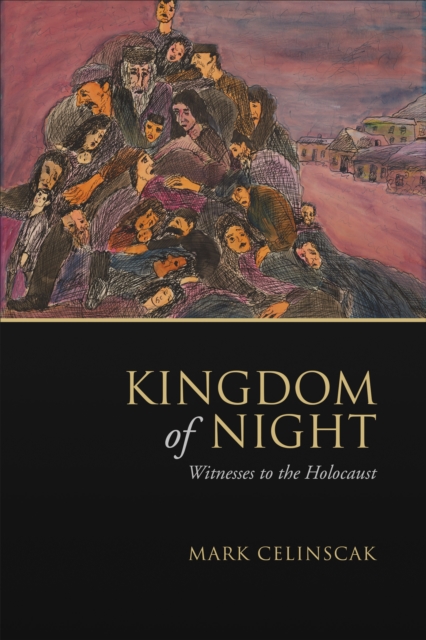
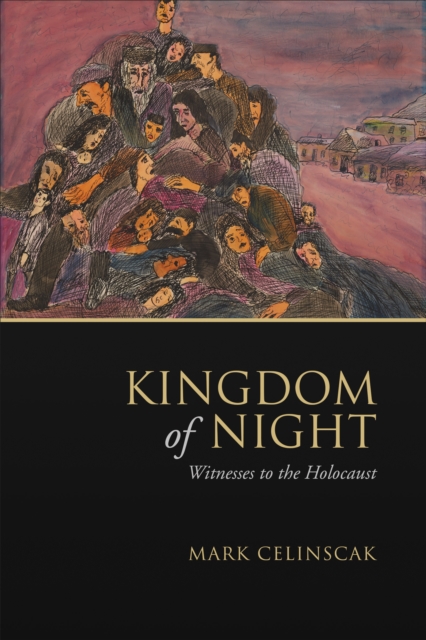
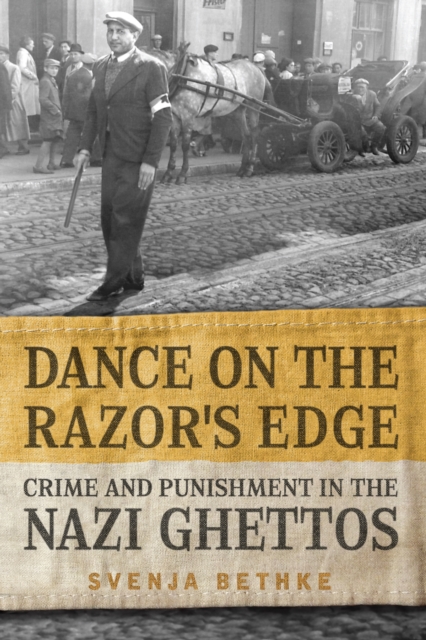
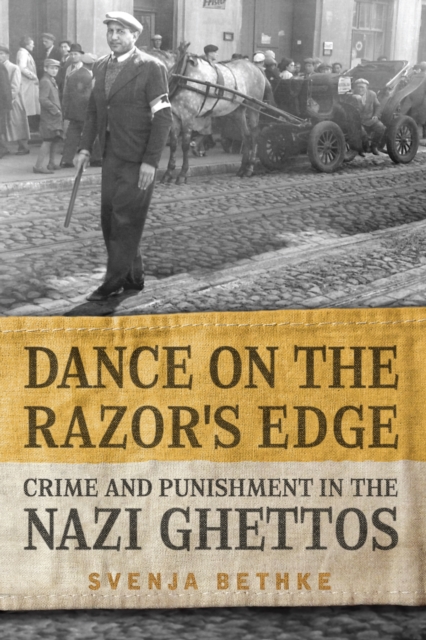
Historians have mainly seen the ghettos established by the Nazis in German-occupied Eastern Europe as spaces marked by brutality, tyranny, and the systematic murder of the Jewish population.
Historians have mainly seen the ghettos established by the Nazis in German-occupied Eastern Europe as spaces marked by brutality, tyranny, and the systematic murder of the Jewish population.
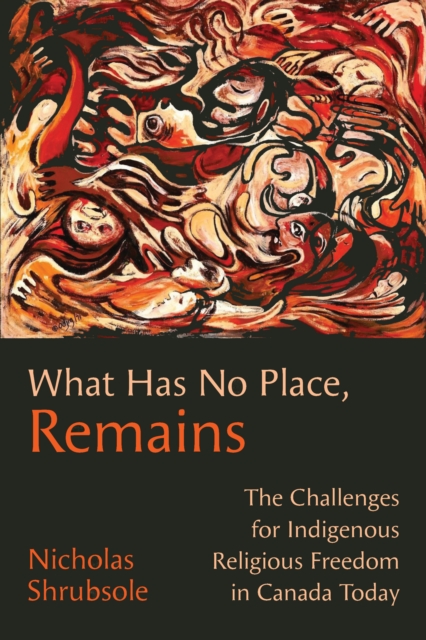
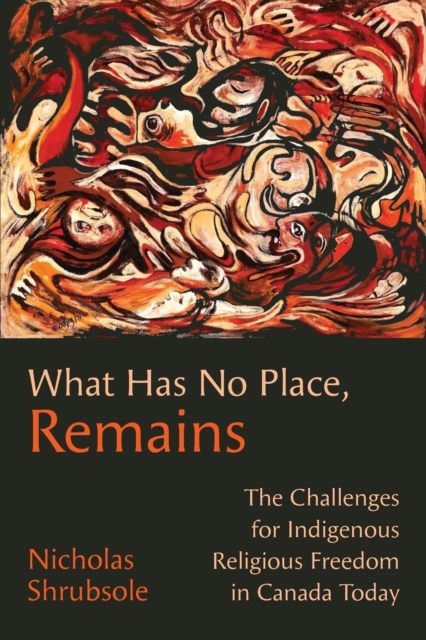
The desire to erase the religions of Indigenous Peoples is an ideological fixture of the colonial project that marked the first century of Canada's nationhood.
The desire to erase the religions of Indigenous Peoples is an ideological fixture of the colonial project that marked the first century of Canada's nationhood.
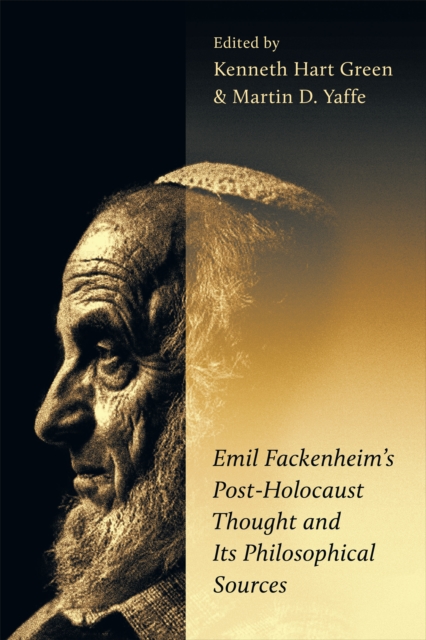
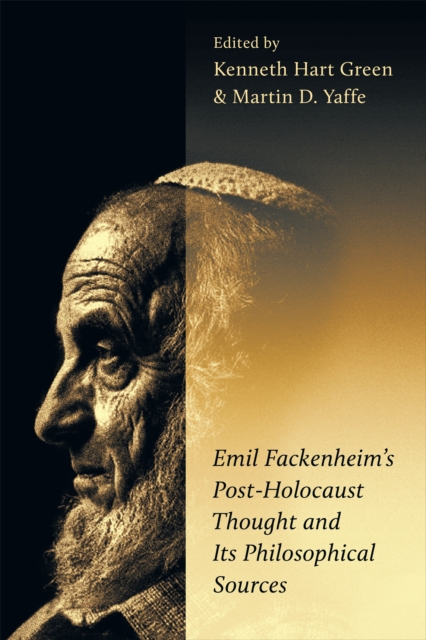
Recognized as one of the leading philosophers and Jewish thinkers of the twentieth century, Emil Ludwig Fackenheim has been widely praised for his boldness, originality, and profundity.
Recognized as one of the leading philosophers and Jewish thinkers of the twentieth century, Emil Ludwig Fackenheim has been widely praised for his boldness, originality, and profundity.
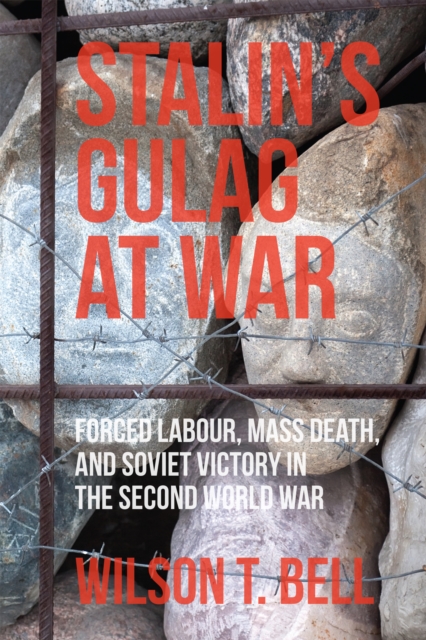
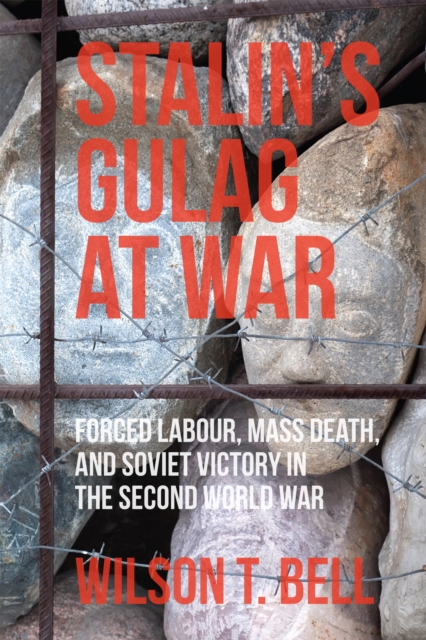
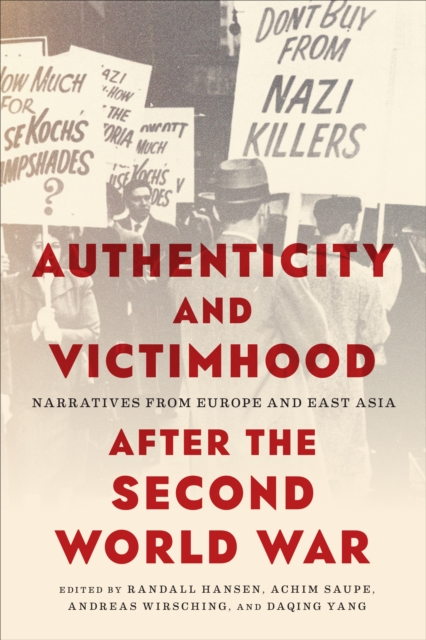
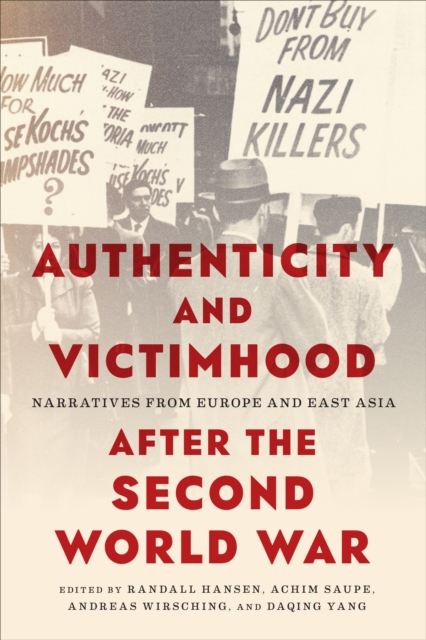
The Second World War was filled with many terrible crimes, such as genocide, forced migration and labour, human-made famine, forced sterilizations, and dispossession, that occurred on an unprecedented scale.
The Second World War was filled with many terrible crimes, such as genocide, forced migration and labour, human-made famine, forced sterilizations, and dispossession, that occurred on an unprecedented scale.
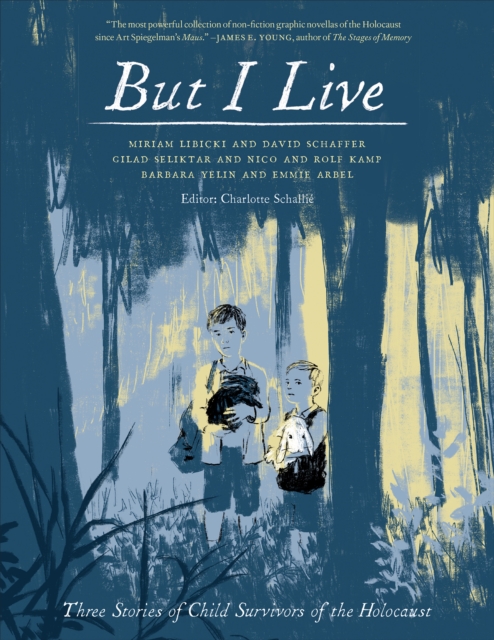
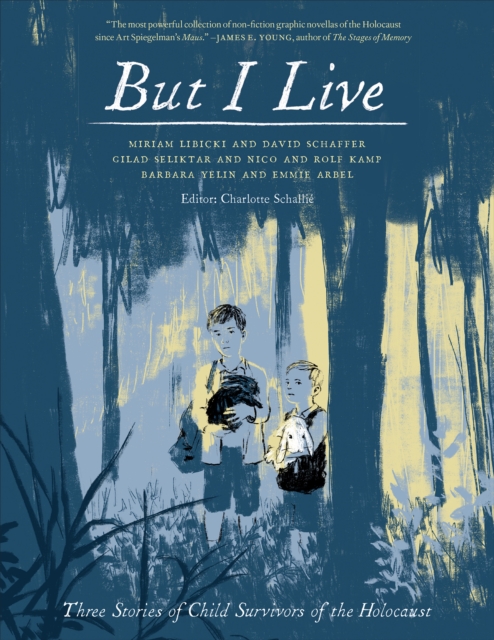
An intimate co-creation of three graphic novelists and four Holocaust survivors, But I Live consists of three illustrated stories based on the experiences of each survivor during and after the Holocaust.
An intimate co-creation of three graphic novelists and four Holocaust survivors, But I Live consists of three illustrated stories based on the experiences of each survivor during and after the Holocaust.
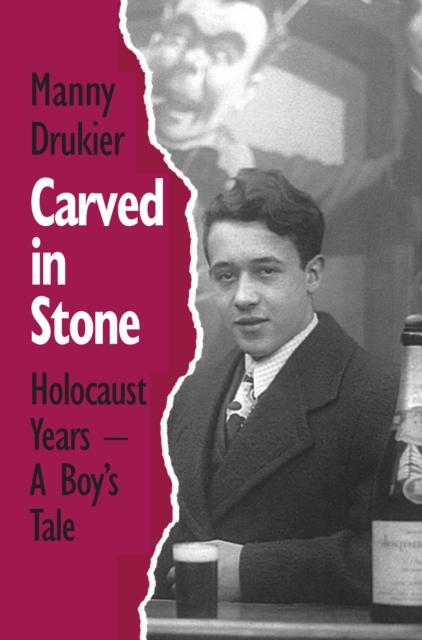
The title of this book is taken from Primo Levi's words about survivors of the Holocaust: `The survivors are divided into two well-defined groups: those who repress their past en bloc, and those whose memory of the offence persists, as though carved in stone.
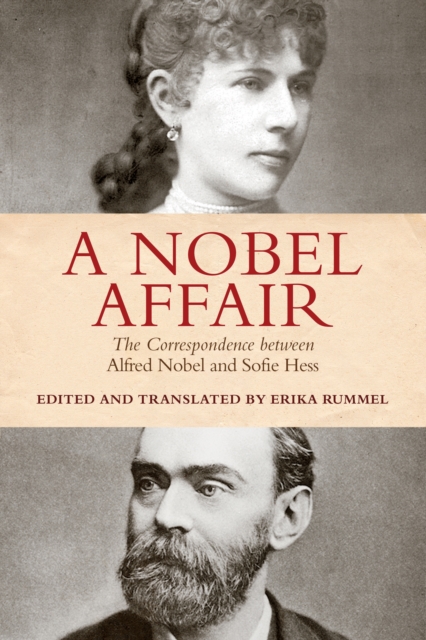
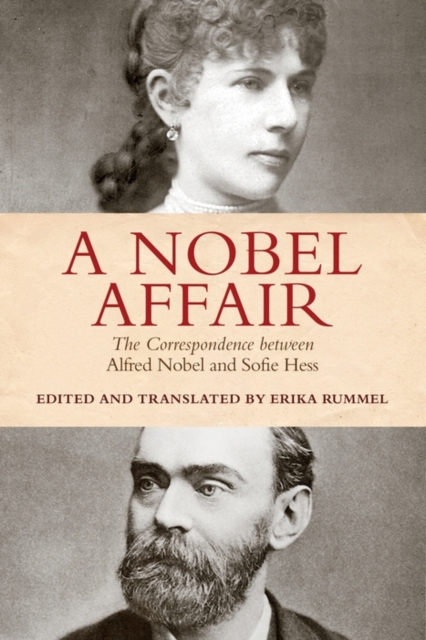
Alfred Nobel made his name as an inventor and successful entrepreneur and left a legacy as a philanthropist and promoter of learning and social progress.
Alfred Nobel made his name as an inventor and successful entrepreneur and left a legacy as a philanthropist and promoter of learning and social progress.
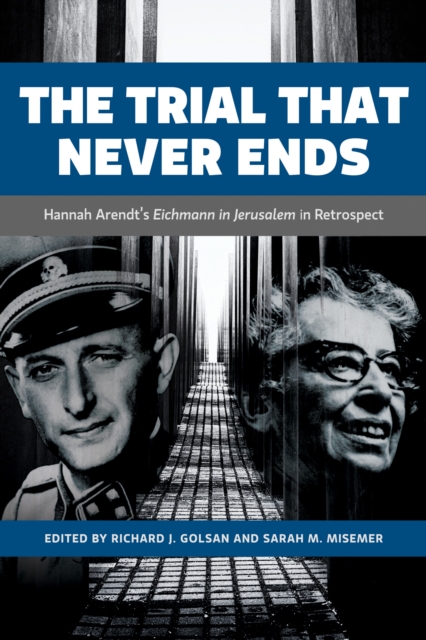
The fiftieth anniversary of the Adolf Eichmann trial may have come and gone but in many countries around the world there is a renewed focus on the trial, Eichmann himself, and the nature of his crimes.