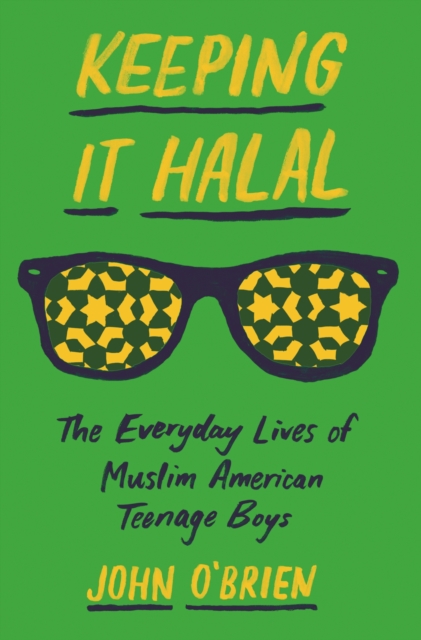
A compelling portrait of a group of boys as they navigate the complexities of being both American teenagers and good MuslimsThis book provides a uniquely personal look at the social worlds of a group of young male friends as they navigate the complexities of growing up Muslim in America.
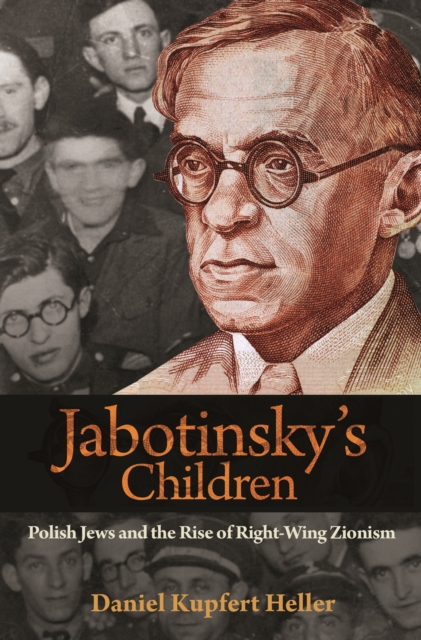
How interwar Poland and its Jewish youth were instrumental in shaping the ideology of right-wing ZionismBy the late 1930s, as many as fifty thousand Polish Jews belonged to Betar, a youth movement known for its support of Vladimir Jabotinsky, the founder of right-wing Zionism.
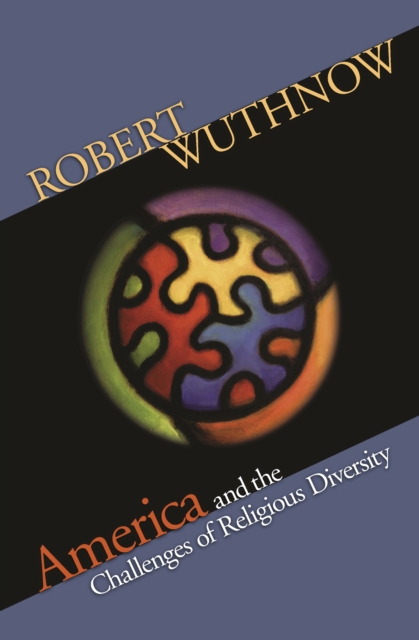
The most authoritative resource on religious trends in Americanow fully updatedMost Americans say they believe in God, and more than a third say they attend religious services every week.
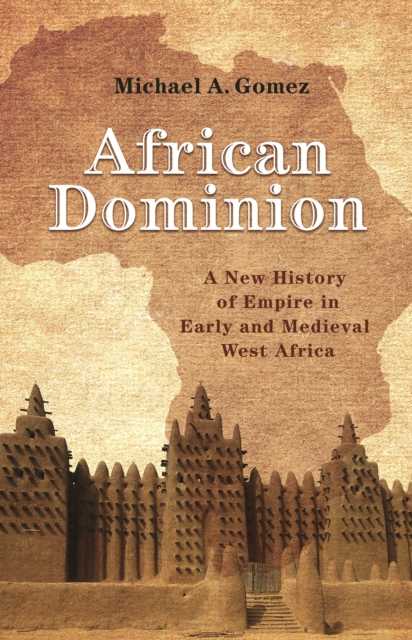
A groundbreaking history that puts early and medieval West Africa in a global contextPick up almost any book on early and medieval world history and empire, and where do you find West Africa?
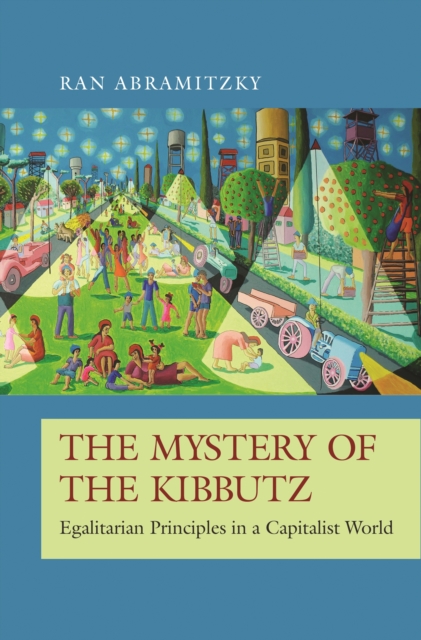
How the kibbutz movement thrived despite its inherent economic contradictions and why it eventually declinedThe kibbutz is a social experiment in collective living that challenges traditional economic theory.
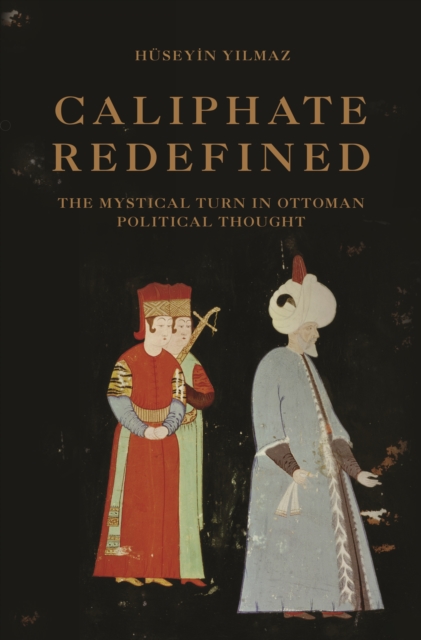
How the Ottomans refashioned and legitimated their rule through mystical imageries of authorityThe medieval theory of the caliphate, epitomized by the Abbasids (750-1258), was the construct of jurists who conceived it as a contractual leadership of the Muslim community in succession to the Prophet Muhammed's political authority.
The first in-depth look at how postwar thinkers in Egypt mapped the intersections between Islamic discourses and psychoanalytic thoughtIn 1945, psychologist Yusuf Murad introduced an Arabic term borrowed from the medieval Sufi philosopher and mystic Ibn 'Arabi-al-la-shu'ur-as a translation for Sigmund Freud's concept of the unconscious.
How we came to seek absolute good in religion and nature-and why that quest often leads us astrayPeople have long looked to nature and the divine as paths to the good.
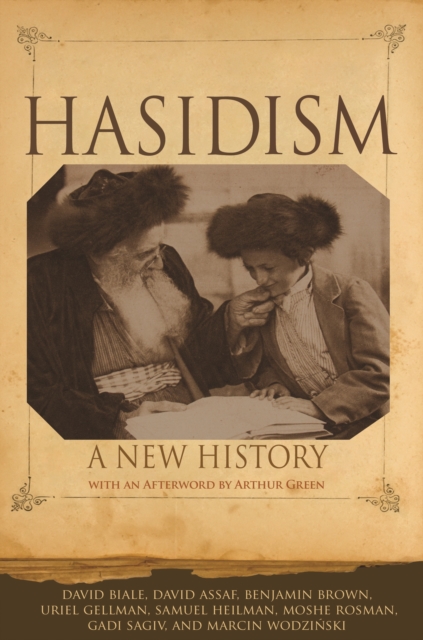
The first comprehensive history of the pietistic movement that shaped modern JudaismThis is the first comprehensive history of the pietistic movement that shaped modern Judaism.
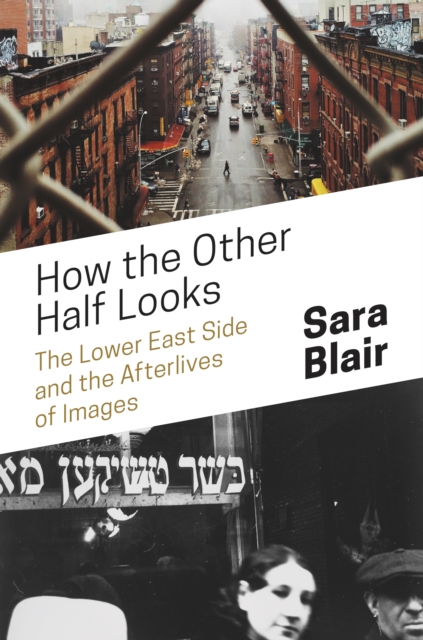
How New York's Lower East Side inspired new ways of seeing AmericaNew York City's Lower East Side, long viewed as the space of what Jacob Riis notoriously called the "e;other half,"e; was also a crucible for experimentation in photography, film, literature, and visual technologies.
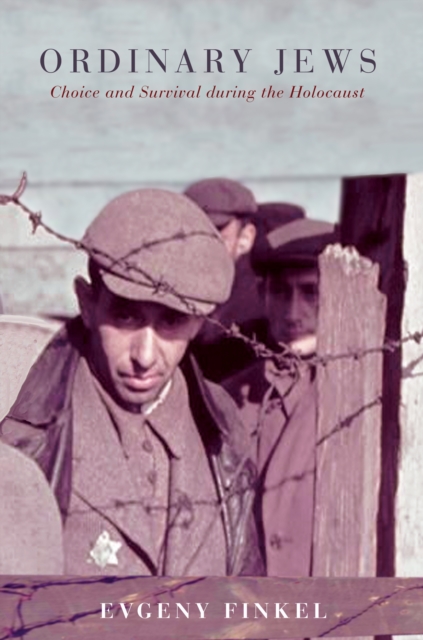
How Jewish responses during the Holocaust shed new light on the dynamics of genocide and political violenceFocusing on the choices and actions of Jews during the Holocaust, Ordinary Jews examines the different patterns of behavior of civilians targeted by mass violence.
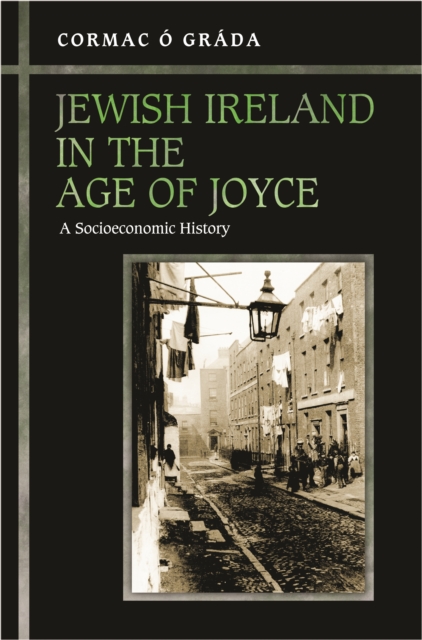
James Joyce's Leopold Bloom--the atheistic Everyman of Ulysses, son of a Hungarian Jewish father and an Irish Protestant mother--may have turned the world's literary eyes on Dublin, but those who look to him for history should think again.
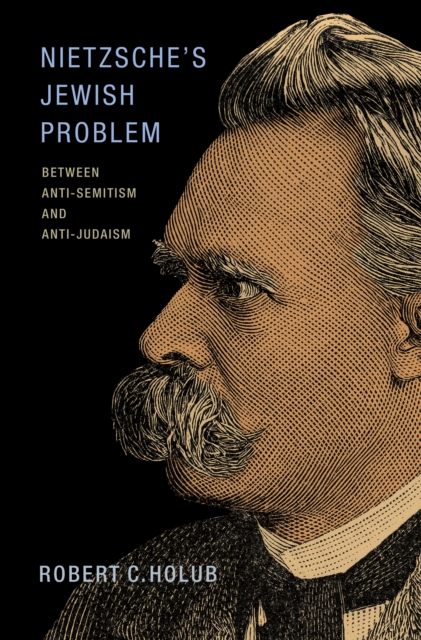
The first comprehensive account of Nietzsche's views of Jews and JudaismFor more than a century, Nietzsche's views about Jews and Judaism have been subject to countless polemics.
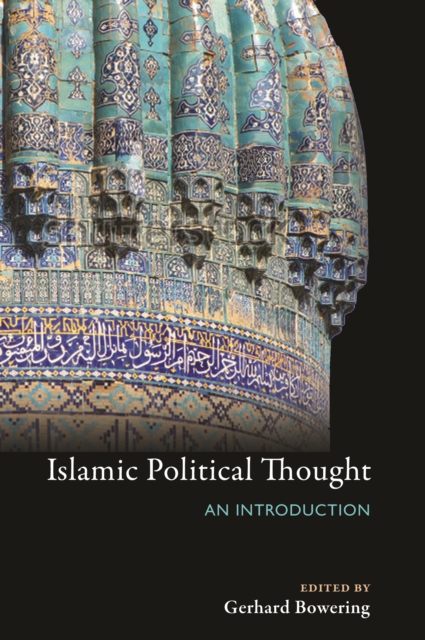
A concise and authoritative introduction to Islamic political ideasIn sixteen concise chapters on key topics, this book provides a rich, authoritative, and up-to-date introduction to Islamic political thought from the birth of Islam to today, presenting essential background and context for understanding contemporary politics in the Islamic world and beyond.
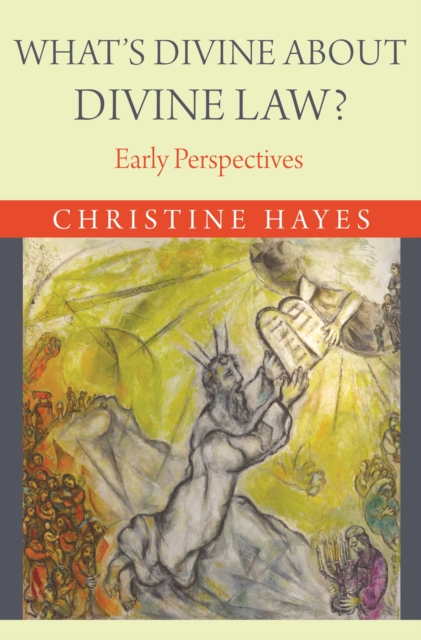
How ancient thinkers grappled with competing conceptions of divine lawIn the thousand years before the rise of Islam, two radically diverse conceptions of what it means to say that a law is divine confronted one another with a force that reverberates to the present.
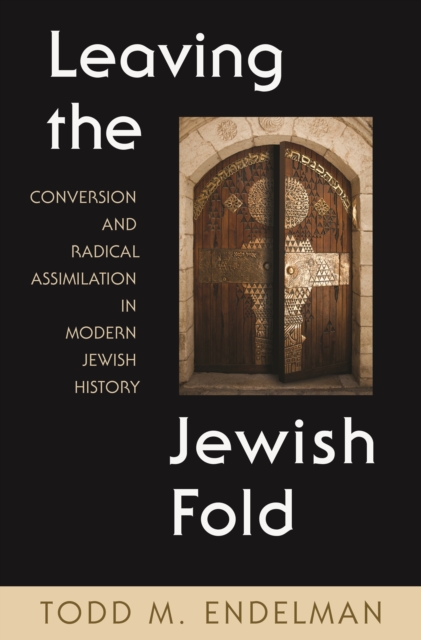
The definitive history of conversion and assimilation of Jews in Europe and America from the eighteenth century to the presentBetween the French Revolution and World War II, hundreds of thousands of Jews left the Jewish fold-by becoming Christians or, in liberal states, by intermarrying.
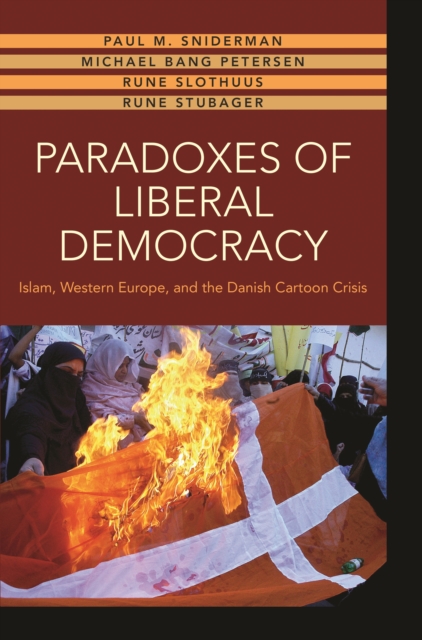
In 2005, twelve cartoons mocking the prophet Mohammed appeared in the Danish newspaper Jyllands-Posten, igniting a political firestorm over demands by some Muslims that the claims of their religious faith take precedence over freedom of expression.
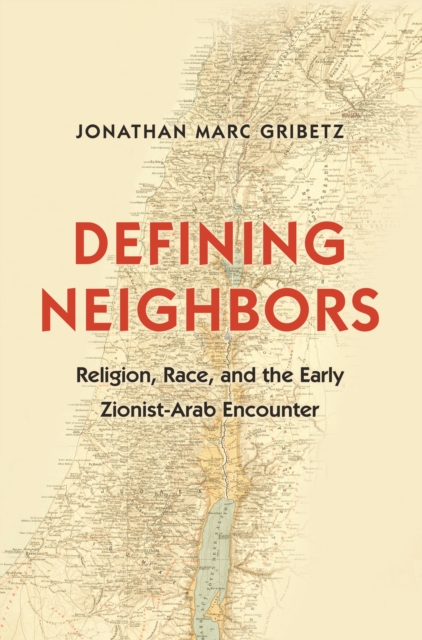
How religion and race-not nationalism-shaped early encounters between Zionists and Arabs in PalestineAs the Israeli-Palestinian conflict persists, aspiring peacemakers continue to search for the precise territorial dividing line that will satisfy both Israeli and Palestinian nationalist demands.
In July 2010, Terry Jones, the pastor of a small fundamentalist church in Florida, announced plans to burn two hundred Qur'ans on the anniversary of the September 11 attacks.
How the conflicts of Western history shed light on current upheavals in the Middle EastPolitical Islam has often been compared to ideological movements of the past such as fascism or Christian theocracy.
How the history of Texas illuminates America's post-Civil War pastTracing the intersection of religion, race, and power in Texas from Reconstruction through the rise of the Religious Right and the failed presidential bid of Governor Rick Perry, Rough Country illuminates American history since the Civil War in new ways, demonstrating that Texas's story is also America's.
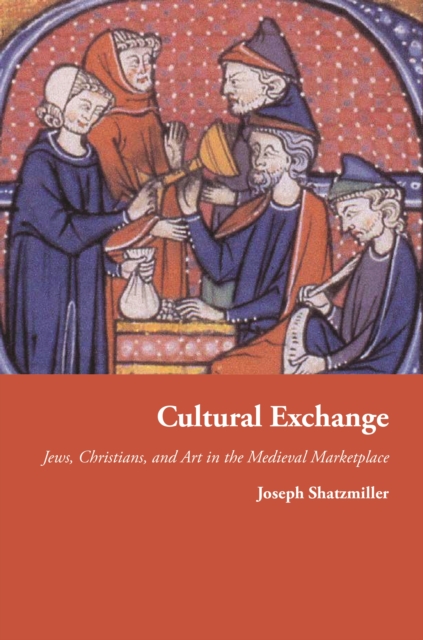
Demonstrating that similarities between Jewish and Christian art in the Middle Ages were more than coincidental, Cultural Exchange meticulously combines a wide range of sources to show how Jews and Christians exchanged artistic and material culture.
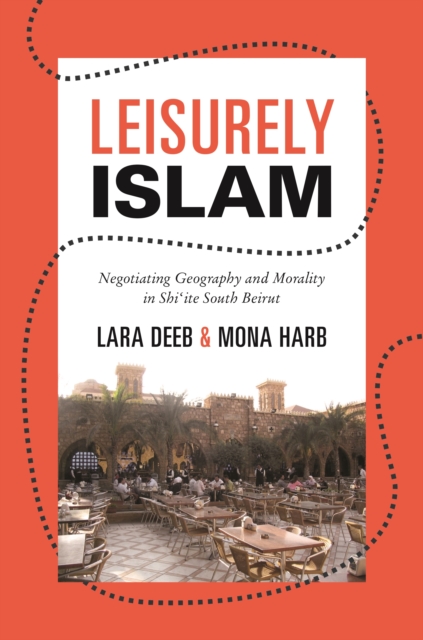
How the rise of leisure is changing contemporary LebanonSouth Beirut has recently become a vibrant leisure destination with a plethora of cafes and restaurants that cater to the young, fashionable, and pious.
An anthology that examines the historical and contemporary relationship between religion and violenceThis groundbreaking anthology provides the most comprehensive overview for understanding the fascinating relationship between religion and violence-historically, culturally, and in the contemporary world.
Politics of Piety is a groundbreaking analysis of Islamist cultural politics through the ethnography of a thriving, grassroots women's piety movement in the mosques of Cairo, Egypt.
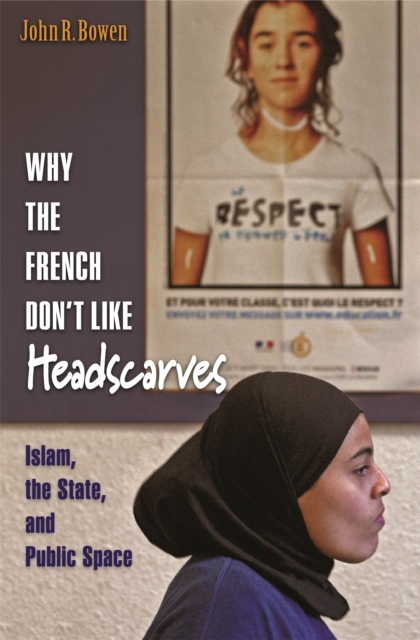
The French government's 2004 decision to ban Islamic headscarves and other religious signs from public schools puzzled many observers, both because it seemed to infringe needlessly on religious freedom, and because it was hailed by many in France as an answer to a surprisingly wide range of social ills, from violence against females in poor suburbs to anti-Semitism.
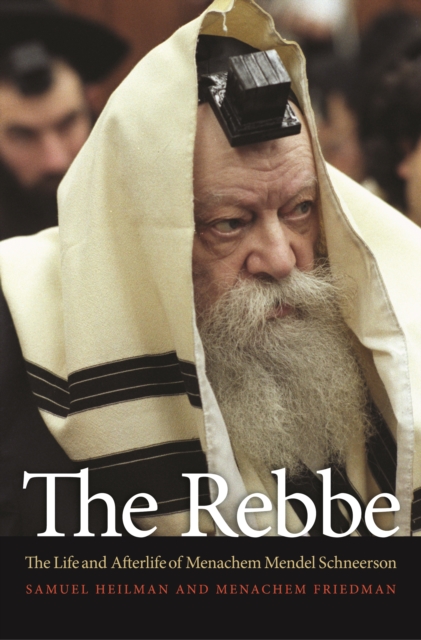
The story of one of the most compelling religious leaders of modern timesFrom the 1950s until his death in 1994, Menachem Mendel Schneerson-revered by his followers worldwide simply as the Rebbe-built the Lubavitcher movement from a relatively small sect within Hasidic Judaism into the powerful force in Jewish life that it is today.
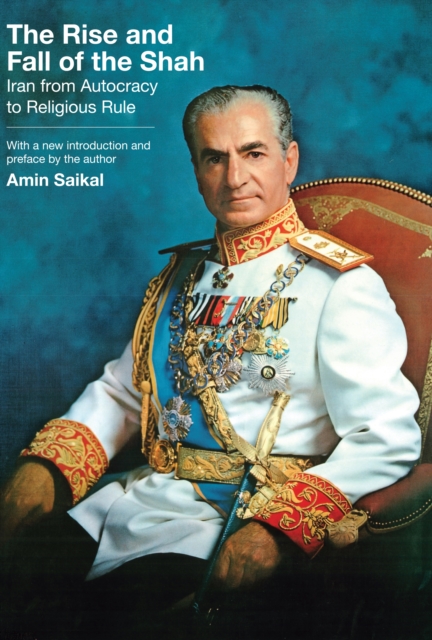
On November 4, 1979, when students occupied the American Embassy in Tehran and subsequently demanded that the United States return the Shah in exchange for hostages, the deposed Iranian ruler's regime became the focus of worldwide scrutiny and controversy.
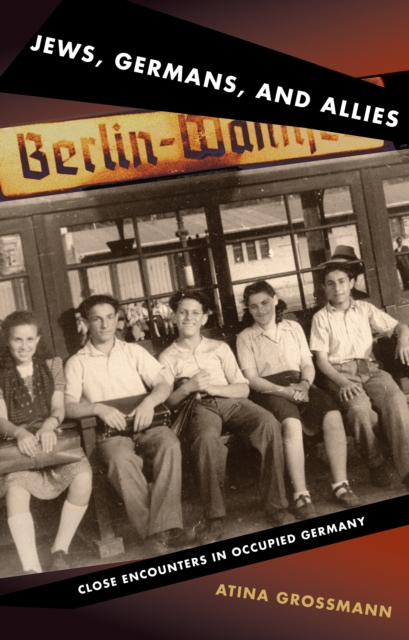
In the immediate aftermath of World War II, more than a quarter million Jewish survivors of the Holocaust lived among their defeated persecutors in the chaotic society of Allied-occupied Germany.
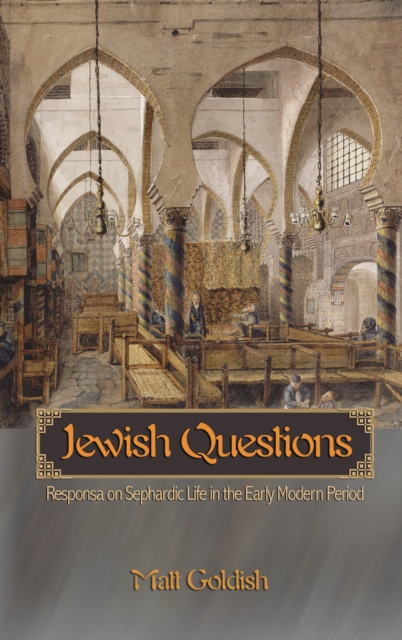
In Jewish Questions, Matt Goldish introduces English readers to the history and culture of the Sephardic dispersion through an exploration of forty-three responsa--questions about Jewish law that Jews asked leading rabbis, and the rabbis' responses.