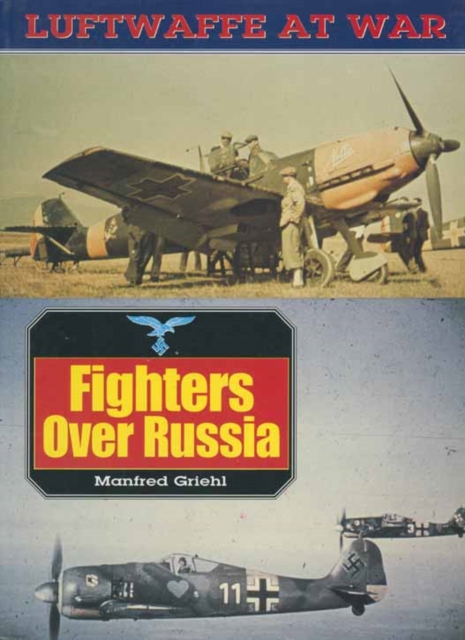
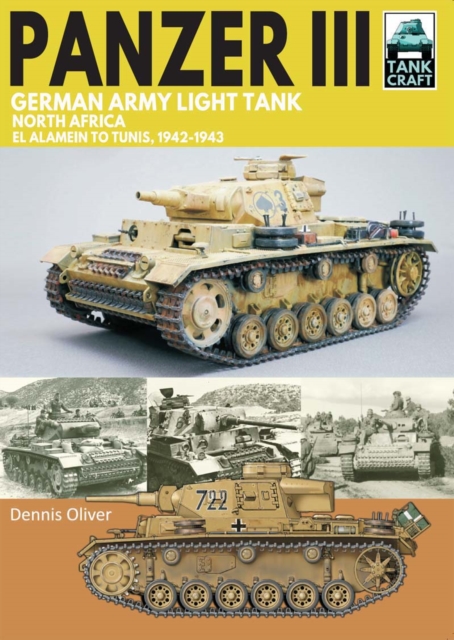
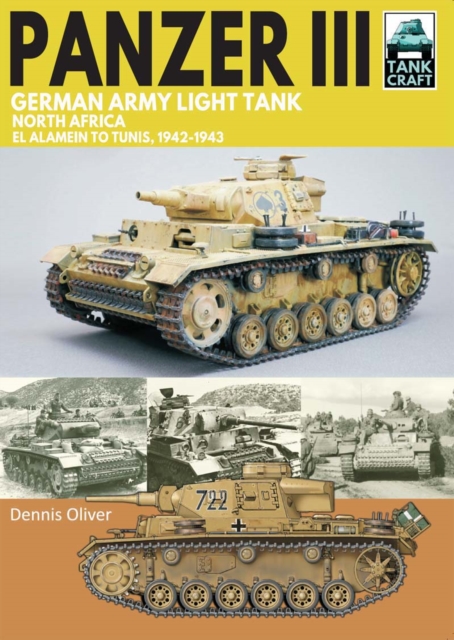
The air war over the critical Eastern Front is illustrated with 120 specially selected and informatively captioned photographs in this striking new book.
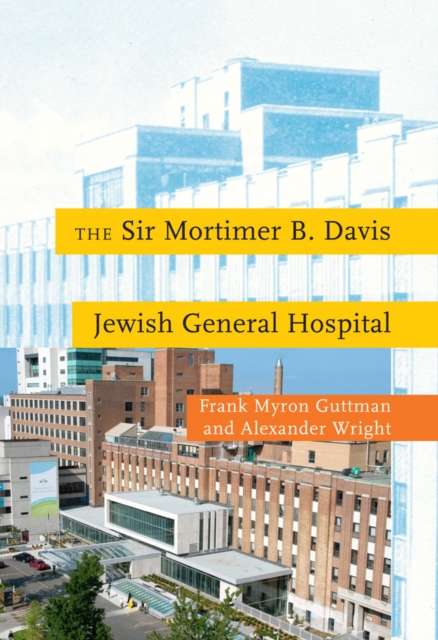
Founded in 1934 as a small community hospital - open to all patients, regardless of race, religion, language, or ethnic background - Montreal's Jewish General has grown to become an internationally recognized facility, and a major component of McGill University's medical school.
Over the last decade there has been ongoing discussion about the place of religion in Quebecois society, particularly following the proposed Charter of Quebec Values in 2013.
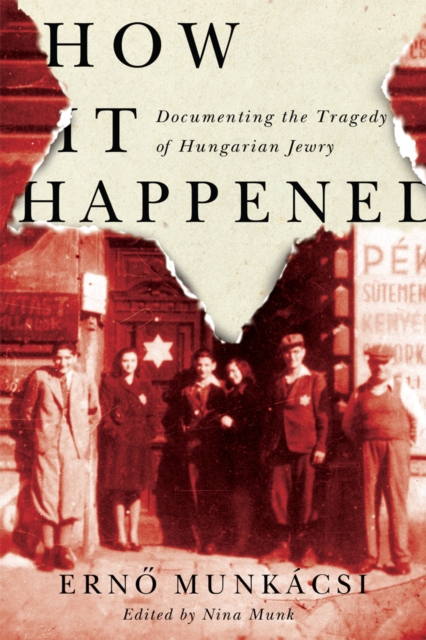
A gripping first-hand account of the devastating "e;last chapter"e; of the Holocaust, written by a privileged eyewitness, the secretary of the Hungarian Judenrat, and a member of Budapest's Jewish elite, How It Happened is a unique testament to the senseless brutality that, in a matter of months, decimated what was Europe's largest and last-surviving Jewish community.
Liberal democratic societies with diverse populations generally offer minorities two usually contradictory objectives: the first is equal integration and participation; the second is an opportunity, within limits, to retain their culture.
Liberal democratic societies with diverse populations generally offer minorities two usually contradictory objectives: the first is equal integration and participation; the second is an opportunity, within limits, to retain their culture.
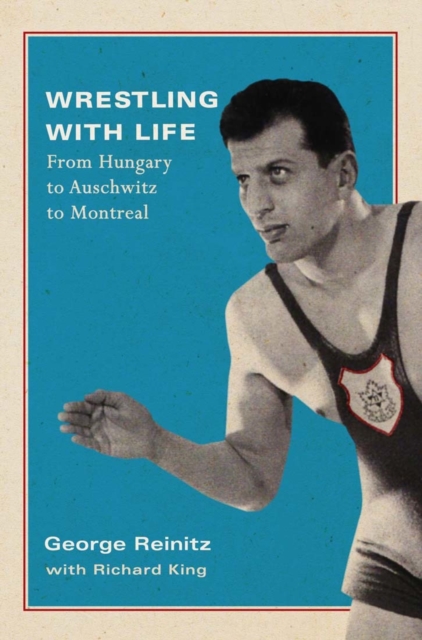
George Reinitz was twelve years old when he and his family were taken from Szikszo, Hungary, and deported to Auschwitz, where many of his family members were killed.
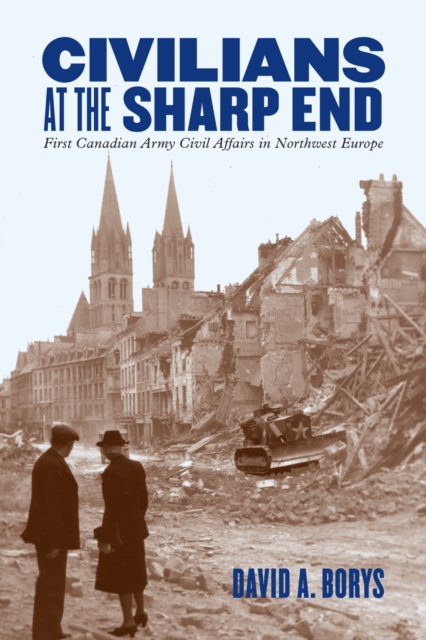
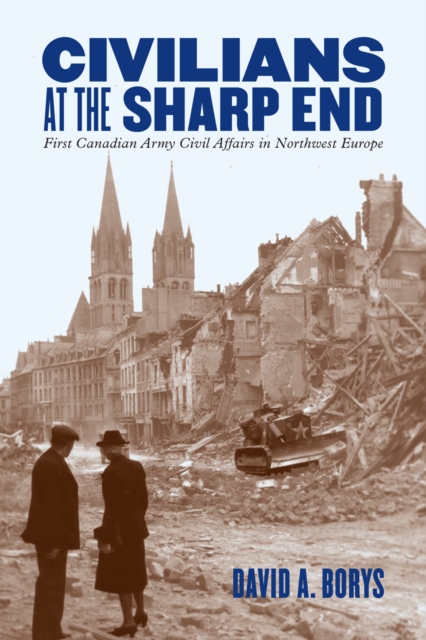
Mitigating the destruction and chaos wrought upon the civilian populations of northwest Europe during the latter years of the Second World War became the focus of Civil Affairs, a little-known branch of the First Canadian Army.
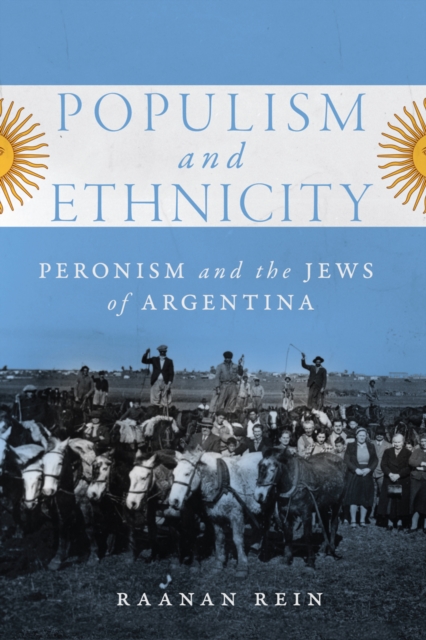
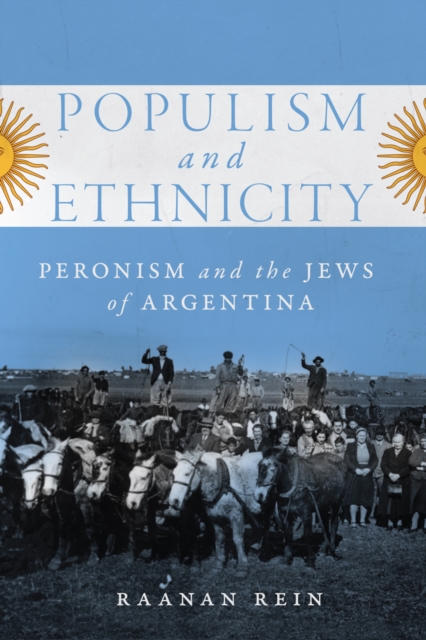
Juan Peron's decade-long regime, from 1946 to 1955, is often presented as Nazi-fascist and antisemitic - claims that are strongly rooted in Argentina's collective unconscious and popular culture.
Juan Peron's decade-long regime, from 1946 to 1955, is often presented as Nazi-fascist and antisemitic - claims that are strongly rooted in Argentina's collective unconscious and popular culture.
Mitigating the destruction and chaos wrought upon the civilian populations of northwest Europe during the latter years of the Second World War became the focus of Civil Affairs, a little-known branch of the First Canadian Army.
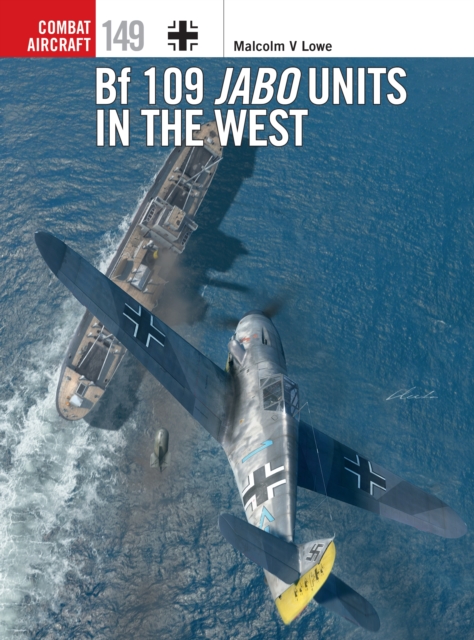
Using specially commissioned artwork and detailing technical specifications, this book explores the Bf 109's different roles occasioned by wartime necessity, from its employment as a fighter to its evolution as a fighter-bomber.
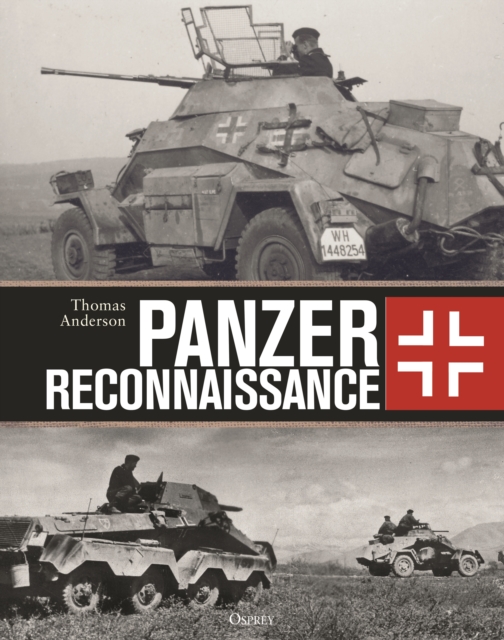
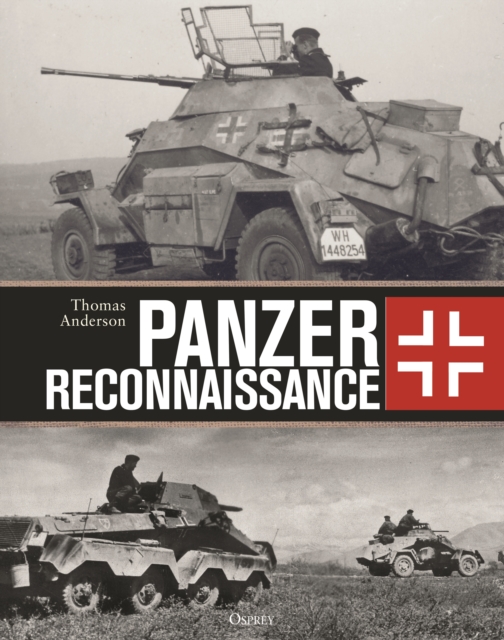
Using first-hand accounts and rare and unpublished images, this highly illustrated title tells the full story of the German reconnaissance troops in World War II.
Using first-hand accounts and rare and unpublished images, this highly illustrated title tells the full story of the German reconnaissance troops in World War II.
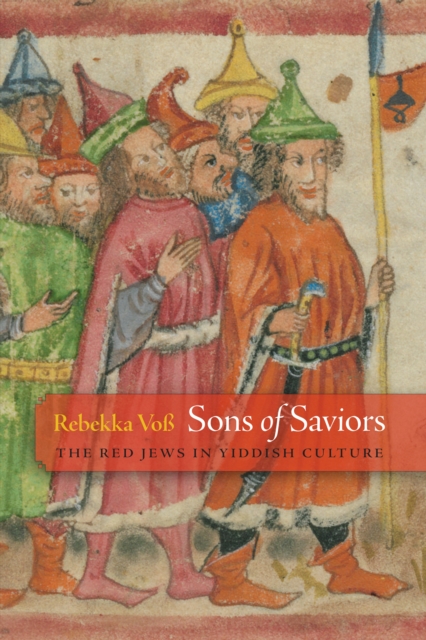
Envisioned as a tribe of ruddy-faced, redheaded, red-bearded Jewish warriors, bedecked in red attire who purportedly resided in isolation at the fringes of the known world, the Red Jews are a legendary people who populated a shared Jewish-Christian imagination.
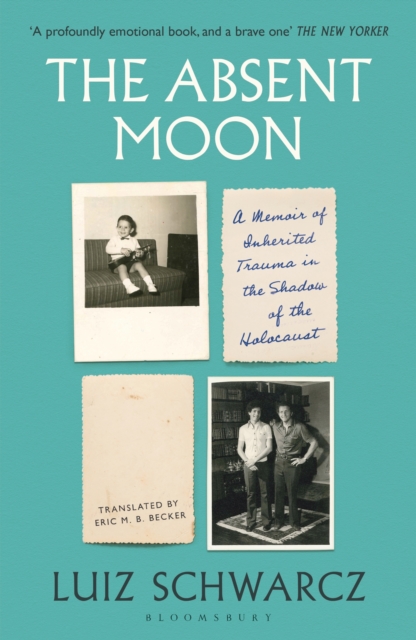
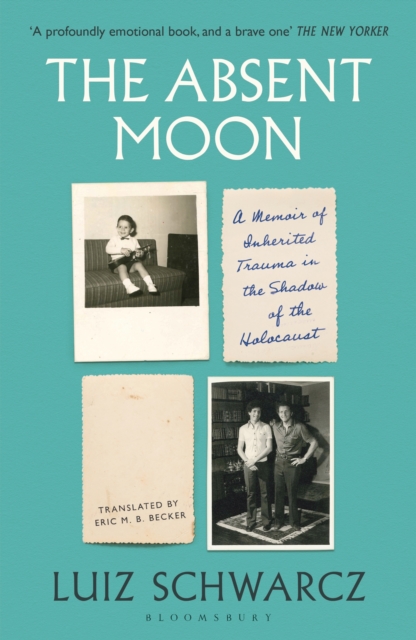
'A beautiful work that is in turn haunting, touching and redemptive' SIMON SEBAG MONTEFIORE'A profoundly emotional book, and a brave one' THE NEW YORKER'Generous in spirit, devoid of self-pity, and an authentic literary achievement' ANDREW SOLOMON ------When Luiz Schwarcz was a child, he was told little about his grandfather L ios, a Hungarian Jew.
'A beautiful work that is in turn haunting, touching and redemptive' SIMON SEBAG MONTEFIORE'A profoundly emotional book, and a brave one' THE NEW YORKER'Generous in spirit, devoid of self-pity, and an authentic literary achievement' ANDREW SOLOMON ------When Luiz Schwarcz was a child, he was told little about his grandfather L ios, a Hungarian Jew.
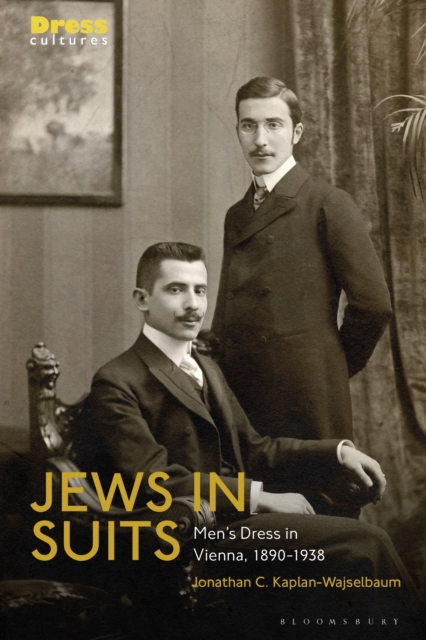
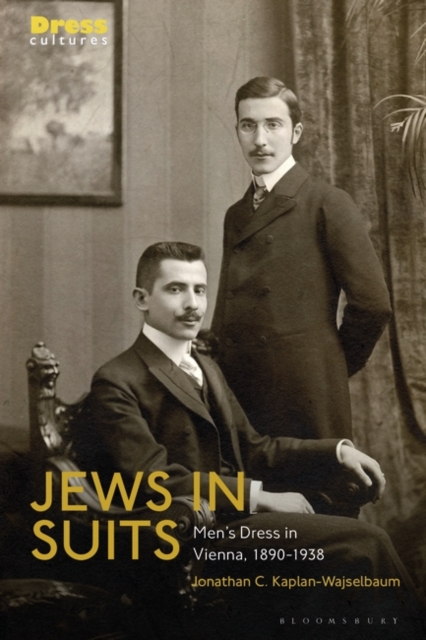
Shortlisted for the Leslie and Sophie Caplan Award for Jewish Non-FictionSurviving photographs of Jewish Viennese men during the fin-de-si cle and interwar periods both the renowned cultural luminaries and their many anonymous coreligionists all share a striking sartorial detail: the tailored suit.
Shortlisted for the Leslie and Sophie Caplan Award for Jewish Non-FictionSurviving photographs of Jewish Viennese men during the fin-de-si cle and interwar periods both the renowned cultural luminaries and their many anonymous coreligionists all share a striking sartorial detail: the tailored suit.