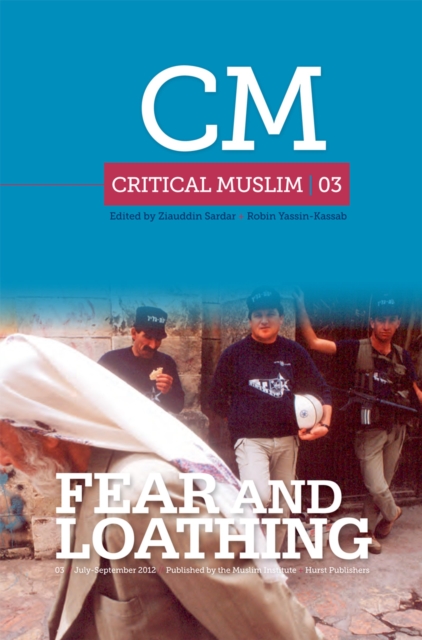
When a suicide terrorist strikes in Israel, the usual contingent of first responders that one might see anywhere in the world -- police, medics, firefighters -- are accompanied by another group, one found only in Israel.
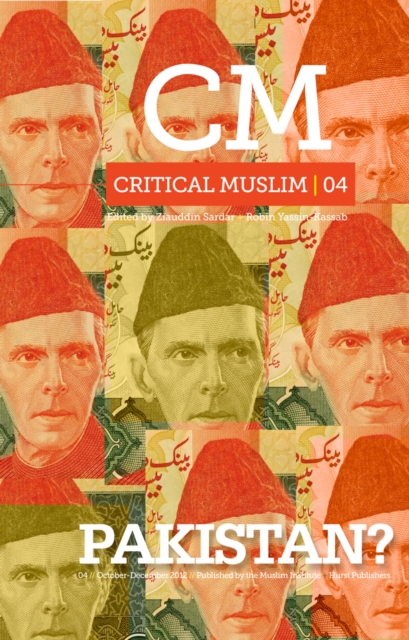
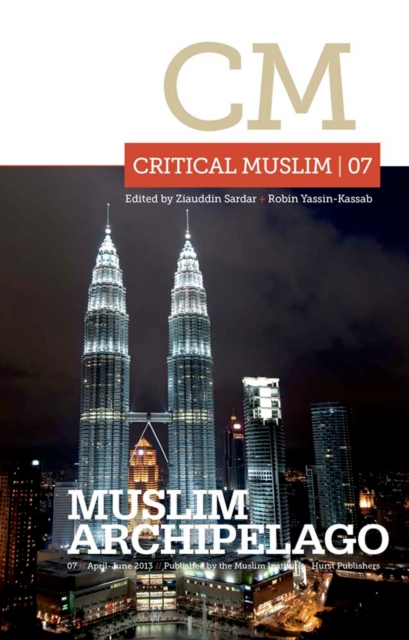
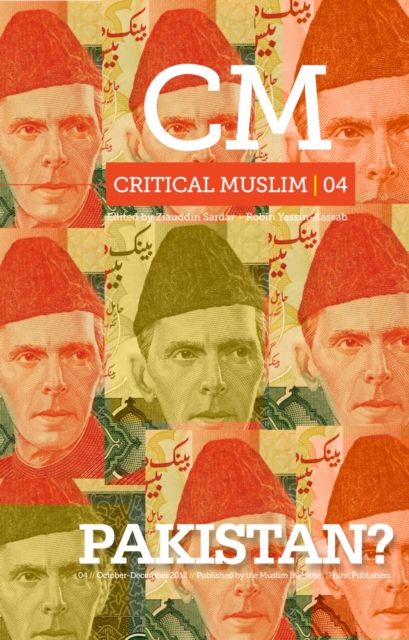
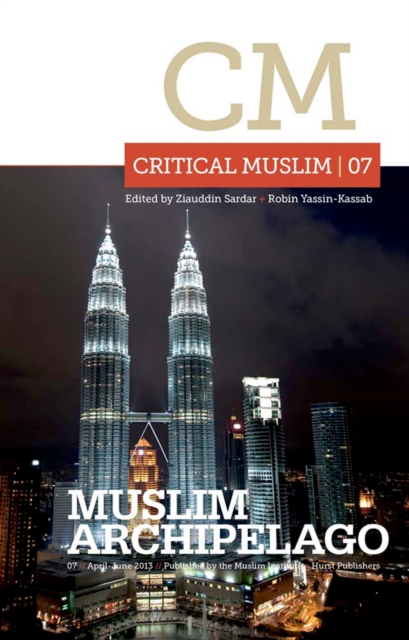
Ziauddin Sardar questions the question mark that is always placed in front of Pakistan, Robin Yassin-Kassab asks why Pakistan has not imploded, Taimur Khan breaks bread with the gangsters and bookies of Karachi, Muhammad Idrees Ahmad revisits Peshawar, Mahvish Ahmad tracks down the separatist in Quetta, Ehsan Masood watches Pakistani television, Merryl Wyn Davies deconstructs 'imaginariums' of Pakistan, Aamer Hussein discusses Pakistani modern classic fiction, Bina Shah asks if there is boom in Pakistani literature, Bilal Tanweer listens to 'Coke Studio', Muneeza Shamsie discovers the literary secrets of her family, Taymiya R.
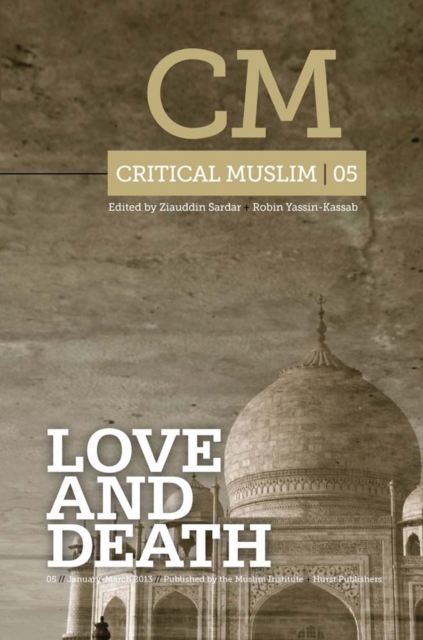
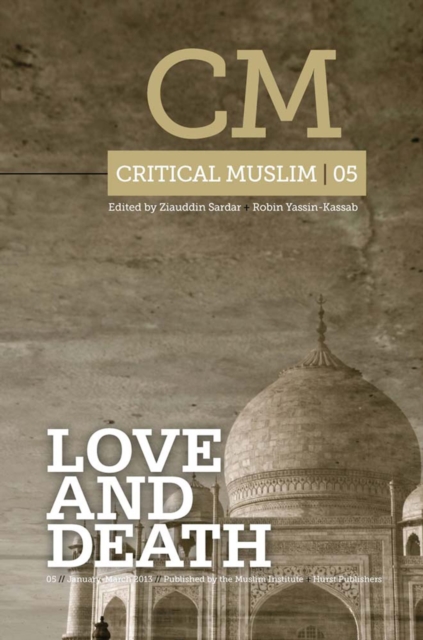
Aamer Hussein takes love to its logical conclusion, Robert Irwin traces the origins of the ghazal (love lyric), Christopher Shackle recites epic Panjabi poems of sacred love and lyrical death, Imranali Panjwani mourns the massacre of Karbala, Martin Rose istaken hostage by Saddam Hussein, Jalees Rahman reflects on Nazi doctors who took delight in deathly experiments, Ramin Jahanbegloo is incarcerated in the notorious Evin prison, Hamza Elahi visits England's Muslim graveyards, Shanon Shah receives valuable guidance on love and sex from the "e;Obedient Wives Club"e;, Samia Rahman sets out in search of love, Khola Hasan has mixed feelings about her hijab, Sabita Manian promotes love between India and Pakistan, Boyd Tonkin discovers that dead outrank the living in Jerusalem , Alev Adil takes "e;a night journey through a veiled self"e; and Irna Qureshi's mother finally makes a decision on her final resting place.
Aamer Hussein takes love to its logical conclusion, Robert Irwin traces the origins of the ghazal (love lyric), Christopher Shackle recites epic Panjabi poems of sacred love and lyrical death, Imranali Panjwani mourns the massacre of Karbala, Martin Rose istaken hostage by Saddam Hussein, Jalees Rahman reflects on Nazi doctors who took delight in deathly experiments, Ramin Jahanbegloo is incarcerated in the notorious Evin prison, Hamza Elahi visits England's Muslim graveyards, Shanon Shah receives valuable guidance on love and sex from the "e;Obedient Wives Club"e;, Samia Rahman sets out in search of love, Khola Hasan has mixed feelings about her hijab, Sabita Manian promotes love between India and Pakistan, Boyd Tonkin discovers that dead outrank the living in Jerusalem , Alev Adil takes "e;a night journey through a veiled self"e; and Irna Qureshi's mother finally makes a decision on her final resting place.
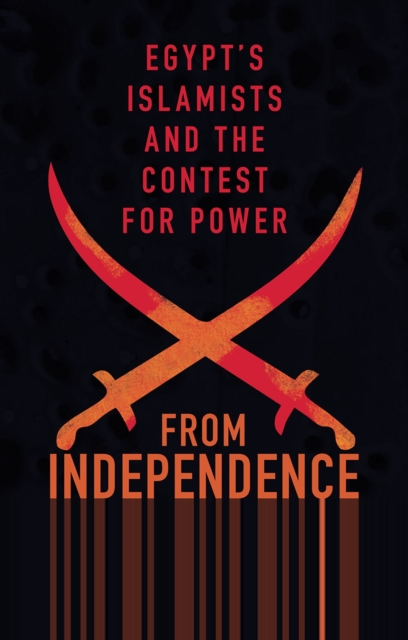
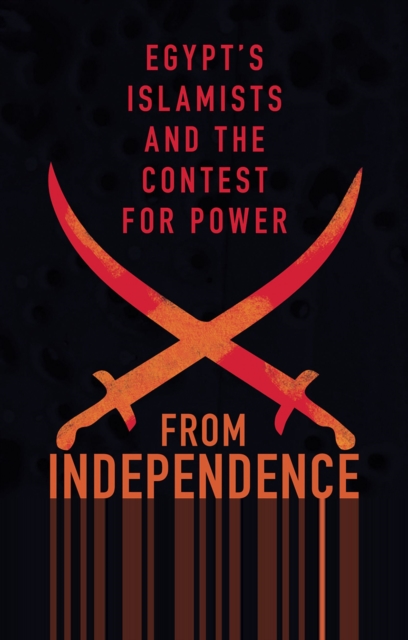
From Independence to Revolution tells the story of the complicated relationship between the Egyptian population and the nation's most prominent political opposition -- the Islamist movement.
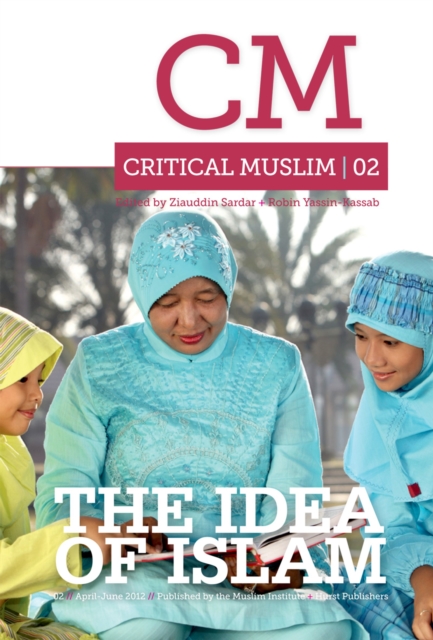
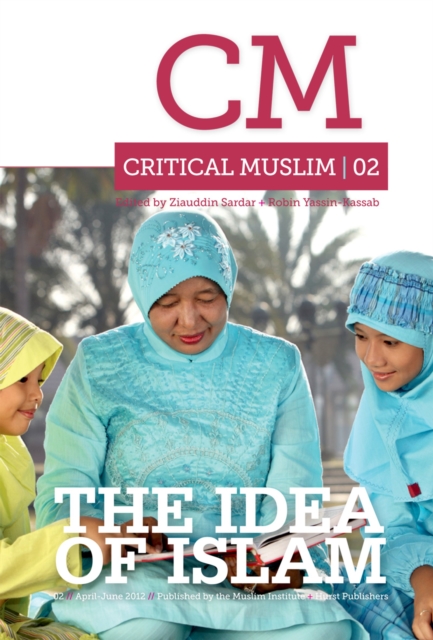
Ziauddin Sardar argues why Islamic reform is necessary, Bruce Lawrence sees Muslim cosmopolitanism as the future, Parvez Manzoor declares jihad on the idea of 'the political', Samia Rahman gets to the root of Muslim misogyny, Michael Muhammad Knight explains his taqwacore beliefs, Soha al-Jurf has problems with orthodoxy, Carool Kersten suggests that critical thinkers and reformers are often seen as heretics, and Ben Gidley on what keeps Muslims and Jews apart and what can bring them together.
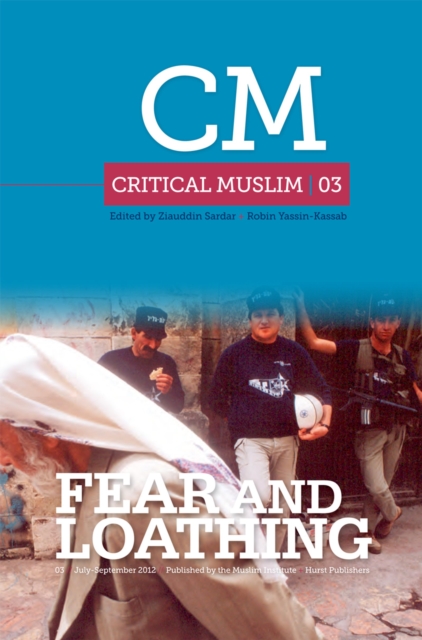
AbdelWahab El-Affendi on Islamophobia and Orientalism in the age of liberal paranoia, Arun Kundnani on English Defense League and the rise of the far right in Europe, Vinay Lal on Hindus who love Hitler, Gordon Steffey on Christian fundamentalism, Fanar Haddad on the sectarian schisms in the Arab world, Gary McFarlane on Tottenham Riots, Farouk Peru on self loathing Muslims, Claire Chambers on 'Four Lions', Peter Clark on Bernard Lewis and Peter Moray on Irshad Manji.
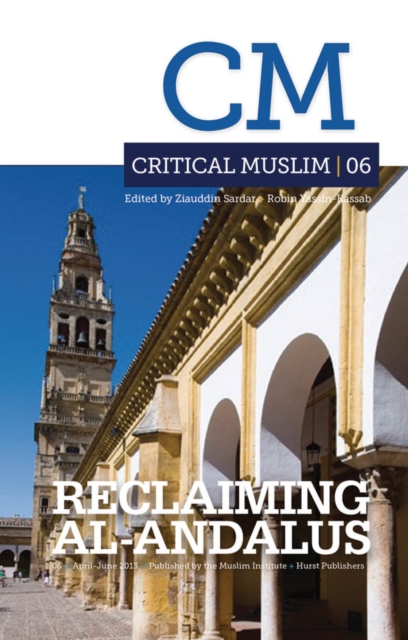
Ziauddin Sardar sides with the philosophers of al-Andalus in their struggle with orthodox theologians, Robin Yassin-Kassab goes on a poetic journey, Nazry Bahrawi reveals how the Andalusi philosophers tamed the secular, Gema Martin Munoz is dismayed by the works of the Spanish Orientalists, Emilio Gonzalez-Ferrin argues that al-Andalus is not just a time past also a time present, Matthew Carr explores the plight of Muslims who were forced to convert to Christianity, David Shasha describes the achievements of Sephardic Jews, Cherif Abderrahman Jah tunes into the musical legacy of al-Andalus, Brad Bullock seeks to empower women, Marvine Howe meets the new Muslims of Iberia, Jordi Sarra del Pino wows to resist Spain s new Reconquista, Alev Adil and Aamer Hussein receive nine postcards from Andalusia, Boyd Tonkin is captivated by a book festival in Granada, Zara Amjad and Gulzar Haider reimagine the Cordoba Mosque as a sacred space for all religions, and Merryl Wyn Davies gets the shivers while listening to the Spanish tenor Jose Carreras belting out Granada .
AbdelWahab El-Affendi on Islamophobia and Orientalism in the age of liberal paranoia, Arun Kundnani on English Defense League and the rise of the far right in Europe, Vinay Lal on Hindus who love Hitler, Gordon Steffey on Christian fundamentalism, Fanar Haddad on the sectarian schisms in the Arab world, Gary McFarlane on Tottenham Riots, Farouk Peru on self loathing Muslims, Claire Chambers on 'Four Lions', Peter Clark on Bernard Lewis and Peter Moray on Irshad Manji.
Ziauddin Sardar questions the question mark that is always placed in front of Pakistan, Robin Yassin-Kassab asks why Pakistan has not imploded, Taimur Khan breaks bread with the gangsters and bookies of Karachi, Muhammad Idrees Ahmad revisits Peshawar, Mahvish Ahmad tracks down the separatist in Quetta, Ehsan Masood watches Pakistani television, Merryl Wyn Davies deconstructs 'imaginariums' of Pakistan, Aamer Hussein discusses Pakistani modern classic fiction, Bina Shah asks if there is boom in Pakistani literature, Bilal Tanweer listens to 'Coke Studio', Muneeza Shamsie discovers the literary secrets of her family, Taymiya R.
Ziauddin Sardar argues why Islamic reform is necessary, Bruce Lawrence sees Muslim cosmopolitanism as the future, Parvez Manzoor declares jihad on the idea of 'the political', Samia Rahman gets to the root of Muslim misogyny, Michael Muhammad Knight explains his taqwacore beliefs, Soha al-Jurf has problems with orthodoxy, Carool Kersten suggests that critical thinkers and reformers are often seen as heretics, and Ben Gidley on what keeps Muslims and Jews apart and what can bring them together.
From Independence to Revolution tells the story of the complicated relationship between the Egyptian population and the nation's most prominent political opposition -- the Islamist movement.
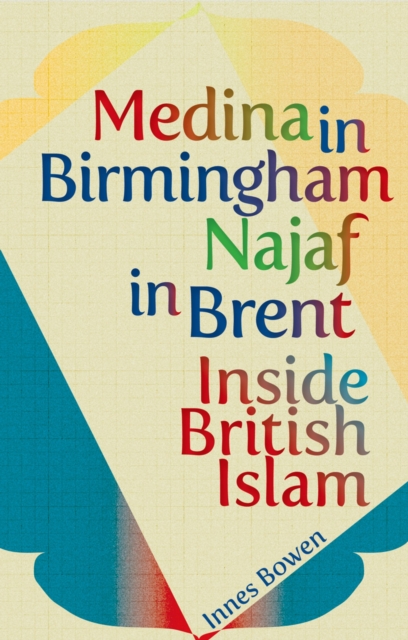
Muslim intellectuals may try to define something called British Islam, but the truth is that as the Muslim community of Britain has grown in size and religiosity, so too has the opportunity to found and run mosques which divide along ethnic and sectarian lines.
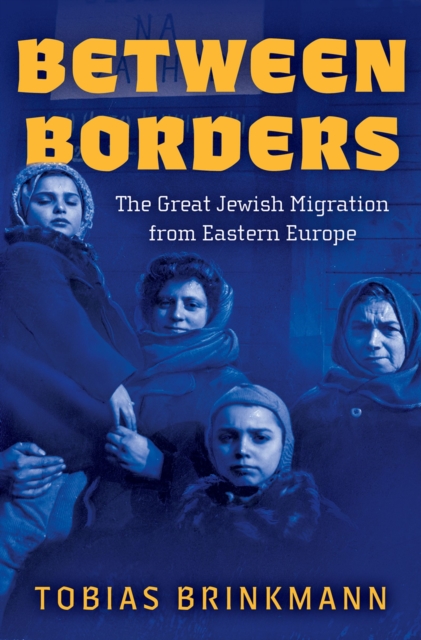
Between the 1860s and the early 1920s, more than two million Jews moved from Eastern Europe to the United States while smaller groups moved to other destinations, such as Western Europe, Palestine, and South Africa.
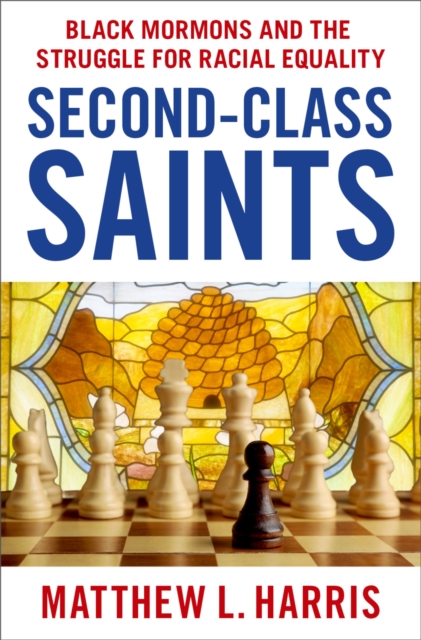
An in-depth account--grounded in new archival discoveries--of the most consequential development in Mormon history since the end of polygamyOn June 9, 1978, the phones at the headquarters of the Church of Jesus Christ of Latter-day Saints (LDS) were ringing nonstop.
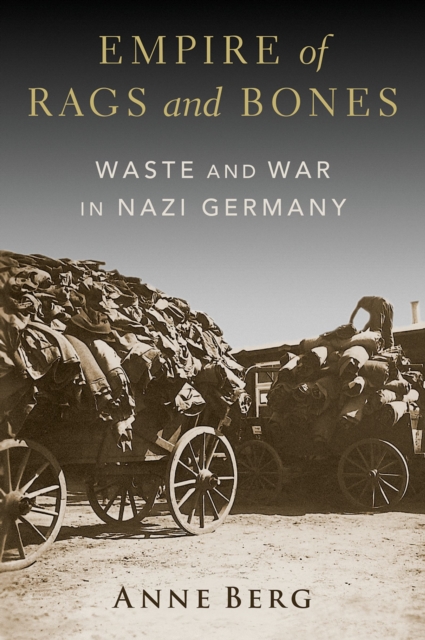
Paper, bottles, metal scrap, kitchen garbage, rubber, hair, fat, rags, and bones--the Nazi empire demanded its population obsessively collect anything that could be reused or recycled.
Gentile Food Bans: Halakhah and the Fear of Intermarriage challenges long-standing rabbinic and scholarly assumptions about the origins of dietary restrictions in Jewish law.
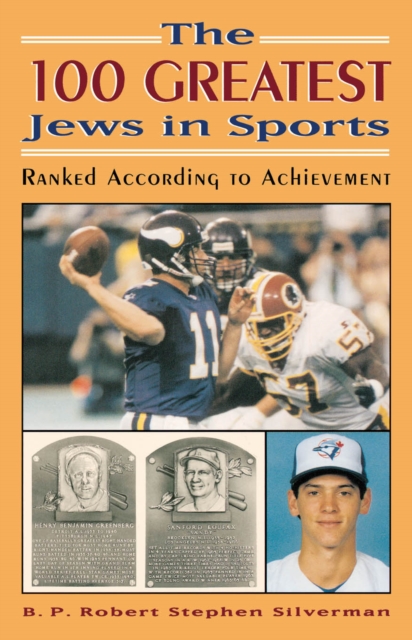
The 100 Greatest Jews in Sports takes the greatest Jewish athletes in all major sports from the past eleven decades and ranks them against each other, using a limited scope and quantitative criteria.
Gentile Food Bans: Halakhah and the Fear of Intermarriage challenges long-standing rabbinic and scholarly assumptions about the origins of dietary restrictions in Jewish law.
The 100 Greatest Jews in Sports takes the greatest Jewish athletes in all major sports from the past eleven decades and ranks them against each other, using a limited scope and quantitative criteria.
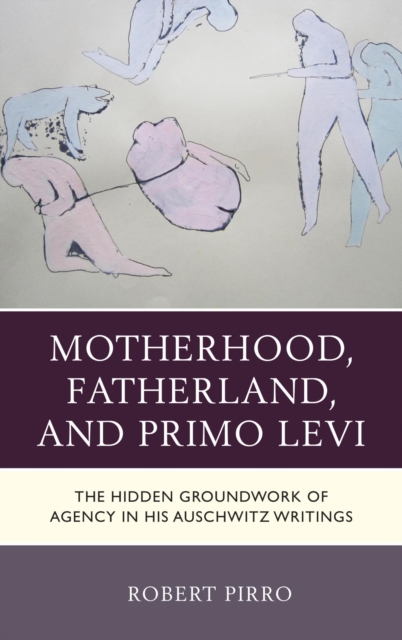
Motherhood, Fatherland and Primo Levi: The Hidden Groundwork of Agency in his Auschwitz Writings offers major new insights into the political dimensions of Levi's thought by using those texts conventionally thought to be marginal to his oeuvre (i.
Motherhood, Fatherland and Primo Levi: The Hidden Groundwork of Agency in his Auschwitz Writings offers major new insights into the political dimensions of Levi's thought by using those texts conventionally thought to be marginal to his oeuvre (i.
This book explores the profound legacy of Chitta Ranjan Das (1923–2011), a pioneering Indian thinker, educator, and writer who left an indelible mark on philosophy, literature, and education.
This book explores the profound legacy of Chitta Ranjan Das (1923–2011), a pioneering Indian thinker, educator, and writer who left an indelible mark on philosophy, literature, and education.
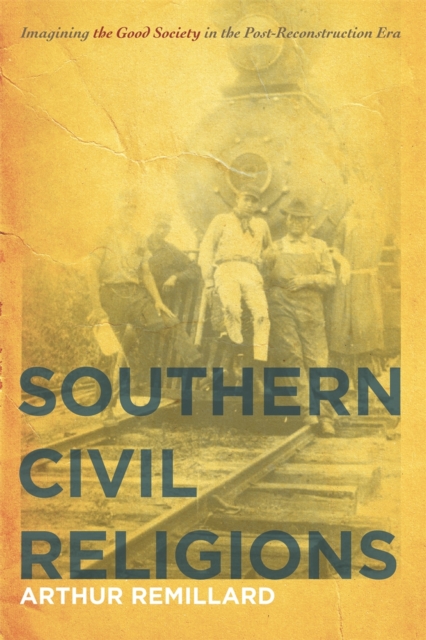
In the aftermath of the Civil War, the Lost Cause gave white southerners a new collective identity anchored in the stories, symbols, and rituals of the defeated Confederacy.