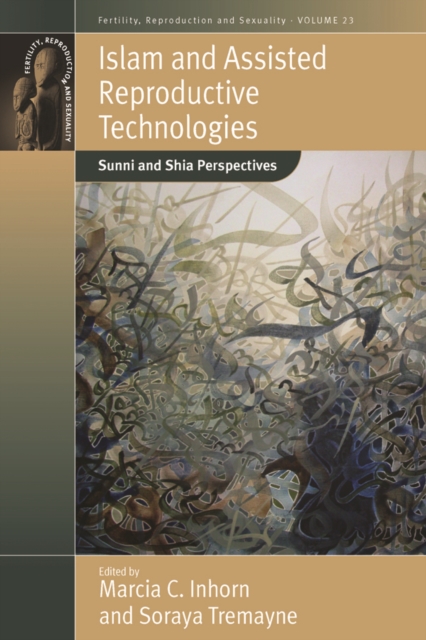
How and to what extent have Islamic legal scholars and Middle Eastern lawmakers, as well as Middle Eastern Muslim physicians and patients, grappled with the complex bioethical, legal, and social issues that are raised in the process of attempting to conceive life in the face of infertility?
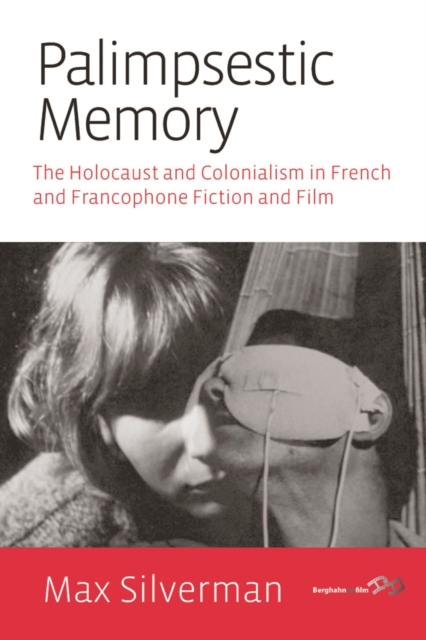
The interconnections between histories and memories of the Holocaust, colonialism and extreme violence in post-war French and Francophone fiction and film provide the central focus of this book.
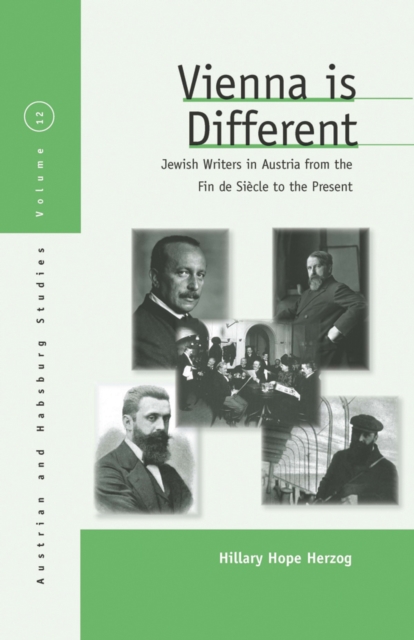
Assessing the impact of fin-de-siecle Jewish culture on subsequent developments in literature and culture, this book is the first to consider the historical trajectory of Austrian-Jewish writing across the 20th century.
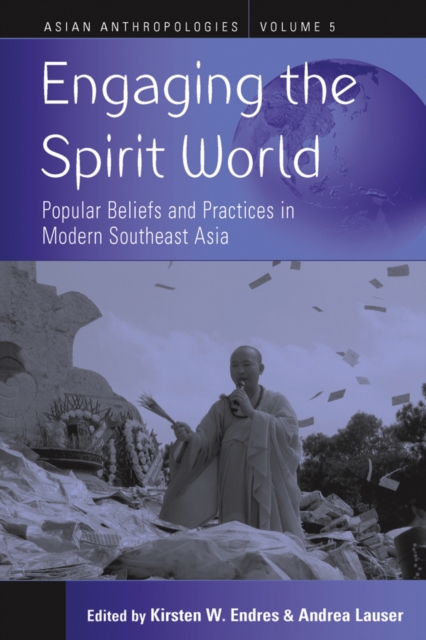
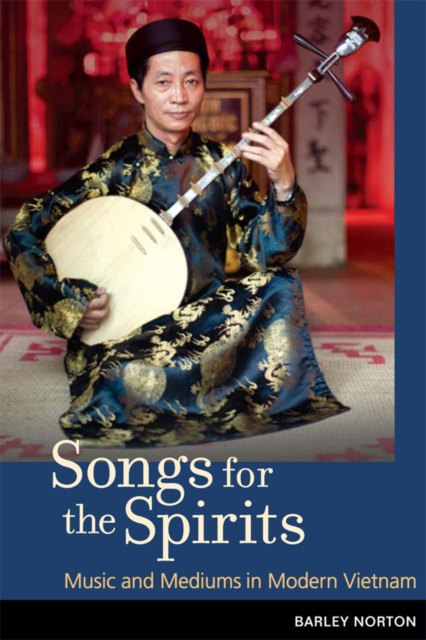
In many parts of the contemporary world, spirit beliefs and practices have taken on a pivotal role in addressing the discontinuities and uncertainties of modern life.
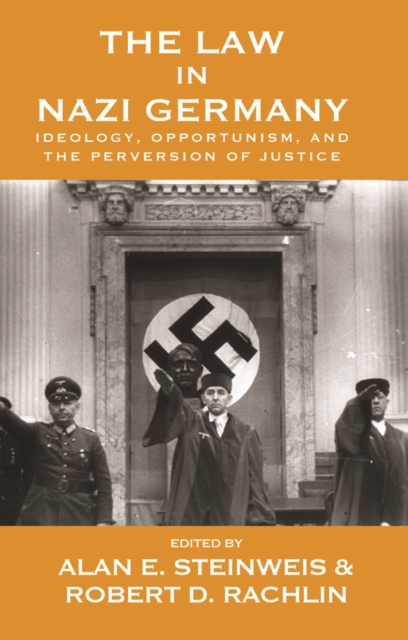
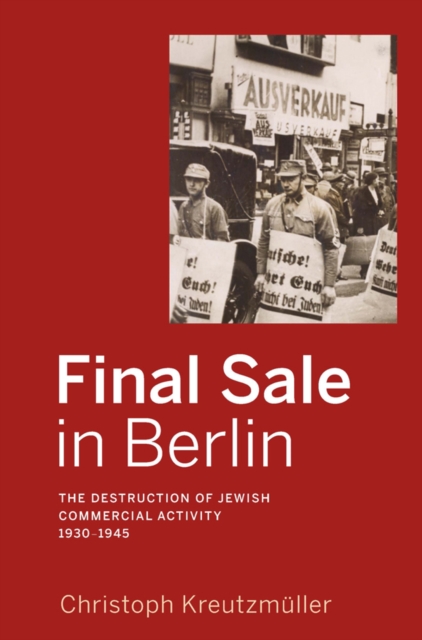
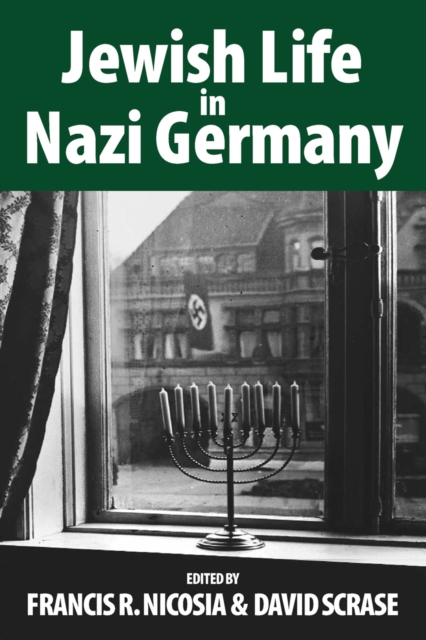
While we often tend to think of the Third Reich as a zone of lawlessness, the Nazi dictatorship and its policies of persecution rested on a legal foundation set in place and maintained by judges, lawyers, and civil servants trained in the law.
Designed in 1942, Britain's innovative Projector, Infantry, Anti-Tank (PIAT) provided British and Commonwealth troops with a much-needed means of taking on Germany's formidable Panzers.
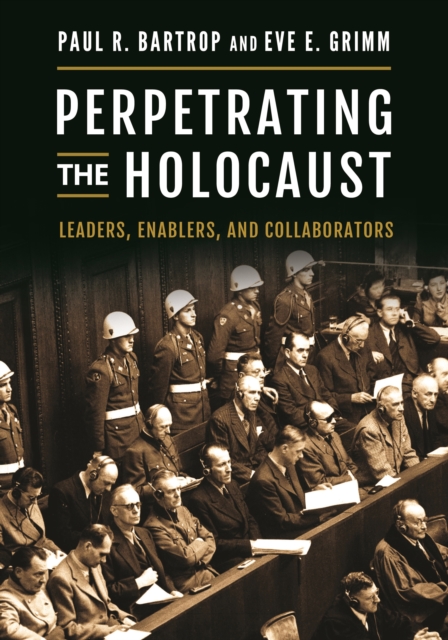
Weaving together a number of disparate themes relating to Holocaust perpetrators, this book shows how Nazi Germany propelled a vast number of Europeans to try to re-engineer the population base of the continent through mass murder.
The war in the Middle East is marked by a lack of cultural knowledge on the part of the western forces, and this book deals with another, widely ignored element of Islam the role of dreams in everyday life.
Advances in genetics are renewing controversies over inherited characteristics, and the discourse around science and technological innovations has taken on racial overtones, such as attributing inherited physiological traits to certain ethnic groups or using DNA testing to determine biological links with ethnic ancestry.
Innovation-making is a classic theme in anthropology that reveals how people fine-tune their ontologies, live in the world and conceive of it as they do.
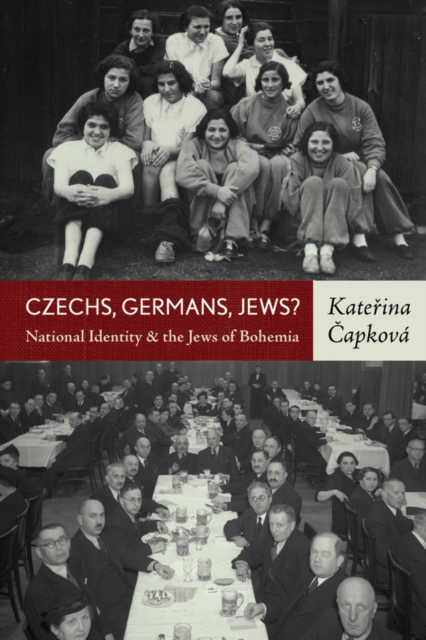
The phenomenon of national identities, always a key issue in the modern history of Bohemian Jewry, was particularly complex because of the marginal differences that existed between the available choices.
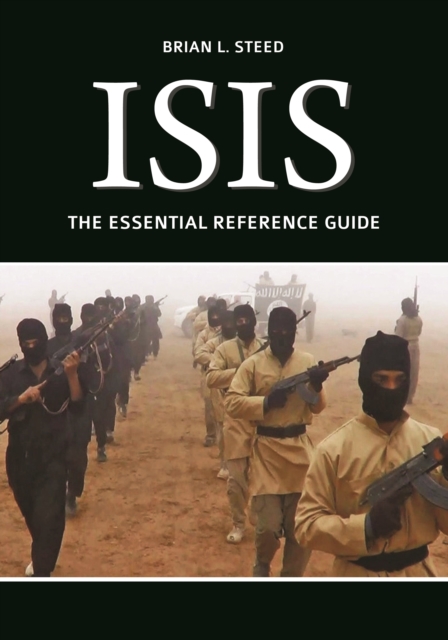
This illuminating work offers readers a comprehensive overview of ISIS, with more than 100 in-depth articles on a variety of topics related to the notorious terrorist group, and more than a dozen key primary source documents.
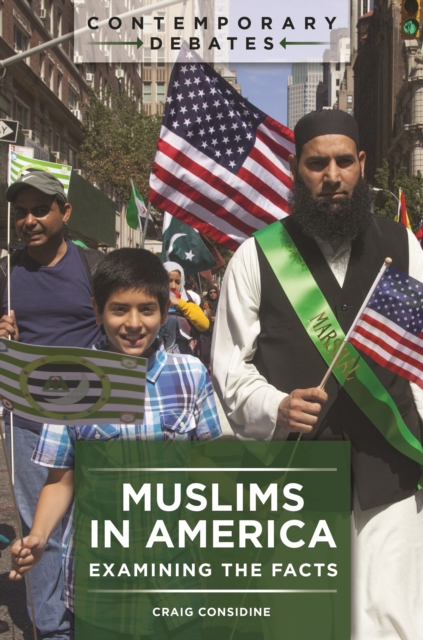
This installment in the critically acclaimed Contemporary Debates series uses evidence-based documentation to provide a full and impartial examination of beliefs and claims made about Muslim individuals, families, and communities in the United States.
Imagining the End provides students and general readers with contextualized examples of how the apocalypse has been imagined across all mediums of American popular culture.
Of the countless stories of resistance, ingenuity, and personal risk to emerge in the years following the Holocaust, among the most remarkable, yet largely overlooked, are those of the hundreds of Jewish deportees who escaped from moving trains bound for the extermination camps.
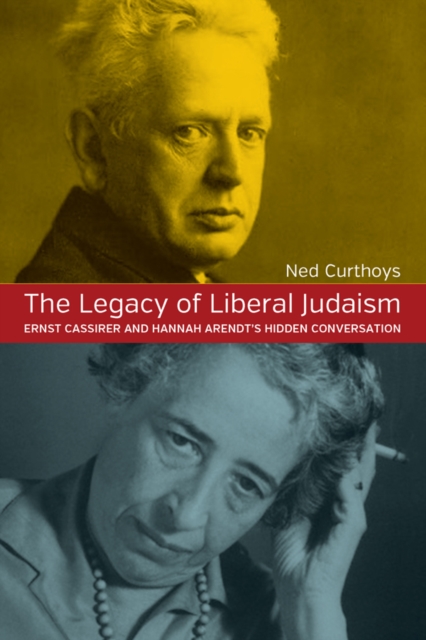
Comparing the liberal Jewish ethics of the German-Jewish philosophers Ernst Cassirer and Hannah Arendt, this book argues that both espoused a diasporic, worldly conception of Jewish identity that was anchored in a pluralist and politically engaged interpretation of Jewish history and an abiding interest in the complex lived reality of modern Jews.
Talking about the Holocaust has provided an international language for ethics, victimization, political claims, and constructions of collective identity.
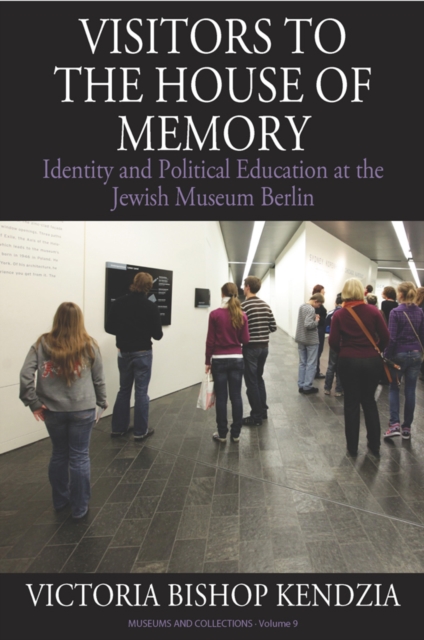
As one of the most visited museums in Germany s capital city, the Jewish Museum Berlin is a key site for understanding not only German-Jewish history, but also German identity in an era of unprecedented ethnic and religious diversity.
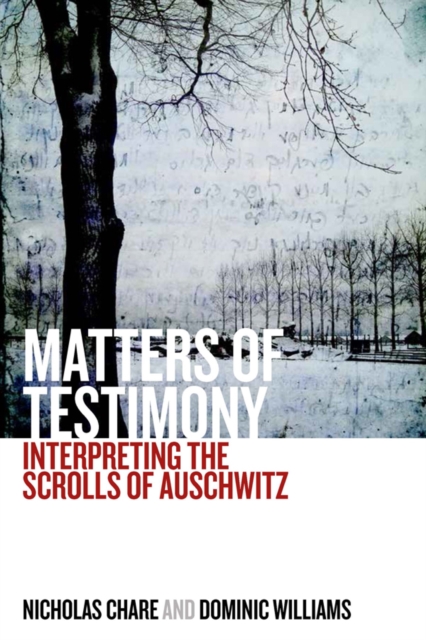
In 1944, members of the Sonderkommando the special squads, composed almost exclusively of Jewish prisoners, who ensured the smooth operation of the gas chambers and had firsthand knowledge of the extermination process buried on the grounds of Auschwitz-Birkenau a series of remarkable eyewitness accounts of Nazi genocide.
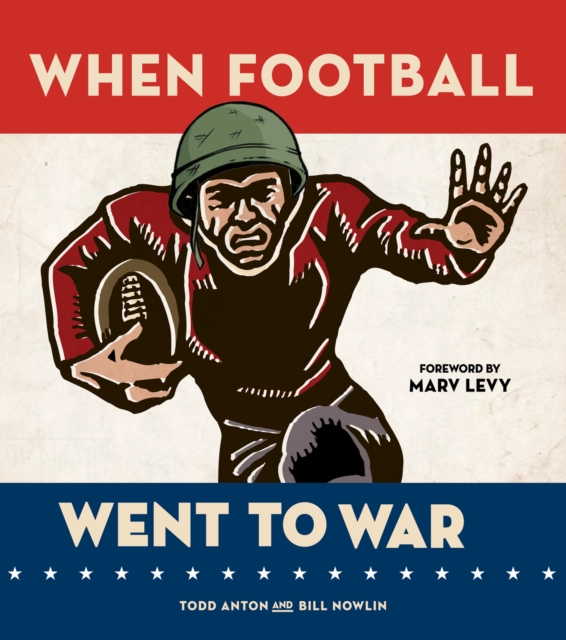
More than any other sport, professional football contributed fighting men to the battles of World War II, and the 22 or so players or former players that lost their lives are among the riveting stories told in this tribute to football's war heroes that spans many decades and military conflicts.
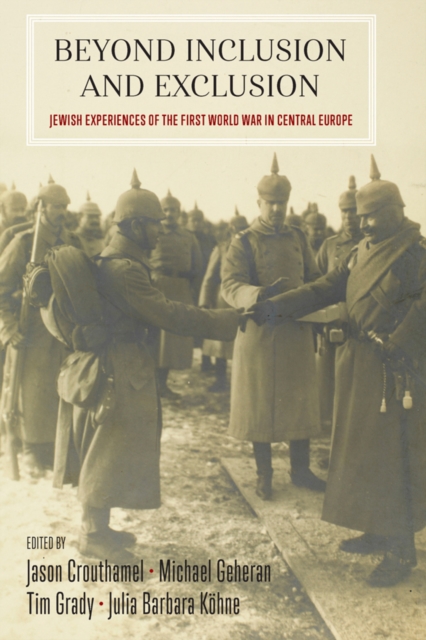
During the First World War, the Jewish population of Central Europe was politically, socially, and experientially diverse, to an extent that resists containment within a simple historical narrative.
After centuries of persecution, oppression, forced migrations, and exclusion in the name of Christ, the development of a Jewish Quest for the Historical Jesus might seem unexpected.
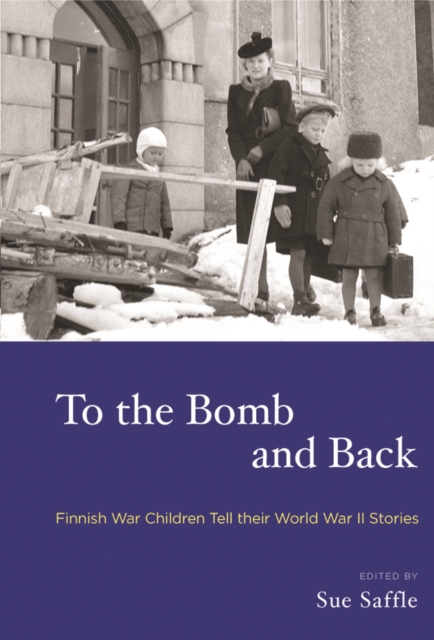
Between 1939 and 1945, some 80,000 Finnish children were sent to Sweden, Denmark, and elsewhere, ostensibly to protect them from danger while their nation s soldiers fought superior Soviet and German forces.
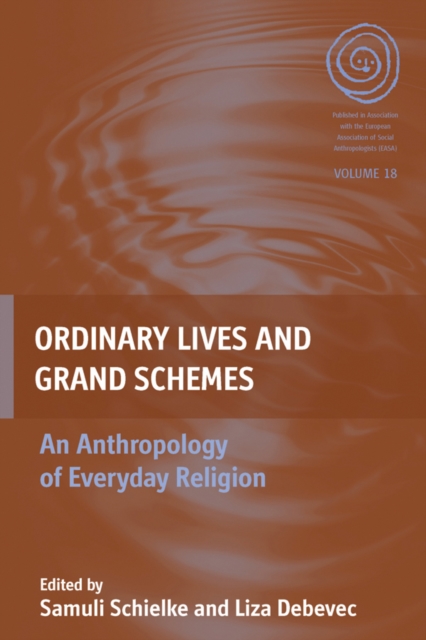
Notions of magic and healing have been changing over past years and are now understood as reflecting local ideas of power and agency, as well as structures of self, subjectivity and affect.
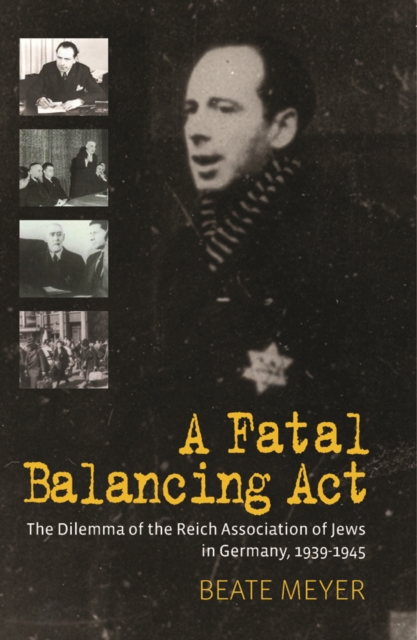
German Jews faced harsh dilemmas in their responses to Nazi persecution, partly a result of Nazi cruelty and brutality but also a result of an understanding of their history and rightful place in Germany.
Commentary on memorials to the Holocaust has been plagued with a sense of monument fatigue , a feeling that landscape settings and national spaces provide little opportunity for meaningful engagement between present visitors and past victims.
For nearly a century, it has been a commonplace of Central European history that there were no Jews in medieval Prussia the result, supposedly, of the ruling Teutonic Order s attempts to create a purely Christian crusader s state.
Modern military history, inspired by social and cultural historical approaches, increasingly puts the national histories of the Second World War to the test.
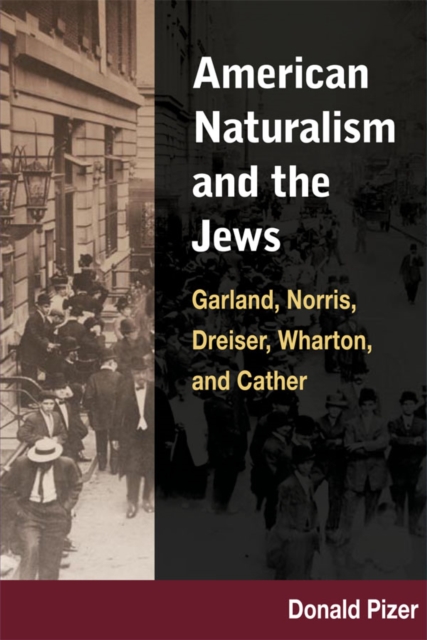
American Naturalism and the Jews examines the unabashed anti-Semitism of five notable American naturalist novelists otherwise known for their progressive social values.
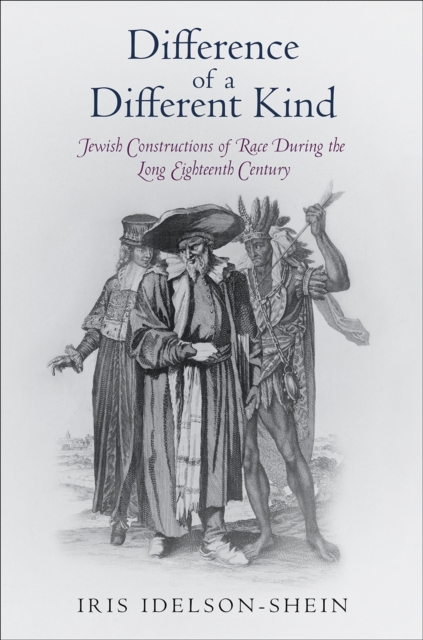
European Jews, argues Iris Idelson-Shein, occupied a particular place in the development of modern racial discourse during the late seventeenth and early eighteenth centuries.
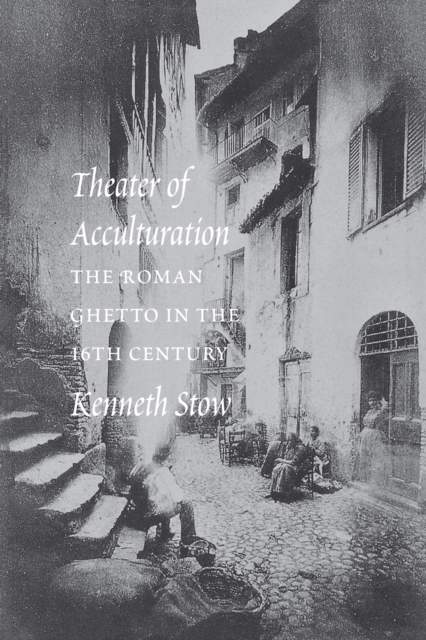
Generations of tourists visiting Rome have ventured into the small section between the Tiber River and the Capitoline Hill whose narrow, dark streets lead to the charming Fountain of the Tortoises, the brooding mass of the Palazzo Cenci, and some of the best restaurants in the city.
At the beginning of the eighteenth century most European Jews lived in restricted settlements and urban ghettos, isolated from the surrounding dominant Christian cultures not only by law but also by language, custom, and dress.
For generations of German-speaking Jews, the works of Goethe and Schiller epitomized the world of European high culture, a realm that Jews actively participated in as both readers and consumers.