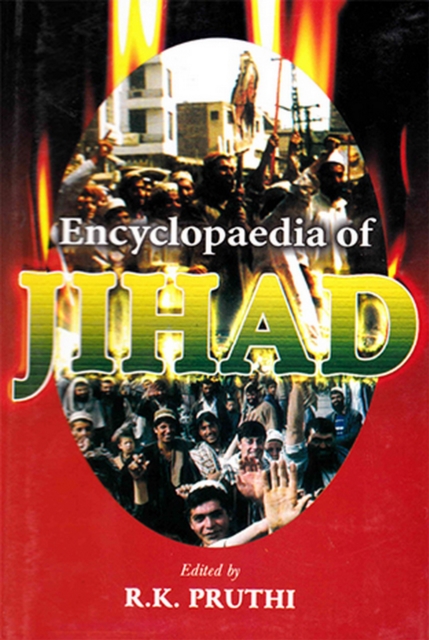
Attacks on the World Trade Center in New York and on the Indian Parliament have created serious misunderstanding about the concept of, jihad or holy war.
Combining a historical perspective that traces lines of continuity and change in Arab liberalism, an integrative discussion of cross-sectional themes, and a comparative analysis of the West, Turkey and Iran, this book seeks to enrich our knowledge of liberal thought in the Arab Middle East.
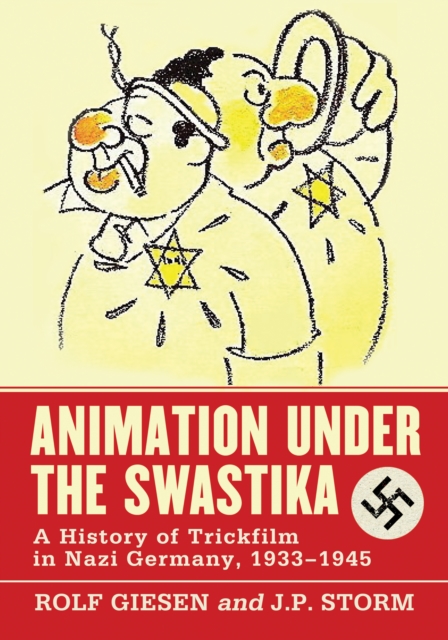
Among their many idiosyncrasies, Adolf Hitler and Joseph Goebbels, the Nazi minister of propaganda, remained serious cartoon aficionados throughout their lives.
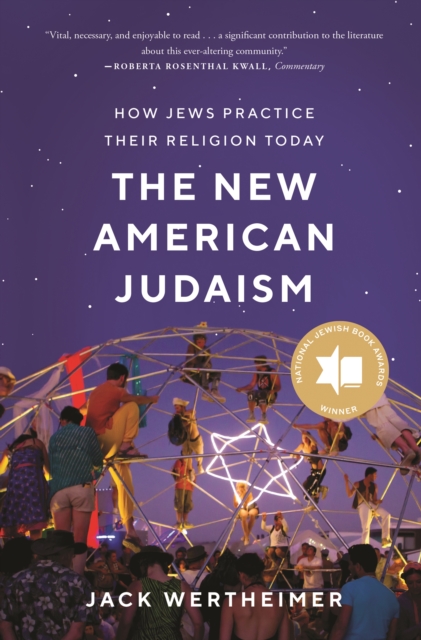
A leading expert provides an engaging firsthand portrait of American Judaism todayAmerican Judaism has been buffeted by massive social upheavals in recent decades.
A remarkable look at an understudied feature of the Iranian justice system, where forgiveness is as much a right of victims as retributionIran's criminal courts are notorious for meting out severe sentencesaccording to Amnesty International, the country has the world's highest rate of capital punishment per capita.
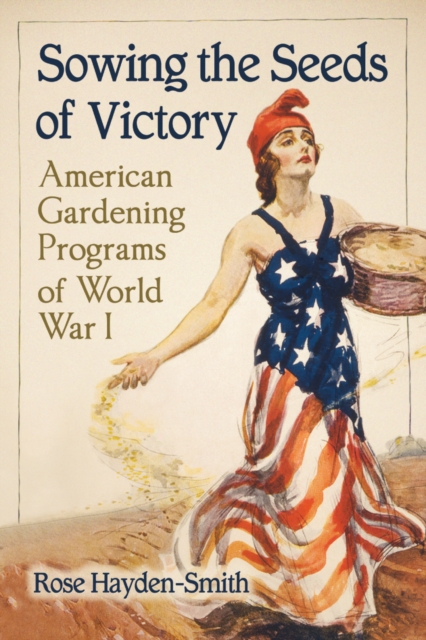
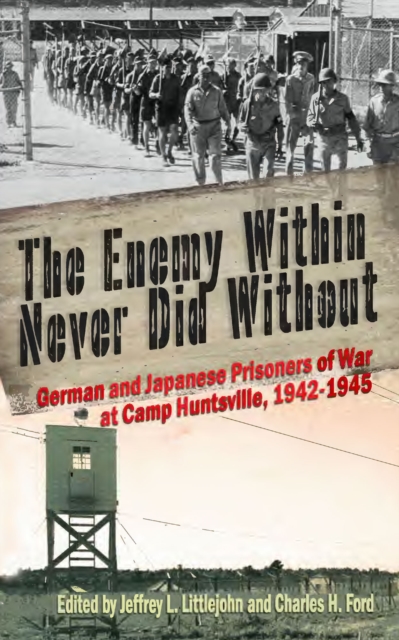
Although World War II began as a war in Europe, many in the United States, foreseeing the inevitable, began to prepare for war, putting no faith in the Neutrality Act.
A major survey of the dramatic changes to American religious life in the decades after World War IIIn this book, Robert Wuthnow gathers a vast amount of information into a narrative that answers numerous questions about the clash of religion and politics in the United States during the postwar era.
This ambitious study presents Baruch Spinoza (1632-1677) as the most outstanding and influential thinker of modernity-and examines the question of whether he was the "e;first secular Jew.
This is an overview of America's first effort in military aid to a foreign sovereign nation at a time when Europe was engaged in open warfare, Asia was facing a series of military confrontations, and most of the world thought global conflagration was inevitable.
It is commonly accepted that the initial Jewish resettlement of the Holy Land in the late nineteenth century laid the foundations of the State of Israel.
During the twelfth and thirteenth centuries, great new trends of Jewish thought emerged whose widely varied representatives--Kabbalists, philosophers, and astrologers--each claimed that their particular understanding revealed the actual secret of the Torah.
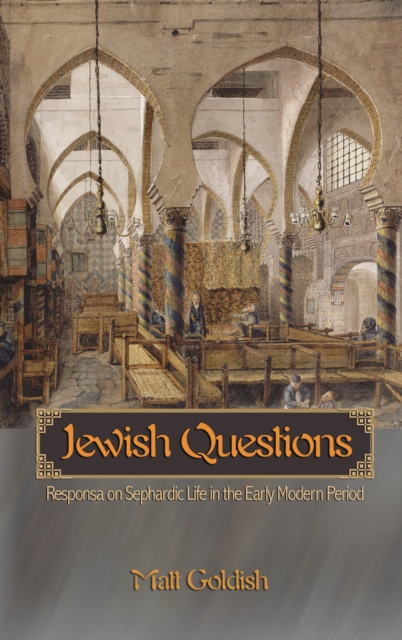
In Jewish Questions, Matt Goldish introduces English readers to the history and culture of the Sephardic dispersion through an exploration of forty-three responsa--questions about Jewish law that Jews asked leading rabbis, and the rabbis' responses.
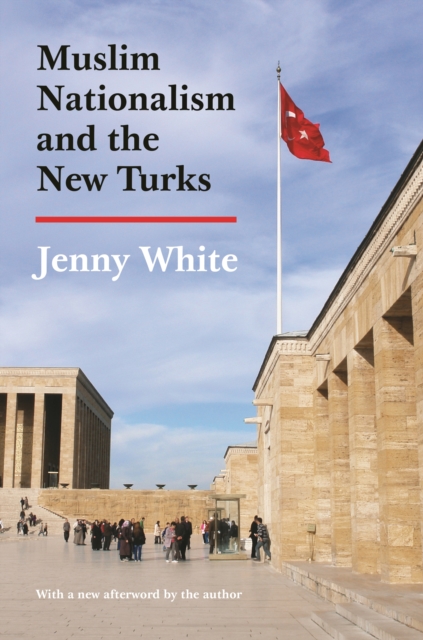
Turkey has leapt to international prominence as an economic and political powerhouse under its elected Muslim government, and is looked on by many as a model for other Muslim countries in the wake of the Arab Spring.
The stories presented in Peninnah Schram's highly anticipated Stories within Stories: From the Jewish Oral Tradition are drawn primarily from talmudic and midrashic sources, medieval texts, and the Israel Folktale Archives.
The first comprehensive history of the pietistic movement that shaped modern JudaismThis is the first comprehensive history of the pietistic movement that shaped modern Judaism.
This volume brings together leading scholars to examine how the Church has brought its values into the political sphere and, in the process, alienated some of the younger generation.
This book provides a critical analysis of criminological scholarship in Malaysia, presenting a focused exploration of the key qualities and limitations to studies on crime, deviance, victimization and criminal justice in this country.
Jewish armed resistance during the Holocaust has been amply documented, debunking the stereotypical view of the Jews as passive victims of Hitler and the Nazis.
Politics of Piety is a groundbreaking analysis of Islamist cultural politics through the ethnography of a thriving, grassroots women's piety movement in the mosques of Cairo, Egypt.
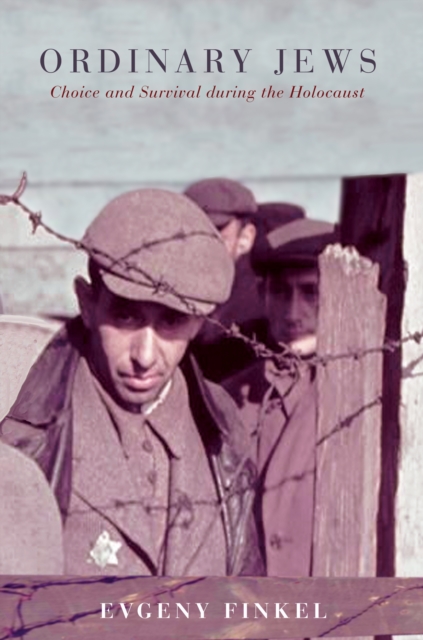
How Jewish responses during the Holocaust shed new light on the dynamics of genocide and political violenceFocusing on the choices and actions of Jews during the Holocaust, Ordinary Jews examines the different patterns of behavior of civilians targeted by mass violence.
Irenaeus, Joseph Smith, and God-Making Heresy seeks both to demonstrate the salience of "e;heresy"e; as a tool for analyzing instances of religious conflict far beyond the borders of traditional historical theology and to illuminate the apparent affinity for deification exhibited by some persecuted religious movements.
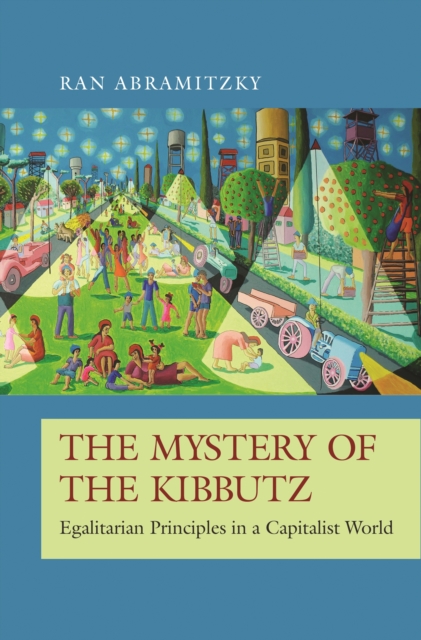
How the kibbutz movement thrived despite its inherent economic contradictions and why it eventually declinedThe kibbutz is a social experiment in collective living that challenges traditional economic theory.
Although they are typically portrayed by the media as dangerous extremists in distant lands, Muslims in fact form a permanent, peaceful and growing population in nearly every Western country.
This book critically interrogates the role of religious faith in the experiences and practices of migrant entrepreneurs against the backdrop of neoliberal Britain.
This book considers the key issue of Turkey's treatment of minorities in relation to its complex paths of both European integration and domestic and international reorientation.