Kantor writes from the perspective of a traditional Jew, covering events such as the Flood, giving of the Torah, and the fall of the Tower of Babel, placing these within the chronology of history along with the Spanish Inquisition, the Holocaust, and the founding of the State of Israel.
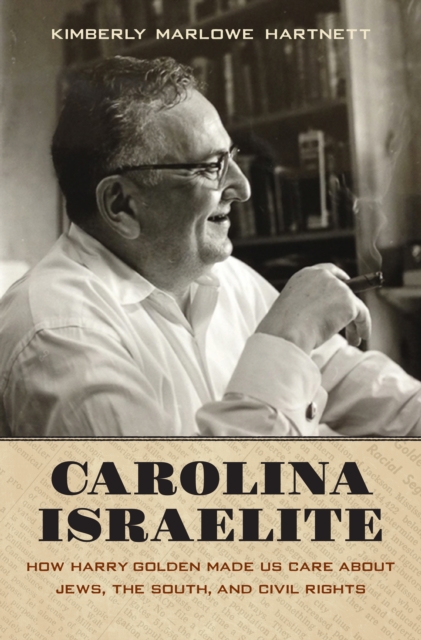
This first comprehensive biography of Jewish American writer and humorist Harry Golden (1903-1981)--author of the 1958 national best-seller Only in America--illuminates a remarkable life intertwined with the rise of the civil rights movement, Jewish popular culture, and the sometimes precarious position of Jews in the South and across America during the 1950s.
The stirring story of the economic and cultural struggles of the eastern European immigrants to the United States in the early 1900's, as witnessed through the lives and contributions of eleven different men.
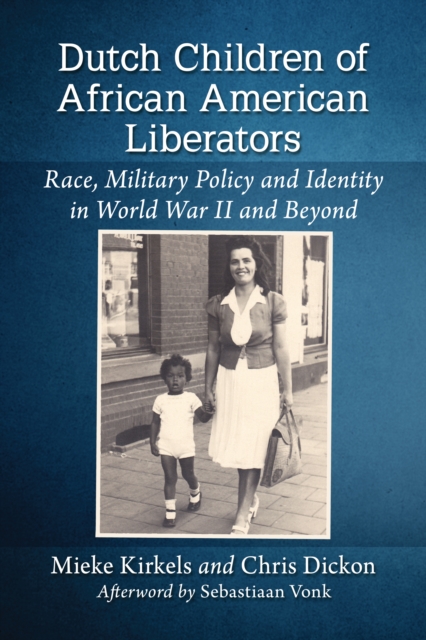
In the Netherlands, a small group of biracial citizens has entered its eighth decade of lives that have been often puzzling and difficult, but which offer a unique insight into the history of race relations in America.
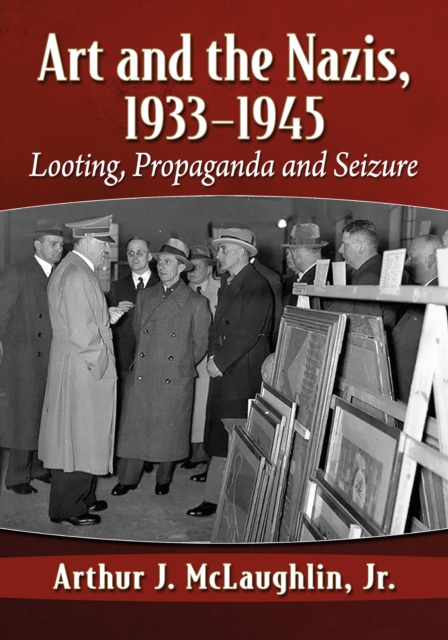
This first comprehensive analysis of the Third Reich's efforts to confiscate, loot, censor and influence art begins with a brief history of the looting of artworks in Western history.
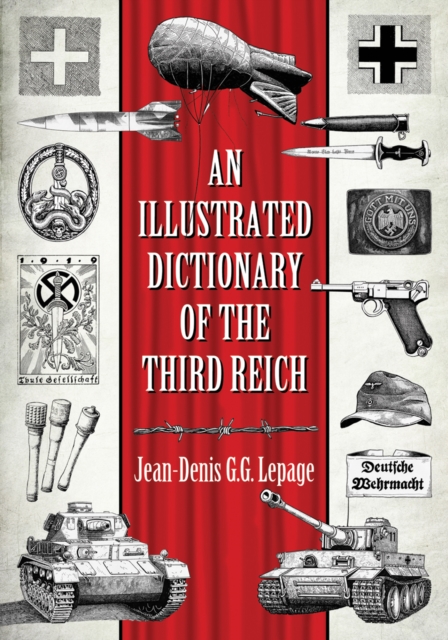
This dictionary gives an enormous amount of basic information on the Third Reich era by listing, and often depicting, German terms connected to Nazism and the Germany of World War II.
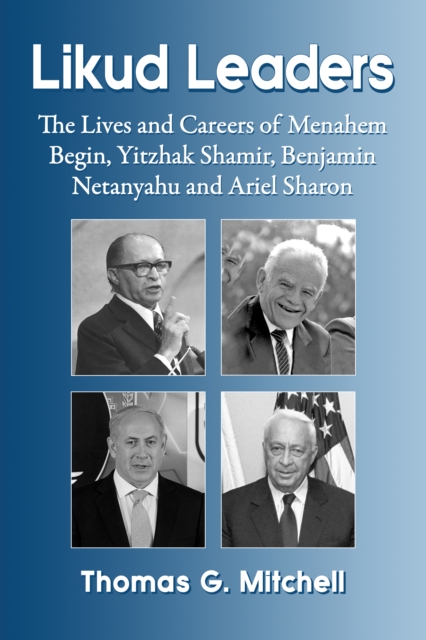
This book is an exploration of the history and ideology of Revisionist Zionism--the stream of Zionism represented by the ruling Likud Party in Israel--from its inception in the 1920s under Vladimir Ze'ev Jabotinsky through its modification under Herut Party leader Menahem Begin to the present.
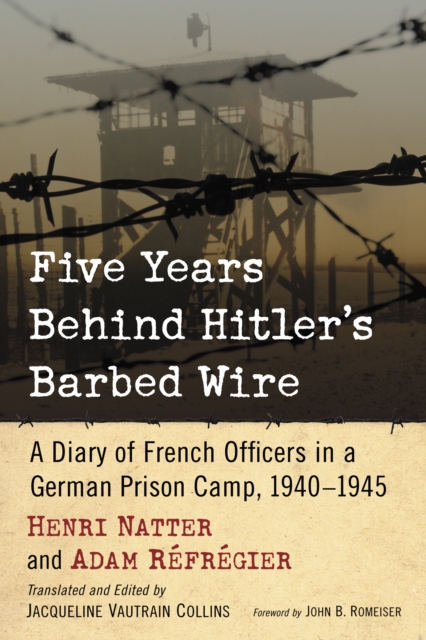
The German invasion of Poland in September 1939 abruptly ended author Jan Rosinski's student life, and propelled him into an activist role in the Polish resistance organization Armia Krajowa.
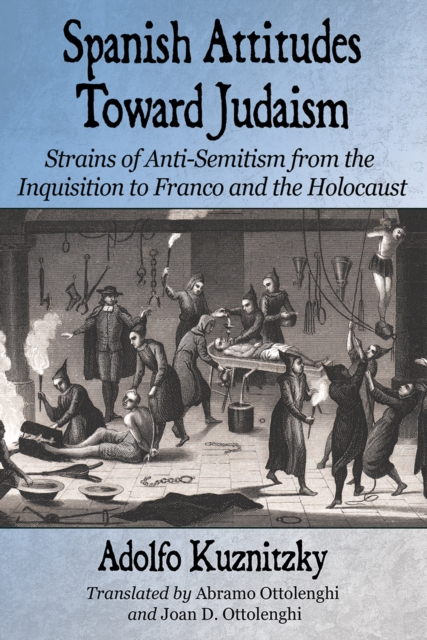
Analyzing the history of the Jews of Spain from the time of the Visigoths to the present, this study investigates periods of discrimination against converted Jews that went beyond the merely religious, finding similarities to the racial and secular anti-Semitism of modernity.
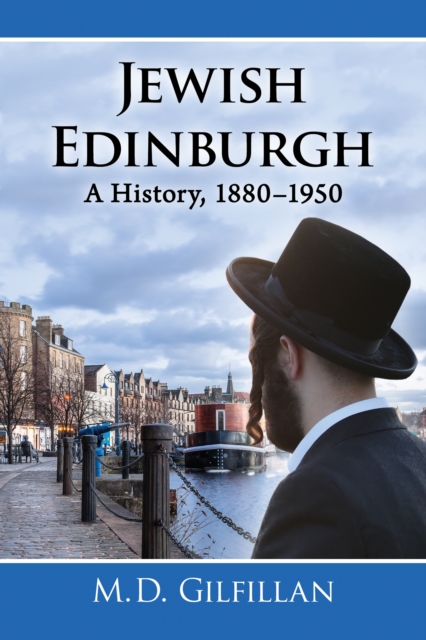
This first full-length history of the Jews of Edinburgh chronicles their immigration to Scotland's capital city from Russia during the 1880s in the wake of Tsarist persecution, and examines their reception by native Scots.
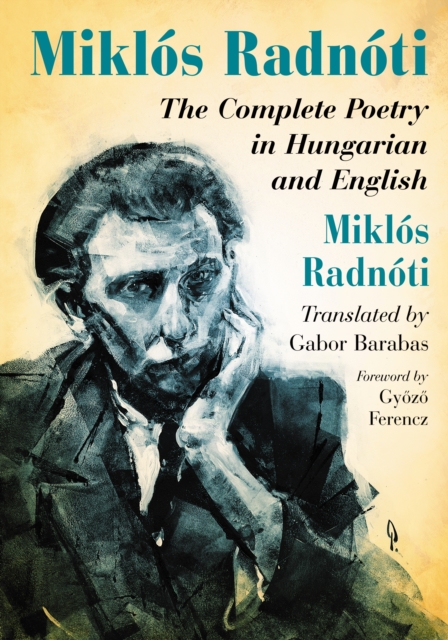
This book contains the complete poems in Hungarian and in English translation of Hungary's great modern poet, Miklos Radnoti, murdered at the age of 35 during the Holocaust.
A former Harvard professor of decision science and game theory draws on those disciplines in this review of controversial strategic and tactical decisions of World War II.
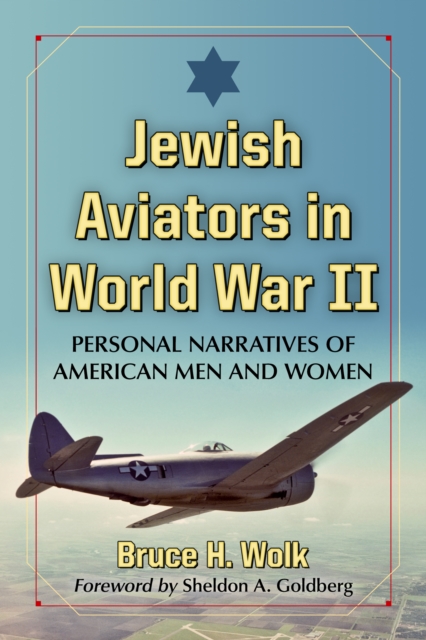
Air warfare was a decisive component of World War II, especially in western Europe and over Japan, where Allied bombers damaged 66 of the country's largest cities.
While acknowledging the ways in which persecution inevitably affects a community, this book deviates from most Jewish studies to survey the ways in which Jewish history has been shaped by the everyday experience of love.
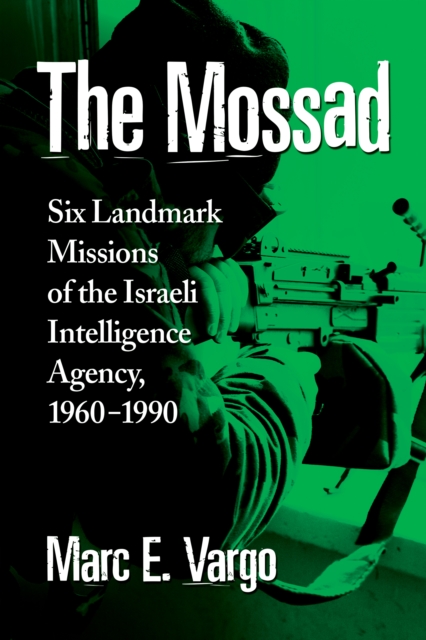
This book describes the clandestine missions that were defining moments in the evolution of the Mossad, including its pursuit of the Black September terrorists who murdered Israeli athletes at the 1972 Olympic Games, its acquisition on the high seas of yellowcake uranium for Israel's undeclared nuclear weapons program, and its role in bringing to justice Nazi war criminal Adolf Eichmann.
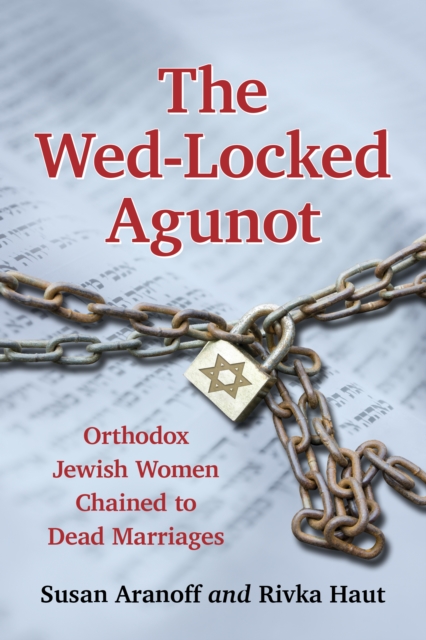
The anguish endured by agunot (chained) Orthodox Jewish women trapped in unhappy or defunct marriages by husbands who refuse to give them a gett (divorce) reveals the power of religious law even when it conflicts with modern societies' moral and legal norms.
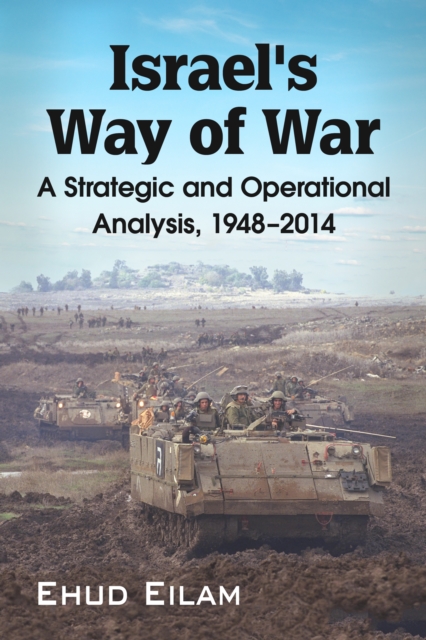
Israel has fought many wars since its founding in 1948, from conventional military conflicts with Arab forces to irregular clashes with guerrilla and terror groups.