Bonner analyses historical contributions to the urban-rural debate by Karl Marx, Ferdinand Tonnies, Max Weber, Georg Simmel, Louis Wirth, and Robert Redfield, as well as contributions by contemporary theorists, such as Ray Pahl, Anthony Giddens, and Peter Berger.
The town of Arvida provides a field on which we can observe in microcosm the birth of an industrial town and the development of the population's identity as a community.
Rayside conducted informal interviews with more than 150 Glengarrians and attended numerous meetings of local councils, school boards, planning boards, and conservation authorities.
Doucet and Weaver begin this empirical, analytical, and narrative study with an analysis of the evolution of land development as an enterprise and continue with an examination of house design and construction practices, the development of the apartment building, and an account of class and age as they relate to housing tenure.
Using Jane Jacobs' critique of postwar city-building as a starting point, Fowler shows that recent North American urban development has been characterized by development projects on a massive scale, an indiscriminate use of vast areas of land, and an increasingly evident homogeneity.
The contributors to this volume demonstrate the richness and diversity of the social landscapes and communities in Canadian urban centres, emphasizing changes which occurred in the period from the mid 1960s to the early 1990s.
Mi Rinconcito en el Cielo (My Little Corner of the Sky) tells the remarkable story of Alberto "e;Beto"e; Gonzales, who overcame a childhood of poverty, addiction, bigotry, and violence and went on to change the lives of thousands of children and adults as a mentor and gang prevention specialist.
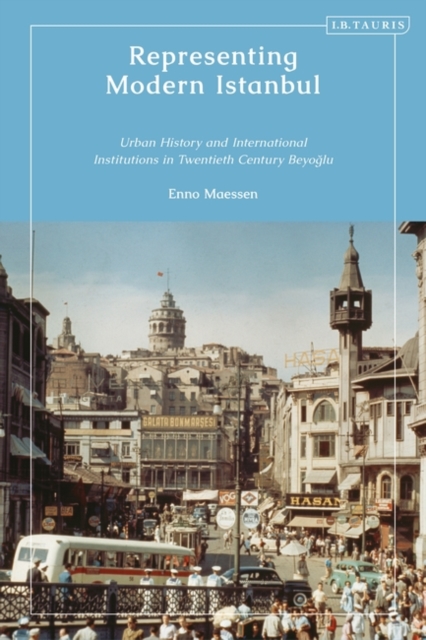
Following the collapse of the Ottoman Empire, Istanbul would lose its position as capital yet remain a crucial urban centre in the new Turkish republic.
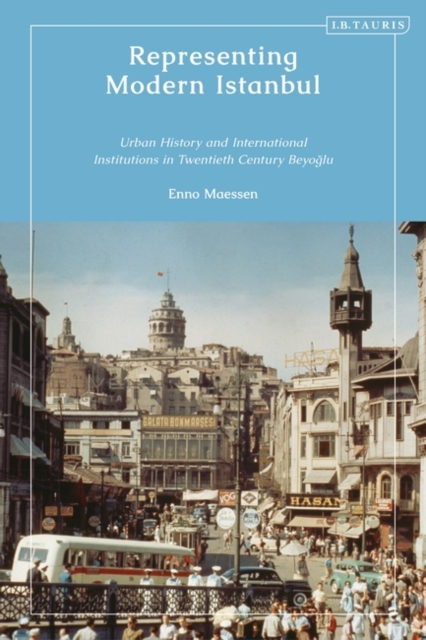
Following the collapse of the Ottoman Empire, Istanbul would lose its position as capital yet remain a crucial urban centre in the new Turkish republic.
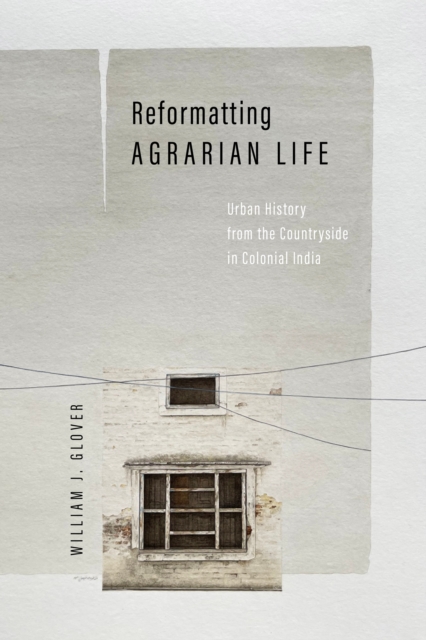
Reformatting Agrarian Life presents a stealth urban history from the countryside that foregrounds the mutual entanglements of agrarian and urban expertise.
Most incidents of urban unrest in recent decades - including the riots in France, Britain and other Western countries - have followed lethal interactions between the youth and the police.
In Communities and Networks, Katherine Giuffre takes the science of social network analysis and applies it to key issues of living in communities, especially in urban areas, exploring questions such as: How do communities shape our lives and identities?
Breaking with the exoticizing cast of public discourse and conventional research, Urban Outcasts takes the reader inside the black ghetto of Chicago and the deindustrializing banlieue of Paris to discover that urban marginality is not everywhere the same.
With the majority of the world's population now living in cities, questions about the cultural and political trajectories of urban societies are increasingly urgent.
'A breath of fresh air' - Norman FinklesteinWorkers in the Global South are doomed through economic imperialism to carry the burden of the entire world.
The subject of how best to address the current and future health needs of older adult residents in this country's urban marginalized communities is one that has also received considerable attention in academic, policy, and practice arenas in the past decade.
This volume examines how urban potentiality emerges in performances that reclaim the city, acting as an emancipatory force when dominant patterns of urban behaviour are thrown into crisis.
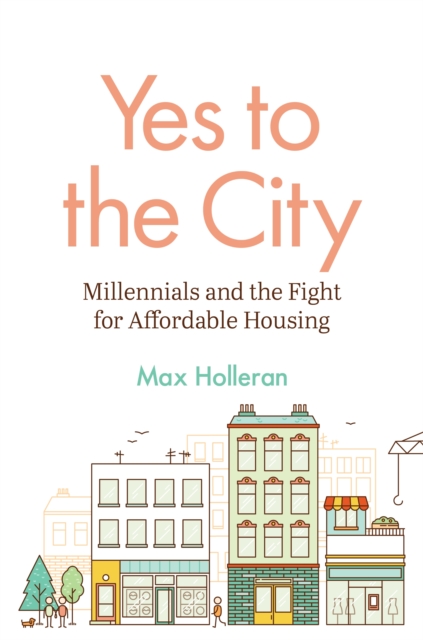
A fascinating account of the growing Yes in My Backyard urban movement The exorbitant costs of urban housing and the widening gap in income inequality are fueling a combative new movement in cities around the world.
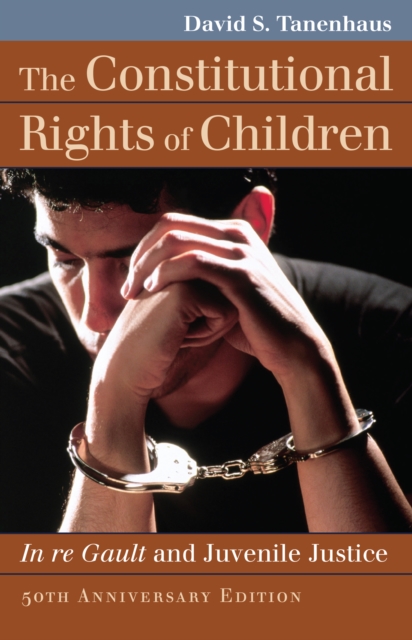
This new edition upon the 50th anniversary of In re Gault includes expanded coverage of the Roberts Courts juvenile justice decisions including Miller v.
An intimate account of life in a West African fishing village, tugged by currents ancient and modern, and dependent on an ocean that is being radically transformed.
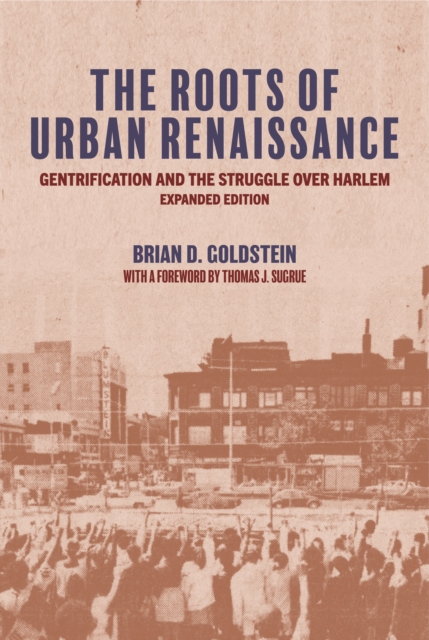
An acclaimed history of Harlem's journey from urban crisis to urban renaissanceWith its gleaming shopping centers and refurbished row houses, today's Harlem bears little resemblance to the neighborhood of the midcentury urban crisis.
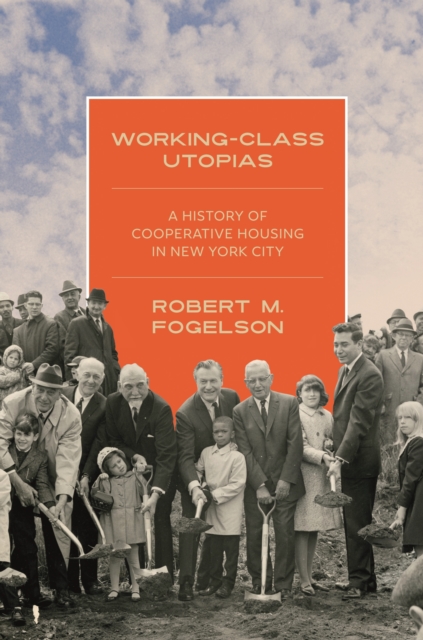
One of the nation's foremost urban historians traces the history of cooperative housing in New York City from the 1920s through the 1970sAs World War II ended and Americans turned their attention to problems at home, union leaders and other prominent New Yorkers came to believe that cooperative housing would solve the city's century-old problem of providing decent housing at a reasonable cost for working-class families.
How second homeowners strategically leverage their privilege across multiple spacesIn recent decades, Americans have purchased second homes at unprecedented rates.
How second homeowners strategically leverage their privilege across multiple spacesIn recent decades, Americans have purchased second homes at unprecedented rates.
A fascinating account of the growing Yes in My Backyard urban movement The exorbitant costs of urban housing and the widening gap in income inequality are fueling a combative new movement in cities around the world.
In the years following its near-bankruptcy in 1976 until the end of the 1980s, New York City came to epitomize the debt-driven, deal-oriented, economic boom of the Reagan era.
An in-depth look at Qatar's migrant workers and the place of skill in the language of control and powerSkill-specifically the distinction between the "e;skilled"e; and "e;unskilled"e;-is generally defined as a measure of ability and training, but Does Skill Make Us Human?
A richly illustrated history of below-market housing in New York, from the 1920s to todayA colorful portrait of the people, places, and policies that have helped make New York City livable, Affordable Housing in New York is a comprehensive, authoritative, and richly illustrated history of the city's public and middle-income housing from the 1920s to today.
An in-depth look at the distinctly different ways that China and India govern their cities and how this impacts their residentsUrbanization is rapidly overtaking China and India, the two most populous countries in the world.
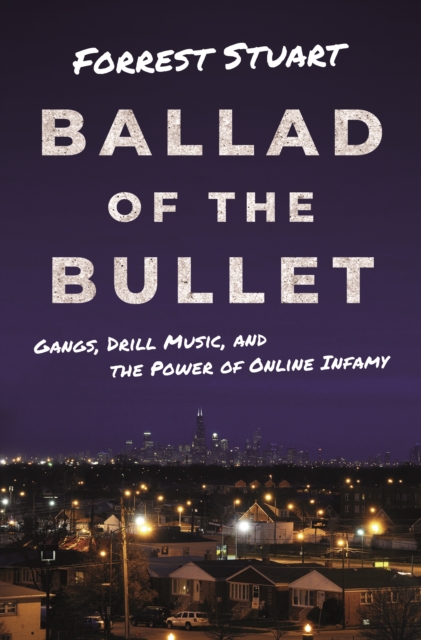
How poor urban youth in Chicago use social media to profit from portrayals of gang violence, and the questions this raises about poverty, opportunities, and public voyeurismAmid increasing hardship and limited employment options, poor urban youth are developing creative online strategies to make ends meet.
The ways that social advocates organize to fight unaffordable housing and homelessness in Los Angeles, illuminated by a new conceptual framework for studying collective actionHow Civic Action Works renews the tradition of inquiry into collective, social problem solving.
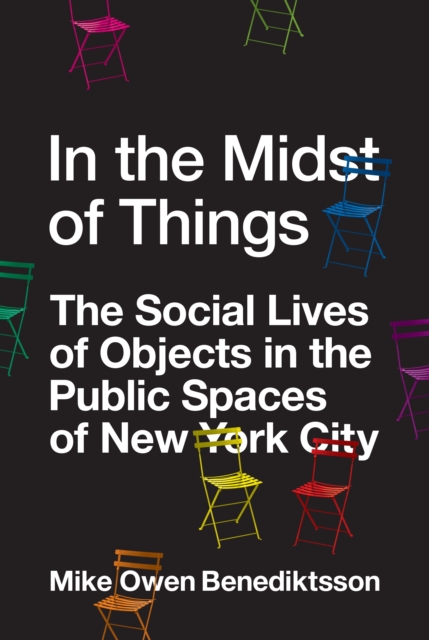
How ordinary urban objects influence our behavior, exacerbate inequality, and encourage social changeAssumptions about human behavior lie hidden in plain sight all around us, programmed into the design and regulation of the material objects we encounter on a daily basis.