This volume explores a range of current problems faced by cities in Germany and England and reflects on constructive strategies for enhancing the quality of life for the citizens of twenty-first century urban environments.
Roy Jenkins follows up Churchill with a book of a very different shape; short and semi-autobiographical, but also full of the wit and erudition which make that book such a success.
Focusing on different tools, platforms, and techniques, Blockchain and the Smart City: Infrastructure and Implementation uses case studies from around the world to examine blockchain deployment in diverse smart city applications.
As human activity and environmental change come to be increasingly recognized as intertwined phenomena on a rapidly urbanizing planet, the field of urban ecology has risen to offer useful ways of thinking about coupled human and natural systems.
Written by a team of nationally recognized African American social work professionals with extensive and distinguished backgrounds of HIV/AIDS service, the book examines the crisis facing African American communities.
This ethnography, based on a five-year field study, presents a holistic view of a nearly invisible ethnic minority in the urban Midwest, Cambodian refugees.
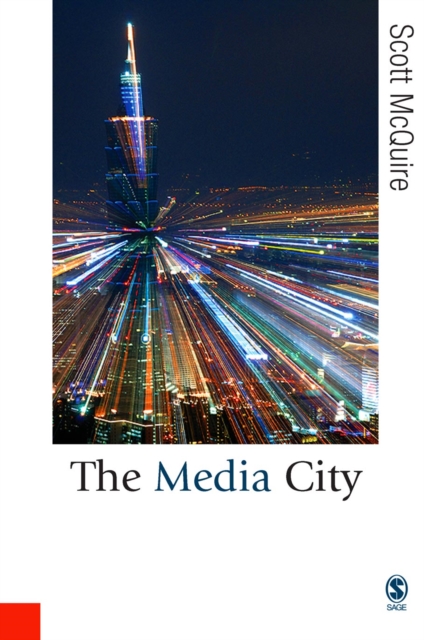
"e;If only more new media commentators had this level of historical-critical reference, engaging, good stories, and a degree of wonder at what media and windows bring to the city, to life.
The very definition of punishment in America has been subject to a variety of changes, and has served as the basis for much debate over the course of America's history.
Analysing a variety of international films and, ultimately, placing them in dialogue with video art, photographic narratives and emerging digital image-based technologies, the contributions explore the expanding range of 'mediated' narratives of contemporary architecture and urban culture from both a media and a sociological standpoint.
Analysing a variety of international films and, ultimately, placing them in dialogue with video art, photographic narratives and emerging digital image-based technologies, the contributions explore the expanding range of 'mediated' narratives of contemporary architecture and urban culture from both a media and a sociological standpoint.
THE DEFINITIVE GUIDE TO THE PRINCIPLES OF NEW URBANISM--FULLY REVISEDThe Congress for the New Urbanism (CNU) is the leading organization promoting walkable, mixed-use neighborhood development, sustainable communities, and healthier living conditions.
The 'refugee crisis' and the recent rise of anti-immigration parties across Europe has prompted widespread debates about migration, integration and security on the continent.
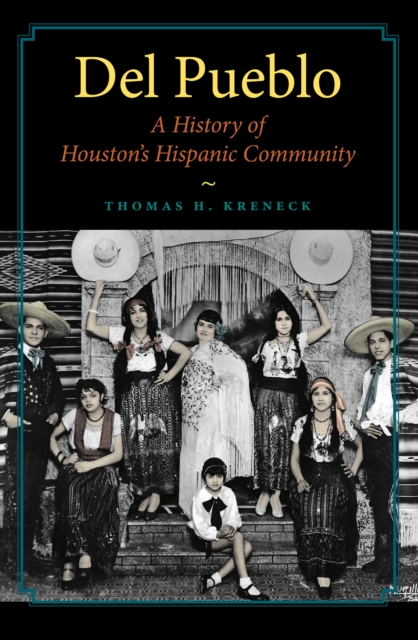
Though relatively small in number until the latter decades of the nineteenth century, Houston'sHispanic population possesses a rich and varied history that has previously not been readily associated in the popular imagination with Houston.
Smart Cities for Technological and Social Innovation establishes a key theoretical framework to understand the implementation and development of smart cities as innovation drivers, in terms of lasting impacts on productivity, livability and sustainability of specific initiatives.
A young African American millennial filmmakers funny, sometimes painful, true-life coming-of-age story of trying to make it in New York Citya chronicle of poverty and wealth, creativity and commerce, struggle and insecurity, and the economic and cultural forces intertwined with "e;the serious, life-threatening process"e; of gentrification.
From the row houses of Baltimore to the stoops of Brooklyn, the New York Times bestselling author of The Cook Up lays bare the voices of the most vulnerable and allows their stories to uncover the systematic injustice threaded within our society.
Divided into five sections, Agri-Food Industry Strategies for Healthy Diets and Sustainability: New Challenges in Nutrition and Public Health provides an overview of the challenges and future perspectives related to nutrition, public health, and sustainability.
A pilot's love letter to the world's greatest cities from the Sunday Times bestselling author of Skyfaring'A journey around both the author's mind and the planet's great cities that leaves us energised, open to new experiences and ready to return more hopefully to our lives' ALAIN DE BOTTONGrowing up in his small hometown, Mark Vanhoenacker spun the illuminated globe in his bedroom and dreamt of elsewhere - of distant, real cities, and a perfect metropolis that existed only in his imagination.