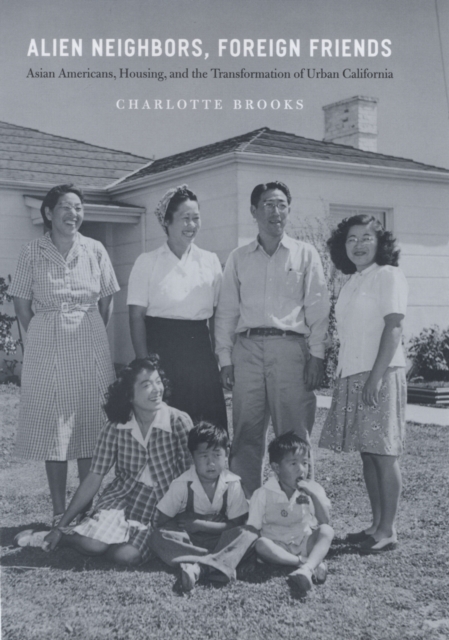
Between the early 1900s and the late 1950s, the attitudes of white Californians toward their Asian American neighbors evolved from outright hostility to relative acceptance.
Violent urban schools loom large in our culture: for decades they have served as the centerpieces of political campaigns and as window dressing for brutal television shows and movies.
"e;Perhaps,"e; wrote Ralph Ellison more than seventy years ago, "e;the zoot suit contains profound political meaning; perhaps the symmetrical frenzy of the Lindy-hop conceals clues to great potential power.
Our traditional image of Chicago-as a gritty metropolis carved into ethnically defined enclaves where the game of machine politics overshadows its ends-is such a powerful shaper of the city's identity that many of its closest observers fail to notice that a new Chicago has emerged over the past two decades.
Few would deny that getting ahead is a legitimate goal of learning, but the phrase implies a cruel hierarchy: a student does not simply get ahead, but gets ahead of others.
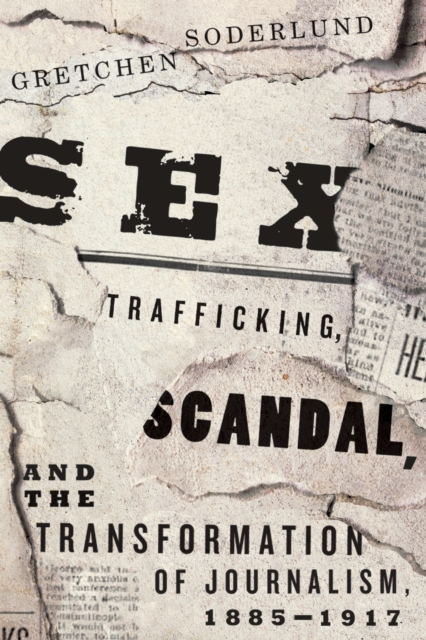
In Sex Trafficking, Scandal, and the Transformation of Journalism, Gretchen Soderlund offers a new way to understand sensationalism in both newspapers and reform movements.
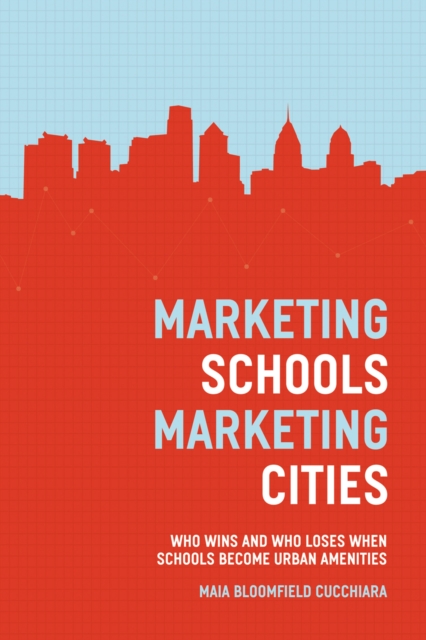
Discuss real estate with any young family and the subject of schools is certain to come up-in fact, it will likely be a crucial factor in determining where that family lives.
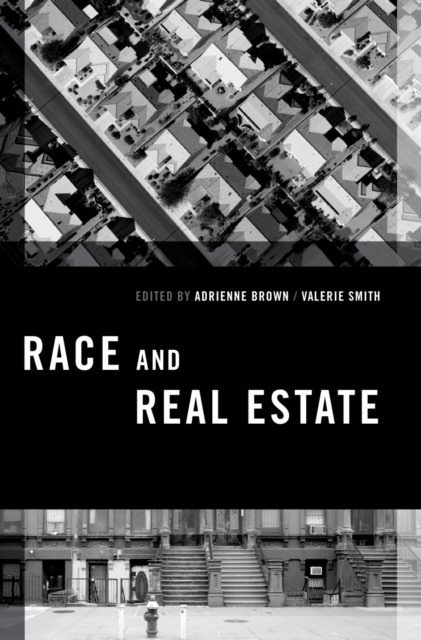
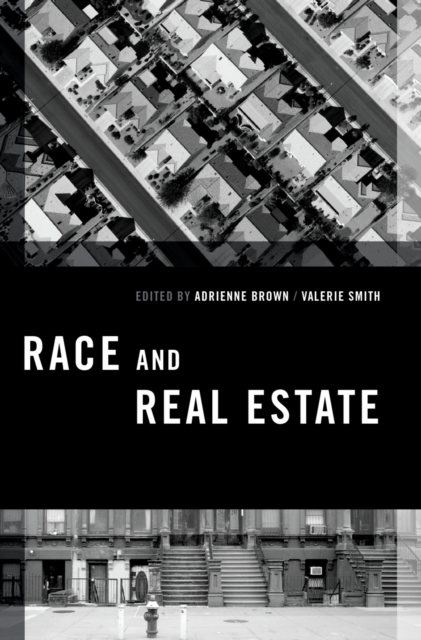
Race and Real Estate brings together new work by architects, sociologists, legal scholars, and literary critics that qualifies and complicates traditional narratives of race, property, and citizenship in the United States.
Race and Real Estate brings together new work by architects, sociologists, legal scholars, and literary critics that qualifies and complicates traditional narratives of race, property, and citizenship in the United States.
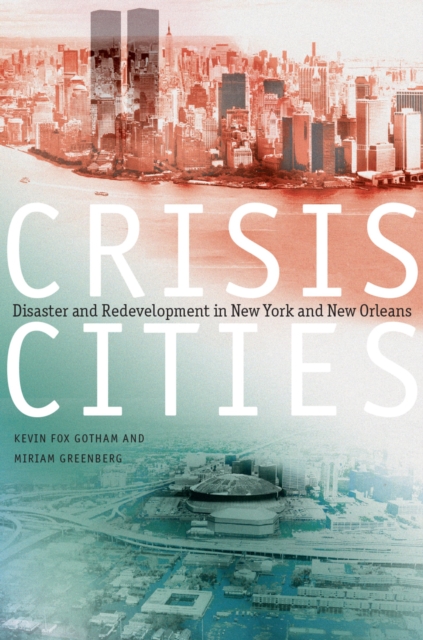
Crisis Cities blends critical theoretical insight with a historically-grounded comparative study to examine the redevelopment efforts following the 9/11 and Hurricane Katrina disasters.
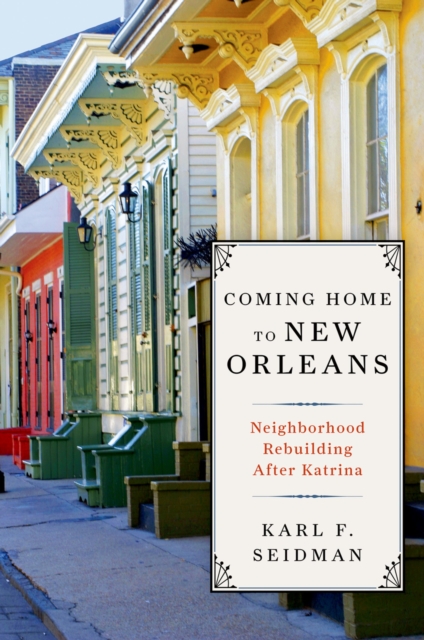
Coming Home to New Orleans documents grassroots rebuilding efforts in New Orleans neighborhoods after hurricane Katrina, and draws lessons on their contribution to the post-disaster recovery of cities.
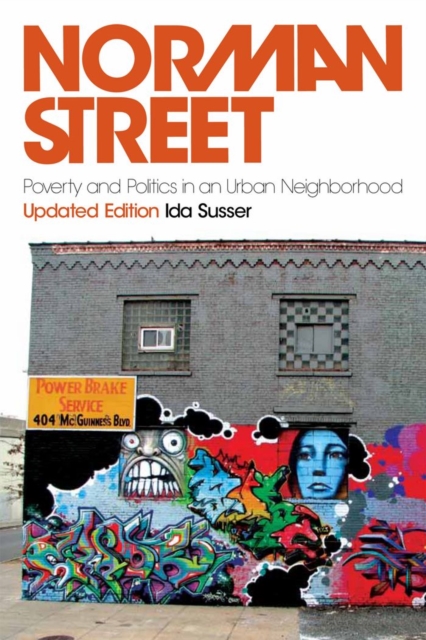
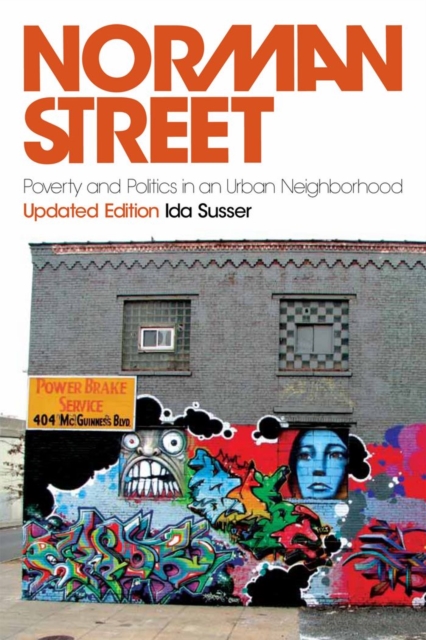
Based on a three-year study conducted in Brooklyn's Greenpoint/Williamsburg section, Norman Street is an in-depth, detailed description of life in a multi-ethnic working class neighborhood during New York City's fiscal crisis of 1975-1978.
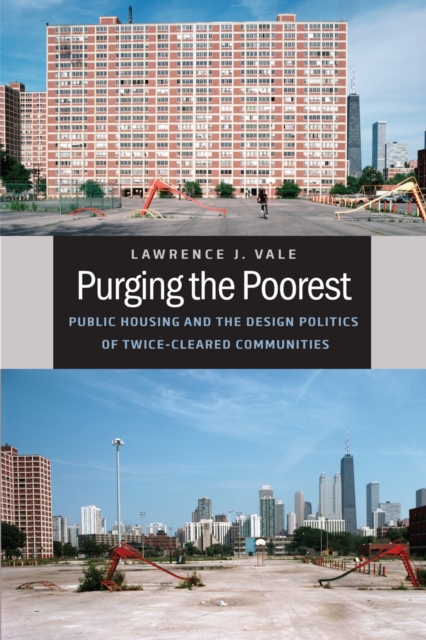
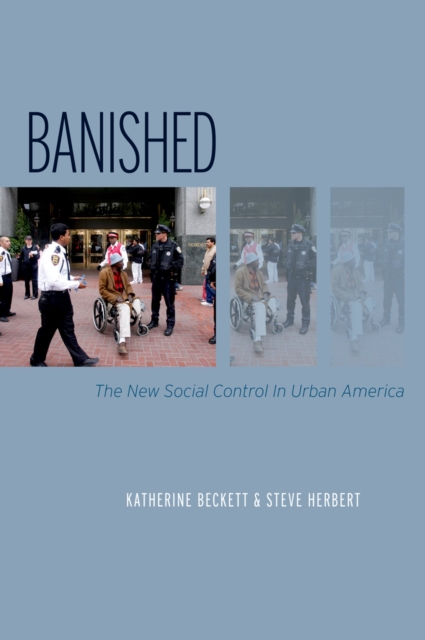
With urban poverty rising and affordable housing disappearing, the homeless and other "e;disorderly"e; people continue to occupy public space in many American cities.
During the first half of the twentieth century, Atlantic City was the nation's most popular middle-class resort--the home of the famed Boardwalk, the Miss America Pageant, and the board game Monopoly.
In 1945 Germany's cities lay in ruins, destroyed by Allied bombers `hat left major architectural monuments badly damaged and much of the housing stock reduced to rubble.
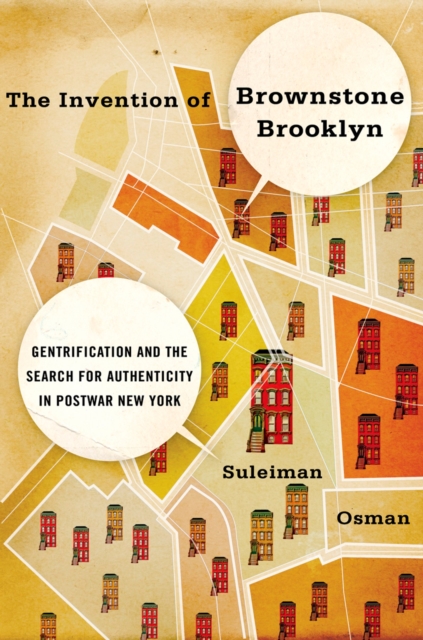
As cities have gentrified, educated urbanites have come to prize what they regard as "e;authentic"e; urban life: aging buildings, art galleries, small boutiques, upscale food markets, neighborhood old-timers, funky ethnic restaurants, and old, family-owned shops.
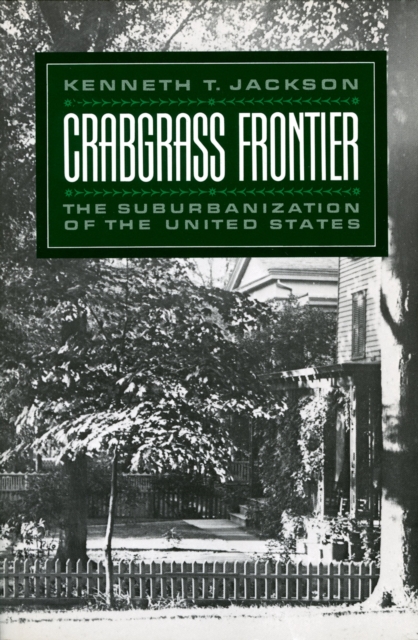
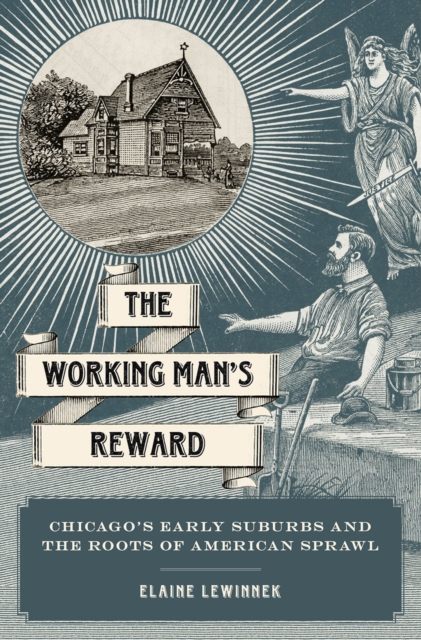
This first full-scale history of the development of the American suburb examines how "e;the good life"e; in America came to be equated with the a home of one's own surrounded by a grassy yard and located far from the urban workplace.
Considered one of the city's most notorious industrial slums in the 1940s and 1950s, Brownstone Brooklyn by the 1980s had become a post-industrial landscape of hip bars, yoga studios, and beautifully renovated, wildly expensive townhouses.
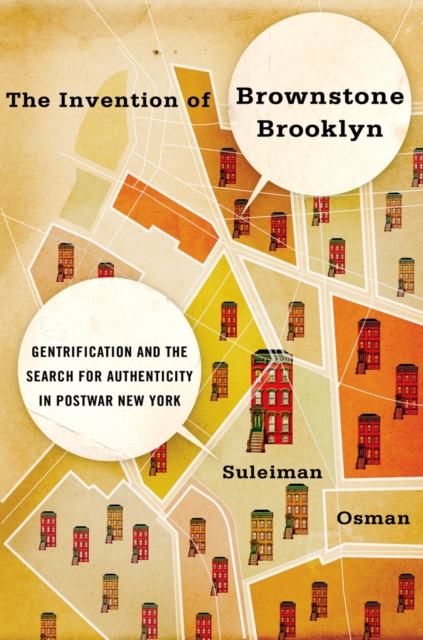
Considered one of the city's most notorious industrial slums in the 1940s and 1950s, Brownstone Brooklyn by the 1980s had become a post-industrial landscape of hip bars, yoga studios, and beautifully renovated, wildly expensive townhouses.
Moving beyond the usual good-versus-evil story that pits master-planner Robert Moses against the plucky neighborhood advocate Jane Jacobs, Samuel Zipp sheds new light on the rise and fall of New York's urban renewal in the decades after World War II.
This first full-scale history of the development of the American suburb examines how "e;the good life"e; in America came to be equated with the a home of one's own surrounded by a grassy yard and located far from the urban workplace.
Moving beyond the usual good-versus-evil story that pits master-planner Robert Moses against the plucky neighborhood advocate Jane Jacobs, Samuel Zipp sheds new light on the rise and fall of New York's urban renewal in the decades after World War II.
As cities have gentrified, educated urbanites have come to prize what they regard as "e;authentic"e; urban life: aging buildings, art galleries, small boutiques, upscale food markets, neighborhood old-timers, funky ethnic restaurants, and old, family-owned shops.
With urban poverty rising and affordable housing disappearing, the homeless and other "e;disorderly"e; people continue to occupy public space in many American cities.
Attempts to show what happened to slavery in an urban environment and to reconstruct the texture of life of the Negroes who lived in bondage in the cities.
Based on a three-year study conducted in Brooklyn's Greenpoint/Williamsburg section, Norman Street is an in-depth, detailed description of life in a multi-ethnic working class neighborhood during New York City's fiscal crisis of 1975-1978.
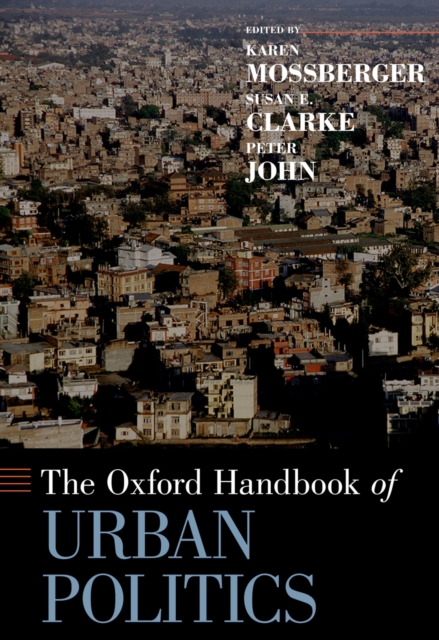
The Oxford Handbook of Urban Politics is an authoritative volume on an established subject in political science and the academy more generally: urban politics and urban studies.
The past decade brought forth a wave of excitement and promise for researchers and practitioners interested in community practice as an approach based on social justice principles and an embrace of community participatory actions.
The past decade brought forth a wave of excitement and promise for researchers and practitioners interested in community practice as an approach based on social justice principles and an embrace of community participatory actions.
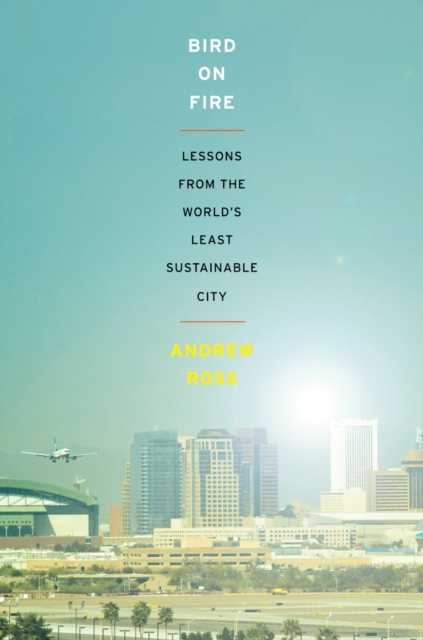
More than five decades have passed since Jane Jacobs wrote her classic The Death and Life of Great American Cities, and since a front page headline in the New York Times read, "e;Cars Choking Cities as 'Urban Sprawl' Takes Over.
More than five decades have passed since Jane Jacobs wrote her classic The Death and Life of Great American Cities, and since a front page headline in the New York Times read, "e;Cars Choking Cities as 'Urban Sprawl' Takes Over.